Gut Health UK: Your Biggest Questions Answered
Gut health UK questions answered: fibre, probiotics, IBS triggers, the gut-brain connection, and microbiome research — all in one NHS-informed guide.

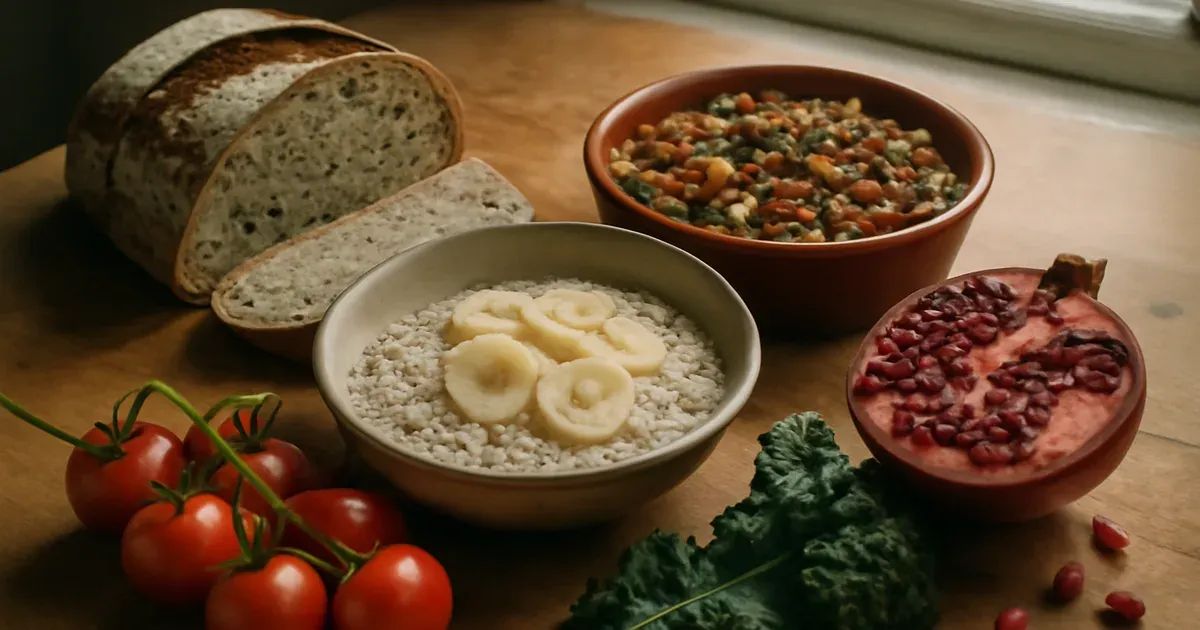
Gut health in the UK has never been more discussed — or more misunderstood. From conflicting advice about fibre and probiotics to questions about the gut-brain connection, it can be hard to know what actually works. Whether you're managing IBS, bloating, or simply want to improve gut health naturally, this guide cuts through the noise. Grounded in NHS guidance and the latest UK microbiome research, here are honest, science-backed answers to the questions real people are asking.
Jump to a Question
How much fibre do I actually need for good gut health?
Does the gut-brain connection affect digestion?
Which foods and drinks support healthy digestion?
Are probiotics worth taking for gut health in the UK?
What triggers IBS and digestive symptoms — and how do I identify mine?
Does fat in my diet affect my gut microbiome?
What does UK microbiome research tell us about the best diet for gut health?
How much fibre do I actually need for good gut health?
Most adults in the UK need 30g of dietary fibre per day, yet government data suggests the average intake is closer to 18g — barely half the recommended amount. Fibre is foundational to gut health because it feeds the beneficial bacteria that live in your large intestine, helping maintain a balanced microbiome.
The NHS recommends reaching 30g daily through a varied mix of sources rather than relying on a single food:
- Wholegrains: wholemeal bread, brown rice, oats
- Legumes: lentils, chickpeas, kidney beans
- Fruit and vegetables: especially with skins on
- Nuts and seeds: flaxseeds, chia seeds, almonds
If cereals cause bloating, you may find fruit and vegetables easier to tolerate — this is common in people with IBS. The key is variety: different fibres feed different bacterial strains, and a diverse microbiome is associated with better overall health outcomes according to research from King's College London's British Gut Project.
Gradually increasing fibre intake — rather than making sudden changes — gives your gut bacteria time to adapt and reduces the risk of wind or discomfort.
Does the gut-brain connection affect digestion?
Yes — the gut-brain connection is a well-established, two-way communication system that profoundly influences both digestive function and mental wellbeing. The gut contains over 500 million nerve cells and is often called the "second brain," communicating with the central nervous system via the vagus nerve.
Stress and anxiety can directly alter gut motility — the speed at which food moves through your digestive system — which is why many people experience diarrhoea, constipation, or nausea during stressful periods. This axis also explains why conditions like IBS are frequently linked to anxiety and low mood.
Researchers at UCL and the University of Oxford are actively investigating how the gut microbiome influences brain chemistry. Early evidence suggests that certain gut bacteria produce neurotransmitters, including serotonin — approximately 90% of which is made in the gut, not the brain.
Practical implications for gut health UK readers include:
- Managing stress through mindfulness or exercise may ease IBS symptoms
- Sleep quality directly affects gut microbiome diversity
- Eating slowly and mindfully reduces the stress response during meals
The gut-brain axis is not a fringe idea; it is a priority research area for the MRC and Wellcome Trust in the UK.

Which foods and drinks support healthy digestion?
Choosing the right foods and drinks is one of the most direct ways to improve gut health naturally. The NHS recommends prioritising water as the primary beverage, since it softens stools and helps fibre do its job — fibre acts like a sponge and becomes ineffective without adequate fluid intake.
Aim for at least 6–8 glasses of fluid per day, with water and herbal teas as the best options. Caffeinated drinks — including coffee, standard tea, colas, and energy drinks — boost stomach acid and can cause heartburn in susceptible individuals. Fizzy drinks may bloat the stomach and worsen reflux.
For food choices, the following table summarises what supports versus hinders digestion:
| Food/Drink Category | Gut-Friendly? | Why It Matters |
|---|---|---|
| Wholegrains, oats, legumes | ✅ Yes | High in fibre; feeds beneficial gut bacteria |
| Lean meat, fish, grilled foods | ✅ Yes | Easier to digest than fatty or fried options |
| Fried foods, burgers, chips | ❌ No | High fat slows digestion; may cause pain |
| Water, herbal teas | ✅ Yes | Supports fibre function; reduces heartburn |
| Coffee, cola, fizzy drinks | ⚠️ Limit | Can increase stomach acid and bloating |
| Fermented foods (kefir, yoghurt) | ✅ Yes | Natural source of live cultures for microbiome |
Grilling rather than frying is a simple swap endorsed by the NHS and the British Dietetic Association (BDA) that reduces fat load on the digestive system without sacrificing protein intake.
Are probiotics worth taking for gut health in the UK?
Probiotics — live bacteria that benefit the gut — have genuine, evidence-backed uses, but they are not a universal cure. The strongest evidence supports their use in reducing IBS symptoms and restoring gut balance after antibiotic use. The British Dietetic Association acknowledges probiotics may be helpful for certain digestive conditions.
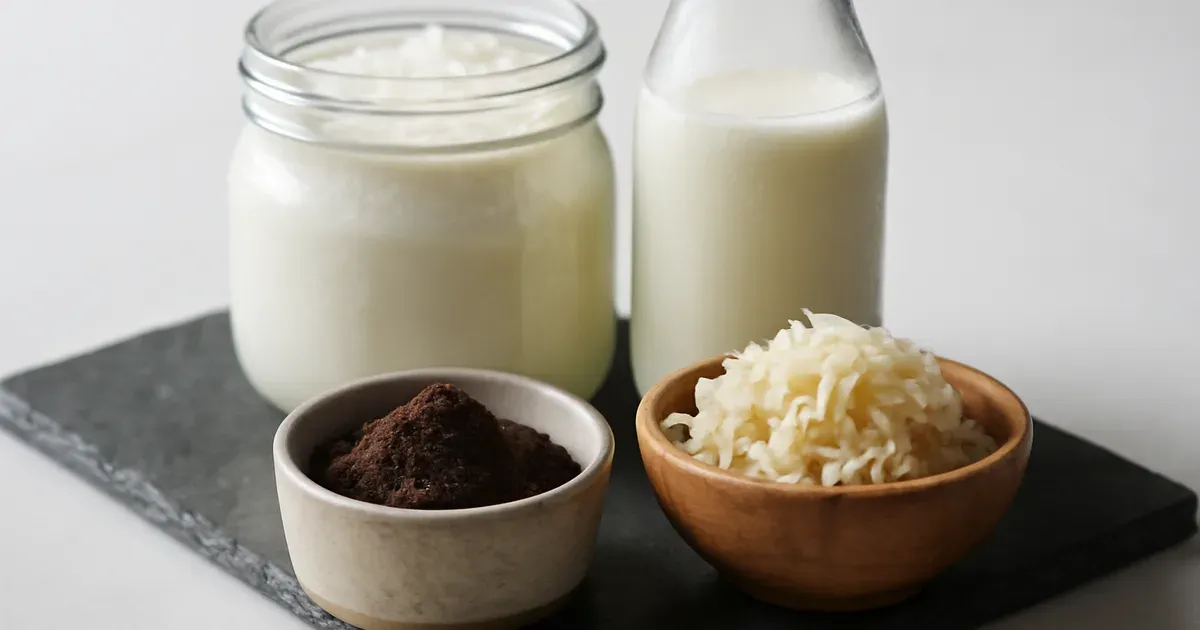
Natural food sources of probiotics include:
- Live yoghurt (widely available in UK supermarkets)
- Kefir (fermented milk drink)
- Fermented vegetables such as sauerkraut and kimchi
- Some soft cheeses and miso
If you opt for a supplement, consistency matters — take it daily for at least four weeks before assessing whether it is working. Different strains do different jobs, so not all products are equivalent. Look for products with named bacterial strains (e.g. Lactobacillus acidophilus, Bifidobacterium longum) and a guaranteed colony-forming unit (CFU) count at the end of the product's shelf life.
Anyone with a compromised immune system or a serious underlying health condition should speak to their GP before starting probiotic supplements — this is standard NHS advice. For most healthy adults in the UK, live yoghurt eaten daily is a safe, affordable, and effective starting point.
What triggers IBS and digestive symptoms — and how do I identify mine?
IBS affects approximately 1 in 5 people in the UK, making it one of the most common gut conditions seen in NHS primary care. Triggers vary significantly between individuals, which is why personal identification — rather than blanket avoidance — is the recommended approach.
Common dietary triggers include:
- Acidic foods: tomatoes, citrus fruits, vinegar-based salad dressings
- Gas-producing foods: onions, garlic, wheat, fizzy drinks
- Lactose: milk, cream, soft cheese (if lactose intolerant)
- High-fat foods: fried or heavily processed meals
- Spicy foods: chillies, but also milder irritants like garlic and onion
The gut-brain connection also plays a significant role in IBS — psychological stress is a well-documented trigger that can exacerbate symptoms even when diet is well-managed.
The most effective self-management tool is a food and symptom diary. Record everything you eat and drink alongside any symptoms for two to four weeks. Patterns become visible quickly and allow you to make targeted adjustments rather than cutting out entire food groups unnecessarily.
If symptoms are severe or persistent, your GP can refer you to a dietitian through NHS pathways. The low-FODMAP diet — developed at Monash University and widely used by NHS dietitians in the UK — has strong evidence for IBS management.
Does fat in my diet affect my gut microbiome?
A high-fat diet — particularly one rich in saturated fat from fried and processed foods — is associated with reduced gut microbiome diversity, according to research published by teams at Imperial College London and the University of Reading. A less diverse microbiome is linked to increased inflammation, poorer metabolic health, and worsened digestive symptoms.
This does not mean all dietary fat is harmful to your microbiome. Unsaturated fats from oily fish, olive oil, avocado, and nuts appear to support beneficial bacterial populations, particularly those associated with reduced inflammation.
The NHS and UK Eatwell Guide both recommend:
- Reducing saturated fat (found in butter, fatty meat, pastries, full-fat dairy)
- Choosing lean proteins such as chicken, turkey, and fish
- Using grilling, baking, or steaming instead of frying
- Including plant-based fats from nuts, seeds, and olive oil
Swapping from a high-fat Western diet to one richer in plant foods can produce measurable changes in microbiome composition within as few as two to four weeks — a finding highlighted by UK Biobank-linked research. For gut health in the UK, this is a practical and achievable target aligned with existing NHS dietary guidelines.
What does UK microbiome research tell us about the best diet for gut health?
UK microbiome research is among the most advanced in the world, with landmark projects such as the British Gut Project (run in partnership with King's College London) and major studies from the Wellcome Sanger Institute providing unprecedented insight into how diet shapes the microbiome.
Key findings relevant to British diet and gut health include:
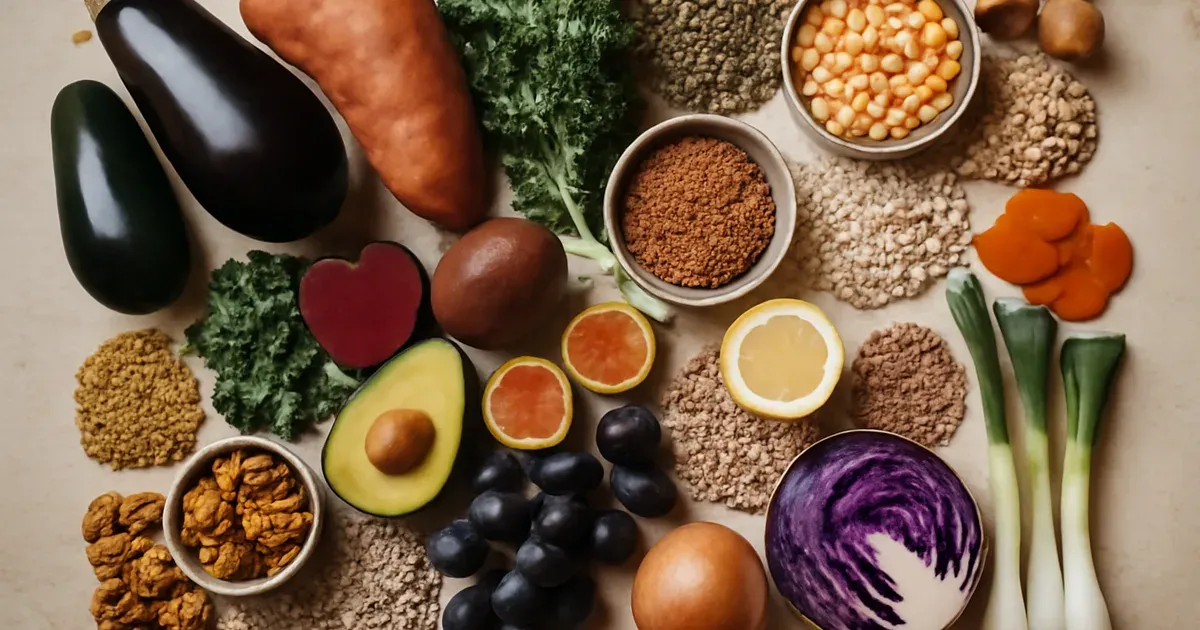
- Dietary diversity is the single strongest predictor of microbiome diversity. People who eat 30 or more different plant foods per week have significantly more varied gut bacteria than those eating fewer than 10 — a finding from the American Gut Project replicated in UK cohorts.
- Ultra-processed foods are harmful to microbiome health. Research from the University of Nottingham and other UK institutions links high UPF consumption to lower microbial diversity and higher rates of inflammatory gut conditions.
- Fermented foods increase microbiome diversity more rapidly than high-fibre diets alone, according to a Stanford study widely discussed in UK microbiome circles and referenced by British nutrition researchers.
- The gut-brain connection is bidirectional. UK studies funded by the MRC have shown that improving gut microbiome composition through diet can reduce anxiety-like behaviours — a rapidly growing area of research.
The British Nutrition Foundation recommends that adults focus on whole, minimally processed foods, adequate fibre, hydration, and regular fermented food intake as the cornerstone of gut health. This aligns closely with the NHS Eatwell Guide and the recommendations of the BDA.
The Bottom Line
- Aim for 30g of fibre daily from a variety of sources — wholegrains, legumes, fruit, and vegetables — as recommended by NHS gut health guidelines.
- Stay hydrated with water and herbal teas; limit caffeine and fizzy drinks that can worsen heartburn and bloating.
- The gut-brain connection is real — managing stress and sleep can improve digestive symptoms alongside dietary changes.
- Probiotics from live yoghurt or kefir are a safe, evidence-backed starting point; supplements may help with IBS but should be chosen carefully.
- Keep a food and symptom diary to identify your personal triggers — there is no single gut-health diet that works for everyone.
Frequently Asked Questions
What is the best diet for gut health in the UK?
The best diet for gut health UK adults can follow is one that is high in dietary fibre (30g daily), rich in diverse plant foods, low in ultra-processed foods, and includes fermented foods such as live yoghurt or kefir. The NHS Eatwell Guide provides a strong framework. Research from the British Gut Project suggests eating 30 or more different plant foods per week significantly improves microbiome diversity.
How does the gut-brain connection affect mental health?
The gut-brain connection influences mental health through the vagus nerve and the production of neurotransmitters including serotonin, 90% of which is synthesised in the gut. An imbalanced gut microbiome has been linked in UK and international studies to increased risk of anxiety and depression. Improving diet and microbiome health may support mood, though this should complement rather than replace clinical treatment.
Can I improve gut health naturally without supplements?
Yes — it is entirely possible to improve gut health naturally through food and lifestyle changes alone. Eating a fibre-rich, plant-diverse diet, staying well hydrated, managing stress, getting adequate sleep, and incorporating fermented foods such as live yoghurt are all evidence-backed strategies recommended by the British Dietetic Association and NHS.
What are the signs of an unhealthy gut?
Common signs of an unhealthy gut include persistent bloating, constipation or diarrhoea, frequent heartburn, unexplained fatigue, food intolerances, and skin flare-ups. These can indicate microbiome imbalance or digestive dysfunction. If symptoms are ongoing, speak to your GP — NHS pathways can refer you to a gastroenterologist or registered dietitian.
Are UK probiotic supplements regulated?
Probiotic supplements sold in the UK are regulated as food supplements, not medicines, which means they do not require clinical trial evidence before being sold. This makes quality control variable. Look for products with named strains, guaranteed CFU counts, and ideally those reviewed by a registered dietitian. The NHS advises consulting a GP before use if you have an underlying health condition or weakened immunity.
You might also like
- Protein vs Fibre: What Your Gut Health Needs
- How to Support Gut-Brain Health in 6 Steps
- Probiotics: What's Really Inside Your Capsule?
96 Bacterial Strains. Two Shots a Day.
GOODIE is an award-winning fermented drink with 96 live bacterial strains — more than any yogurt or kombucha — never pasteurised, clinically tested, and 8 in 10 users felt less bloating within 14 days. Curious?