Gut Microbes May Eat Gut Lining When Fibre Runs Low
New research finds gut microbes may consume the gut's mucus lining when fibre is scarce — a key concern for gut health UK given low national fibre intake.

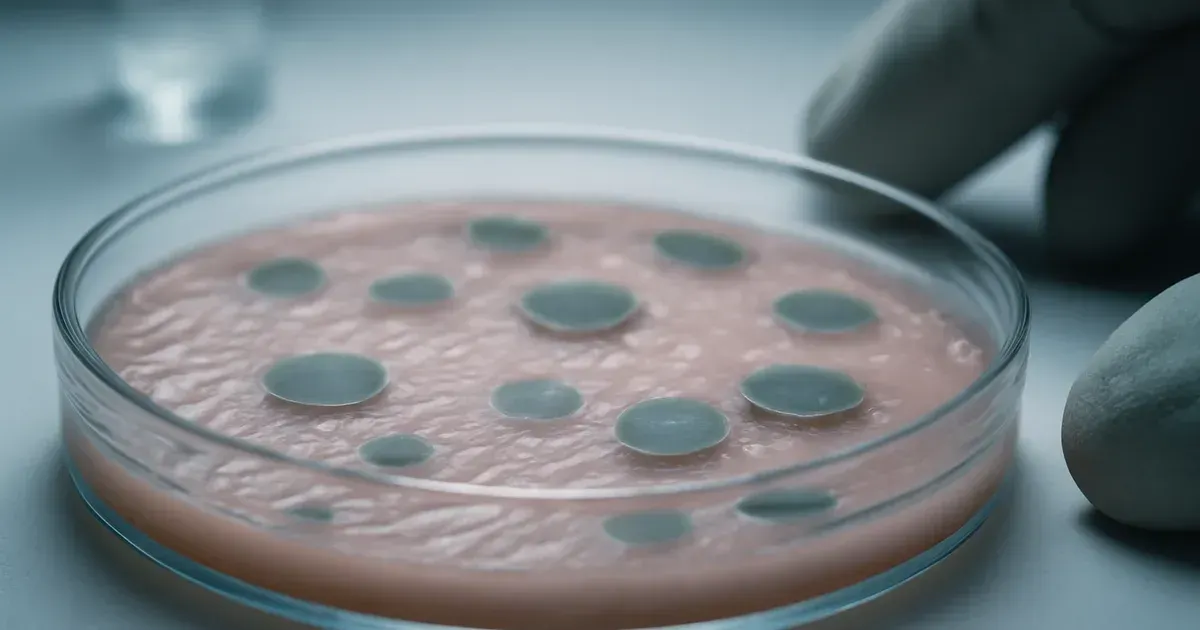
Gut microbes deprived of dietary fibre may begin breaking down the protective mucus lining of the gut itself, according to new research reported by Science Daily. The study, published in August 2026, found that adequate fibre intake can suppress this damaging process — and that indigestible plant proteins may further support a healthy microbiome by encouraging beneficial metabolite production. The findings carry significant implications for gut health UK-wide, where fibre intake remains well below recommended levels.
Why This Matters for the UK Microbiome
Fibre consumption in the UK is a persistent public health concern. The NHS and the UK Eatwell Guide recommend 30g of fibre per day for adults, yet national dietary surveys consistently show the average UK adult consumes closer to 18–20g. This shortfall may have consequences that go beyond digestion. The gut microbiome — the trillions of bacteria, fungi, and other microorganisms residing in the intestinal tract — depends heavily on dietary fibre as its primary fuel source. When that fuel is scarce, according to the research, microbes may turn to the mucus layer lining the gut wall instead.
Microbes Consuming Mucus: What the Research Found
The study found that fibre actively suppresses microbial degradation of the gut's mucus lining, a protective barrier that plays a central role in immunity and overall gut integrity. When fibre is limited, researchers report, microbes begin consuming proteins within that mucus layer — a process that could compromise the gut's first line of defence. Separately, a study published in PNAS found that digestion-resistant plant proteins support the metabolite profiles associated with plant-based diets, increasing beneficial phenols such as hippuric acid while reducing uremic toxins linked to poor health outcomes.
What This Means for Your Gut-Brain Health
The gut-brain connection means that disruptions to the gut lining do not stay local. Emerging research increasingly links gut barrier integrity to mood regulation, cognitive function, and immune signalling — all mediated in part by the microbiome. Scientists report that indigestible plant proteins, found abundantly in legumes, wholegrains, and vegetables common in a balanced British diet, may help microbes produce more beneficial metabolites even when overall fibre intake is imperfect. Supporting gut health naturally, through both fibre and plant protein diversity, may therefore offer compounding benefits for both digestive and neurological wellbeing.
A Simple but Urgent Takeaway
For health-conscious adults in the UK, the message from this research is clear: keeping gut microbes well-fed with fibre and diverse plant foods is not optional — it is protective. Without adequate fibre, the very lining that shields the gut from harm may become the microbiome's next meal. Practical steps include increasing intake of wholegrains, pulses, fruits, vegetables, and nuts in line with NHS dietary guidance.
You might also like
- How to Improve Gut Health Naturally in 6 Steps
- How to Improve Gut Health for a Better Mind in 6 Steps
- Oral–Gut Microbiome Axis: Your Questions Answered
96 Bacterial Strains. Two Shots a Day.
GOODIE is an award-winning fermented drink with 96 live bacterial strains — more than any yogurt or kombucha — never pasteurised, clinically tested, and 8 in 10 users felt less bloating within 14 days. Curious?