How to Improve Gut Health for a Better Mind in 6 Steps
Discover 6 evidence-based steps to improve gut health naturally, supporting the gut-brain connection — grounded in UK microbiome research and NHS guidelines.

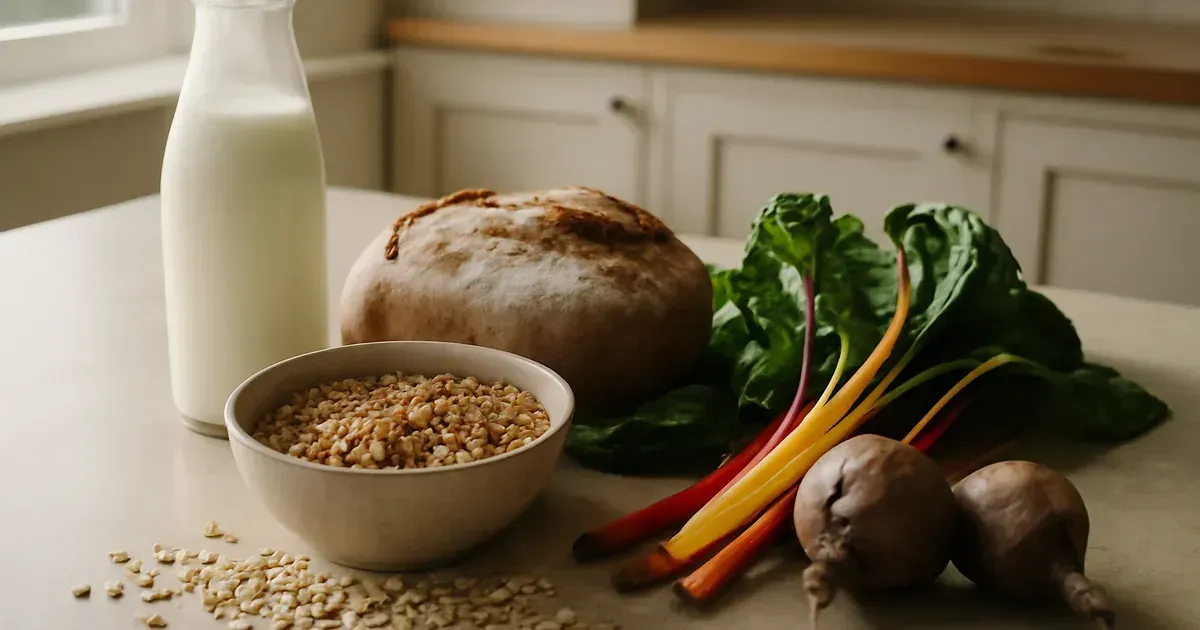
You've tried cutting out sugar. You've bought the probiotic yoghurt, downloaded a meditation app, and still — the brain fog, the low mood, the digestive discomfort — none of it has fully shifted. Sound familiar?
Millions of people in the UK are quietly struggling with the same cycle: trying one wellness fix after another, not realising that the root of the problem may be living in their gut. Emerging science on the gut-brain connection is reshaping how researchers, clinicians, and everyday health-conscious adults think about mental and physical wellbeing. The gut microbiome — the vast ecosystem of bacteria, fungi, and other microorganisms in your digestive tract — is turning out to be far more influential over your mood, cognition, and resilience than anyone previously imagined.
This guide distils that cutting-edge science into six practical, evidence-informed steps you can start today — no restrictive diets, no expensive supplements required upfront.
Why Poor Gut Health Affects Your Mind in the First Place
The gut-brain connection is not a metaphor — it is a hard-wired, bidirectional communication highway that scientists call the gut–brain axis. This system integrates neural, hormonal, and immunological signals between your gut and your brain, operating continuously whether you are aware of it or not.
- Your gut has its own nervous system. The enteric nervous system (ENS) contains roughly 500 million neurons and communicates with your central nervous system via the vagus nerve, the autonomic nervous system (ANS), and the hypothalamic–pituitary–adrenal (HPA) axis — the same stress-response pathway implicated in anxiety and depression.
- Microbiome composition shapes brain chemistry. Gut bacteria produce and regulate key neurotransmitters including serotonin, dopamine precursors, and GABA. Approximately 90% of the body's serotonin is produced in the gut lining, not the brain.
- Inflammation travels both ways. A disrupted microbiome can trigger low-grade systemic inflammation that crosses into the central nervous system, contributing to cognitive impairment, mood instability, and poor stress tolerance — conditions that are increasingly prevalent in the UK population.
- Individual microbiome variation matters enormously. UK Biobank data and research from King's College London's British Gut Project have consistently shown that no two people's microbiomes are alike, which is why one person's "superfood" can be another person's digestive nightmare.
Understanding this system is the first step. Now, here is how to work with it.
Step 1: Audit Your Fibre Intake Against UK Guidelines
Dietary fibre is the single most evidence-backed lever for improving gut health naturally, yet most adults in the UK consume only around 18g per day — well short of the NHS-recommended 30g. The UK Eatwell Guide places fibre-rich foods (wholegrains, legumes, vegetables, and fruit) at the centre of a healthy plate for good reason.
Fibre feeds beneficial bacteria such as Bifidobacterium and Lactobacillus, which produce short-chain fatty acids (SCFAs) like butyrate. Butyrate fuels the cells lining your gut wall and has been shown in multiple studies to reduce intestinal permeability — sometimes referred to as "leaky gut" — which is closely linked to systemic inflammation and poor mental health outcomes.
How to do it:
- Swap white bread, pasta, and rice for wholegrain versions.
- Add a portion of legumes (lentils, chickpeas, beans) to three meals per week.
- Keep the skins on potatoes and root vegetables.
- Aim for at least five varied portions of fruit and vegetables daily, prioritising colour diversity over quantity.
Pro tip: Increase fibre gradually over two to three weeks to avoid bloating. Your microbiome needs time to adapt.
Step 2: Prioritise Microbiome Diversity Through Varied Eating
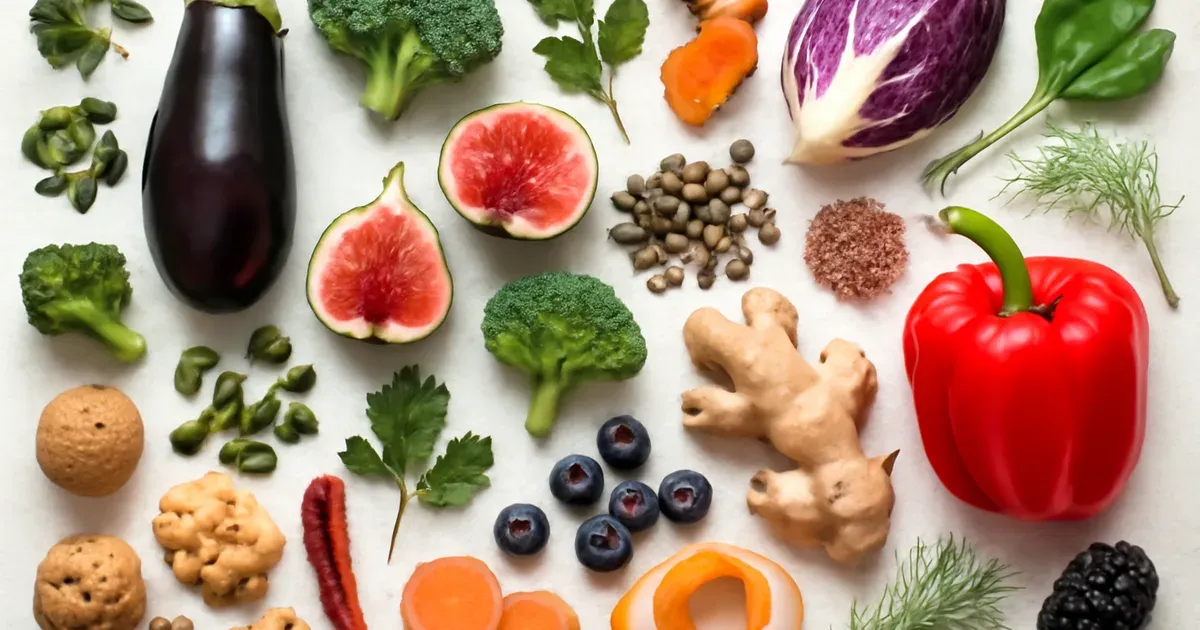
Diversity is the hallmark of a healthy microbiome — and research from the British Gut Project, led by scientists at King's College London, has demonstrated a clear link between the number of different plant foods consumed weekly and the richness of the gut microbiome. Participants who ate 30 or more different plant types per week had significantly more diverse gut bacteria than those who ate fewer than 10.
This matters because a diverse microbiome is a resilient microbiome. Different bacterial species perform different functions — fermenting different fibres, producing different metabolites, moderating different immune pathways. Monoculture eating starves the majority of your microbial community.
How to do it:
- Count plants broadly: vegetables, fruit, wholegrains, legumes, nuts, seeds, herbs, and spices all count.
- Rotate your staples weekly rather than defaulting to the same five vegetables.
- Add a small handful of mixed seeds (flaxseed, pumpkin, sunflower, chia) to porridge or salads.
- Use herbs liberally — fresh or dried. Even a pinch of turmeric or oregano contributes to your plant tally.
This approach aligns neatly with NHS gut health guidance encouraging variety, and it costs no more than your current food shop.
Step 3: Introduce Fermented Foods to Seed Beneficial Bacteria
Fermented foods are live microbial cultures delivered directly into your digestive system. A landmark 2021 study from Stanford University (replicated in principle by UK microbiome research at the University of Reading) found that a diet high in fermented foods increased microbiome diversity and reduced inflammatory markers more effectively than a high-fibre diet alone — especially over a short intervention period.
For UK readers, this means looking beyond imported trends. Traditionally fermented foods are increasingly accessible in British supermarkets: live-culture yoghurt, kefir, raw sauerkraut, kimchi, miso, tempeh, and unpasteurised apple cider vinegar are all widely available.
How to do it:
- Start with one serving of live yoghurt or kefir daily (check labels for "live and active cultures").
- Add a tablespoon of raw sauerkraut or kimchi to a meal three to four times per week.
- Use miso paste as a base for soups and sauces — it takes seconds and adds umami depth.
- Avoid heating fermented foods above 45°C, which kills the beneficial bacteria.
Pro tip: For those following a 2023 review on microbiome and therapeutic interventions, individual microbiome composition shapes how well you respond to any given dietary intervention — so personalisation is key. Start small and observe.

Step 4: Regulate Stress to Protect the Gut–Brain Axis
Chronic stress is one of the most underestimated destroyers of gut health in the UK today. The HPA axis — your body's central stress-response system — directly alters gut motility, gut permeability, and microbial composition when chronically activated. In plain terms: sustained stress changes who lives in your gut, and not for the better.
The vagus nerve acts as the main superhighway of the gut-brain connection. When you are in a prolonged state of sympathetic nervous system activation ("fight or flight"), vagal tone drops, intestinal transit time changes, and the microbial balance shifts towards less favourable species. This can manifest as irritable bowel symptoms, bloating, or changes in mood and concentration — a feedback loop that is frustratingly self-reinforcing.
How to do it:
- Practice slow, diaphragmatic breathing for five minutes before meals — this activates the parasympathetic nervous system and primes the gut for digestion.
- Regular gentle exercise (even a 20-minute brisk walk) has been shown to increase microbial diversity and reduce cortisol levels, per NHS physical activity guidelines.
- Limit ultra-processed food during high-stress periods; stress plus poor diet compounds microbiome disruption faster than either alone.
- Consider NHS-approved talking therapies (CBT is available via IAPT in England) if psychological stress is chronic — the gut-brain connection means that treating one genuinely benefits the other.
Step 5: Optimise Sleep for Overnight Microbiome Repair
Sleep and your microbiome are locked in a reciprocal relationship that UK chronobiology research is only beginning to fully illuminate. The gut microbiome follows a circadian rhythm of its own. Disrupted sleep — whether from shift work (a significant public health issue in the UK), late-night screen use, or poor sleep hygiene — has been associated with reduced microbial diversity and elevated gut permeability.
Conversely, a healthier microbiome appears to support better sleep quality, partly through the gut's role in producing melatonin precursors and regulating the HPA axis. This bidirectional dynamic means that improving sleep is one of the highest-leverage actions you can take to improve gut health naturally — and it costs nothing.
How to do it:
- Aim for seven to nine hours per night, consistent with NHS sleep guidelines.
- Keep a regular sleep-wake schedule, even at weekends — this stabilises your circadian rhythm and, by extension, your microbial rhythms.
- Avoid eating within two hours of bedtime; late-night eating disrupts the gut's natural overnight "rest and repair" phase.
- Reduce blue light exposure from screens in the hour before bed using night-mode settings or blue-light-filtering glasses.

Step 6: Be Mindful of Antibiotics and Medications That Disrupt the Microbiome
Antibiotics save lives, but they are not microbiome-neutral. A single course of broad-spectrum antibiotics can reduce gut microbial diversity by up to 30%, with some species taking months to recover — and some never fully returning. In the UK, NHS guidance already encourages antibiotic stewardship; from a gut health perspective, this matters more than most people realise.
Beyond antibiotics, emerging UK microbiome research — including work informed by the kind of psychopharmacology reviewed in a 2023 paper on the microbiome and the psychedelic renaissance — suggests that various common medications, including certain antidepressants, antipsychotics, proton pump inhibitors (PPIs), and non-steroidal anti-inflammatory drugs (NSAIDs), alter microbial composition in ways that can affect both physical and mental health outcomes.
How to do it:
- Always complete prescribed antibiotic courses, but discuss with your GP whether the prescription is truly necessary before accepting it.
- After a course of antibiotics, prioritise fermented foods and fibre-rich eating for four to six weeks to support microbiome recovery.
- Review any long-term medications with your GP if you are experiencing persistent gut symptoms — some have microbiome-disrupting side effects that may be manageable.
- Do not self-prescribe probiotics as a blanket fix; strain specificity matters, and the British Dietetic Association (BDA) recommends seeking evidence-based guidance on which strains suit which conditions.
What to Expect: A Realistic Timeline
The microbiome responds faster than most people expect — but meaningful, lasting change takes sustained effort.
- Week 1–2: Reduced bloating and more regular digestion as fibre and fermented foods begin to shift microbial balance. Some temporary gas is normal.
- Week 3–4: Improved energy levels and early mood stabilisation as SCFA production increases and inflammation begins to ease.
- Month 2–3: Noticeable changes in stress resilience, sleep quality, and cognitive clarity as the gut-brain axis recalibrates.
- Month 4–6: Sustained microbiome diversity improvements, measurable if you use a home testing kit such as those offered by UK companies building on British Gut Project methodology.
Mistakes That Slow Your Progress
- Changing everything at once. Your microbiome needs gradual shifts. Dramatic dietary overhauls can cause dysbiosis temporarily and put you off the whole approach.
- Relying on a single probiotic supplement without dietary change. Supplements cannot compensate for a low-fibre, low-diversity diet.
- Ignoring stress and sleep while focusing only on food. The gut-brain connection means psychological and lifestyle factors are equally important levers.
- Pasteurised "probiotic" drinks marketed as gut health products often contain minimal live cultures after processing. Check for "live and active cultures" on the label.
- Giving up after two weeks. Microbiome shifts take time. The science is clear: consistency over six to twelve weeks produces the most robust changes.
What Can Help You Get There Faster
Dietary tracking tools such as the NHS Food Scanner app can help you monitor plant variety and fibre intake without obsessive calorie counting — useful during the early stages of building gut-healthy habits.
Home microbiome testing from UK-based providers (several operate within the British Gut Project framework) gives you a personalised snapshot of your microbial composition. This can help identify specific dietary gaps and track progress over time — moving you closer to the personalised medicine model that UK microbiome research in the UK is actively building towards.
Evidence-based probiotic supplements — when chosen by strain and condition rather than brand, and ideally discussed with a BDA-registered dietitian — can be a useful adjunct to dietary change, particularly following antibiotic use or during periods of high stress.
Your 6-Step Gut Health Checklist
✅ Audit and increase fibre intake to 30g daily (UK NHS target) ✅ Eat 30+ different plant types per week for microbiome diversity ✅ Add one daily serving of live fermented food ✅ Practise daily stress regulation to protect the gut–brain axis ✅ Prioritise seven to nine hours of consistent, good-quality sleep ✅ Be antibiotic-aware and review microbiome-disrupting medications with your GP
Closing Thoughts
Your gut is not a passive digestive organ — it is an active, dynamic ecosystem that talks to your brain every hour of every day. The exciting frontier of microbiome UK research is revealing just how central this relationship is to how we think, feel, and function. The six steps above are not a cure, but they are evidence-grounded, accessible starting points that align with NHS gut health principles and the best available British and international science.
You do not need to do this perfectly. Start with one step this week. Your microbiome will notice.
You might also like
- How to Improve Gut Health Naturally in 6 Steps
- Oral–Gut Microbiome Axis: Your Questions Answered
- Your Mouth & Your Gut: The Oral Microbiome
Frequently Asked Questions
How quickly can I improve my gut health naturally?
Most people notice early digestive improvements within one to two weeks of increasing fibre and fermented food intake. Meaningful changes in mood, energy, and microbiome diversity typically emerge over two to three months of consistent effort.
Is the gut-brain connection supported by NHS or UK research?
Yes. The gut-brain connection is well-established in peer-reviewed science and is increasingly informing NHS pathways. UK institutions including King's College London, the University of Reading, and Imperial College London are at the forefront of microbiome UK research exploring this link.
Do I need to buy probiotic supplements to improve gut health in the UK?
Not necessarily. The British Dietetic Association advises that dietary sources of live bacteria (kefir, live yoghurt, raw sauerkraut) and prebiotic fibre are the foundation. Supplements can help in specific circumstances — such as after antibiotics — but should be strain-specific and ideally discussed with a registered dietitian.
Can improving gut health help with anxiety or depression?
Emerging evidence suggests yes, via the gut-brain axis. A healthier microbiome appears to support more stable mood, reduced inflammation, and better stress resilience. This does not replace NHS-recommended treatments for clinical anxiety or depression, but it can be a meaningful complementary strategy.
What is the British Gut Project and how is it relevant?
The British Gut Project, based at King's College London, is one of the world's largest citizen science microbiome studies. It has produced invaluable UK population data on how diet, lifestyle, and health conditions relate to gut microbiome composition — directly informing personalised gut health guidance for UK adults.
96 Bacterial Strains. Two Shots a Day.
GOODIE is an award-winning fermented drink with 96 live bacterial strains — more than any yogurt or kombucha — never pasteurised, clinically tested, and 8 in 10 users felt less bloating within 14 days. Curious?