Gut Microbiome Sweeps Spread Globally Within Decades
A Nature study finds genome-wide selective sweeps shape the gut microbiome, spreading bacterial strains globally within decades in epidemic-like patterns.

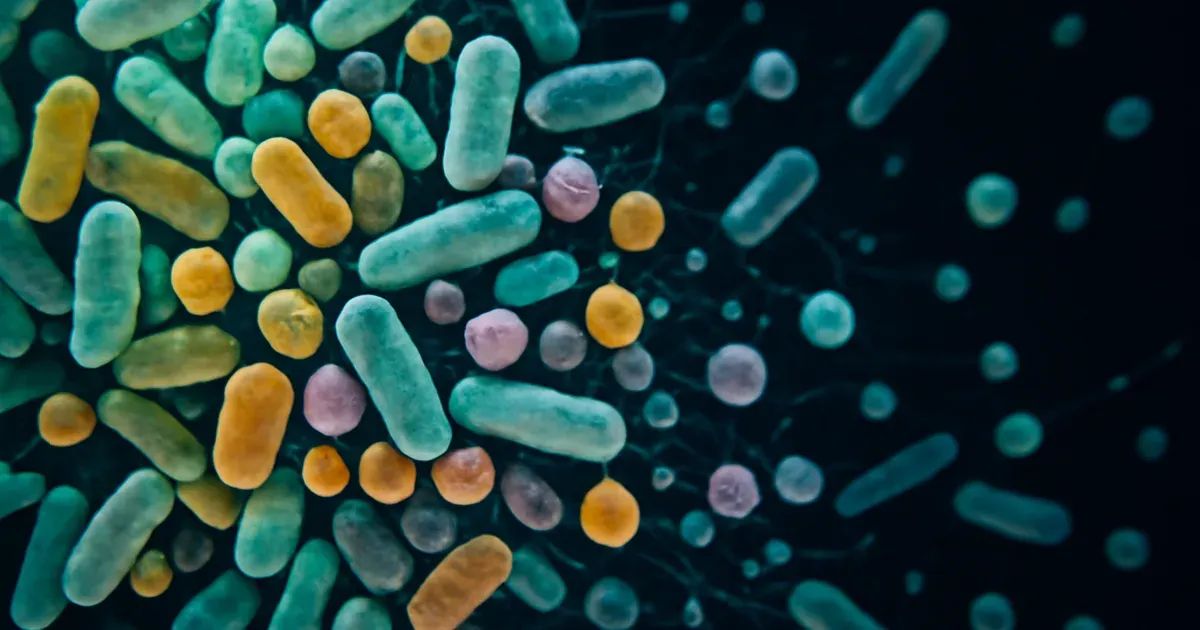
A landmark study published in Nature on 6 May 2026 has found that genome-wide selective sweeps — events in which a beneficial genetic variant rapidly displaces competing strains — are a pervasive and previously underappreciated mechanism shaping the human gut microbiome, spreading globally across human populations within decades in patterns researchers describe as epidemic-like.
Why This Matters for Gut Health Research
The human gut microbiome is increasingly recognised as a central pillar of health, influencing everything from immunity and metabolism to what scientists now call the gut-brain connection. Understanding how bacterial populations within the gut evolve and differentiate is essential for developing targeted microbiome-based therapies. In the UK, organisations such as the Wellcome Trust and the MRC have invested heavily in microbiome UK research, and findings like these could reshape how scientists model microbial diversity and its links to disease.
What the Study Found
The research team, led by Xiaoqian Annie Yu, Cameron R. Strachan, and colleagues from institutions including the University of Vienna and the University of Trento, analysed a collection of 19,837 publicly available isolate genomes drawn from the Unified Human Gastrointestinal Genome (UHGG) catalogue. According to the researchers, genome-wide selective sweeps create ecologically distinct bacterial units within the gut, producing population structures that mirror the spread of epidemic strains. The study found these sweeps can traverse the world within decades, suggesting gut microbial evolution is far more dynamic — and geographically interconnected — than previously understood.
What This Means for Understanding Your Gut
For health-conscious adults in the UK seeking to improve gut health naturally, this research offers a new lens on why the gut microbiome varies between individuals and populations. The findings suggest that dominant bacterial strains in the gut are not static but are continuously shaped by selective pressures from host and environmental factors — including, potentially, diet. As UK microbiome research accelerates through projects like the British Gut Project, insights into how microbial lineages compete and spread may one day inform NHS gut health strategies and personalised dietary guidance aligned with the UK Eatwell Guide.
This study represents a significant step in mapping how bacterial evolution drives the ecological structure of the human gut microbiome. According to the researchers, the mechanism they identified — genome-wide selective sweeps — may prove to be a unifying principle explaining how microbial populations differentiate in health and disease, with implications for microbiome science both in the UK and worldwide.
You might also like
- Coffee May Shape Gut Bacteria and Influence Mood
- How to Support Gut-Brain Health in 6 Steps
- Protein vs Fibre: What Your Gut Health Needs
96 Bacterial Strains. Two Shots a Day.
GOODIE is an award-winning fermented drink with 96 live bacterial strains — more than any yogurt or kombucha — never pasteurised, clinically tested, and 8 in 10 users felt less bloating within 14 days. Curious?