Gut Microbiome Linked to Suicidal Tendencies
A microbial signature linked to suicidal tendencies has been identified, with diet and the gut-brain connection offering a potentially modifiable risk factor.

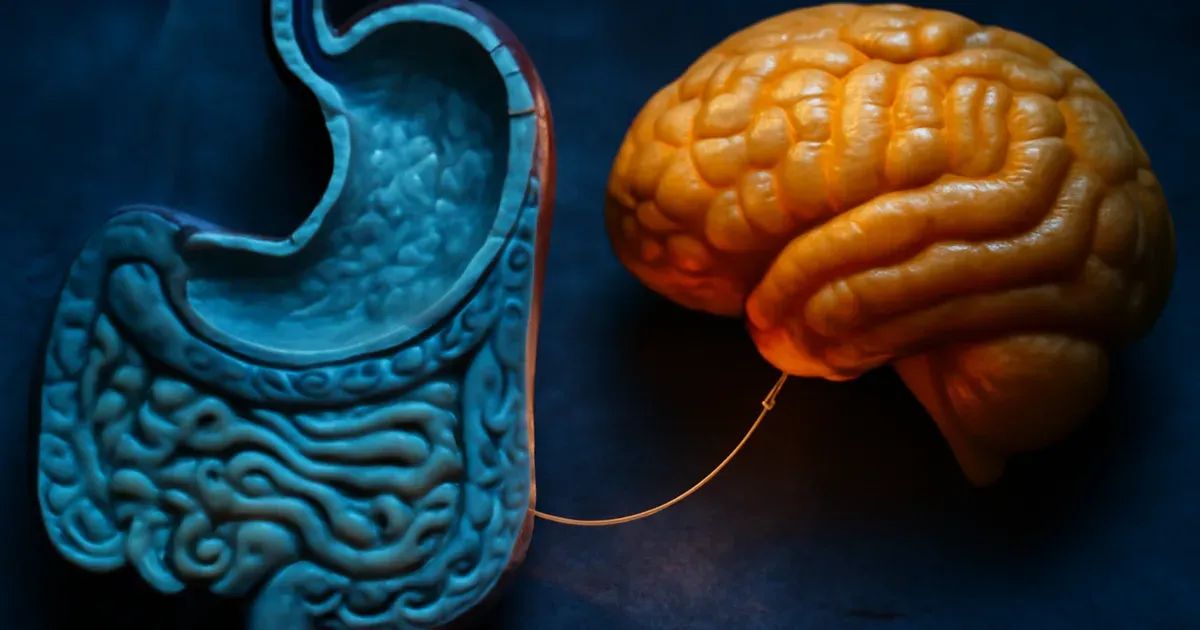
A distinct microbial signature in the gut may be associated with suicidal tendencies, according to a report published by Psychology Today on 30 April 2026. The piece, authored by Scott C. Anderson, highlights that suicide is the second leading cause of death among people aged 18 to 29, and argues that the gut-brain connection offers a modifiable risk factor — one that dietary changes may meaningfully address.
Why This Matters
Mental health and gut health are increasingly understood as deeply intertwined, with UK microbiome research at institutions such as King's College London and the University of Oxford contributing to a growing body of evidence. In the UK, suicide remains a significant public health concern, with NHS data consistently showing it as a leading cause of premature death among young adults. The idea that gut integrity and systemic inflammation — both influenced by diet — may play a role in mood regulation and suicidal ideation adds a new and actionable dimension to existing mental health frameworks.
A Microbial Signature and What the Research Suggests
Per the Psychology Today report, researchers have identified specific patterns in the gut microbiome that appear linked to suicidal tendencies. The mechanism, according to the source, is thought to involve gut integrity — when the gut lining is compromised, inflammation can increase, and that inflammation has downstream effects on brain chemistry and mood. Anderson notes that this is not purely deterministic: the composition of the gut microbiome is shaped in part by diet, which means the risk factor is, to a degree, within individual control. The gut-brain axis — the bidirectional communication pathway between the digestive system and the brain — is central to this process.
What This Means for UK Readers
For health-conscious adults in the UK looking to improve gut health naturally, the findings suggest that dietary choices may do more than support digestion — they could also support emotional resilience. A diet aligned with the UK Eatwell Guide, rich in dietary fibre, fermented foods, and plant diversity, is understood to promote a healthier microbiome. The British Dietetic Association already recommends high-fibre diets for overall wellbeing; this emerging research suggests mental health benefits may be an additional reason to prioritise gut health in the UK.
The research, as summarised by Psychology Today, underscores that while suicidal tendencies have many causes — social, psychological, and biological — the role of the gut microbiome represents a factor that individuals and clinicians may be able to address directly. Improving gut integrity, reducing inflammation through diet, and nurturing a diverse microbiome are steps that, according to the source, may contribute to improved mood and reduced psychological distress.
If you or someone you know is struggling, contact the Samaritans (UK) on 116 123, available 24 hours a day.
You might also like
- Gut-Brain Connection & Psychedelics: Your Questions Answered
- Six Subtle Coeliac Disease Symptoms to Never Ignore
- Gut Health UK: Lifestyle Medicine & Your Microbiome
96 Bacterial Strains. Two Shots a Day.
GOODIE is an award-winning fermented drink with 96 live bacterial strains — more than any yogurt or kombucha — never pasteurised, clinically tested, and 8 in 10 users felt less bloating within 14 days. Curious?