Gut Health UK: Lifestyle Medicine & Your Microbiome
Discover how lifestyle medicine's six pillars directly shape your gut microbiome and gut-brain connection — with practical, NHS-aligned steps for UK adults.


Most chronic diseases plaguing UK adults today — from type 2 diabetes to cardiovascular disease — aren't inevitable. Research increasingly shows they're deeply tied to lifestyle choices, and at the centre of that story is one surprisingly influential actor: your gut microbiome. Understanding the link between lifestyle medicine and your gut could be the most empowering health insight you'll read this year.
In the UK, chronic conditions cost the NHS billions annually, and the British Dietetic Association (BDA) continues to highlight poor diet as a primary driver. Yet a growing body of evidence suggests that by addressing the six pillars of healthy living — and deliberately nurturing your microbiome — you can dramatically reduce your risk of many of these conditions.
What Is Lifestyle Medicine and Why Does It Matter for Gut Health UK?
Lifestyle medicine (LM) is a clinical approach that uses evidence-based, whole-person lifestyle changes as the primary means of preventing, treating, and sometimes reversing chronic illness. Rather than reaching immediately for a prescription pad, practitioners trained in LM focus on six core pillars: a whole-food, plant-predominant diet, regular physical activity, restorative sleep, stress management, avoidance of risky substances, and positive social connections.
These pillars aren't new. Hippocrates — widely regarded as the father of medicine — urged physicians as far back as ancient Greece to consider diet, exercise, sleep, and alcohol alongside any disease. What is new is the scientific rigour now applied to these principles, and the exciting realisation that each pillar directly shapes your gut microbiome.
In the UK, NHS guidelines and the Eatwell Guide already nudge us towards many of these habits, yet uptake remains low. Landmark studies — including the Diabetes Prevention Programme and the Framingham Heart Study — have cemented LM as a leading paradigm in modern medicine, demonstrating that sustained lifestyle changes can reverse or significantly reduce many costly chronic diseases.
The Microbiome: Your Body's Most Overlooked Organ
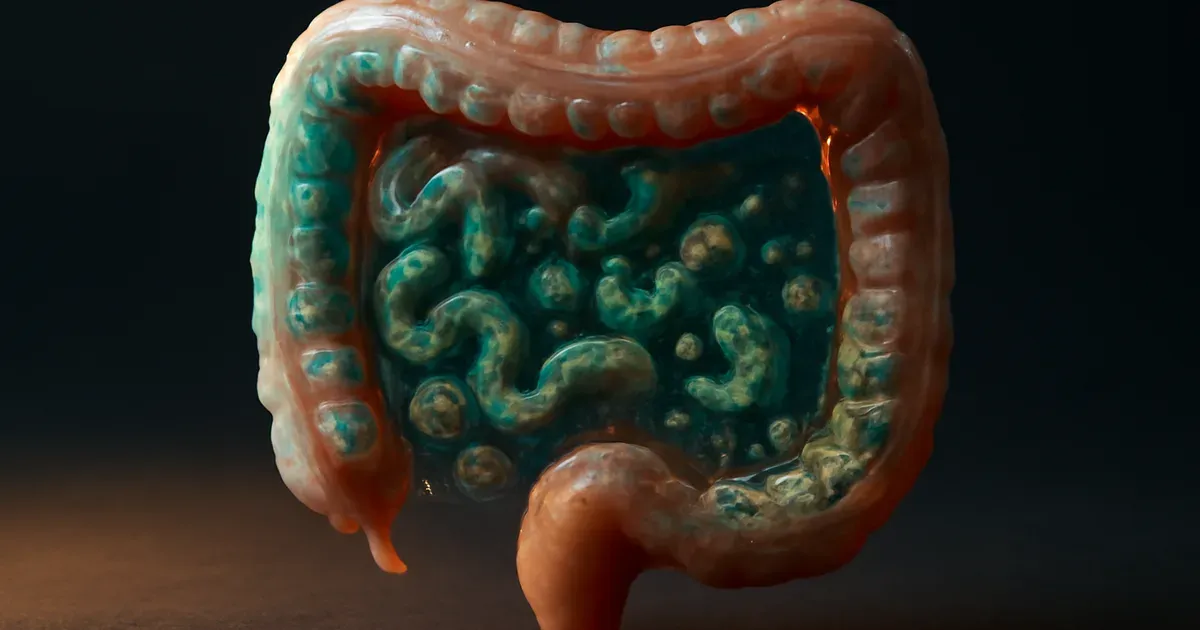
Your gut microbiome is a vast, dynamic community of bacteria, archaea, viruses, and fungi living primarily in your large intestine. Each millilitre of the large intestine contains approximately 100 billion microbial cells — a density that dwarfs any other organ or surface in the human body. Research estimates that between 150 and 400 species reside in a typical person's gut, with most belonging to the Bacteroidetes, Firmicutes, Actinobacteria, and Proteobacteria phyla.
The composition of this community is remarkably personal. Data from the Human Microbiome Project and large-scale metagenomic databases reveal roughly 3,000 bacterial species isolated from human faecal samples worldwide, yet the precise mix within any one individual is unique — shaped by genetics, birth history, diet, environment, and medication use. UK Biobank and the British Gut Project have contributed significantly to our understanding of microbiome diversity in the British population, revealing how lifestyle factors cluster with particular microbial profiles.
Crucially, the microbiome is modifiable. Unlike your genome, you can meaningfully shift its composition through the choices you make every day — which is precisely where lifestyle medicine becomes so powerful.
The Gut-Brain Connection: More Than a Metaphor
The gut-brain connection is one of the most compelling frontiers in contemporary health science, and UK institutions including King's College London, the University of Oxford, and UCL are at the forefront of this research. The gut and brain communicate via the vagus nerve, the enteric nervous system, immune signalling molecules, and microbially produced metabolites — a bidirectional highway known as the gut-brain axis.
When the microbiome is in balance, it produces short-chain fatty acids (SCFAs), neurotransmitter precursors such as serotonin, and anti-inflammatory compounds that support mood, cognition, and stress resilience. Approximately 90% of the body's serotonin — the neurotransmitter most associated with mood regulation — is produced in the gut. This means that a disrupted microbiome doesn't just affect digestion; it can contribute to anxiety, depression, and cognitive fog.
Microbial dysbiosis — an imbalance in the gut microbial community — is increasingly linked to mental health disorders as well as physical ones. An unhealthy diet, sedentary behaviour, chronic stress, and certain medications can all tip the balance towards dysbiosis, triggering inflammatory pathways that play a central role in conditions ranging from obesity and type 2 diabetes to cardiovascular disease and depression. For UK adults living under sustained work and financial pressures, this gut-brain feedback loop deserves serious attention.
How Your Microbiome Develops — From Birth to Adulthood
The story of your microbiome begins at birth. During vaginal delivery, babies are colonised by their mother's vaginal and gut microbiota, dominated by Lactobacillus, Prevotella, and Sneathia species. Babies born by caesarean section, by contrast, are initially colonised by skin and environmental microbes — Staphylococcus, Corynebacterium, and Propionibacterium species — a difference that some researchers suggest has measurable long-term immune implications.
Breastfeeding further shapes the infant microbiome by supplying beneficial bacteria and human milk oligosaccharides that selectively feed specific microbial communities. By the time a child is around three years old, their microbiome begins to resemble that of an adult in both diversity and stability. Early disruptions — antibiotic use, formula feeding, or limited environmental exposure — can leave lasting imprints on immune and metabolic health.
For adults in the UK, the trajectory of microbiome health is heavily influenced by the British diet — which, studies suggest, remains low in fibre and high in ultra-processed foods. The NHS recommends 30g of dietary fibre per day; the average UK adult consumes only around 18g. This fibre gap is one of the most straightforward targets for improving gut health naturally.

Six Lifestyle Pillars That Directly Shape Your Gut Microbiome
Each of the six pillars of lifestyle medicine acts on the microbiome in measurable, evidence-backed ways. Understanding these connections transforms abstract health advice into a coherent, microbiome-centred strategy.
1. Whole-food, plant-predominant eating is the single most powerful lever for microbiome diversity. Dietary fibre from vegetables, legumes, wholegrains, and fruit feeds beneficial bacteria, promoting the production of SCFAs like butyrate — a key fuel for gut lining cells and a potent anti-inflammatory agent. Research from the University of Reading has highlighted how specific plant polyphenols and prebiotic fibres selectively enrich beneficial species such as Bifidobacterium and Lactobacillus.
2. Regular physical activity has been shown to increase microbial diversity independently of diet. Studies suggest that even moderate exercise — brisk walking, cycling, swimming — can shift the gut towards a more anti-inflammatory profile. The NHS's recommendation of at least 150 minutes of moderate activity per week is therefore a microbiome prescription as much as a cardiovascular one.
3. Restorative sleep matters more for your gut than most people realise. Sleep deprivation alters gut permeability and disrupts the circadian rhythms that many gut bacteria follow. Poor sleep patterns — a widespread issue in the UK — are associated with reduced microbial diversity and increased markers of intestinal inflammation.
4. Stress management is directly relevant to gut health through the gut-brain axis. Chronic psychological stress elevates cortisol, alters gut motility, increases intestinal permeability (sometimes called "leaky gut"), and shifts microbial composition towards pro-inflammatory species. Mindfulness-based approaches, social support, and cognitive behavioural techniques all show promise in modulating this pathway.
5. Avoiding risky substances — particularly tobacco, excess alcohol, and recreational drugs — protects the gut lining and preserves microbial balance. Alcohol in excess is directly toxic to beneficial gut bacteria and promotes the growth of pathogenic species. Smoking alters oral and gut microbial communities in ways linked to inflammatory bowel disease and colorectal cancer risk.
6. Positive social connections may seem the most distant from gut biology, but loneliness and social isolation are associated with chronic low-grade inflammation and dysbiosis — likely mediated through stress hormones and sleep disruption. In the UK, where loneliness has been described as a public health epidemic, this pillar carries particular weight.

Improve Gut Health Naturally: Practical Steps for UK Adults
The good news is that the microbiome responds relatively quickly to positive lifestyle changes — sometimes within days. A review on lifestyle medicine and the microbiome highlights how holistic, practitioner-led approaches that combine dietary change, movement, and stress reduction can shift microbial composition in clinically meaningful ways.
Here are evidence-based, NHS-aligned steps to improve gut health naturally:
- Increase dietary fibre gradually to the NHS target of 30g per day. Prioritise a variety of plant foods — aim for 30 different plant species per week, a target endorsed by findings from the British Gut Project.
- Eat fermented foods such as live yoghurt, kefir, sauerkraut, and kimchi to introduce beneficial microbes directly.
- Reduce ultra-processed food intake, which is associated with reduced microbial diversity and increased gut inflammation.
- Move daily — even a 20-minute walk contributes to a healthier gut environment.
- Protect your sleep by maintaining consistent sleep and wake times, limiting screen exposure before bed, and keeping your bedroom cool and dark.
- Manage stress actively — whether through yoga, walking in nature, social connection, or professional support via NHS talking therapies.
- Use antibiotics judiciously and always complete courses as prescribed to minimise collateral damage to the microbiome.
Speak to your GP or a registered dietitian — the BDA has a directory of dietitians specialising in gut health across the UK — if you're experiencing persistent digestive symptoms, mood disturbances, or unexplained fatigue that may signal dysbiosis.
The Bottom Line
Gut health in the UK is at a crossroads. The science linking the microbiome to chronic disease, mental health, and overall wellbeing is no longer fringe — it is mainstream, supported by institutions from the Wellcome Trust to the MRC, and increasingly embedded in NHS clinical thinking. Lifestyle medicine offers a compelling framework: treat the six pillars of healthy living not as separate habits but as an integrated system, with the microbiome at its heart.
Your gut microbiome is not fixed. Every meal, every walk, every decent night's sleep is an opportunity to shift it towards greater diversity, resilience, and health. That is one of the most empowering findings in modern medicine — and it starts with choices you can make today.
You might also like
- How to Improve Gut Health With Meditation Naturally
- Gut Health Breath Tests Explained: Your Questions Answered
- Your Oral Microbiome & Gut Health: What to Know
Frequently Asked Questions
What is the gut microbiome and why does it matter for UK health?
The gut microbiome is the community of trillions of microorganisms — bacteria, viruses, fungi, and archaea — living primarily in your large intestine. It regulates digestion, immune function, mood, and metabolism. In the UK, poor dietary habits and high antibiotic use mean many adults have a less diverse microbiome than is optimal, increasing risk of chronic disease.
How does the gut-brain connection affect mental health?
The gut and brain communicate constantly via the vagus nerve and shared signalling molecules. A disrupted microbiome can reduce production of serotonin and other mood-regulating compounds, contributing to anxiety and depression. Research from King's College London and UCL is helping map these pathways and inform new therapeutic approaches.
Can I improve my gut health naturally without supplements?
Yes — dietary and lifestyle changes are the most evidence-based route to a healthier microbiome. Increasing fibre intake, eating a wide variety of plant foods, exercising regularly, sleeping well, and managing stress all demonstrably shift gut bacteria in positive directions. Probiotic supplements may help in specific circumstances, but food-first approaches are recommended by the BDA.
How quickly can lifestyle changes improve my microbiome?
Some studies show measurable shifts in gut bacterial composition within 3–5 days of dietary change. However, meaningful, lasting improvements typically require sustained habit change over weeks and months. The microbiome is dynamic and responds to each meal, so consistency matters more than perfection.
What NHS resources are available for gut health in the UK?
The NHS offers dietary advice via the Eatwell Guide, GP-referral to registered dietitians, and access to NHS talking therapies for stress and anxiety — all of which support gut health indirectly or directly. The British Gut Project also allows UK residents to sequence their own microbiome and contribute to citizen science research.
96 Bacterial Strains. Two Shots a Day.
GOODIE is an award-winning fermented drink with 96 live bacterial strains — more than any yogurt or kombucha — never pasteurised, clinically tested, and 8 in 10 users felt less bloating within 14 days. Curious?