How to Improve Gut Health Naturally in 6 Steps
Six science-backed steps to improve gut health naturally, grounded in UK microbiome research and the gut-brain connection — no fad diets needed.

You've tried cutting out gluten. You've spent a small fortune on probiotic drinks. You've googled "gut health UK" at 11 pm more times than you care to admit — and yet the bloating, brain fog, and low energy are still there.
You're not imagining it, and you're not alone. Millions of people in the UK are living with digestive discomfort, disrupted mood, and fatigue that doctors struggle to pin down. The latest science suggests that much of this may trace back to one place: the balance of microbes living in your gut.
The good news? You don't need a dramatic overhaul. These six evidence-based steps can meaningfully shift your gut microbiome — and by extension, your overall health — starting today.
Why Poor Gut Health Happens in the First Place
The gut microbiome is not a single organ — it's a living ecosystem of trillions of bacteria, fungi, and viruses that influence everything from digestion to immune function to mood. Research from King's College London and the British Gut Project has shown that diversity in this ecosystem is one of the strongest markers of gut health.
Several factors common in modern UK life disrupt this diversity:
- Ultra-processed food: The British diet has shifted dramatically toward ultra-processed products, which are typically low in fibre and high in emulsifiers that damage the gut lining.
- Antibiotic overuse: The NHS prescribes millions of antibiotic courses each year; while often necessary, they can wipe out beneficial bacterial strains for months.
- Chronic stress: The gut-brain connection is bidirectional — stress hormones alter gut motility and microbial composition, while a disrupted microbiome signals distress back to the brain via the vagus nerve.
- Oral health neglect: Emerging microbiome UK research — including a landmark review on the oral–gut microbiome axis — shows that harmful bacteria originating in the mouth can travel to the intestinal mucosa and reshape gut microbial communities when the gut barrier is compromised.
- Sedentary behaviour: Physical inactivity reduces the production of short-chain fatty acids (SCFAs), compounds that feed the gut lining and keep inflammation in check.
Understanding these root causes is the first step toward fixing them.
Step 1: Feed Your Microbiome With More Fibre
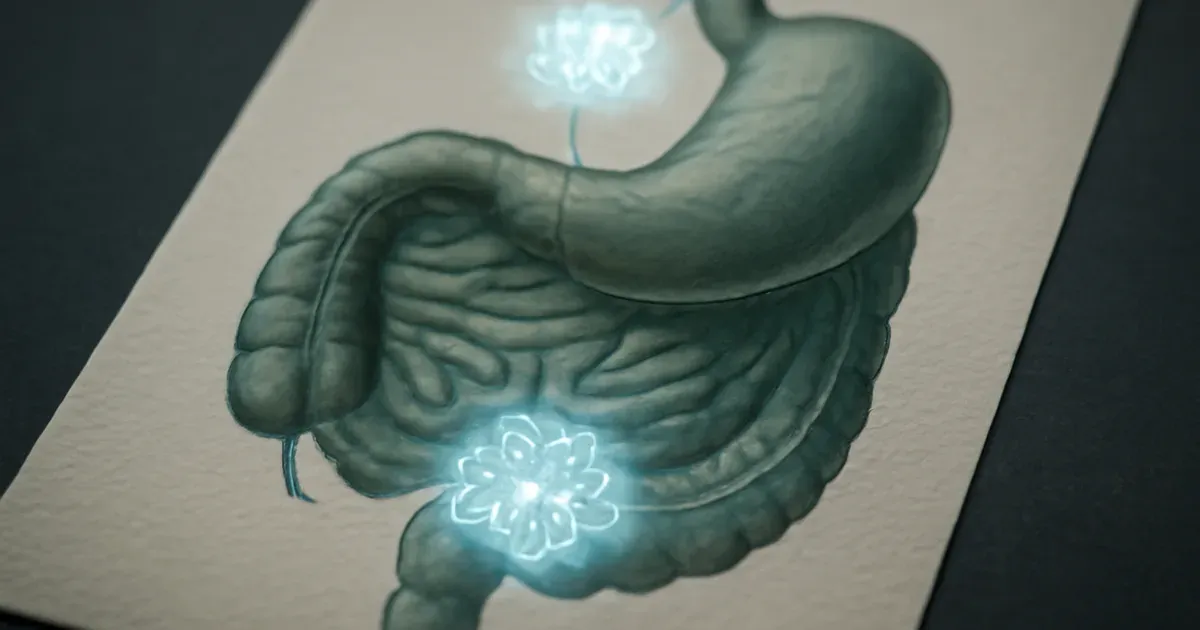
Dietary fibre is the single most important nutrient for your gut bacteria — and most people in the UK fall well short of the recommended 30g per day set out in the UK Eatwell Guide. The British Nutrition Foundation consistently highlights this gap as a key public health concern.
Fibre-rich foods act as prebiotics — essentially food for your beneficial gut bacteria. When bacteria ferment fibre in the colon, they produce SCFAs like butyrate, propionate, and acetate, which strengthen the gut lining, reduce inflammation, and even communicate with the brain through the gut-brain connection.
How to do it:
- Swap white bread and pasta for wholegrain versions.
- Add a tablespoon of ground flaxseed to porridge or yoghurt.
- Include at least two portions of legumes (lentils, chickpeas, beans) per week.
- Aim for 30 different plant foods per week — a target championed by the British Gut Project based on research showing it correlates with significantly higher microbiome diversity.
Pro-tip: Increase fibre gradually over two to three weeks to avoid wind and bloating, which are common when the microbiome is adjusting.
Step 2: Prioritise Fermented Foods Daily
Fermented foods deliver live microorganisms directly into your digestive system, potentially boosting both the number and diversity of beneficial bacteria. Researchers at the University of Reading have been particularly active in studying how fermented dairy products influence gut microbial populations in UK cohorts.
You don't need specialist health-food shop products. Affordable, widely available options include:
- Natural or Greek-style live yoghurt (check the label for "live cultures")
- Kefir — now stocked in most major UK supermarkets
- Unpasteurised sauerkraut or kimchi
- Miso paste stirred into soups or sauces
- Kombucha (opt for low-sugar varieties)
A 2021 Stanford study found that adding fermented foods to the diet increased microbiome diversity and reduced inflammatory markers — a result that is consistent with UK microbiome research findings about the importance of microbial variety. Start with a small portion daily and build up; jumping in too fast can cause temporary digestive upset.

Step 3: Protect the Oral–Gut Axis
One of the most overlooked aspects of gut health is what happens in your mouth. The oral cavity and the gut are the two largest microbial ecosystems in the human body. According to the human oral microbiome database, the mouth alone hosts approximately 700 species of microorganisms.
When harmful oral bacteria — such as certain strains of Fusobacterium and Porphyromonas — are swallowed in large numbers, they can breach the gut barrier and reshape the gut microbiome in ways linked to inflammatory bowel conditions and even gastrointestinal cancers. This oral–gut microbiome axis is an area of rapidly growing NHS gut health research.
Practical steps to protect this axis:
- Brush teeth twice daily using fluoride toothpaste and replace your toothbrush every three months.
- Floss or use interdental brushes daily to reduce pathogenic subgingival bacteria.
- Attend regular NHS dental check-ups — oral dysbiosis is often silent.
- Reduce alcohol and sugar intake, both of which feed harmful oral bacteria.
- Stay hydrated; saliva acts as a natural antimicrobial wash for the mouth.
The gut-brain connection amplifies this too: poor oral health has been independently associated with higher levels of systemic inflammation, which in turn affects mood and cognitive function through the gut-brain axis.
Step 4: Manage Stress Through the Gut-Brain Connection
Stress is not just a mental health issue — it is a gut health issue. The gut-brain connection operates through the enteric nervous system (sometimes called the "second brain"), the vagus nerve, and a constant stream of chemical signals. When you are chronically stressed, cortisol and adrenaline disrupt gut motility, reduce microbial diversity, and increase intestinal permeability — what some researchers call "leaky gut."
UCL and the MRC (Medical Research Council) have both funded research in the UK into how psychological stress alters microbiome UK profiles, with findings suggesting that stress-related microbial shifts can persist for weeks after the stressor has passed.
Evidence-backed ways to calm the gut-brain axis:
- Mindfulness-based stress reduction (MBSR): NHS Talking Therapies now incorporates mindfulness for conditions including IBS, recognising the gut-brain connection as clinically significant.
- Regular moderate exercise: Even 20–30 minutes of walking daily has been shown to increase SCFA-producing bacteria.
- Consistent sleep: Gut bacteria follow circadian rhythms; irregular sleep disrupts their populations.
- Reducing alcohol: Alcohol is directly toxic to beneficial bacteria and increases intestinal permeability.

Step 5: Use Antibiotics Wisely and Rebuild Afterwards
Antibiotics save lives, but they are the most disruptive event your microbiome can experience. A single course can reduce microbial diversity by up to 30%, and some species may not recover fully for six to twelve months without active support.
The NHS already advises against unnecessary antibiotic use as part of its antimicrobial resistance strategy. If you do need a course — and sometimes you absolutely will — plan your microbial recovery:
- Take a multi-strain probiotic during and for at least four weeks after the course. Take it two hours away from the antibiotic dose so the medication doesn't kill it immediately.
- Dramatically increase prebiotic fibre intake post-course to feed recovering bacteria.
- Eat fermented foods daily in the recovery window.
- Avoid NSAIDs like ibuprofen where possible during recovery, as they can further irritate the gut lining.
Pro-tip: The British Dietetic Association (BDA) recommends discussing probiotic options with a registered dietitian if you have a history of gut conditions, as strain-specific evidence matters — not all probiotics are equal.
Step 6: Track Diversity, Not Just Symptoms
Most people judge their gut health by symptoms alone — but bloating can settle before your microbiome has truly recovered, and a diverse microbiome can exist even when symptoms are mild. Tracking your dietary diversity gives you a more reliable internal compass.
The British Gut Project, a citizen science initiative run in the UK in partnership with researchers at King's College London, has demonstrated that people who eat 30 or more different plant species per week have measurably more diverse gut microbiomes than those eating fewer than 10. This is a trackable, actionable metric.
How to track your diversity practically:
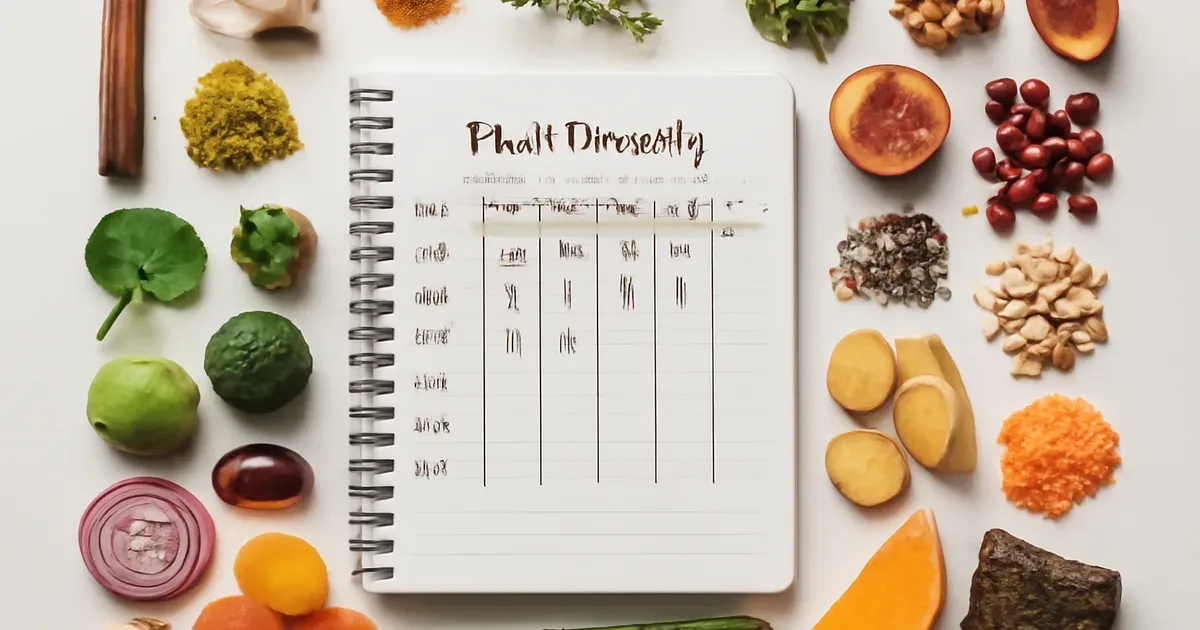
- Keep a simple weekly plant-food tally in a notes app — every fruit, vegetable, wholegrains, legume, nut, seed, herb, and spice counts as one point.
- Use the NHS Eatwell Guide as a visual framework, but aim to fill each food group with as many different species as possible.
- Rotate your staples seasonally — eating British seasonal produce naturally varies your plant intake across the year.
- Consider a home microbiome test (offered by companies such as Zoe or Biomesight, both popular in the UK) if you want data-driven feedback, though interpret results cautiously and discuss with a healthcare professional.
What to Expect: A Realistic Timeline
Gut microbiome changes can happen faster than most people expect — but sustainable improvement takes consistent effort over months, not days.
- Week 1–2: Increased fibre and fermented foods may cause temporary bloating or changes in stool consistency. This is normal — your microbiome is adjusting.
- Week 3–4: Many people notice reduced bloating, more regular bowel movements, and subtle improvements in energy and mood as the gut-brain connection begins to stabilise.
- Month 2–3: Measurable shifts in microbial diversity are detectable in stool analysis. Inflammatory markers may begin to decrease.
- Month 4–6: With consistent habits, the microbiome reaches a new, more diverse baseline. Mood stability, clearer skin, and improved immune resilience are commonly reported in the UK microbiome research literature.
- Ongoing: Diversity requires continuous feeding. A holiday week of ultra-processed food will cause a temporary dip — but a well-established microbiome bounces back more quickly.
Mistakes That Slow Your Progress
- Jumping straight to high-dose probiotics without first improving diet. Probiotics are transient visitors — without prebiotic fibre to feed them, they don't colonise.
- Ignoring oral health. The oral–gut microbiome axis means that gum disease and poor dental hygiene can continuously reseed the gut with harmful bacteria, undoing dietary gains.
- Cutting food groups entirely. Eliminating gluten or dairy without clinical reason often reduces dietary diversity, which is counterproductive for the microbiome.
- Expecting linear progress. The gut-brain connection means stress, illness, and poor sleep will cause temporary setbacks — this is biology, not failure.
- Relying on one "superfood." No single food improves gut health. Diversity across the whole diet is what the science consistently supports.
What Can Help You Get There Faster
Dietary tools: A weekly plant-diversity tracker (a simple paper tally or app) makes the 30-plants goal tangible and motivating. Stock your kitchen with a rotating variety of tinned legumes, frozen vegetables, and mixed seeds — the cheapest and most accessible diversity boosters available in UK supermarkets.
Testing and professional guidance: The British Dietetic Association maintains a register of dietitians specialising in gut health. An NHS GP referral or a private registered dietitian can help you navigate IBS, IBD, or post-antibiotic recovery with evidence-based protocols rather than guesswork.
Mind-body support: NHS Talking Therapies, gut-directed hypnotherapy (recommended by NICE for IBS), and structured mindfulness apps can all support the gut-brain connection alongside dietary changes — addressing both ends of the axis simultaneously.
Your 6-Step Gut Health Checklist
✅ Step 1: Increase dietary fibre to 30g/day using wholegrains, legumes, and 30 plant foods per week ✅ Step 2: Add at least one portion of fermented food daily (yoghurt, kefir, sauerkraut) ✅ Step 3: Protect the oral–gut axis with consistent dental hygiene and regular check-ups ✅ Step 4: Address stress through exercise, sleep, and evidence-based mind-body practices ✅ Step 5: Rebuild your microbiome after antibiotics with probiotics and high fibre intake ✅ Step 6: Track plant-food diversity weekly as your primary gut health metric
Your gut microbiome is not fixed — it is remarkably responsive to the choices you make every day. Whether you start with one extra portion of vegetables or finally book that dental check-up, each action compounds over time. The science from UK microbiome research is clear: consistent, diverse, whole-food habits are the most powerful tool you have to improve gut health naturally, support your mood through the gut-brain connection, and build long-term resilience.
You don't need to be perfect. You just need to start — and keep going.
You might also like
- Gut Health Breath Tests Explained: Your Questions Answered
- How to Improve Gut Health With Meditation Naturally
- Your Oral Microbiome & Gut Health: What to Know
Frequently Asked Questions
How long does it take to improve gut health naturally in the UK?
Most people notice initial changes — such as reduced bloating and more regular digestion — within two to four weeks of consistently increasing fibre and fermented food intake. Measurable shifts in microbiome diversity typically appear within two to three months, according to UK microbiome research. Full recovery after events like antibiotic use can take four to six months with active dietary support.
What is the gut-brain connection and why does it matter for gut health?
The gut-brain connection refers to the two-way communication system between your digestive tract and your brain, mediated by the vagus nerve, the enteric nervous system, and microbial metabolites. Research supported by the MRC and conducted at institutions including UCL has shown that gut bacteria directly influence mood, cognition, and stress responses — meaning that improving your gut health can have real benefits for mental wellbeing, and vice versa.
Can NHS doctors help with gut health and microbiome issues?
Yes. NHS GPs can investigate gut conditions including IBS, IBD, and coeliac disease through standard NHS pathways. For microbiome-specific support, a referral to a registered dietitian (available via the NHS or privately through the BDA directory) is the most evidence-based route. NICE also recommends gut-directed hypnotherapy for IBS, which is available through some NHS Talking Therapies services.
Does oral health really affect the gut microbiome?
Yes — and this is one of the most exciting areas of current microbiome UK research. The oral cavity and gut are the two largest microbial ecosystems in the body. When harmful oral bacteria are swallowed repeatedly — particularly in the context of gum disease or poor dental hygiene — they can travel to the intestinal mucosa and disrupt gut microbial balance, a pathway described as the oral–gut microbiome axis. Maintaining good oral health is therefore a legitimate and often overlooked gut health strategy.
Are probiotic supplements worth taking to improve gut health naturally?
The evidence is nuanced. Probiotics can be genuinely helpful in specific contexts — particularly after antibiotics, for certain IBS subtypes, and in conditions like antibiotic-associated diarrhoea. However, without adequate prebiotic fibre in the diet, probiotic bacteria are unlikely to colonise the gut long-term. The British Dietetic Association recommends choosing multi-strain products with documented clinical evidence and consulting a registered dietitian if you have an underlying gut condition.
96 Bacterial Strains. Two Shots a Day.
GOODIE is an award-winning fermented drink with 96 live bacterial strains — more than any yogurt or kombucha — never pasteurised, clinically tested, and 8 in 10 users felt less bloating within 14 days. Curious?