How to Improve Gut Health with Fibre (Not Just Protein)
Most UK adults eat half the fibre they need. Learn how to improve gut health naturally with 5 practical steps backed by NHS guidance and microbiome science.


You've bought the protein powder. You've tracked your macros. You've swapped your morning toast for scrambled eggs and wondered why your digestion still feels sluggish, your energy is erratic, and your gut is anything but happy. Sound familiar?
The protein craze has dominated UK health culture for years, and while protein is genuinely important, it may be crowding out the one nutrient your gut — and your long-term health — actually needs more of: fibre. Research suggests that only around 5% of people in Western populations meet their recommended daily fibre intake, with most adults consuming roughly half of what they need. Meanwhile, protein intake frequently exceeds requirements by a significant margin.
The good news? You don't need to overhaul your entire diet overnight. This guide shows you exactly how to improve gut health naturally, step by step, without giving up the foods you enjoy.
Why the Fibre Gap Happens in the First Place
Modern UK diets have drifted far from fibre-rich whole foods. Ultra-processed foods, refined grains, and convenience meals dominate supermarket shelves — and they're almost entirely stripped of fibre. The UK Eatwell Guide recommends 30 grams of fibre per day for adults, yet NHS data consistently shows that the average adult in the UK consumes closer to 18 grams. That's a substantial daily shortfall.
The high-protein trend has made things worse. When people fill their plates — and their shopping baskets — with chicken breast, protein bars, and whey shakes, they're often displacing beans, lentils, whole grains, and vegetables: the very foods that feed a healthy microbiome. This isn't a problem unique to the UK, but British diet culture has embraced high-protein eating enthusiastically, often without questioning what's being left behind.
There's also a widespread misconception that we're eating enough fibre. Consumer surveys repeatedly show that most people believe their fibre intake is adequate — even when it demonstrably isn't. This confidence gap is part of why the problem persists. Understanding why fibre matters so deeply — particularly for the gut-brain connection, the microbiome, and long-term disease prevention — is the first step towards changing habits that actually stick.
Step 1: Understand What Fibre Actually Does for Your Gut and Brain
Before you change what's on your plate, it helps to understand why fibre is so powerful. Fibre isn't just about bowel regularity — though it certainly helps with that. Dietary fibre is the primary fuel source for the trillions of microbes that make up your gut microbiome. When these microbes ferment fibre, they produce short-chain fatty acids (SCFAs) such as butyrate, propionate, and acetate. These compounds do far more than support digestion.
SCFAs play a direct role in the gut-brain connection — the two-way communication system between your digestive tract and your central nervous system, mediated largely by the vagus nerve. Researchers at institutions including King's College London and the University of Reading have linked a diverse, fibre-fed microbiome to improved mood, reduced anxiety, and better cognitive function. The gut produces roughly 90% of the body's serotonin, and a well-nourished microbiome supports this production.
Low fibre intake, by contrast, is associated with serious health risks. These include a higher risk of cardiovascular disease, type 2 diabetes, colorectal cancer, elevated cholesterol, raised blood pressure, and — in the long term — increased risk of premature death. The British Nutrition Foundation and the British Dietetic Association (BDA) both emphasise dietary fibre as a priority nutrient for UK adults. This is not a niche concern: it is a mainstream public health issue in the UK.
- Fibre feeds beneficial gut bacteria, supporting microbiome diversity
- SCFAs produced during fermentation reduce gut inflammation
- A healthy microbiome influences mood, cognition, and stress response via the gut-brain axis
- Adequate fibre is linked to healthier cholesterol, blood sugar, and body weight
- The gut-brain connection means your mental wellbeing is partly dependent on what you eat
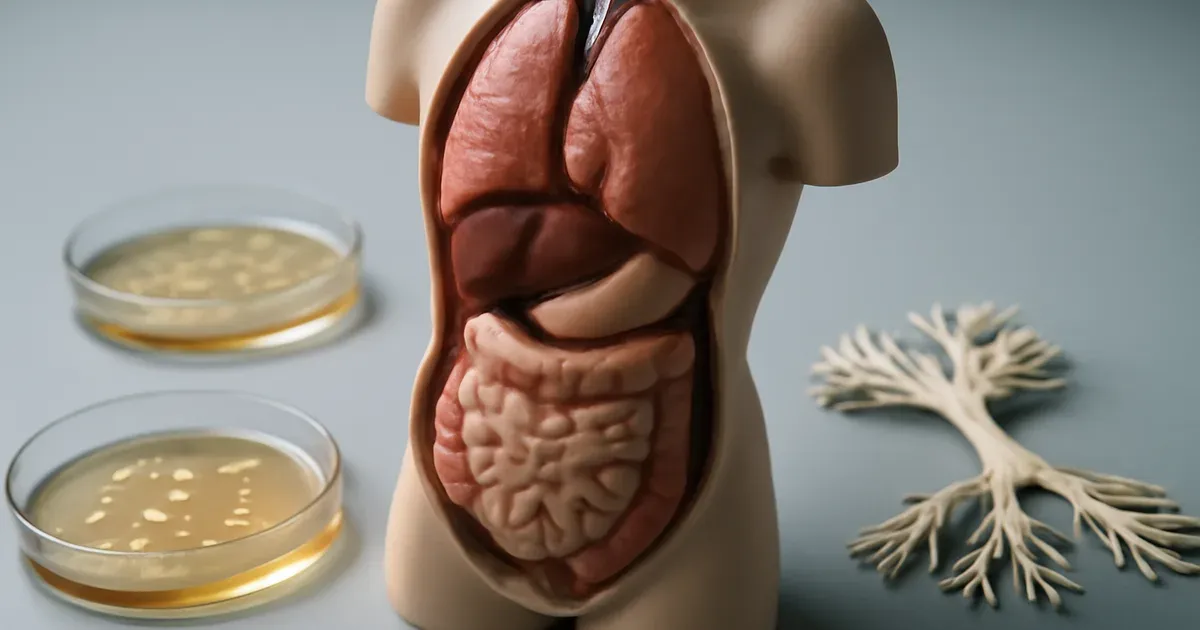
Step 2: Audit Your Current Protein and Fibre Intake Honestly
Most people are genuinely surprised when they track their intake for a day or two. You don't need a complex app — a simple food diary over 48 hours will reveal patterns you weren't aware of. Write down everything you eat and estimate the fibre content using NHS Eatwell resources or the British Dietetic Association's guidance. Then do the same for protein.
What you're likely to find is that protein intake is comfortably — often generously — above requirements. The average woman needs approximately 46 grams of protein per day; the average man needs around 56 grams. Older adults, those building muscle, or those managing weight may need modestly more, but not dramatically so. Very few UK adults are genuinely protein deficient.
Fibre, on the other hand, is almost certainly below the 30-gram NHS daily target. Look at where the shortfall is coming from. Are your grains refined (white bread, white rice, white pasta)? Are you drinking fruit juice instead of eating whole fruit? Are legumes absent from your weekly meals? Identifying these gaps gives you a personalised starting point — and makes the next steps feel manageable rather than overwhelming.
Pro tip: Use the NHS's free online food diary tools or the British Nutrition Foundation's resources to estimate your current fibre intake without paying for a premium app.
Step 3: Swap Refined Foods for Fibre-Rich Whole Alternatives
This is the most impactful single change you can make to improve gut health naturally. You don't need to introduce exotic superfoods or spend more on your weekly shop. The most effective swaps involve foods you already know and can find in any UK supermarket.
Start with your grains. Replace white bread with wholemeal or seeded loaves. Swap white rice for brown rice, pearl barley, or quinoa. Choose wholegrain pasta over refined pasta. Each of these swaps can add 3–5 grams of fibre to a single meal with virtually no change in effort or cost. Oats at breakfast — a staple of British diets — are one of the richest and most accessible fibre sources available, and their beta-glucan content specifically supports healthy cholesterol levels.
Move to whole fruits instead of juices. A glass of orange juice contains almost no fibre; an orange contains about 2.7 grams. Raspberries, pears, and apples eaten with their skin are among the highest-fibre fruits available in UK shops. Berries in particular are associated with prebiotic effects — feeding beneficial Bifidobacteria and Lactobacillus species in the gut microbiome.
Key swaps to make this week:
- White bread → wholemeal or seeded bread
- White rice → brown rice or pearl barley
- Fruit juice → whole fruit with skin
- Refined breakfast cereal → porridge oats or bran-based cereals
- Crisps or processed snacks → a small handful of almonds, pumpkin seeds, or chia seeds
Pro tip: Potatoes eaten with their skin are an underrated fibre source in the British diet. A medium baked potato with skin provides around 4 grams of fibre and is far more gut-friendly than a portion of white rice.
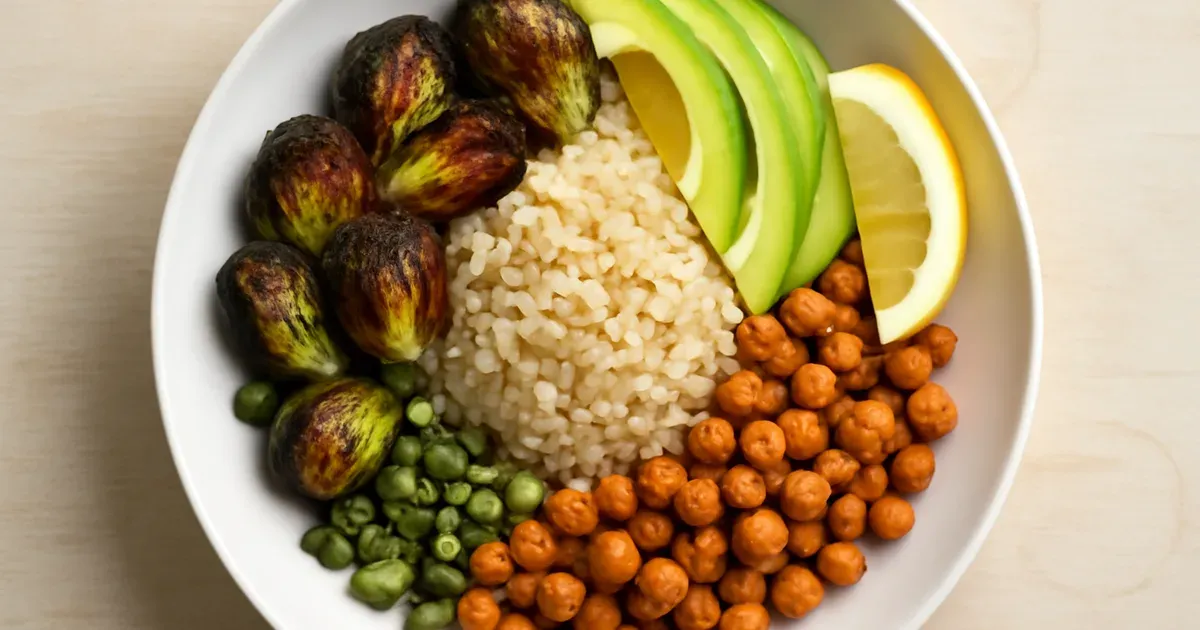
Step 4: Add Legumes to at Least Three Meals Per Week
Legumes are the single most powerful tool for closing the fibre gap in the British diet. Lentils, chickpeas, black beans, split peas, and kidney beans are all high in both fibre and plant-based protein — meaning they simultaneously address excess animal protein intake and fibre deficiency. A portion of cooked lentils (around 200g) provides approximately 8–10 grams of fibre.
Plant-based protein sources offer something that animal protein simply cannot: they come packaged with fibre, essential micronutrients, and significantly fewer saturated fats and calories. This is particularly relevant in the context of gut health UK research — UK Biobank data and studies from institutions including the University of Oxford have consistently linked higher legume and plant food consumption to better cardiometabolic outcomes and improved microbiome diversity.
Incorporating legumes doesn't require a dramatic dietary overhaul. Add a tin of chickpeas to a curry or stew. Stir red lentils into a soup — they dissolve and thicken naturally. Serve a bean-based side dish alongside your usual protein. According to research published in the American Journal of Clinical Nutrition and summarised by the British Nutrition Foundation, closing the fibre intake gap is achievable through practical, incremental dietary changes rather than wholesale dietary transformation.
High-fibre legumes to add to your weekly shop:
- Red and green lentils
- Chickpeas (tinned or dried)
- Black beans and kidney beans
- Split peas
- Edamame (frozen, widely available in UK supermarkets)
Pro tip: Frozen edamame is one of the most convenient high-fibre, high-plant-protein additions to any meal. Defrost and season for a snack, or add to stir-fries and grain bowls.
Step 5: Increase Fibre Slowly to Avoid Digestive Discomfort
This step is the one most people skip — and the reason many give up on high-fibre eating within a fortnight. If you dramatically increase your fibre intake overnight, your gut microbiome won't have time to adapt. The result is predictable: bloating, gas, cramping, and the rapid conclusion that "fibre doesn't agree with me." In reality, your gut simply needed more time.
The right approach is gradual and deliberate. Increase your fibre intake by roughly one to two additional servings of high-fibre foods per day, per week. So in week one, add one extra serving. In week two, add another. This gives the microbial communities in your gut time to upregulate the enzymes needed to ferment the increased fibre load. The fermentation process is entirely natural and beneficial — it produces those SCFAs that support both gut integrity and the gut-brain connection.
Hydration matters here too. Fibre absorbs water as it moves through the digestive tract. Inadequate fluid intake alongside increased fibre can worsen constipation rather than relieve it. Aim for at least 6–8 glasses of water or unsweetened fluids per day — consistent with NHS guidance — particularly as your fibre intake rises.
- Week 1: Add one extra high-fibre food per day (e.g., swap white bread for wholemeal)
- Week 2: Add a portion of legumes to two meals
- Week 3: Incorporate whole fruits in place of juice or processed snacks
- Week 4: Add a fibre-rich grain (oats, barley, quinoa) to one meal daily
- Ongoing: Maintain hydration and variety to support microbiome diversity

What to Expect: A Week-by-Week Timeline
Week 1–2: You may notice increased gas or mild bloating as your gut microbiome begins to adapt to higher fibre levels. This is normal and temporary. Bowel movements may become more regular and better-formed.
Week 3–4: Digestive discomfort typically subsides as microbiome composition begins to shift. Many people notice improved energy levels and reduced post-meal sluggishness. Early improvements in blood sugar regulation may also begin — relevant for anyone managing or at risk of type 2 diabetes.
Month 2–3: With consistent fibre intake near or above the 30-gram NHS daily target, research suggests measurable improvements in gut microbiome diversity. Studies from the British Gut Project and King's College London's PREDICT research have linked microbiome diversity to better mood, reduced inflammation, and improved metabolic health — all reflecting the gut-brain connection in practice.
Longer term: Sustained high-fibre eating is associated with significantly reduced risk of cardiovascular disease, colorectal cancer, and type 2 diabetes. The benefits compound over time, making this one of the highest-return dietary changes available to UK adults.
Mistakes That Slow Your Progress
- Increasing fibre too quickly. Adding large amounts all at once causes bloating and discomfort, which leads people to abandon the change. One to two new servings per day, per week, is the sustainable approach.
- Relying on fibre supplements rather than whole foods. Psyllium husk or fibre powders lack the vitamins, minerals, and prebiotic compounds that whole foods provide. Supplements have a role, but they shouldn't replace food-first strategies.
- Not drinking enough water. Fibre without adequate hydration can worsen constipation. Increase fluid intake alongside fibre intake, as NHS guidance recommends.
- Assuming plant-based eating means protein deficiency. Beans, lentils, tofu, tempeh, quinoa, and edamame all provide substantial protein alongside fibre. A plant-forward diet can meet protein needs comfortably.
- Ignoring food labels. Many products marketed as "high fibre" in UK supermarkets contain only 3–4 grams per serving. Check labels and prioritise whole foods over fortified processed products.
What Can Help You Get There Faster
Tracking tools: The NHS Eatwell app and British Nutrition Foundation resources offer free, UK-specific guidance on daily fibre targets. Using a food diary — even for just one week — dramatically increases awareness of where your diet is falling short.
Meal planning resources: Batch-cooking lentil soups, bean stews, and grain-based salads at the weekend reduces reliance on low-fibre convenience foods during busy weekdays. The BDA publishes free plant-based meal planning guides tailored to UK food availability and budgets.
Microbiome testing: Services such as the British Gut Project (based at King's College London) allow UK adults to submit a gut microbiome sample and receive personalised feedback on their microbial diversity. This can be a powerful motivator and a useful baseline for tracking improvement over time. Understanding your own microbiome UK profile adds a personal dimension to dietary change.
Your Quick-Reference Summary
✅ Understand that fibre fuels your microbiome and supports the gut-brain connection ✅ Audit your current intake — most UK adults fall well short of 30g daily ✅ Swap refined grains for wholegrain alternatives at every meal ✅ Add legumes to at least three meals per week ✅ Increase fibre gradually — one to two servings more per day, per week ✅ Drink 6–8 glasses of water daily to support fibre's movement through the gut ✅ Be patient: meaningful microbiome changes take four to twelve weeks ✅ Prioritise whole foods over fibre supplements

Frequently Asked Questions
How much fibre do UK adults actually need per day?
The NHS recommends 30 grams of fibre per day for adults in the UK. Most UK adults currently consume around 18 grams — a significant shortfall. Women may find the lower end of the 25–30 gram range sufficient, while men may benefit from the higher end. Children's requirements are lower and vary by age.
Can eating more fibre really improve my mood and mental health?
There is growing evidence that it can, via the gut-brain connection. Your gut microbiome produces neurotransmitters including serotonin and communicates with the brain via the vagus nerve. Researchers at King's College London and the University of Reading have found associations between microbiome diversity — supported by fibre intake — and improved mood, reduced anxiety, and better cognitive function. This is an active area of UK microbiome research.
Is it possible to eat too much fibre?
For most people, eating too much fibre is not a realistic concern. Very few UK adults exceed recommended intakes. In rare cases, extremely high fibre intake (above 70 grams per day) may interfere with mineral absorption. For the vast majority of people, the priority should be increasing fibre, not worrying about overconsumption.
Do I need to go vegetarian to get enough fibre?
No — but reducing animal protein and increasing plant foods is the most efficient strategy. You can meet your fibre targets while still eating meat and fish. The key is to ensure that plant foods — vegetables, legumes, whole grains, and fruit — make up the majority of your plate volume at each meal. The UK Eatwell Guide recommends that plant foods form the basis of the diet regardless of whether you eat meat.
How does fibre affect gut health differently from probiotic supplements?
Fibre acts as a prebiotic — it feeds the beneficial bacteria already living in your gut. Probiotic supplements introduce new bacterial strains, but without adequate fibre to feed them, they may not establish or thrive. Most UK microbiome research suggests that a diverse, fibre-rich diet produces more sustainable improvements in gut health than probiotic supplementation alone. Food-first approaches are consistently endorsed by the British Dietetic Association.
You might also like
- How to Improve Gut Health for a Better Mind in 6 Steps
- Oral–Gut Microbiome Axis: Your Questions Answered
- Healthiest Beans for Gut Health, Per Nutrition Experts
96 Bacterial Strains. Two Shots a Day.
GOODIE is an award-winning fermented drink with 96 live bacterial strains — more than any yogurt or kombucha — never pasteurised, clinically tested, and 8 in 10 users felt less bloating within 14 days. Curious?