How to Improve Your Oral Microbiome for Gut Health
Discover 5 evidence-based steps to improve your oral microbiome and gut health in the UK, with practical tips rooted in NHS and UK microbiome research.


You brush twice a day, you see your dentist, yet something still feels off. Maybe your breath isn't as fresh as it should be, or you've been struggling with digestive discomfort that nobody seems to be able to explain. You've tried probiotic supplements, cut back on sugar, and yet the frustrating symptoms persist. The missing piece of the puzzle might be sitting right at the start of your digestive tract — inside your mouth.
The oral microbiome is one of the most overlooked aspects of gut health in the UK, despite mounting scientific evidence linking the two. What begins in your mouth — a thriving or disrupted community of microorganisms — can ripple outward to affect your gut, your brain, and your overall wellbeing. The good news? A few consistent, science-backed steps can restore that balance. This guide shows you exactly how.
Why an Imbalanced Oral Microbiome Happens in the First Place
The mouth is far more complex than most people realise. It contains over 700 species of microorganisms — bacteria, fungi, viruses, protozoa, and archaea — all living in distinct microhabitats. The inner cheek lining, for instance, is dominated by Streptococcus, whilst the tongue hosts a diverse range of species including Rothia and Veillonella. Each area has its own delicate ecology, and when that ecology is disturbed, the consequences extend well beyond bad breath.
Several everyday factors quietly tip the balance:
- Diet high in sugar and ultra-processed foods — feeding harmful bacteria whilst starving beneficial ones
- Smoking — significantly altering microbial diversity and suppressing beneficial species
- Alcohol consumption — disrupting microbial balance and reducing saliva production
- Certain medications — including antibiotics and antihistamines, which reduce saliva or kill beneficial microbes
- Poor oral hygiene — allowing harmful bacteria to proliferate unchecked
- Stress and poor sleep — both linked to shifts in microbial composition via the gut-brain connection
When harmful bacteria gain the upper hand, low-grade inflammation can set in. Conditions like periodontitis (gum disease) are now linked in research to wider systemic issues including cardiovascular disease, type 2 diabetes, and digestive disorders — all of which are significant public health concerns in the UK. Understanding these root causes is the first step to addressing them.
Step 1: Practise a Thorough Oral Hygiene Routine
Good oral hygiene is the foundation of a healthy oral microbiome — and most adults in the UK aren't quite getting it right. Brushing twice daily and flossing once a day removes the biofilm and food debris that harmful bacteria thrive on. According to oral health guidance from the CDC, these basic habits — combined with regular dental check-ups — are essential for preventing the growth of pathogenic microorganisms.
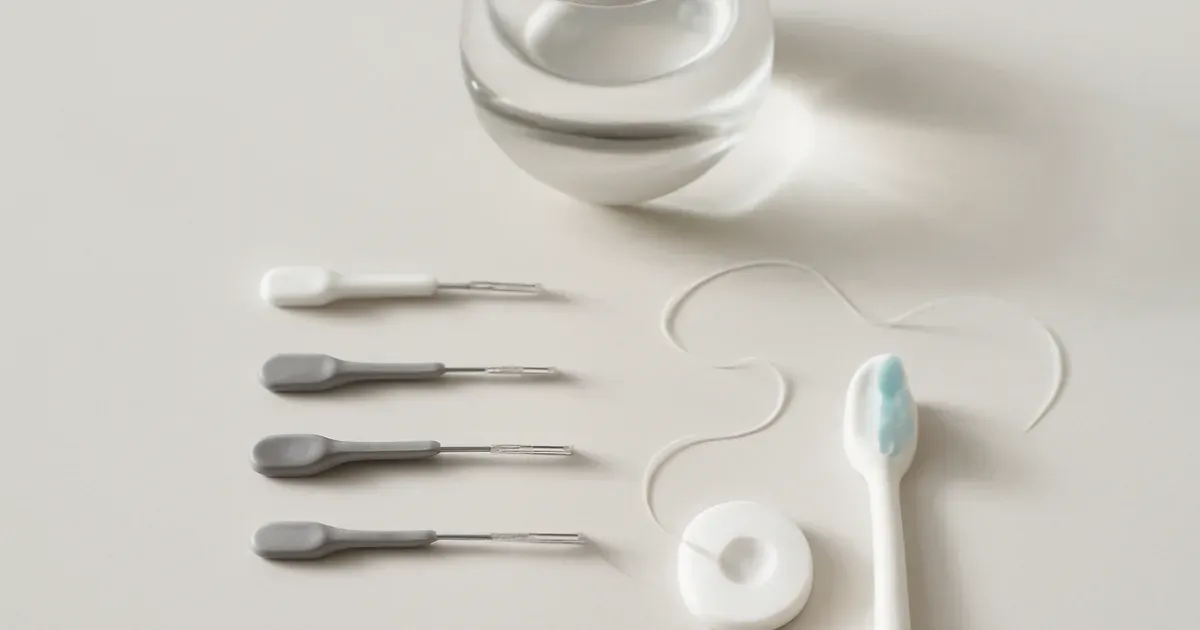
Here's how to do it properly:
- Use a fluoride toothpaste and brush for a full two minutes each time — most people stop well short of this
- Floss before brushing, not after, so loosened debris is swept away
- Clean your tongue daily using a tongue scraper or the reverse side of your toothbrush — the tongue harbours a significant proportion of your oral bacteria
- Visit your NHS dentist at least once a year, or more frequently if your dentist recommends it
- Consider using an alcohol-free mouthwash to avoid drying the mouth's mucous membranes
Pro tip: Mouthwashes containing chlorhexidine are effective against harmful bacteria, but should only be used short-term as they can also reduce beneficial species. Ask your dentist or pharmacist for guidance on which product suits your needs.
Regular professional cleaning removes tartar that home brushing cannot address, helping to keep the balance of your oral microbiome in check and preventing the chronic inflammation that can travel — literally — from your mouth to your gut.
Step 2: Shift Your Diet Towards Microbiome-Friendly Foods
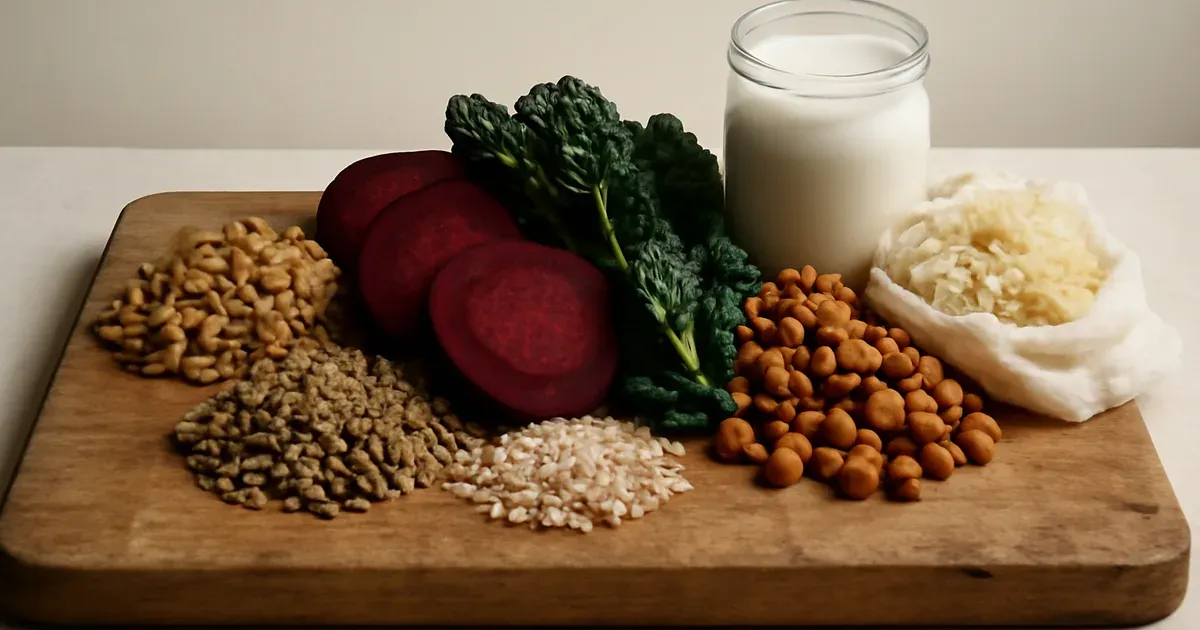
What you eat has a profound effect on every microbial community in your body — not just in your gut, but right from the first bite. The British diet, on average, falls short of recommended fibre intake (the UK Eatwell Guide advises 30g per day, yet most adults consume just 20g), and this shortfall affects microbial diversity from the mouth downwards.
To support both your oral and gut microbiomes:
- Increase fibre intake through wholegrains, vegetables, legumes, nuts, and seeds — these feed beneficial bacteria throughout the digestive tract
- Eat more fermented foods such as live yoghurt, kefir, sauerkraut, and kimchi — evidence from King's College London's British Gut Project supports their role in improving microbiome diversity in the UK
- Reduce free sugars — the NHS recommends keeping free sugars below 30g per day for adults; sugars are the primary fuel for cavity-causing bacteria like Streptococcus mutans
- Stay well hydrated — saliva is your mouth's natural defence mechanism, and dehydration reduces its protective capacity
- Include polyphenol-rich foods — berries, green tea, dark chocolate, and olive oil contain compounds that selectively support beneficial microbes
The gut-brain connection adds another layer here. Research from the University of Oxford and King's College London suggests that diet-driven changes to the gut microbiome can influence mood, cognition, and stress response — all of which loop back to affect the oral environment. A diet that nourishes your gut microbiome helps reduce the systemic inflammation that can destabilise your oral microbiome too.
Step 3: Cut Back on Alcohol and Quit Smoking
Two of the most powerful — and modifiable — disruptors of the oral microbiome UK adults face are alcohol and tobacco. Both shift microbial communities away from protective species and towards pathogenic ones, increasing risk of oral disease, gum disease, and the downstream health consequences that follow.
Smoking reduces oxygen levels in oral tissues, creating conditions that favour harmful anaerobic bacteria. It suppresses saliva production and impairs the local immune response. In the UK, the NHS Stop Smoking Service offers free support, and quitting is one of the single most impactful changes you can make for microbiome UK health — both oral and gut.
Alcohol alters the pH of the mouth, dries oral tissues, and has been shown in microbiome research to reduce the relative abundance of beneficial bacteria whilst promoting harmful species. UK Chief Medical Officers advise drinking no more than 14 units per week, spread across at least three days. For optimal microbiome health, less is better.
Pro tip: If you do drink, rinse your mouth with water afterwards and wait at least 30 minutes before brushing — acidic environments soften enamel, and brushing too soon can cause damage.

Step 4: Support the Gut-Brain-Mouth Axis Through Lifestyle Habits
The gut-brain connection is well established in UK microbiome research — but fewer people appreciate that this axis begins in the mouth. The oral microbiome communicates with the gut microbiome through the continuous passage of saliva and microorganisms into the digestive tract. An estimated 100 million bacteria are swallowed per day, meaning what thrives in your mouth eventually influences what thrives in your gut.
To support the entire axis:
- Manage stress actively — chronic stress elevates cortisol, which alters both gut and oral microbial composition. Practices such as mindfulness, yoga, or even regular walks in nature (well-supported by NHS mental health guidance) help regulate this response
- Prioritise sleep — the MRC and Wellcome Trust have both funded research linking poor sleep to reduced microbiome diversity. Aim for 7–9 hours per night
- Exercise regularly — UK physical activity guidelines recommend 150 minutes of moderate activity per week; exercise independently increases gut microbial diversity
- Avoid unnecessary antibiotics — these are broad-spectrum and will disrupt both oral and gut microbial communities. Always complete prescribed courses, but never request them unnecessarily
Research from Imperial College London and UCL has highlighted how systemic inflammation — often originating from an unhealthy oral microbiome — can influence the gut-brain axis, affecting mood and cognitive function. This is a genuinely bidirectional relationship: improving your oral microbiome supports your gut, which supports your brain, which (through reduced stress) supports your oral microbiome in return.
Step 5: Consider Targeted Probiotic and Prebiotic Support
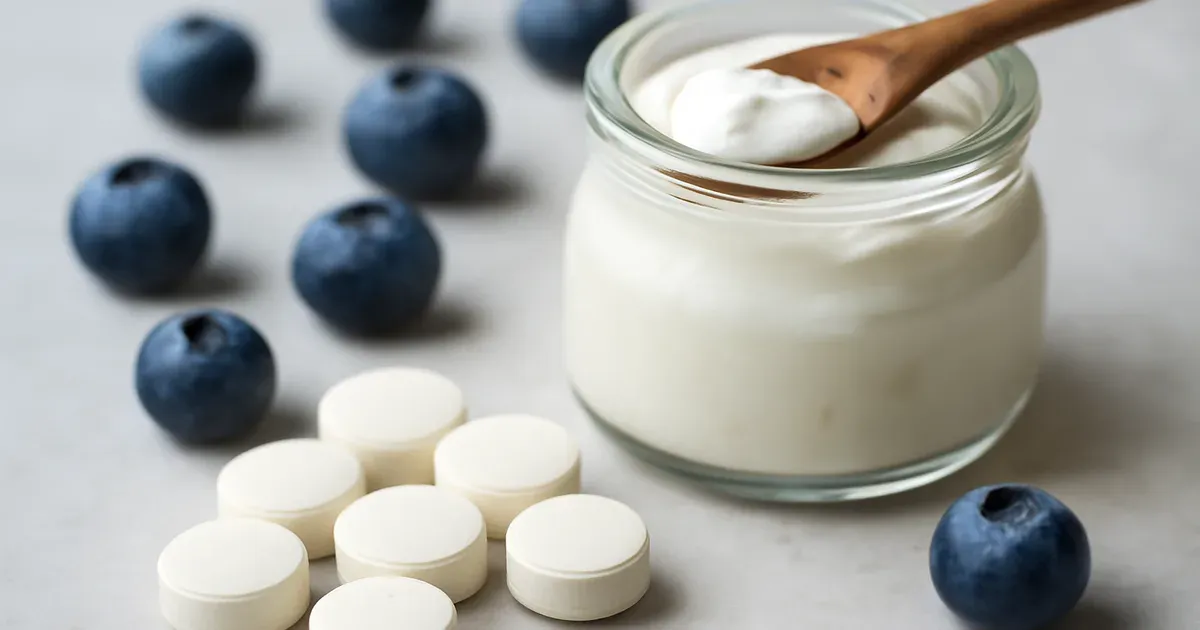
Probiotics are often associated with gut health, but their benefits may extend to the oral microbiome too. Certain strains — particularly Lactobacillus reuteri, Lactobacillus rhamnosus, and Streptococcus salivarius — have been studied for their ability to support a healthy balance of oral bacteria, reduce gum inflammation, and inhibit the growth of pathogenic species.
How to use probiotics effectively:
- Look for oral-specific probiotic lozenges or chewable tablets rather than standard gut capsules — the delivery method matters for reaching oral tissues
- Prebiotic fibres (found in onions, garlic, leeks, asparagus, and bananas) feed beneficial bacteria throughout the digestive tract, including the mouth
- Probiotic-rich foods such as live yoghurt and kefir introduce beneficial species whilst also providing nutrients that support oral tissue health
The British Dietetic Association (BDA) notes that whilst probiotic supplements are generally safe for healthy adults, the evidence base is still developing. Choose products with clearly labelled strains and CFU counts, and discuss options with your GP or registered dietitian if you have underlying health conditions. This is particularly relevant if you are in the UK, where NHS dietetic services can provide personalised guidance.
What to Expect: A Realistic Timeline
Changes to your microbiome don't happen overnight, but the timeline is encouraging once you commit to consistent habits.
Week 1–2: Improved oral hygiene and dietary changes begin to shift microbial balance. Breath may freshen noticeably. You may notice reduced gum sensitivity if inflammation was mild.
Week 3–4: Dietary fibre increases start to support greater microbial diversity. The gut-brain connection may show early benefits — some people report improved energy and more settled digestion as the gut microbiome begins to stabilise.
Month 2–3: With consistent effort, gum health typically improves measurably. UK microbiome research suggests meaningful shifts in gut microbial composition are detectable by the six-to-eight-week mark with sustained dietary change.
Month 3–6: Systemic inflammation markers may begin to reduce. Sleep, mood, and cognitive clarity — all influenced by the gut-brain connection — often show gradual improvement alongside microbiome shifts.
Long-term (6 months+): The cumulative benefits of a healthier oral and gut microbiome become more robust. Research from the British Gut Project suggests that dietary diversity — eating 30 or more different plant foods per week — is one of the strongest predictors of a thriving microbiome UK-wide.
Mistakes That Slow Your Progress
- Over-relying on antibacterial mouthwash — frequent use kills beneficial oral bacteria alongside harmful ones, disrupting the very balance you're trying to restore
- Ignoring the tongue — up to 80% of oral bacteria reside on the tongue's surface; skipping tongue cleaning leaves a major source of imbalance unaddressed
- Making dramatic diet changes all at once — sudden large increases in fibre can cause bloating and discomfort; introduce changes gradually over two to four weeks
- Treating gut health and oral health as separate issues — they are intimately connected; a siloed approach misses the synergy between them
- Skipping dental appointments — professional cleaning addresses calculus and plaque that home hygiene cannot remove, and early detection of gum disease prevents the systemic inflammation cascade
- Neglecting hydration — saliva is the mouth's primary defence; dehydration reduces its protective antimicrobial properties significantly
What Can Help You Get There Faster
Oral care tools: An electric toothbrush with a two-minute timer improves plaque removal compared to manual brushing. Interdental brushes (rather than standard floss) are recommended by many UK dental hygienists for cleaning between teeth more effectively. A stainless steel or copper tongue scraper removes biofilm more thoroughly than a toothbrush.
Dietary support resources: The British Gut Project (run out of King's College London) offers a citizen science gut health test that provides insight into your own microbiome diversity — a useful baseline. The NHS Eatwell Guide provides a practical framework for building a microbiome-friendly diet without the need for expensive supplements.
Lifestyle and stress management: NHS-approved apps such as Headspace (available through some NHS trusts) and free NHS mental health resources online can support the stress management component of microbiome health. The NHS Better Health campaign also offers free tools for quitting smoking and reducing alcohol intake — two of the most impactful changes you can make for improve gut health naturally goals.
Your Quick-Start Checklist
✅ Brush twice daily with fluoride toothpaste for two full minutes ✅ Floss or use interdental brushes once daily ✅ Scrape your tongue every morning ✅ Eat 30+ different plant foods per week to support microbiome diversity ✅ Reduce free sugar intake to below 30g per day (NHS guideline) ✅ Limit alcohol to under 14 units per week; aim lower for microbiome benefits ✅ Quit or significantly reduce smoking — use NHS Stop Smoking Service ✅ Manage stress through regular movement, sleep, and mindfulness ✅ Consider an oral-specific probiotic if recommended by your dentist or dietitian ✅ Attend NHS dental check-ups at least annually
Your oral microbiome and gut microbiome are not separate concerns — they are two parts of the same connected system, and the science of gut health in the UK is making this clearer every year. The steps above are not about perfection; they're about consistent, small changes that compound over weeks and months into meaningful improvements in how you feel. Start with one step today — even just committing to tongue scraping or eating an extra portion of vegetables — and build from there. Your microbiome responds to what you do, every single day.
You might also like
- 7 Fibre-Rich Foods to Improve Gut Health Naturally
- How to Improve Gut Health Naturally in 6 Steps
- Code of Cultures Launches 'Recode Your Culture' Gut Health Campaign
Frequently Asked Questions
How does the oral microbiome affect gut health?
Every day, hundreds of millions of bacteria from your mouth are swallowed and enter the gut. In a balanced oral microbiome, this flow introduces mostly beneficial species. But when harmful bacteria dominate in the mouth, they can travel into the digestive tract and disrupt the gut microbiome — contributing to inflammation and digestive discomfort. This is one reason UK microbiome researchers are increasingly interested in the mouth as a gateway to gut and systemic health.
Can improving my oral microbiome help with the gut-brain connection?
Yes — and the evidence is growing. The gut-brain connection is bidirectional: a healthier gut microbiome supports better mood, cognition, and stress resilience, and a healthier oral microbiome feeds a healthier gut. UK research from King's College London and UCL has highlighted how reducing oral inflammation can have measurable downstream effects on systemic inflammatory markers, which in turn influence brain health via the gut-brain axis.
What are the best foods to eat for oral and gut microbiome health in the UK?
Fibre-rich, diverse plant foods are the single most supported dietary strategy for both oral and gut microbiome health. The British Gut Project found that people who eat 30 or more different plant foods per week have significantly greater microbiome diversity. Practically, this means wholegrains, legumes, nuts, seeds, fruits, and vegetables at every meal. Fermented foods like live yoghurt and kefir add beneficial species directly. Limiting free sugars — as advised by the NHS — removes the primary fuel for harmful oral bacteria.
How long does it take to see improvements in oral microbiome health?
Most people notice early changes — fresher breath, less gum sensitivity — within one to two weeks of improving oral hygiene and diet. Meaningful shifts in gut microbiome composition typically take six to eight weeks of consistent dietary change, according to UK microbiome research. Full benefits, including reduced systemic inflammation and improvements related to the gut-brain connection, build progressively over three to six months.
Should I take probiotics to improve my oral and gut microbiome?
Probiotics can be a useful addition, but they're not a substitute for dietary and lifestyle changes. For the oral microbiome specifically, oral probiotic lozenges containing Streptococcus salivarius or Lactobacillus reuteri have the most direct evidence. For gut health, probiotic foods (live yoghurt, kefir, fermented vegetables) are well-supported. The British Dietetic Association recommends discussing probiotic use with a registered dietitian, especially if you have any underlying health conditions. In the UK, NHS dietetic services can provide personalised advice.
96 Bacterial Strains. Two Shots a Day.
GOODIE is an award-winning fermented drink with 96 live bacterial strains — more than any yogurt or kombucha — never pasteurised, clinically tested, and 8 in 10 users felt less bloating within 14 days. Curious?