7 Fibre-Rich Foods to Improve Gut Health Naturally
Nutritionist Lovneet Batra names 7 fibre-rich foods to improve gut health naturally, from psyllium husk to lentils — relevant to UK microbiome and gut-brain res

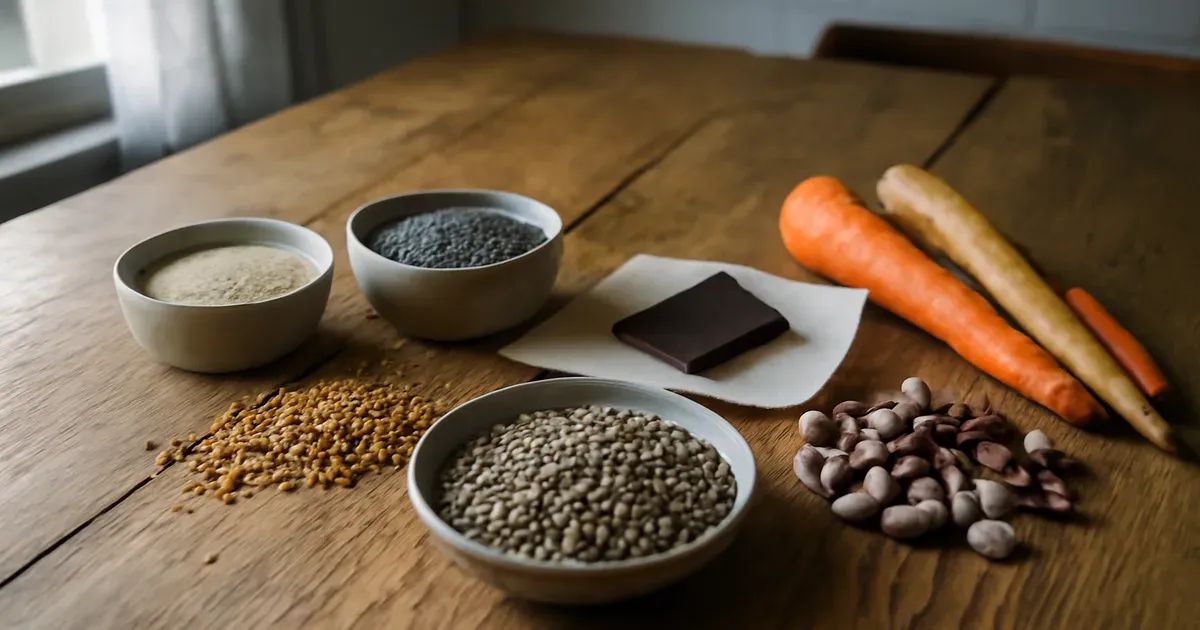
Bloating, constipation, and sluggish digestion affect millions of adults in the UK every day, yet simple dietary changes may offer real relief. Nutritionist Lovneet Batra has identified seven fibre-rich foods that can improve gut health naturally, according to a report published by the Times of India on 6 May 2026. The recommendations centre on foods that feed beneficial gut bacteria, support regular bowel movements, and may ease common digestive complaints without medication.
Why This Matters for Gut Health in the UK
Gut health UK research has surged in recent years, with institutions such as King's College London and the University of Reading producing landmark findings on the human microbiome. The British Gut Project, one of the largest citizen science studies of its kind, found that dietary diversity — particularly fibre variety — is the single strongest predictor of a healthy gut microbiome. The NHS also acknowledges that most adults in the UK fall short of the recommended 30g of fibre per day, with average intake closer to 18g. Poor fibre consumption is directly linked to constipation, bloating, and disrupted gut-brain signalling.
The Seven Foods Batra Recommends
Per the Times of India report, Batra's list includes psyllium husk, chia seeds, flaxseeds, dark chocolate, lentils, beans, and root vegetables. Each food is highlighted for its prebiotic or soluble fibre content, which feeds the gut microbiome and supports the production of short-chain fatty acids. These compounds, according to ongoing UK microbiome research at Imperial College London and UCL, play a crucial role not only in gut barrier integrity but also in the gut-brain connection — influencing mood, cognition, and stress response via the vagus nerve.
What the Science Says About the Gut-Brain Connection
The gut-brain axis has become one of the most active areas of nutritional science research in the UK. Scientists at the MRC and Wellcome Trust-funded programmes have demonstrated that the trillions of microbes residing in the human gut communicate directly with the brain through hormonal, neural, and immune pathways. A fibre-poor diet disrupts microbial balance — a state known as dysbiosis — which can amplify inflammation and negatively affect mental wellbeing. Incorporating the foods Batra recommends aligns with guidance from the British Dietetic Association, which encourages diverse plant-based fibre sources as a foundation of digestive and overall health.
What This Means for UK Readers
For health-conscious adults in the UK, these recommendations are straightforward to act upon. Lentils and beans are affordable, widely available, and consistent with the UK Eatwell Guide's emphasis on plant-based protein. Root vegetables such as parsnips, carrots, and sweet potatoes are seasonal British staples that double as prebiotic fibre sources. Adding psyllium husk to porridge or chia seeds to a smoothie requires minimal effort but may meaningfully shift the microbial environment of the gut over time, per the nutritionist's guidance.
The core message from Batra's recommendations is that improving gut health naturally does not require expensive supplements or radical dietary overhauls. Incrementally introducing a wider range of fibre-rich whole foods — particularly those that nourish the gut microbiome — represents one of the most evidence-aligned strategies available to UK adults looking to address bloating, constipation, and the broader impacts of poor digestion on daily wellbeing.
You might also like
- How to Improve Gut Health Naturally in 6 Steps
- Protein vs Fibre: What Your Gut Health Needs
- 7 Breathwork Secrets That Transform Your Gut Health
96 Bacterial Strains. Two Shots a Day.
GOODIE is an award-winning fermented drink with 96 live bacterial strains — more than any yogurt or kombucha — never pasteurised, clinically tested, and 8 in 10 users felt less bloating within 14 days. Curious?