How to Snack on Low FODMAP for IBS Relief
Learn how to build balanced low FODMAP snacks that ease IBS symptoms and support your gut microbiome — with practical UK-relevant tips and science-backed guidan

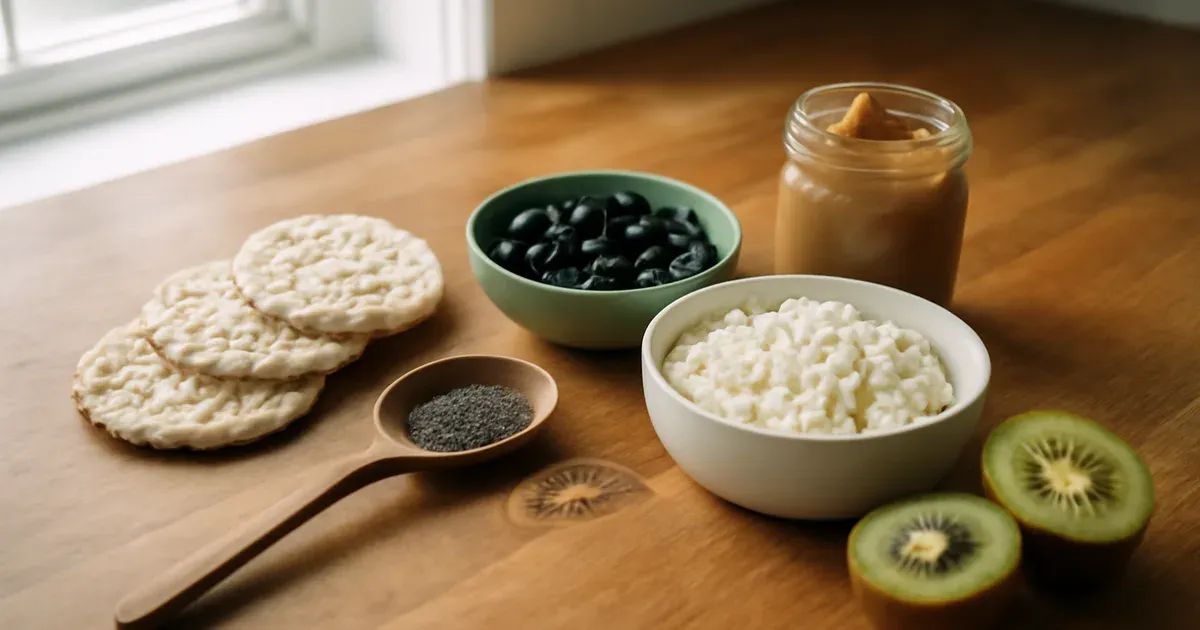
You've just been told to follow the low FODMAP diet. You've swapped your usual lunch, rethought your dinners — and now you're standing in front of the kitchen cupboard at 3pm, completely stumped about what to eat. Sound familiar? For many people managing IBS in the UK, the snacking problem is where good intentions quietly fall apart.
You've probably tried reaching for fruit, only to find it's on the "avoid" list. Or grabbed a cereal bar that triggered a flare-up before you'd even finished it. The frustration is real, and it's one of the most common reasons people abandon the low FODMAP approach before it has a chance to work.
The good news? Building satisfying, gut-friendly snacks is absolutely achievable — even on a restricted diet. And when you get it right, you're not just managing symptoms; you're actively supporting your gut microbiome and, through the gut-brain connection, your overall wellbeing too.
Why IBS Snacking Goes Wrong in the First Place
The low FODMAP diet restricts fermentable carbohydrates — short-chain sugars that are poorly absorbed in the small intestine and rapidly fermented by gut bacteria, producing gas, bloating, and altered bowel habits. This is the root cause of why so many everyday snacks become problematic.
But there's a deeper layer here that UK microbiome research increasingly highlights. The gut is home to trillions of microorganisms — your microbiome — and what you eat directly shapes their composition. Research from King's College London and the British Gut Project has shown that dietary diversity strongly predicts microbiome health. When snacking poorly on low FODMAP (e.g., relying on plain rice cakes and nothing else), you risk reducing that diversity further.
- High-FODMAP culprits hiding in snacks: onion powder, garlic, honey, apple juice concentrate, and wheat flour appear in many seemingly "safe" packaged snacks
- Missing fibre: many people cut out too many plant foods, leaving gut bacteria with insufficient fuel
- Protein gaps: snacks without protein leave you hungry within the hour, leading to poor food choices
- The gut-brain connection: chronic IBS symptoms increase psychological stress, which in turn worsens gut motility — a bidirectional cycle that starts in the gut and ends in the brain
- Preparation failure: without planning, people default to high-FODMAP convenience foods in moments of hunger
Step 1: Master the Carbohydrate + Protein Formula
The single most important rule for a satisfying low FODMAP snack is pairing a carbohydrate source with a protein source. Carbohydrates provide quick-release energy; protein slows digestion, stabilises blood sugar, and keeps hunger at bay between meals.
This matters enormously for gut health UK-wide, where busy lifestyles mean snacks often replace proper meals. Without adequate protein, your gut lining itself can suffer — protein is needed to produce digestive enzymes, gut hormones, and to maintain the integrity of the intestinal wall.
Low FODMAP carbohydrate options include unripe bananas, oats, brown rice, quinoa, gluten-free crackers and bread, and rice cakes. Low FODMAP protein options include hard cheeses (Cheddar, Swiss, Brie, Camembert), eggs, canned tuna, turkey slices, firm tofu, peanuts, and lactose-free yogurt or cottage cheese.
Pro tip: Canned chickpeas (limit to ¼ cup) and canned lentils (limit to ½ cup) are low FODMAP in these portions and provide both protein and prebiotic fibre — gently feeding your microbiome without triggering symptoms.
Step 2: Don't Fear Dairy — Choose Wisely
The FODMAP villain in most dairy products is lactose, not dairy itself. This distinction is crucial and one that the British Dietetic Association (BDA) supports: many people unnecessarily eliminate all dairy, missing out on calcium, phosphorus, and gut-supporting protein.
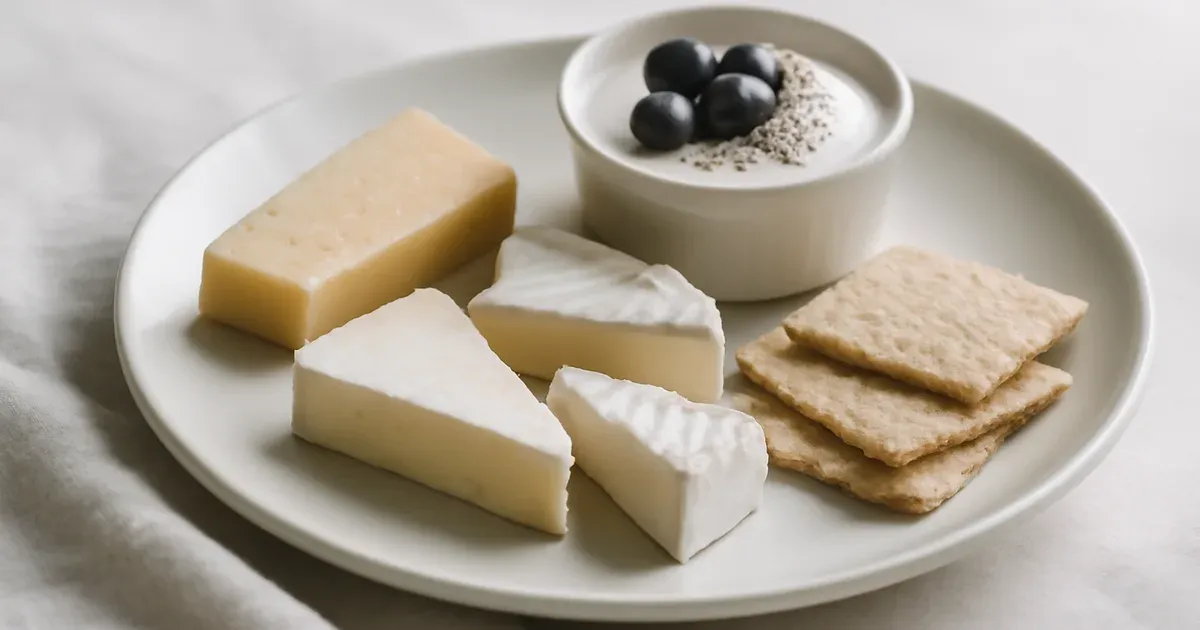
Lactose-free dairy — widely available in UK supermarkets — delivers all the nutritional benefits of regular dairy without the fermentable sugars that trigger IBS symptoms. Hard cheeses are naturally very low in lactose and are generally well tolerated even without a lactose-free label.
From a gut-brain connection perspective, dairy protein is particularly valuable. Protein supports the production of neurotransmitter precursors — including tryptophan, a building block for serotonin. Strikingly, around 90% of the body's serotonin is produced in the gut, which means what you snack on can genuinely influence your mood as well as your digestion.
Smart dairy snack swaps:
- Lactose-free Greek yogurt with blueberries and chia seeds
- Sharp Cheddar or Brie with gluten-free crackers
- Lactose-free cottage cheese with cinnamon and kiwi
- A 2-tablespoon serving of cream cheese on gluten-free pretzels (low FODMAP at this portion)
Step 3: Prioritise Fibre to Feed Your Microbiome
One of the most common pitfalls on the low FODMAP diet in the UK is inadequate fibre intake. When people remove high-FODMAP foods like onions, garlic, and certain legumes, they often inadvertently slash their fibre intake — and with it, the fuel that beneficial gut bacteria need to thrive.
The UK Eatwell Guide recommends 30g of fibre per day for adults, yet UK surveys consistently show average intake sits closer to 18–19g. On a low FODMAP diet without careful planning, this gap widens further.
Fibre feeds your microbiome, supporting the production of short-chain fatty acids (SCFAs) like butyrate — compounds that strengthen the gut lining, reduce inflammation, and even communicate with the brain via the gut-brain axis. This is why fibre isn't just about bowel regularity; it's central to your gut-brain health.
Low FODMAP fibre-rich snack additions:
- Ground flaxseed or chia seeds sprinkled over yogurt or rice cakes
- Skin-on kiwi fruit — a 2011 study published in PubMed found that eating two kiwis daily significantly improved bowel function in people with IBS-C, thanks to their fibre content and the digestive enzyme actinidin
- Whole grain options like brown rice cakes or quinoa-based crackers
- Pumpkin seeds, which are low FODMAP and rich in fibre and magnesium
Pro tip: Leave the skin on low FODMAP fruits and vegetables wherever possible for an extra fibre boost.
Step 4: Prep Ahead to Protect Your Gut Health
The gut microbiome UK researchers study most closely is shaped by habitual dietary patterns — not what you eat once in a while, but what you reach for consistently, day after day. This is why preparation is not optional; it is the infrastructure of your gut health strategy.
When hunger strikes and nothing is ready, the brain's reward system overrides good intentions. You'll grab whatever is available — and that's rarely the low FODMAP option. A small investment of time at the weekend can transform your week.
Your weekly prep checklist:
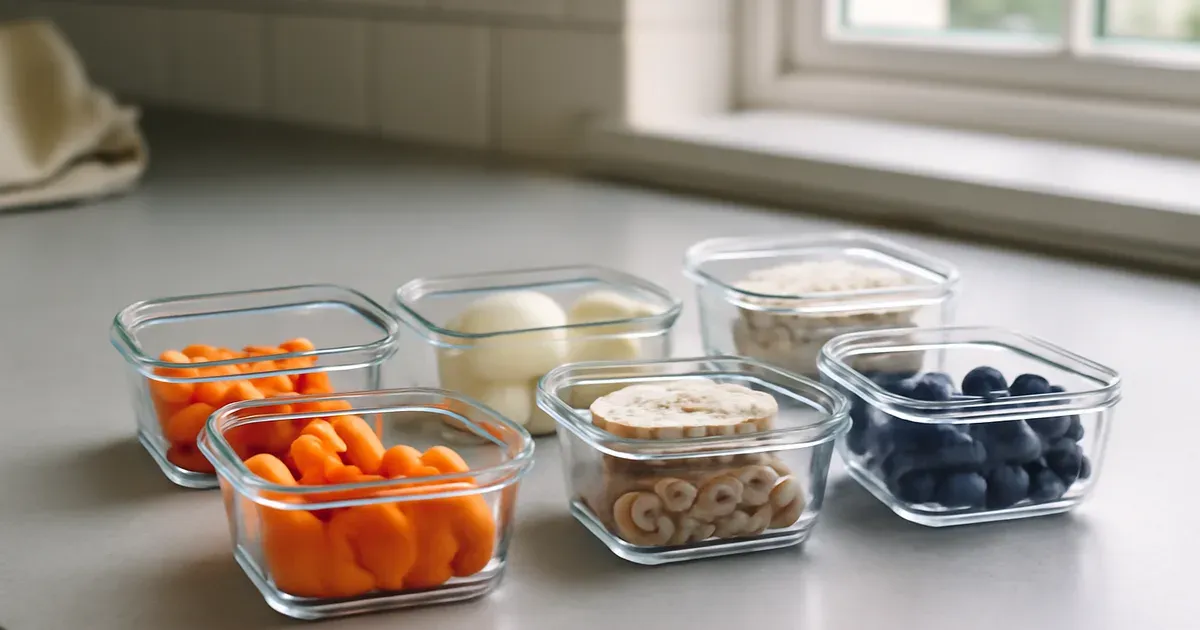
- Pre-cut vegetables (cucumber, carrot batons, red pepper strips — all low FODMAP) and store in reusable containers
- Portion out nuts and seeds (peanuts, pumpkin seeds) into grab-and-go bags
- Hard-boil a batch of eggs and refrigerate for quick protein
- Place low FODMAP snack bars in your bag, desk drawer, or gym kit
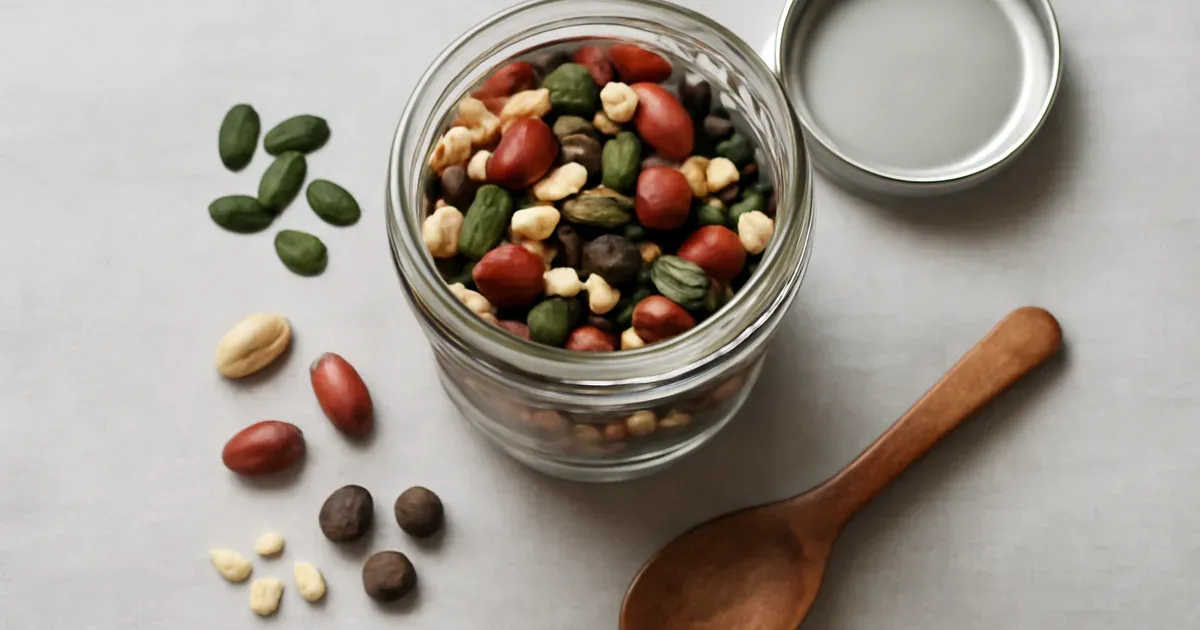
- Mix a batch of homemade trail mix (peanuts, pumpkin seeds, dark chocolate chips, puffed rice cereal) and store in a jar
Buying staples like grains, nuts, and seeds in bulk reduces cost and packaging waste — a win for your wallet and for sustainability.
Step 5: Choose the Right Ready-Made Options
For moments when preparation simply hasn't happened, knowing which ready-made products are reliably low FODMAP saves the day without derailing your gut health progress. The UK market has improved significantly in recent years, with more gut-friendly options available in health food shops and online.
When selecting packaged snacks, scan ingredient labels for hidden high-FODMAP culprits: onion powder, garlic powder, high-fructose corn syrup, honey, and inulin (a prebiotic fibre that is high FODMAP) are the most common offenders.
Reliable low FODMAP snack bar categories to look for:
- Bars made with peanut butter, seeds, dark chocolate, or plain oats as primary ingredients
- Protein shakes based on lactose-free dairy or plant proteins without high-FODMAP additives
- Corn tortilla chips (check for wheat-free labelling) paired with onion- and garlic-free salsa
- Peanut butter-filled gluten-free pretzel nuggets for a portable sweet-savoury snack
From a microbiome UK perspective, variety matters even within the low FODMAP framework. Rotating your snack choices — seeds one day, legumes the next, different fruits across the week — helps maintain the dietary diversity that supports a resilient gut microbiome.
What to Expect: A Week-by-Week Timeline
Week 1–2: Adjustment phase. You may feel frustrated by label-reading and limited options. Symptoms may still fluctuate. Focus on nailing the carb + protein pairing and prepping ahead. Don't expect perfect microbiome changes yet.
Week 3–4: As fibre intake stabilises and you find your rhythm, bowel regularity typically begins to improve. The gut-brain connection may start to reflect this — reduced bloating and pain often correlates with lower anxiety around eating.
Week 5–6: With consistent snacking patterns established, many people report steadier energy levels, reduced symptom frequency, and greater confidence with food choices. This is also a good point to review diversity — are you rotating your snack ingredients?
Beyond 6 weeks: The low FODMAP diet is not designed to be permanent. Work with a registered dietitian (findable via the BDA website or NHS referral) to begin the structured reintroduction phase, which will help you identify your personal triggers and widen your diet — reintroducing foods that feed your microbiome over the long term.
Mistakes That Slow Your Progress
- Relying on one or two safe snacks repeatedly — this reduces microbiome diversity and increases the risk of developing new sensitivities
- Ignoring portion sizes — several foods (almonds, chickpeas, banana) are only low FODMAP within specific portions; exceeding them can trigger symptoms
- Assuming "gluten-free" means low FODMAP — gluten-free products can still contain high-FODMAP ingredients like apple juice, honey, or chicory root
- Skipping snacks entirely — arriving at meals ravenously hungry often leads to eating too quickly and too much, which can worsen IBS symptoms
- Neglecting the gut-brain axis — stress management is not separate from gut health; practices like mindful eating, regular movement, and adequate sleep all support the gut-brain connection alongside dietary changes
What Can Help You Get There Faster
Category 1 — Fibre and gut microbiome support: Ground flaxseed, chia seeds, and pumpkin seeds are versatile, affordable, and widely available in UK supermarkets. Add them to yogurt, rice cakes, or trail mix for a daily fibre and microbiome boost.
Category 2 — Convenient low FODMAP staples: Gluten-free crackers, rice cakes, lactose-free yogurt, and hard cheeses form the backbone of quick low FODMAP snacking. Keep these stocked and you'll always have the foundation of a balanced snack to hand.
Category 3 — Professional support: A FODMAP-trained registered dietitian is your most valuable tool. The NHS and BDA both offer routes to access professional dietary advice. Apps such as the Monash University FODMAP Diet app (the gold standard, developed by the researchers who created the diet) help with portion guidance and label-checking on the go.
✅ Your Low FODMAP Snacking Checklist
- Pair every snack with a carbohydrate + protein combination
- Choose lactose-free or low-lactose dairy to retain nutritional benefits
- Add a fibre source (seeds, skin-on fruit, whole grains) to every snack where possible
- Prep snacks at the start of the week and portion into grab-and-go containers
- Rotate snack ingredients to support microbiome diversity
- Read labels for hidden high-FODMAP ingredients (onion, garlic, honey, inulin)
- Keep reliable ready-made options stocked for busy days
- Work with an NHS-referred or BDA-registered dietitian for the reintroduction phase
Managing IBS through low FODMAP snacking is genuinely achievable — and when approached thoughtfully, it becomes an opportunity to nurture your gut microbiome and strengthen the gut-brain connection that underlies so much of how you feel day to day. Start with one step this week: prep a batch of trail mix, stock your fridge with lactose-free yogurt, or simply read the label on your current snack bar. Small, consistent changes compound into lasting gut health improvement.
You might also like
- Protein vs Fibre: What Your Gut Health Needs
- How to Support Gut-Brain Health in 6 Steps
- Gut Health & Lifestyle Medicine: Your Questions Answered
Frequently Asked Questions
Are oats low FODMAP and safe for IBS in the UK?
Oats are generally low FODMAP in portions of up to 52g (dry weight) — roughly half a cup. They are widely available in the UK and are an excellent source of soluble fibre that gently feeds gut bacteria. Choose plain, unflavoured oats and check that the product is not processed alongside high-FODMAP ingredients.
Can following a low FODMAP diet harm my gut microbiome?
This is a well-founded concern raised by UK microbiome researchers. Studies from King's College London have indicated that the low FODMAP diet can reduce levels of beneficial gut bacteria, particularly Bifidobacteria, when followed long-term. This is why the diet is intended as a short-term diagnostic tool (typically 4–8 weeks) followed by structured reintroduction — not a permanent way of eating. Working with a dietitian is essential to minimise microbiome impact.
How do kiwi fruits help with IBS-related constipation?
Kiwi fruits are one of the most evidence-backed natural remedies for IBS-C. They are low FODMAP in a serving of two fruits and contain both soluble fibre and an enzyme called actinidin, which stimulates receptors in the colon to ease bowel movements. A clinical study found that eating two kiwis daily significantly improved bowel function in people with IBS-C — making them a smart snack addition.
Where can I get low FODMAP dietary advice in the UK?
The NHS can refer you to a registered dietitian with FODMAP training, particularly if you have a confirmed IBS diagnosis from your GP. The British Dietetic Association (BDA) also maintains a directory of registered dietitians in private practice. The Monash University FODMAP app is the gold-standard digital resource for checking foods and portion sizes.
Is the low FODMAP diet the same as a gluten-free diet?
No — they overlap but are not the same. Gluten-free diets remove gluten (a protein found in wheat, barley, and rye) for coeliac disease or gluten sensitivity. The low FODMAP diet restricts fermentable carbohydrates, including fructans found in wheat — which is why many low FODMAP foods happen to be gluten-free. However, gluten-free products can still contain high-FODMAP ingredients, so always check labels carefully.
96 Bacterial Strains. Two Shots a Day.
GOODIE is an award-winning fermented drink with 96 live bacterial strains — more than any yogurt or kombucha — never pasteurised, clinically tested, and 8 in 10 users felt less bloating within 14 days. Curious?