Probiotic Strain Eases Alcohol Gut-Liver Damage
New research finds probiotic strain WiKim0110 reduces alcohol-related gut-liver damage and strengthens intestinal barrier function.

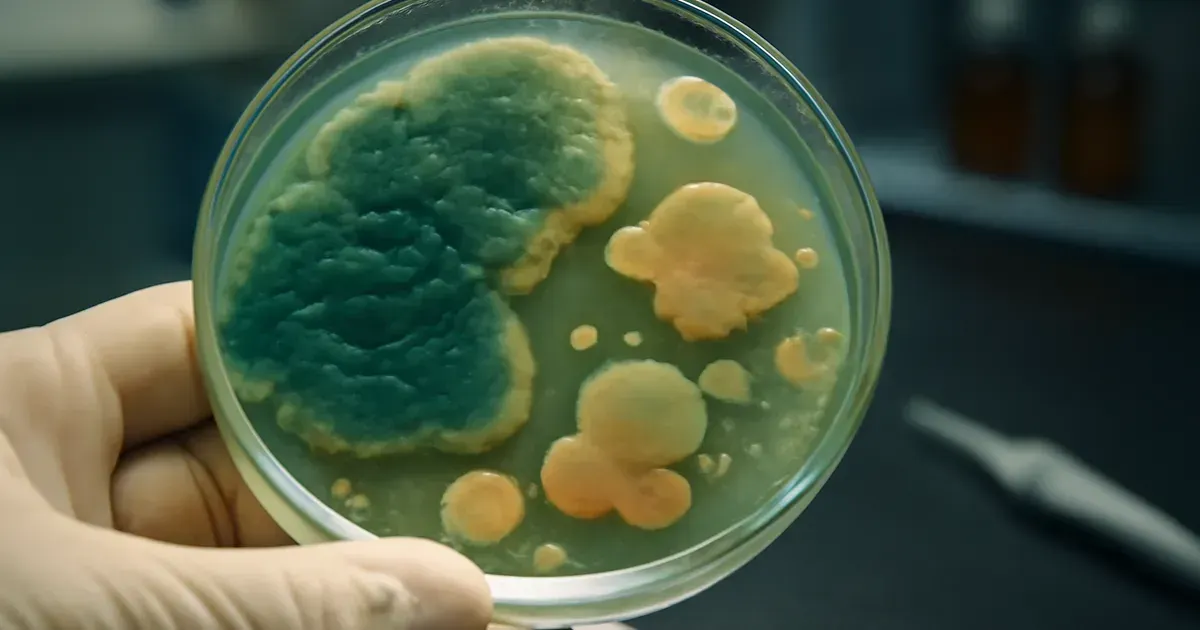
A newly studied probiotic strain, Lacticaseibacillus paracasei WiKim0110, has shown the ability to reduce alcohol-induced damage to the gut–liver axis and strengthen intestinal barrier function, according to research published in Scientific Reports on 23 August 2026. The study, led by Min Ji Lee and colleagues, found that the gut-derived strain counteracts key mechanisms by which alcohol disrupts the gut microbiome and triggers liver inflammation.
Why This Matters for Gut Health in the UK
Alcohol-related liver disease is a significant public health concern in the UK, with NHS data consistently showing rising rates of alcohol-related hospital admissions. The gut–liver axis — the biological communication pathway linking the intestinal microbiome to liver function — is increasingly recognised as central to this damage. UK microbiome research, including work from King's College London and the British Gut Project, has highlighted how disruptions to gut bacteria and intestinal barrier integrity can accelerate liver injury, making probiotic-based interventions a growing area of scientific interest.
Key Findings: Barrier Protection and Microbiota Shifts
According to the researchers, alcohol consumption impairs intestinal barrier integrity, alters gut microbiota composition, and induces hepatic inflammation — a cascade of harm that the WiKim0110 strain appeared to attenuate. The study found that this gut-derived lactic acid bacterium enhanced intestinal barrier-related responses, effectively reducing the permeability that allows bacterial toxins to travel from the gut to the liver. The findings suggest that targeted probiotic supplementation may help interrupt the chain of events linking heavy drinking to liver disease, per Scientific Reports.
What This Means for Microbiome Science and Readers
For health-conscious adults in the UK interested in the gut-brain connection and microbiome science, these findings add to a growing body of evidence that specific probiotic strains — rather than probiotics broadly — may offer measurable protective benefits. The gut–liver axis is now understood to influence not only digestive health but also systemic inflammation and, via the gut-brain connection, wider neurological wellbeing. Researchers note that further clinical trials will be needed before any therapeutic application can be recommended.
This study underscores the importance of improving gut health naturally and maintaining microbiome diversity — priorities that align closely with UK dietary guidelines and the NHS focus on preventative health. The identification of a strain with specific protective effects on the gut–liver axis represents a meaningful step forward in microbiome UK research, though scientists caution that human trials remain essential before conclusions can be drawn for clinical practice.
You might also like
- Essential Flora Review: Gut Health Supplement Examined
- How to Improve Gut Health for a Better Mind in 6 Steps
- Oral–Gut Microbiome Axis: Your Questions Answered
96 Bacterial Strains. Two Shots a Day.
GOODIE is an award-winning fermented drink with 96 live bacterial strains — more than any yogurt or kombucha — never pasteurised, clinically tested, and 8 in 10 users felt less bloating within 14 days. Curious?