Low FODMAP Grocery List for Gut Health UK
A practical, science-backed low FODMAP grocery list for UK shoppers — with microbiome and gut-brain insights to help you shop smarter and feel better.

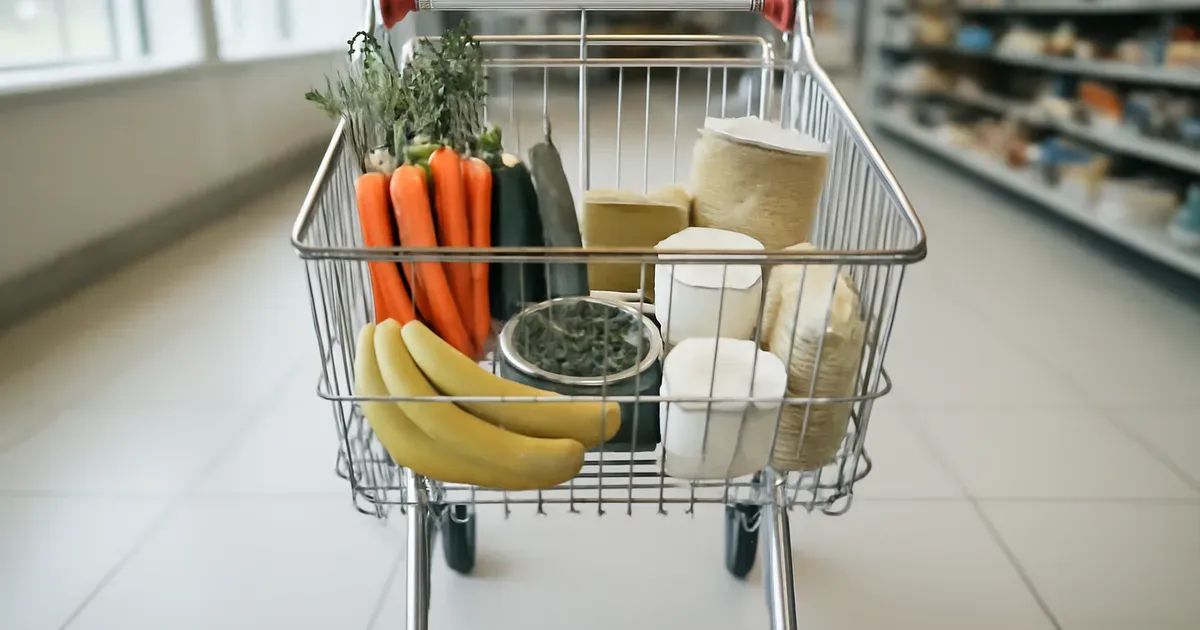
Navigating the supermarket with IBS or a sensitive gut is one of those quietly exhausting experiences that healthy people rarely think about. Which bread is safe? Does that sauce contain onion? Is this yoghurt going to ruin your afternoon? If you've been there, a well-organised low FODMAP grocery list can genuinely change your week.
But a shopping list alone only tells half the story. What you eat directly shapes your gut microbiome — the trillions of bacteria, fungi, and other microorganisms living in your digestive tract. UK microbiome research, including landmark work from King's College London's British Gut Project, has shown that diet is the single most powerful lever we have for improving gut health naturally. So whether you're managing IBS symptoms or simply want to support your gut-brain connection, knowing what to put in your trolley matters enormously.
This guide walks you through a practical, category-by-category low FODMAP grocery list designed for the UK context — with the science of what's actually happening in your gut woven throughout.
What Is the Low FODMAP Diet and Why Does It Matter for Gut Health UK?
FODMAPs are a group of fermentable carbohydrates — Fermentable Oligosaccharides, Disaccharides, Monosaccharides, and Polyols — that are poorly absorbed in the small intestine. For people with irritable bowel syndrome (IBS), they can trigger bloating, cramping, diarrhoea, and constipation. The NHS estimates that IBS affects up to one in five people in the UK at some point in their lives, making it one of the most common gut conditions managed through dietary change.
The low FODMAP diet was developed by researchers at Monash University and has since been widely adopted by NHS dietitians and the British Dietetic Association (BDA) as a first-line dietary intervention for IBS. It works in three phases: elimination, reintroduction, and personalisation. The grocery list you use during the elimination phase is the most critical — one stray ingredient (often hidden onion or garlic in a stock cube or sauce) can set you back days.
What's less often discussed is how the low FODMAP diet interacts with your gut microbiome. Some research, including studies from King's College London, has noted that strict, long-term FODMAP restriction can reduce populations of beneficial bacteria like Bifidobacterium. This is why the reintroduction phase isn't optional — it's how you find your personal threshold and protect your microbiome UK biodiversity over time.

Your Low FODMAP Grocery List by Category
A category-by-category approach is far more practical than a flat list, especially when you're scanning labels in a busy supermarket aisle. Here's what to look for across the core food groups.
Fruits and Vegetables
Low FODMAP fruits to pick up include:
- Bananas (firm, unripe are lower in FODMAPs)
- Blueberries (up to 40g per serving)
- Strawberries
- Oranges and clementines
- Grapes
- Kiwi fruit
- Tinned pineapple (in juice, not syrup)
- Melon (cantaloupe and honeydew in small portions)
Low FODMAP vegetables to add to your trolley:
- Carrots
- Courgette
- Cucumber
- Aubergine
- Spinach (not baby spinach in large quantities)
- Red and yellow peppers
- Tomatoes (common, cherry, and tinned)
- Potatoes (white, red, and sweet potato in small portions)
- Pak choi
- Canned chickpeas (rinsed — rinsing reduces FODMAP content significantly)
- Spring onion greens only (not the white bulb)
What to avoid: Onion, garlic, leek, cauliflower, mushrooms, apples, pears, watermelon, and stone fruits (peaches, nectarines, cherries) in standard portions are all high FODMAP and common triggers for gut symptoms.
Pantry and Baking Staples
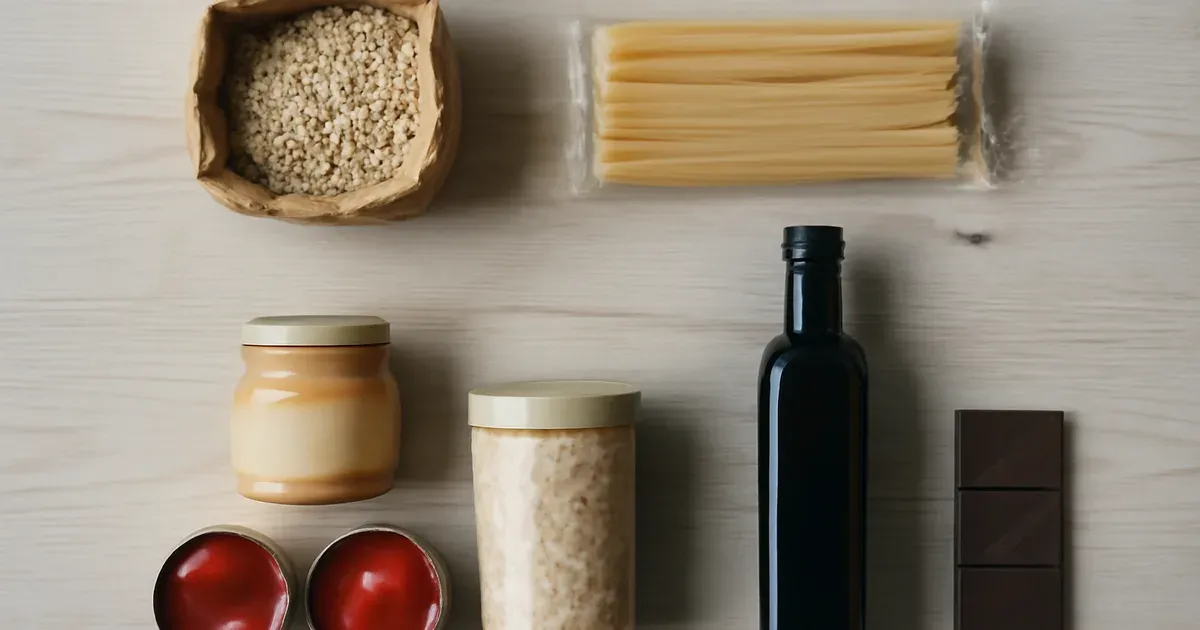
Your store-cupboard forms the backbone of any gut-friendly eating plan. Look for these safe staples:
- Oats (rolled, gluten-free certified if you're also gluten-sensitive)
- Rice (all types — white, brown, basmati)
- Quinoa
- Gluten-free pasta
- Rice noodles
- Sourdough spelt bread (in small portions — the fermentation process reduces fructans)
- Tinned tomatoes (check labels for added onion or garlic)
- Low FODMAP stock (standard supermarket stocks almost always contain onion or garlic — specialist brands or homemade is safer)
- Soy sauce (use tamari for gluten-free)
- Maple syrup
- Caster sugar and icing sugar
- Gluten-free plain flour and baking powder
- Dark chocolate (70%+ cocoa, up to 30g)
Proteins and Dairy Alternatives
Protein sources are largely safe on a low FODMAP diet, which is reassuring for meal planning:
- Chicken, turkey, beef, lamb, and pork (plain, not marinated in onion or garlic)
- Fresh or frozen fish and seafood
- Eggs
- Firm tofu (silken tofu is higher in FODMAPs)
- Canned tuna and salmon (in spring water or brine)
- Quorn mince and pieces (check for added onion)
For dairy and alternatives:
- Lactose-free milk (widely available in UK supermarkets including Tesco, Sainsbury's, and Waitrose)
- Hard cheeses (cheddar, parmesan, brie — lactose is minimal)
- Lactose-free yoghurt
- Butter (small amounts)
- Almond milk (plain, unsweetened — max 240ml)
- Oat milk (small portions — oat milk can be borderline for some people)
- Coconut milk (canned, up to 120ml)
Snacks and Condiments
Snacking on the low FODMAP diet is where many people get caught out — most commercial snack foods contain hidden FODMAPs. Safe options include:
- Rice cakes
- Plain popcorn
- Peanut butter (check it's just peanuts and salt)
- Pecans and walnuts (up to 10 per serving)
- Pumpkin seeds
- Gluten-free crackers (check for onion or garlic powder)
- Dark chocolate rice cakes
For condiments:
- Garlic-infused olive oil (the FODMAP compounds in garlic are water-soluble, not fat-soluble, so infused oils are generally safe — but choose ones made without garlic pieces)
- Mayonnaise (standard)
- Mustard (wholegrain or Dijon)
- Balsamic vinegar (up to 1 tablespoon)
- Low FODMAP tomato ketchup (check labels)
- Tamari or soy sauce
Seasonings and Oils
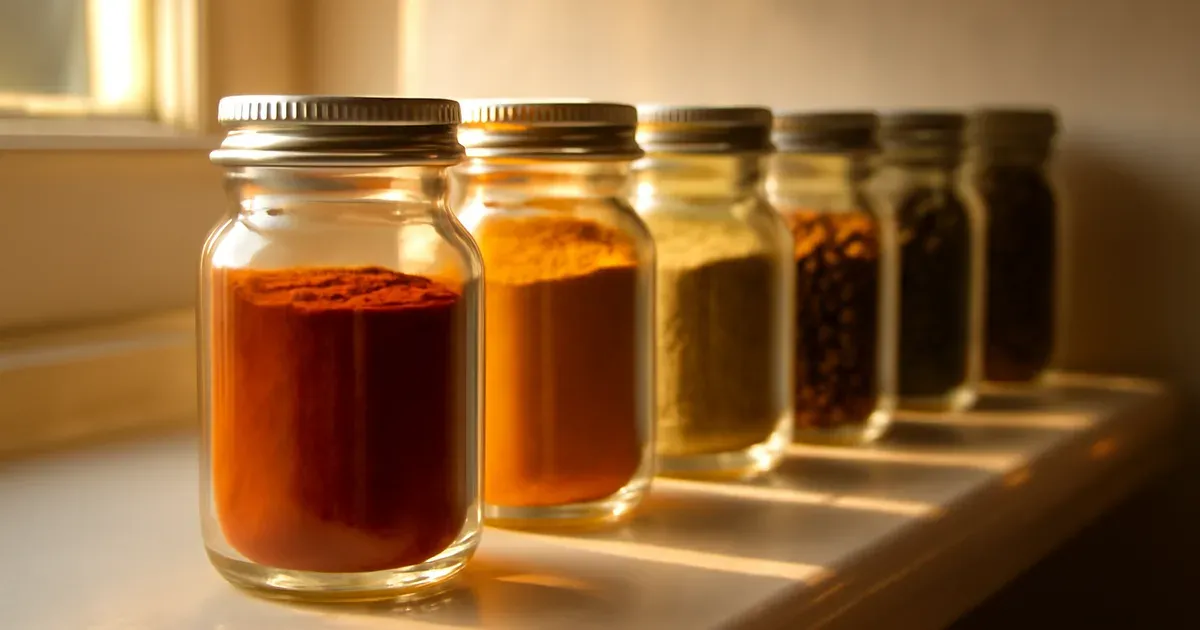
This is the category that trips people up most. Onion powder and garlic powder are concentrated sources of FODMAPs and appear in a huge range of spice blends, dry rubs, and seasoning packets. Always read the label.
Safe seasonings include:
- Chilli flakes and fresh chilli
- Paprika (smoked or sweet)
- Cumin, coriander, turmeric, ginger
- Oregano, basil, thyme, rosemary
- Lemongrass
- Fenugreek leaves
- Salt and black pepper
- Bay leaves
Safe oils: olive oil, garlic-infused olive oil, coconut oil, rapeseed oil (common in the UK), sesame oil.
How Your Gut Microbiome Responds to What You Buy
Every item in your trolley is also a message to your microbiome. The 38 trillion microorganisms in your gut don't just process food — they produce neurotransmitters, regulate inflammation, and communicate with your brain via the vagus nerve. This is the gut-brain connection, and it's one of the most active areas of UK microbiome research.
Researchers at the University of Reading and Imperial College London have shown that dietary fibre — specifically prebiotic fibre from foods like oats, bananas, and certain vegetables — feeds beneficial bacteria that produce short-chain fatty acids (SCFAs). SCFAs like butyrate are anti-inflammatory and play a key role in maintaining the gut lining. This matters even on a low FODMAP diet: while you're restricting certain fermentable carbohydrates to manage symptoms, you still want to maintain fibre diversity where your gut allows it.
The British Gut Project, run by King's College London, analysed gut microbiome data from thousands of UK participants and found that people who eat 30 or more different plant foods per week have significantly more diverse microbiomes. Diversity is protective. Even within low FODMAP parameters, aiming for variety — rotating your safe fruits and vegetables, experimenting with different grains, mixing up your protein sources — helps preserve the gut microbial diversity that supports everything from mood to immunity.
The gut-brain connection also means that managing IBS symptoms through diet isn't just about your digestive comfort. Chronic gut inflammation and dysbiosis (an imbalanced microbiome) have been linked in UK and international research to anxiety, low mood, and cognitive fog. Getting your grocery list right is, in a very real sense, also looking after your mental wellbeing.
Tips for Using Your Low FODMAP Grocery List in UK Supermarkets
UK supermarkets present specific challenges for low FODMAP shoppers. Many own-brand stocks, sauces, soups, and ready meals contain onion and garlic as standard. Here's how to navigate them more efficiently:
- Use the Monash FODMAP app — developed by Monash University, it's the gold standard reference tool and is regularly updated. Download it before your first low FODMAP shop.
- Check own-brand labels carefully — Tesco Free From, Sainsbury's Free From, and Waitrose own-brand ranges often have simpler ingredient lists, but always verify.
- Shop the perimeter first — fresh produce, meat, and dairy lines the outer aisles of most UK supermarkets and are naturally lower in hidden additives.
- Buy specialist low FODMAP condiments and sauces — brands that clearly label their products as low FODMAP and free from onion and garlic take the guesswork out of the most problematic pantry category.
- Batch cook and freeze — safe low FODMAP meals like soups, curries, and pasta sauces made with compliant ingredients can be portioned and frozen, reducing the pressure on your next shop.
- Ask your GP for a dietitian referral — the NHS pathway for IBS includes dietary advice from a registered dietitian. The BDA recommends working with a professional during the elimination phase to avoid unnecessary restriction.

Improve Gut Health Naturally: Beyond the Shopping List
A low FODMAP grocery list is a starting point, not a permanent state. The goal, as NHS guidance and the BDA both emphasise, is symptom management during elimination and careful reintroduction to identify your personal triggers. Long-term gut health UK strategies go further.
- Prioritise sleep: Poor sleep disrupts the gut microbiome within days, according to research from the MRC (Medical Research Council). Aim for 7–9 hours.
- Manage stress: The gut-brain connection runs both ways. Chronic stress alters gut motility and microbiome composition. Mindfulness-based interventions have shown measurable effects on IBS symptoms in UK clinical trials.
- Move regularly: Physical activity increases gut microbiome diversity. Even 30 minutes of brisk walking daily — in line with NHS physical activity guidelines — makes a measurable difference.
- Stay hydrated: The NHS recommends 6–8 glasses of fluid per day. Water and herbal teas (peppermint is particularly well-evidenced for IBS) support gut motility.
- Reintroduce systematically: Work with a dietitian to bring foods back one at a time. Most people find they can tolerate more than they initially thought — and expanding dietary variety is the best long-term investment in your microbiome UK health.
The Bottom Line
A well-built low FODMAP grocery list removes the daily cognitive load of managing a sensitive gut, letting you shop with confidence and cook without second-guessing every ingredient. But the science is clear: your shopping basket is also shaping your microbiome, your gut-brain connection, and ultimately your broader health.
For UK shoppers, the combination of NHS support, BDA guidance, and the growing body of British diet gut health research means you're better resourced than ever. Use this list as your foundation, vary your safe foods as widely as you can, and remember that the elimination phase is a diagnostic tool — not a life sentence.
You might also like
- 7 Natural Ways to Boost GLP-1 and Gut Health
- Your Gut Microbiome & Psychedelic Therapy
- Children's Gut Health and Immunity: What Parents Should Know
Frequently Asked Questions
Is the low FODMAP diet recommended by the NHS in the UK?
Yes. The NHS recommends the low FODMAP diet as a dietary approach for managing IBS symptoms, typically alongside guidance from a registered dietitian. The British Dietetic Association (BDA) also endorses it as a first-line dietary intervention for IBS. If you think you have IBS, speak to your GP first to rule out other conditions before starting the diet.
Can following a low FODMAP diet harm my gut microbiome?
It can if followed too strictly for too long. Research, including studies from King's College London, has shown that prolonged restriction of fermentable fibres can reduce beneficial gut bacteria like Bifidobacterium. This is why the reintroduction and personalisation phases are essential — they help you identify your triggers while preserving microbiome UK diversity.
What are the most common hidden FODMAPs in UK supermarket products?
Onion and garlic are the most widespread hidden FODMAPs in UK supermarket products. They appear in stocks, gravies, soups, ready meals, spice blends, crisps, sauces, and even some breads. Always check the ingredients list, not just the front-of-pack claims. The Monash FODMAP app is an invaluable tool for checking branded products.
How long does the low FODMAP elimination phase last?
Typically two to six weeks, according to NHS and BDA guidance. It should not be extended beyond this without professional advice. The elimination phase is designed to identify whether FODMAPs are contributing to your symptoms — not to be a permanent way of eating. After elimination, reintroduction should begin under the guidance of a dietitian.
Which UK supermarkets are best for low FODMAP shopping?
Most major UK supermarkets — including Tesco, Sainsbury's, Waitrose, M&S, and Ocado — carry the basics you need. Free From ranges can be helpful for gluten-free grains and breads. Specialist low FODMAP condiments and sauces are increasingly available online. Ocado in particular stocks a wider range of specialist gut health and Free From brands than many physical stores.
96 Bacterial Strains. Two Shots a Day.
GOODIE is an award-winning fermented drink with 96 live bacterial strains — more than any yogurt or kombucha — never pasteurised, clinically tested, and 8 in 10 users felt less bloating within 14 days. Curious?