7 Natural Ways to Boost GLP-1 and Gut Health
Discover 7 evidence-based ways to boost natural GLP-1 and improve gut health in the UK through diet, exercise, and microbiome science.

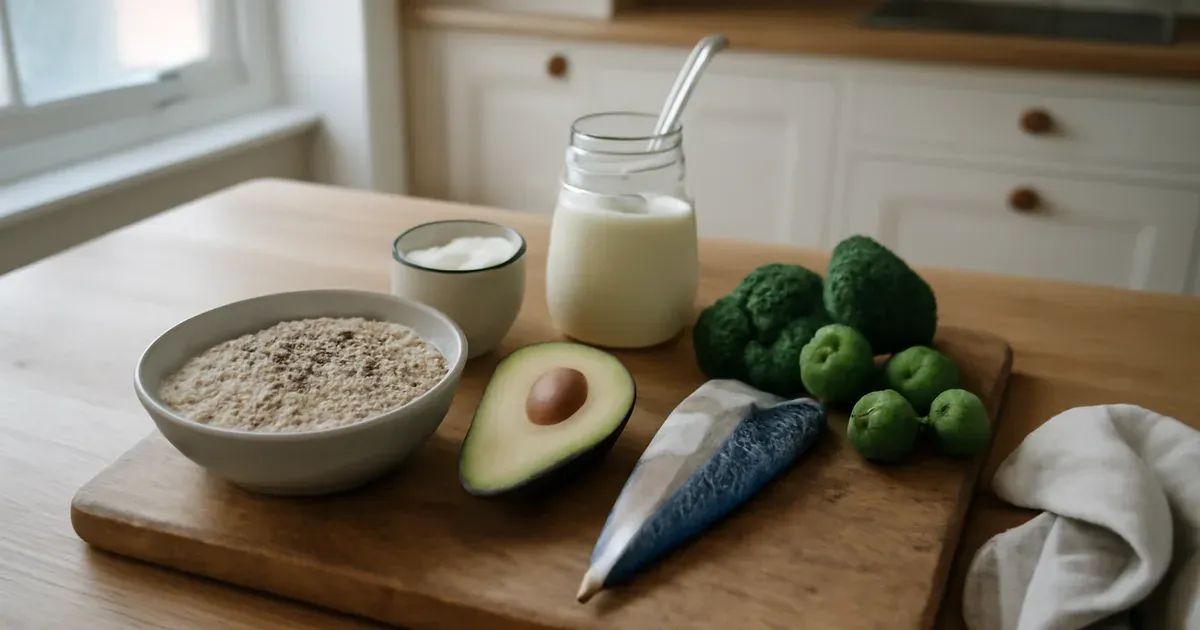
You've probably heard about GLP-1 drugs dominating health headlines. What most people don't realise is that GLP-1 is a hormone your body already produces — and your gut microbiome plays a starring role in how much of it you make. The gut-brain connection is far more relevant to your weight and appetite than most of us were ever taught. If you want to improve gut health naturally and support your own GLP-1 production, the evidence points to seven surprisingly achievable changes.
Research from King's College London and the British Gut Project confirms that the diversity of your gut microbiome directly influences key metabolic hormones, including GLP-1 — meaning your daily food choices are shaping your appetite signals at a biological level.
1. Feed Your Gut Bacteria with Soluble Fibre
Soluble fibre is the single most important dietary lever for natural GLP-1 production in the UK, yet most British adults consume barely half the recommended amount. When fibre reaches your colon, gut bacteria ferment it into short-chain fatty acids (SCFAs), which directly stimulate L-cells in your intestinal lining to release GLP-1. This is the gut-brain connection in action: bacteria signal hormones that tell your brain you're full. The UK Eatwell Guide recommends 30g of fibre daily for adults — start with oats, chia seeds, flaxseeds, beans, broccoli, Brussels sprouts, and sweet potatoes, adding one new source per week to avoid digestive discomfort.
2. Prioritise Lean Protein at Every Meal
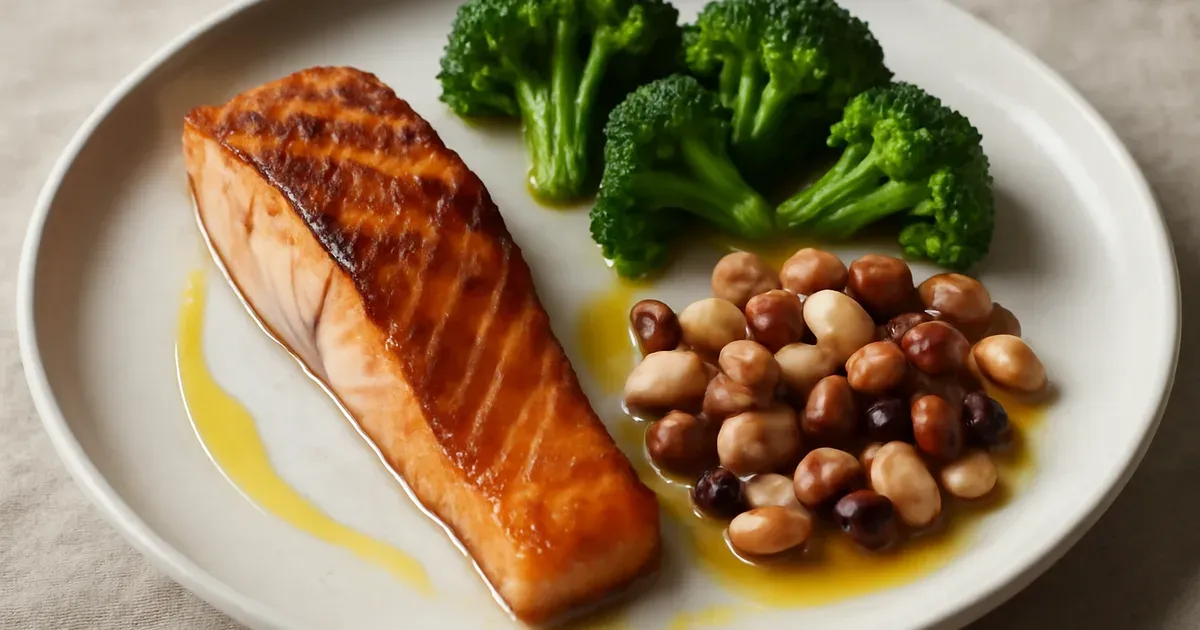
Protein is one of the most potent natural triggers for GLP-1 release, acting on the same L-cells that fibre stimulates — but through a different biological pathway involving amino acid sensors in the gut wall. Higher protein intake also preserves muscle mass, which matters deeply for long-term metabolic health and a healthy weight. The British Dietetic Association recommends roughly 0.75g of protein per kilogram of body weight daily for most UK adults; prioritise chicken, fish, eggs, and legumes, and aim to include a quality protein source at every meal rather than loading it all at dinner.
3. Add Healthy Fats to Slow Digestion and Lift GLP-1
Monounsaturated fats and omega-3 fatty acids have been shown in multiple studies to increase GLP-1 secretion and slow gastric emptying — meaning food stays in your stomach longer and satiety signals remain elevated. This matters for the gut-brain axis because a slower transit time gives L-cells more opportunity to detect nutrients and release GLP-1 in sustained pulses rather than one sharp spike. Swap ultra-processed snacks for a handful of walnuts, drizzle extra-virgin olive oil over your vegetables, eat oily fish such as mackerel or sardines twice a week, and include half an avocado with lunch where possible.
4. Eat Fermented Foods to Diversify Your Microbiome
The link between fermented foods and gut health in the UK is attracting serious scientific attention, with University of Reading researchers among those exploring how live cultures reshape the microbiome in ways that support metabolic hormone production. Specific strains of Lactobacillus and Bifidobacterium have been shown to upregulate GLP-1 secretion by modulating the gut-brain connection at the level of the enteric nervous system. Aim to include at least one fermented food daily — natural live yogurt, kefir, sauerkraut, or kimchi — and rotate between them to encourage microbial diversity, which UK microbiome research consistently identifies as a marker of good metabolic health.
Key stat: A landmark study supported by the Wellcome Trust found that individuals with higher gut microbiome diversity produced measurably more GLP-1 in response to a standard meal than those with low-diversity microbiomes — independent of body weight or calorie intake.

5. Make Exercise a Non-Negotiable Gut-Brain Habit
Both aerobic exercise and strength training raise GLP-1 levels — and the gut-brain benefits extend well beyond the workout itself, with microbiome diversity increasing in regular exercisers compared to sedentary individuals, according to data from the UK Biobank. NHS guidelines recommend 150 minutes of moderate activity per week (brisk walking, swimming, or cycling all count), plus two sessions of resistance training. Consistency matters more than intensity: a 30-minute walk five days a week, combined with bodyweight or resistance band exercises twice weekly, is enough to meaningfully shift your natural hormone profile and improve gut health naturally over time.
6. Align Your Meals with Your Body Clock
GLP-1 follows a circadian rhythm, with your body naturally primed to secrete more of it during daylight hours — a pattern that MRC-funded chronobiology research at the University of Cambridge has helped to clarify. Eating late at night or skipping breakfast disrupts this rhythm, blunting the GLP-1 response to food and undermining the gut-brain signalling that controls appetite. Try to eat your largest meals earlier in the day, maintain consistent mealtimes seven days a week, and allow at least a 12-hour overnight fast where possible — not as a diet rule, but as a way to reset your gut microbiome and restore your natural hormone rhythm.
7. Manage Stress to Protect Your Gut and Your Hormones
Chronic stress is one of the most underestimated threats to both gut health in the UK and natural GLP-1 production. Elevated cortisol directly impairs GLP-1 release, disrupts the gut microbiome by reducing beneficial bacterial diversity, and triggers the kind of high-calorie comfort eating that compounds the problem. The gut-brain connection runs both ways: a stressed brain inflames the gut, and an inflamed gut sends distress signals back to the brain. NHS-recommended stress management tools — adequate sleep (7–9 hours), mindfulness practice, time outdoors, and reducing alcohol — all support a healthier microbiome environment and a more responsive hormonal system.

These seven strategies won't replicate the dramatic effects of prescription GLP-1 medications, and it's important to be honest about that. Clinical data shows that drugs like semaglutide can produce 15% or more body weight loss, while lifestyle changes typically achieve 5–10%. But for the millions of UK adults who want to improve gut health naturally, support their microbiome, and work with their body's own chemistry, these approaches are evidence-based, sustainable, and genuinely effective. Speak to your GP or a registered dietitian (via the BDA's Find a Dietitian tool) if you're unsure where to start.
You might also like
- Your Gut Microbiome & Psychedelic Therapy
- Gut Health UK: Your Biggest Questions Answered
- Children's Gut Health and Immunity: What Parents Should Know
Frequently Asked Questions
What is GLP-1 and why does it matter for gut health in the UK?
GLP-1 (glucagon-like peptide-1) is a hormone produced by L-cells in your small intestine and colon. It signals fullness to the brain, stimulates insulin release, and slows gastric emptying. Because it is released in direct response to gut bacteria activity and the nutrients you eat, it sits at the intersection of microbiome UK science and metabolic health — making diet one of the most powerful tools to influence it naturally.
Can the British diet support better GLP-1 production?
Yes — but the average British diet gut health profile needs work. UK adults consume on average only 18g of fibre per day against a 30g target, and ultra-processed foods now make up over 50% of calorie intake in some UK population surveys. Shifting towards a fibre-rich, protein-adequate, fermented-food-inclusive diet aligned with the UK Eatwell Guide can meaningfully improve both microbiome diversity and natural GLP-1 output.
How long does it take to improve gut health naturally?
Microbiome shifts can begin within days of dietary change, according to research published by scientists at University College London, though meaningful and lasting improvements in gut-brain signalling and GLP-1 responsiveness typically emerge over four to eight weeks of consistent habit change. Patience and consistency outperform any short-term intervention.
Is there NHS support for gut health and weight management?
The NHS offers several relevant pathways, including the NHS Digital Weight Management Programme, GP referrals to dietitians, and — for eligible patients — NHS-prescribed GLP-1 medications. For those wanting to improve gut health naturally first, the NHS website provides guidance on fibre intake, physical activity, and stress management that aligns well with the strategies above.
Do probiotics actually boost GLP-1?
The evidence is promising but still emerging. Several human studies, including work supported by the BBSRC and carried out at UK institutions, show that specific probiotic strains can modestly increase GLP-1 secretion, particularly when combined with a high-fibre diet that gives those bacteria something to ferment. Fermented whole foods appear to offer broader microbiome benefits than single-strain supplements, though individual responses vary considerably.
96 Bacterial Strains. Two Shots a Day.
GOODIE is an award-winning fermented drink with 96 live bacterial strains — more than any yogurt or kombucha — never pasteurised, clinically tested, and 8 in 10 users felt less bloating within 14 days. Curious?