Your Gut Microbiome & Psychedelic Therapy
Explore how the gut-brain connection and UK microbiome research intersect with psychedelic therapy, and what it means for mental health and personalised medicin

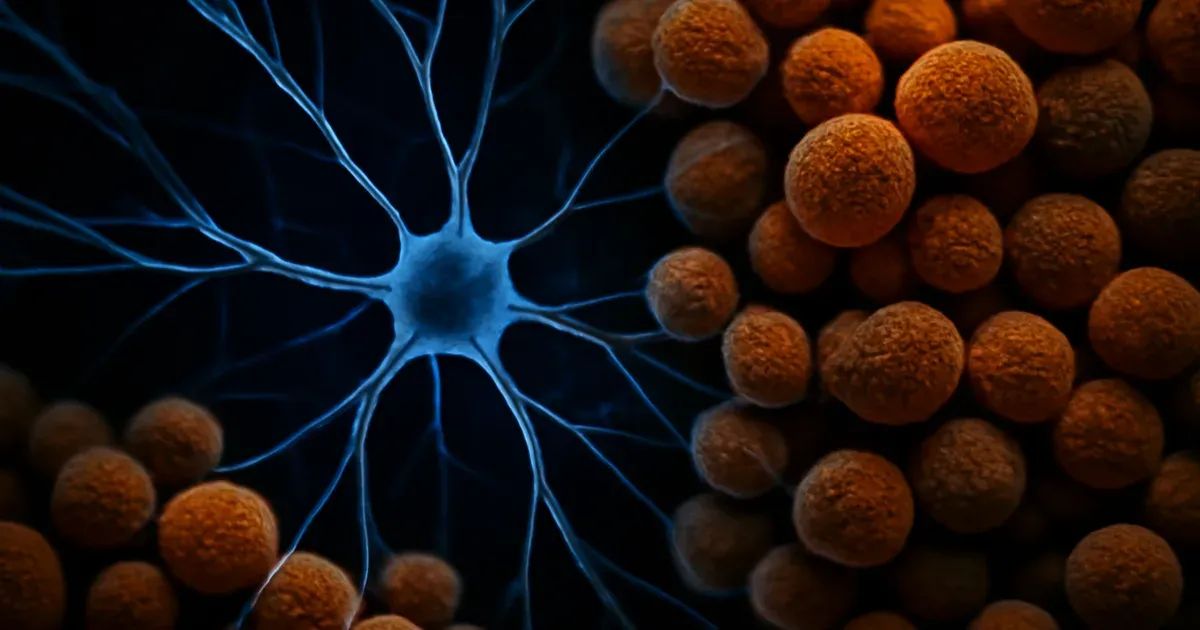
What if the trillions of microbes living in your gut are quietly shaping how you think, feel — and even how you might respond to the next wave of mental health treatments? It sounds like science fiction, but emerging research is pointing to a remarkable truth: the gut-brain connection is far more powerful than most of us realise, and it may hold the key to understanding why some people respond differently to cutting-edge therapies, including psychedelics.
In the UK, interest in gut health has never been higher. From the British Gut Project to landmark studies at King's College London and the University of Reading, scientists are uncovering the profound ways in which our microbiome shapes our minds. Now, a bold new frontier is opening at the crossroads of gut microbiome science and the so-called psychedelic renaissance — a resurgence of clinical research into substances like psilocybin and DMT as treatments for depression, anxiety, and PTSD.
This article unpacks what the science currently tells us, why the gut-brain axis matters for mental health in the UK, and what all of this might mean for the future of personalised medicine.
The Gut–Brain Connection: A Two-Way Street
The gut and the brain are in constant conversation. This bidirectional communication system — known as the gut–brain axis — integrates neural, hormonal, and immunological signals between your gastrointestinal tract and your central nervous system. It is not a one-way broadcast; messages travel in both directions, continuously.
Key communication channels include the vagus nerve (a long, wandering nerve that links the brainstem to the abdomen), the hypothalamic–pituitary–adrenal (HPA) axis, and the enteric nervous system (ENS) — sometimes called the "second brain" because it contains around 500 million neurons embedded in the gut wall. The ENS controls gut motility, secretion, and absorption, whilst also relaying sensory information back to the brain via primary afferent neurons.
The gut microbiome — the vast ecosystem of bacteria, fungi, viruses, and other microorganisms living in your digestive tract — sits at the heart of this axis. Through producing metabolites, modulating immune responses, and interacting directly with enteroendocrine cells, gut microbes exert a measurable influence on brain activity, mood, and cognition. Research supported by institutions such as the Wellcome Trust and the MRC has helped establish that disruptions to this microbial ecosystem are associated with anxiety, depression, stress, and even cognitive impairment.
In the UK, gut health UK research is increasingly prioritised at a national level, with the British Gut Project — a citizen science initiative — generating one of the largest microbiome datasets in the world. The picture emerging is one of extraordinary individuality: no two people's microbiomes are identical, and those differences appear to matter enormously for both physical and mental well-being.
How Your Microbiome Shapes Mood and Mental Health
Microbiome UK science has firmly established that gut bacteria influence the production of key neurotransmitters. Approximately 90% of the body's serotonin is produced in the gut, and gut microbes play a direct role in regulating its synthesis. Serotonin, of course, is central to mood regulation, sleep, and appetite — and it is the primary target of many antidepressant medications prescribed via NHS pathways.
Beyond serotonin, the microbiome produces short-chain fatty acids (SCFAs), which cross the blood–brain barrier and influence neuroinflammation. Gut bacteria also modulate the immune system in ways that affect brain function; chronic low-grade inflammation — often linked to an imbalanced microbiome — is now considered a significant driver of depression and anxiety.
The field of psychobiotics has grown directly from these insights. Psychobiotics are live organisms (probiotics) or dietary interventions (prebiotics) that, when consumed in adequate amounts, confer a measurable mental health benefit through interactions with the gut microbiota. Researchers at University College London and the University of Oxford are among those investigating how targeted microbiome interventions might complement existing NHS mental health treatments.
For health-conscious adults in the UK, this translates into practical interest: could improving gut health naturally — through dietary fibre, fermented foods, and reduced ultra-processed food intake — also improve resilience, mood, and cognitive clarity? The evidence is increasingly pointing to yes.
The Psychedelic Renaissance Meets Gut Science
A new wave of clinical research is taking psychedelic therapy seriously as a mental health treatment, and the UK is not on the sidelines. Imperial College London's Centre for Psychedelic Research has led groundbreaking trials exploring psilocybin (the active compound in magic mushrooms) as a treatment for treatment-resistant depression. Results have been promising enough to prompt ongoing NHS-adjacent interest in how these therapies might eventually be integrated into standard care.
But here is where the gut-brain connection introduces a fascinating complication: individual responses to psychedelic substances vary enormously. Two people given the same dose of psilocybin or DMT (a psychoactive compound found in ayahuasca) can have radically different experiences. Why? Genetics, psychology, and set-and-setting all play a role — but a 2023 review published in Frontiers journals proposes that the gut microbiome may be another critical variable.
The microbiome appears to influence the metabolism and bioavailability of psychedelic substances. Specific gut bacteria have been shown to modulate the metabolism of DMT, which may alter how much of the compound reaches the brain and what pharmacological effects it produces. If your microbial community processes a substance differently from someone else's, the therapeutic outcome could differ significantly — even at identical doses.

Microbiome Variations and Individual Responses to Psychedelics
The concept of personalised medicine has gained traction across many areas of healthcare, and the gut microbiome adds a compelling new layer to that conversation. Just as pharmacogenomics (the study of how genes affect drug response) has begun to influence prescribing decisions in the UK, microbiome composition may one day inform how psychedelic-assisted therapies are administered and dosed.
The microbiome's role in modulating drug effects is already well-established for conventional medications. Research has shown that gut bacteria influence the metabolism of antipsychotics and antidepressants, affecting both their efficacy and side-effect profiles. The same logic, applied to psychedelics, opens intriguing questions: could a person's microbial fingerprint predict whether a psilocybin session will be therapeutically beneficial or distressing? Could microbiome-targeted interventions — prebiotics, probiotics, or dietary changes — be used to prime the gut before a psychedelic therapy session?
These are not idle speculations. They represent a genuine research frontier, one that integrates psychopharmacology, microbiology, and neuroscience in ways that were scarcely imaginable a decade ago. For UK microbiome research, this represents an opportunity to position British science at the forefront of a transformative field.
It is also worth noting that gut microbiome composition is itself shaped by lifestyle factors that are highly modifiable. Diet — particularly the diversity and quantity of dietary fibre consumed — is the single largest determinant of microbiome richness. The UK Eatwell Guide recommends 30g of fibre per day, yet the average British adult consumes only around 18g. Closing that gap through whole grains, legumes, vegetables, and fruit is one of the most evidence-backed ways to improve gut health naturally and support a thriving microbial ecosystem.

Risks, Benefits, and What We Don't Yet Know
Any honest appraisal of this field must acknowledge significant gaps in our knowledge. The intersection of the microbiome and psychedelic therapy is genuinely in its infancy. Most of what we understand about the gut-brain connection comes from animal studies or observational human research; we do not yet have robust clinical trials specifically examining how microbiome composition modifies psychedelic outcomes in humans.
There are also potential risks to consider. If microbiome-targeted interventions are used to enhance the effects of psychedelic substances, this could amplify not just therapeutic benefits but also adverse reactions — including anxiety, psychological distress, or, in rare cases, more serious psychiatric events. The British Dietetic Association emphasises that any probiotic or prebiotic supplementation should be approached with evidence in mind, and the same caution applies here.
Regulatory and ethical dimensions are equally important, particularly within the NHS context. Psychedelic-assisted therapy remains tightly regulated in the UK, and rightly so. Any future integration of microbiome science into psychedelic treatment protocols will need to meet the same rigorous standards of safety and efficacy that govern all clinical interventions.
What is clear is that the gut-brain connection offers a genuinely novel lens through which to understand mental health — and one that aligns well with a broader shift in medicine towards personalisation, prevention, and systems-level thinking.
How to Support Your Gut–Brain Axis Right Now
You do not need to wait for psychedelic therapy to benefit from nurturing your gut-brain axis. The same microbiome-supportive habits that may one day prove relevant in clinical settings are beneficial for everyday mental well-being. Here is what the evidence currently supports:
- Eat more dietary fibre. Aim for the 30g daily target recommended by the UK Eatwell Guide. Variety matters — different fibres feed different bacterial species, supporting overall microbiome diversity.
- Include fermented foods. Yoghurt, kefir, sauerkraut, kimchi, and kombucha provide live cultures that can contribute to a more diverse microbiome. Research from King's College London's TwinsUK cohort has linked fermented food consumption to positive gut and mental health markers.
- Reduce ultra-processed foods. These are associated with reduced microbiome diversity and increased systemic inflammation — both of which negatively affect the gut-brain axis.
- Manage stress actively. The gut-brain connection runs both ways: chronic psychological stress disrupts the microbiome via the HPA axis. Mindfulness, exercise, and adequate sleep all support microbial balance.
- Speak to your GP. If you are experiencing mental health difficulties, NHS services remain the first port of call. Gut health interventions are complementary — not a replacement — for evidence-based clinical care.
The Bottom Line
The gut-brain connection is reshaping how scientists think about mental health — and the emerging link between the microbiome and psychedelic therapy is one of the most thought-provoking chapters in that story. In the UK, world-class research at institutions like Imperial College London and King's College London is helping to drive this field forward, with potential implications for personalised mental health treatment that could eventually feed into NHS pathways.
For now, the most empowering takeaway is this: your gut microbiome is not fixed. It responds — often within days — to changes in diet, lifestyle, and stress. Improving gut health naturally is one of the most impactful investments you can make in your long-term mental and physical well-being, whatever the future of psychedelic science may bring.
Frequently Asked Questions
What is the gut-brain connection and why does it matter for mental health?
The gut-brain connection refers to the bidirectional communication network linking your gastrointestinal tract and your central nervous system. It operates via the vagus nerve, the enteric nervous system, the HPA axis, and immune pathways. Because gut microbes influence neurotransmitter production and neuroinflammation, disruptions to the microbiome can directly affect mood, cognition, and stress responses.
How might the gut microbiome affect psychedelic therapy?
Research suggests that gut bacteria can influence the metabolism and bioavailability of psychedelic compounds such as DMT and psilocybin, potentially altering how much of the substance reaches the brain and what therapeutic or psychological effects it produces. This may partly explain why individuals respond so differently to the same dose of a psychedelic substance.
Can improving gut health naturally support mental well-being in the UK?
Yes — evidence increasingly supports the idea that a diverse, fibre-rich diet supports a healthy microbiome, which in turn benefits mood and cognitive function via the gut-brain axis. NHS guidance and the UK Eatwell Guide both recommend 30g of dietary fibre per day, though most British adults fall significantly short of this target. Practical steps include eating more vegetables, legumes, whole grains, and fermented foods.
Is psychedelic therapy available on the NHS?
Psychedelic-assisted therapy is not currently available as a standard NHS treatment in the UK. It remains a tightly regulated area of clinical research. Psilocybin therapy has been explored in NHS-adjacent trials at Imperial College London, but wider availability would require full regulatory approval and integration into NHS pathways — a process likely to take several years.
What is UK microbiome research contributing to this field?
The UK is home to some of the world's leading microbiome research, including the British Gut Project, studies at King's College London's TwinsUK cohort, and MRC- and Wellcome Trust-funded work at the Universities of Oxford, Reading, and Nottingham. This research is building the evidence base for how microbiome composition relates to mental health, drug metabolism, and personalised medicine — including the emerging intersection with psychedelic science.
You might also like
- How to Reduce Psilocybin Gut Side Effects Fast
- Gut Health UK: Your Biggest Questions Answered
- Your Mouth Microbiome & Gut Health: The Link
96 Bacterial Strains. Two Shots a Day.
GOODIE is an award-winning fermented drink with 96 live bacterial strains — more than any yogurt or kombucha — never pasteurised, clinically tested, and 8 in 10 users felt less bloating within 14 days. Curious?