Low FODMAP Snacks: Your Biggest Questions Answered
Discover the best low FODMAP snacks for gut health in the UK — practical ideas, microbiome science, and gut-brain tips answered.

Following a low FODMAP diet in the UK can feel overwhelming — especially when snack time rolls around and your usual options are off the table. Whether you are newly diagnosed with IBS or simply trying to improve gut health naturally, finding snacks that are both satisfying and gut-friendly is one of the most common struggles. This guide answers the questions people most frequently ask, blending practical snack ideas with the latest thinking on gut health, the microbiome, and the gut-brain connection.
Jump to Your Question
What snacks can I eat on a low FODMAP diet?
How does snacking affect gut health and the microbiome?
What are the best low FODMAP snacks to buy in the UK?
Can dairy be part of a low FODMAP snack plan?
How do low FODMAP snacks support the gut-brain connection?
What low FODMAP snacks can I prep in advance?
How do I boost fibre on a low FODMAP diet?
Are there low FODMAP snacks suitable for work or school?
What snacks can I eat on a low FODMAP diet?
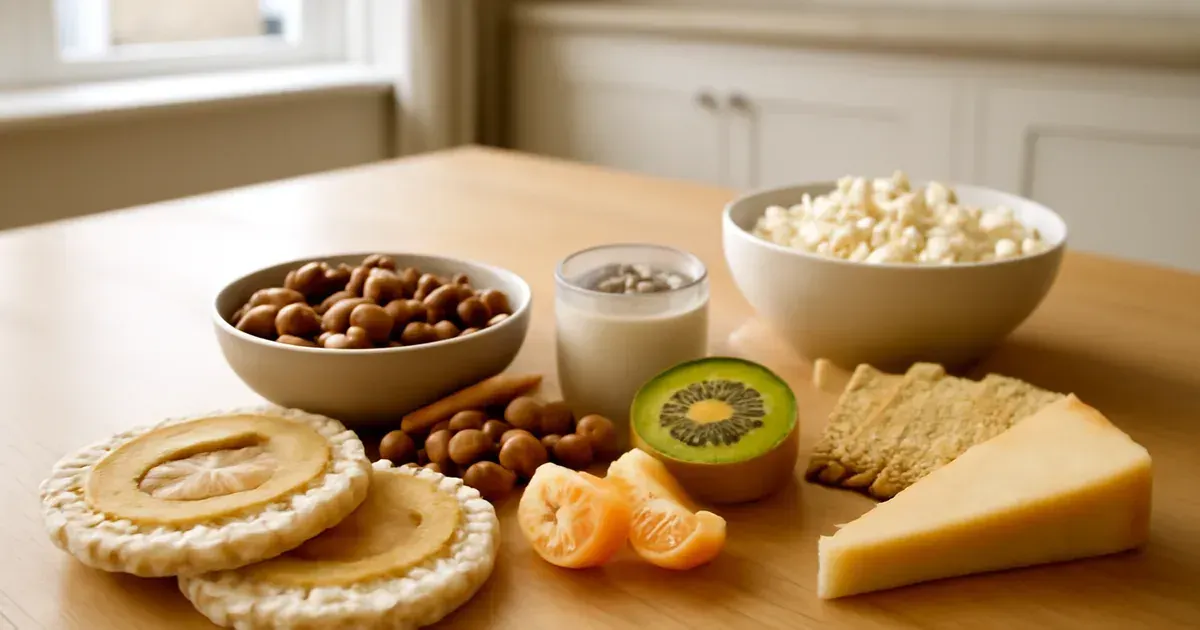
A wide variety of snacks are suitable on a low FODMAP diet, including fresh fruit, certain dairy products, nuts, rice cakes, popcorn, and boiled eggs. The FODMAP approach, developed by researchers at Monash University, restricts fermentable short-chain carbohydrates that can trigger IBS symptoms such as bloating, pain, and irregular bowel movements.
The key is portion control and knowing which foods are safe at what quantities. For example, a firm (slightly underripe) banana is low FODMAP, whereas a very ripe banana is not. Similarly, 10 almonds are fine, but a larger handful tips into high-FODMAP territory.
Practical low FODMAP snack options include:
- Kiwi fruit, mandarin, orange, pineapple, or rockmelon (cantaloupe)
- 20g mixed nuts or 10 almonds
- Boiled eggs or a small tin of tuna
- Rice crackers or gluten-free toast with peanut butter or cheese
- Plain popcorn or pretzels
- Lactose-free yoghurt
Keeping a curated snack list on your phone or pinned to your fridge makes spontaneous snacking far less stressful.
How does snacking affect gut health and the microbiome?
The timing, frequency, and composition of your snacks directly influence the trillions of microorganisms living in your gut. Research from King's College London — including work linked to the British Gut Project — has shown that dietary diversity is one of the strongest predictors of a healthy, diverse microbiome in the UK population.
When you snack on fibre-rich, plant-based foods, you feed beneficial bacteria such as Lactobacillus and Bifidobacterium, which produce short-chain fatty acids (SCFAs) like butyrate. Butyrate plays a critical role in maintaining gut lining integrity and reducing intestinal inflammation.
However, frequent snacking on ultra-processed foods — a pattern identified as common in the British diet by the UK Biobank and NHS dietary surveys — can reduce microbial diversity over time. Even on a low FODMAP plan, choosing whole-food snacks over highly processed alternatives supports long-term microbiome UK health.
Three snacking habits that support a healthy microbiome:
- Choose snacks with at least one plant-based ingredient (fruit, veg, nuts, or seeds)
- Allow adequate gaps between eating occasions to support the migrating motor complex — your gut's natural "cleaning wave"
- Vary your snacks week to week to expose your gut bacteria to different substrates
What are the best low FODMAP snacks to buy in the UK?
Several widely available UK supermarket products are naturally low FODMAP or clearly labelled as suitable for IBS diets. Retailers including Tesco, Waitrose, Sainsbury's, and M&S now stock a broader range of gut-friendly options than ever before, reflecting growing public interest in gut health UK.
When reading labels, watch out for high-FODMAP ingredients such as inulin (chicory root), honey, high-fructose corn syrup, apple juice concentrate, and onion or garlic powder — all commonly hidden in "healthy" snack bars.
| Snack Type | UK Example | FODMAP Status | Gut Health Benefit |
|---|---|---|---|
| Plain popcorn | Propercorn Lightly Sea Salted | Low FODMAP | Whole grain fibre |
| Rice cakes | Kallo Plain Rice Cakes | Low FODMAP | Light, portable |
| Lactose-free yoghurt | Arla Lactofree | Low FODMAP | Protein + calcium |
| Mixed nuts (20g portion) | Tesco Unsalted Mixed Nuts | Low FODMAP | Healthy fats + protein |
| Gluten-free crackers | Nairn's Gluten Free Oatcakes | Check portion | Beta-glucan fibre |
Always verify with the Monash University FODMAP app, which is updated regularly and is widely used by NHS dietitians in the UK as a reference tool during the low FODMAP elimination phase.
Can dairy be part of a low FODMAP snack plan?
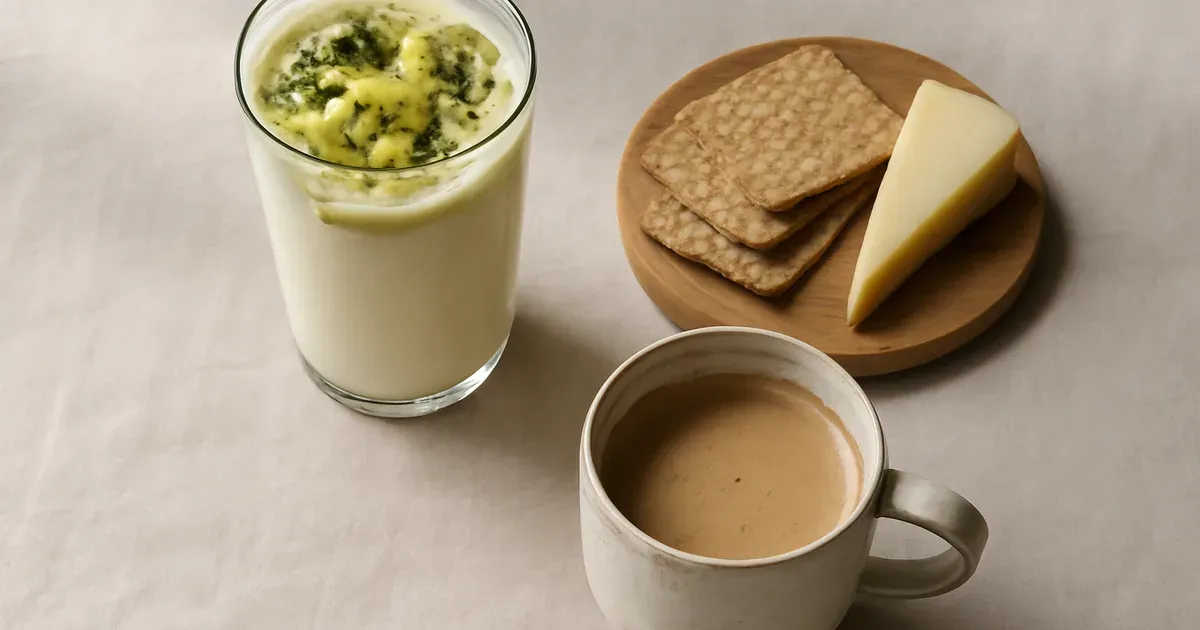
A low FODMAP diet does not mean a low-dairy diet — this is one of the most persistent misconceptions among people newly starting the protocol in the UK. Many dairy products are naturally low in lactose and therefore low FODMAP, including hard cheeses (cheddar, parmesan, brie, camembert), butter, and lactose-free milk and yoghurt.
Dairy is particularly valuable as a snack component because it delivers protein, calcium, and fat simultaneously — a combination that supports satiety and helps stabilise blood glucose between meals. The British Dietetic Association (BDA) highlights that calcium intake can drop during elimination diets if dairy is unnecessarily avoided.
From a microbiome perspective, fermented dairy products such as yoghurt contribute live cultures that may support gut bacterial diversity. A 2021 study from Stanford University (widely cited in UK nutrition circles) found that a diet rich in fermented foods increased microbiome diversity and reduced inflammatory markers. Lactose-free yoghurt retains these beneficial cultures.
Dairy snack ideas that are low FODMAP:
- Lactose-free yoghurt with a sprinkle of chia seeds and kiwi fruit
- Cheddar cheese with gluten-free crackers
- Hot chocolate made with lactose-free milk or soy milk (made from soy protein, not whole soy beans)
- A latte using lactose-free or soy protein milk
How do low FODMAP snacks support the gut-brain connection?
The gut-brain connection — the bidirectional communication axis between your digestive system and your brain — is profoundly influenced by what you eat between meals. In the UK, IBS affects approximately 1 in 5 adults, and research from UCL and Imperial College London has highlighted how gut microbiota dysbiosis is closely linked with anxiety, low mood, and heightened visceral sensitivity.
When the gut is inflamed or irritated by high-FODMAP foods, stress signalling via the vagus nerve can amplify discomfort and worsen psychological wellbeing. Conversely, choosing snacks that calm the gut and support microbial balance can have measurable benefits for mood and cognitive clarity.
Snacks that actively support the gut-brain axis include:
- Peanut butter on rice cakes — tryptophan in peanut butter is a precursor to serotonin, approximately 90% of which is produced in the gut
- Lactose-free yoghurt — probiotic cultures may positively influence the gut-brain axis via the enteric nervous system
- Mixed nuts — rich in magnesium, a mineral associated with reduced anxiety and stress response
- Kiwi fruit — a natural source of serotonin and vitamin C, studied at the University of Otago for mood effects
Improving gut health naturally through smart snacking is not just about digestive comfort — it may also contribute to greater emotional resilience.
What low FODMAP snacks can I prep in advance?
Batch-prepping low FODMAP snacks at the start of the week is one of the most effective strategies for staying on track — particularly for busy working adults in the UK who face limited lunchtime options or vending machine temptations.
Spending an hour on a Sunday preparing snacks removes the decision fatigue of choosing a gut-friendly option mid-afternoon. Invest in reusable food containers with separate compartments (widely available at UK retailers such as Lakeland or IKEA) for dips and vegetables, or squeeze pouches for yoghurt.

Snacks worth batch-prepping include:
- Energy balls: oat and chocolate chip, peanut butter protein balls, or double choc bliss balls (use maple syrup instead of honey)
- Baked goods: vegetable muffins, savoury slice, or courgette and rice slice
- Bars: peanut butter bars or mixed berry and yoghurt granola bars made with certified gluten-free oats
- Smoothie packs: portion fruit into freezer bags ready to blend — try green smoothies with spinach, kiwi, and lactose-free milk
- Sweet potato chips: slice, toss in olive oil and a pinch of paprika, bake at 190°C, and store in an airtight container for up to four days
From a microbiome UK perspective, batch-prepping plant-based snacks ensures you consistently hit the variety of plant foods that feed diverse gut bacteria — something the British Gut Project data suggests most UK adults fall short on.
How do I boost fibre on a low FODMAP diet?
Fibre intake often drops during the low FODMAP elimination phase because many high-fibre foods — such as legumes, apples, and wheat — are temporarily restricted. The NHS Eatwell Guide recommends 30g of fibre per day for UK adults, yet surveys consistently show average intake sits closer to 18g — a gap that widens further on a restrictive diet.
Fibre is essential not just for bowel regularity but for feeding beneficial gut bacteria. Without adequate fibre, SCFA production declines, gut lining integrity can be compromised, and microbial diversity may fall — all consequences that worsen IBS in the long run.
Practical ways to boost fibre through low FODMAP snacking:
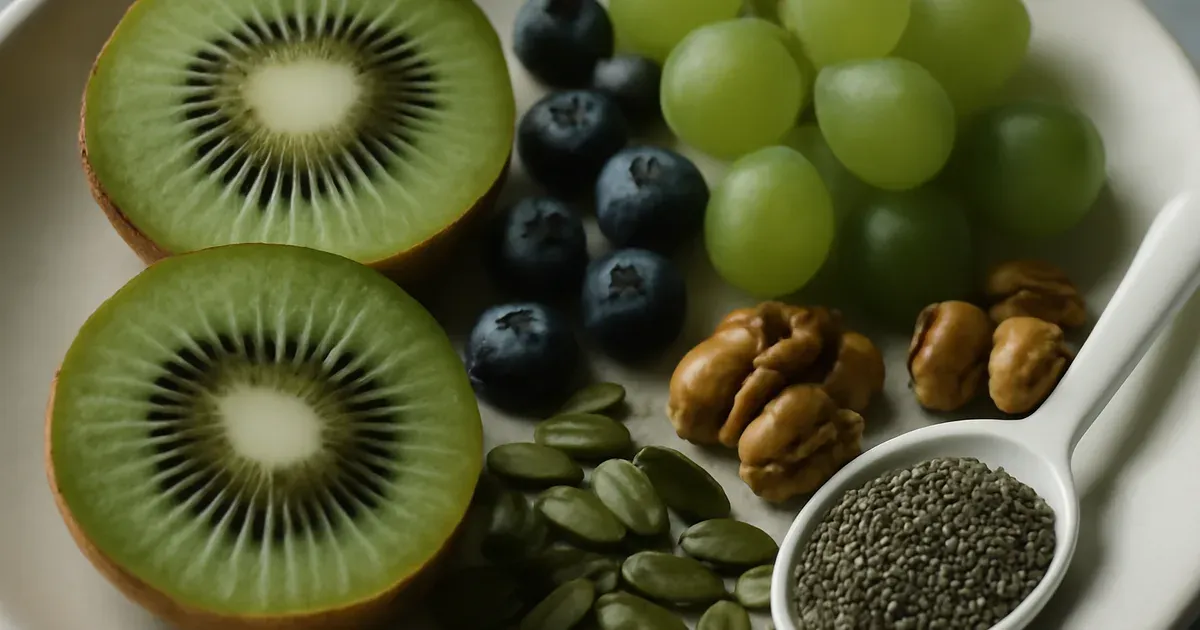
- Keep the skin on low FODMAP fruits (kiwi skin is edible and fibre-dense)
- Sprinkle chia seeds or pepita (pumpkin) seeds over yoghurt
- Choose wholegrain or seeded gluten-free breads and crackers where available
- Add oats (certified gluten-free, appropriate portion) to energy balls and bars
- Snack on vegetables with dip — carrots, cucumber, and red pepper are low FODMAP in standard portions
The British Nutrition Foundation advises that increasing fibre gradually (rather than suddenly) is important for people with IBS, as a rapid increase can temporarily worsen bloating — even from low FODMAP sources.
Are there low FODMAP snacks suitable for work or school?
Plenty of low FODMAP snacks are portable, non-perishable, and discreet enough for eating at a desk, in a staff room, or during a school break. Planning ahead is the critical factor — the NHS gut health pathway for IBS management consistently emphasises that structured eating patterns reduce symptom frequency.
For the workplace or school bag, the best options require no refrigeration and minimal preparation:
- Pre-portioned nuts (20g mixed nuts or 10 almonds in a small pot)
- Plain popcorn (single-serve bags)
- Rice cakes or gluten-free crackers with individual peanut butter sachets
- Pouched tuna (no draining required)
- Fresh fruit — mandarin, kiwi, or a firm banana
- Individually wrapped cheese portions with crackers
- On-the-go yoghurt pouches (lactose-free varieties)
Protein pairing is the most important principle for on-the-go snacking. Combining a carbohydrate (rice cakes, crackers, fruit) with a protein source (nut butter, cheese, tuna, nuts, yoghurt) slows gastric emptying, sustains energy levels, and reduces the blood glucose spikes that can indirectly affect gut motility and the gut-brain connection.

Frequently Asked Questions
Is peanut butter low FODMAP?
Peanut butter is low FODMAP in portions of up to two tablespoons (32g). It is an excellent snack ingredient in the UK because it is widely available, affordable, and provides protein, healthy fats, and tryptophan — an amino acid precursor to gut-produced serotonin. Choose varieties with no added honey or high-fructose corn syrup.
Can I eat oats on a low FODMAP diet?
Oats are low FODMAP in a portion of up to 52g (dry weight) of rolled oats. In the UK, people with coeliac disease should choose certified gluten-free oats; however, for IBS management without coeliac disease, standard oats are generally tolerated at the correct portion. Oats are a useful source of beta-glucan fibre, which supports beneficial gut bacteria.
How many snacks should I eat per day on a low FODMAP diet?
Most NHS dietitian-guided low FODMAP plans include one to two snacks per day, typically mid-morning and mid-afternoon. This pattern supports stable blood glucose, prevents overeating at main meals, and maintains consistent gut motility — important for managing IBS symptoms.
Do low FODMAP snacks help with anxiety and low mood?
Choosing gut-supportive snacks may have a modest positive effect on mood via the gut-brain connection. Research from UK institutions including UCL and Imperial College London links gut microbiome health with mental wellbeing. Snacks rich in tryptophan, magnesium, and live cultures support serotonin pathways and may reduce anxiety-related gut symptoms over time.
Where can I find low FODMAP certified products in the UK?
The Monash University FODMAP Certification logo is the most reliable marker for low FODMAP products and is increasingly visible on UK supermarket shelves. The British Dietetic Association also maintains a resource list for IBS dietary management, and many NHS trusts provide low FODMAP food lists via their gastroenterology dietitian teams.
The Bottom Line
- Low FODMAP snacking is entirely possible and varied — protein-paired options like peanut butter on rice cakes or cheese with crackers are practical, gut-friendly, and satisfying.
- Dairy is not off-limits — lactose-free yoghurt, hard cheeses, and lactose-free milk are all low FODMAP and provide calcium, protein, and beneficial live cultures.
- Fibre still matters on a low FODMAP diet — add chia seeds, keep fruit skins on, and choose wholegrain gluten-free options to feed your gut microbiome.
- The gut-brain connection is real — snacks rich in tryptophan, magnesium, and fermented foods can support mood and reduce IBS-related anxiety.
- Batch-prepping snacks on a Sunday saves time, reduces decision fatigue, and helps you stay consistent with the low FODMAP protocol throughout the week in the UK.
Always work with a registered dietitian when following the low FODMAP diet. In the UK, you can request a referral through your GP to an NHS gastroenterology dietitian, or access private FODMAP-trained dietitians through the British Dietetic Association's Find a Dietitian tool.
You might also like
- Protein vs Fibre: Which Keeps You Fuller?
- 7 Reasons Protein & Fibre Are Failing Your Gut Health
- 7 Gut-Brain Secrets That Could Transform Your Mood
96 Bacterial Strains. Two Shots a Day.
GOODIE is an award-winning fermented drink with 96 live bacterial strains — more than any yogurt or kombucha — never pasteurised, clinically tested, and 8 in 10 users felt less bloating within 14 days. Curious?