7 Low FODMAP Snacks Your Gut Will Thank You For
Discover 7 certified low FODMAP snacks that support gut health and the gut-brain axis — with UK-relevant guidance for IBS sufferers.

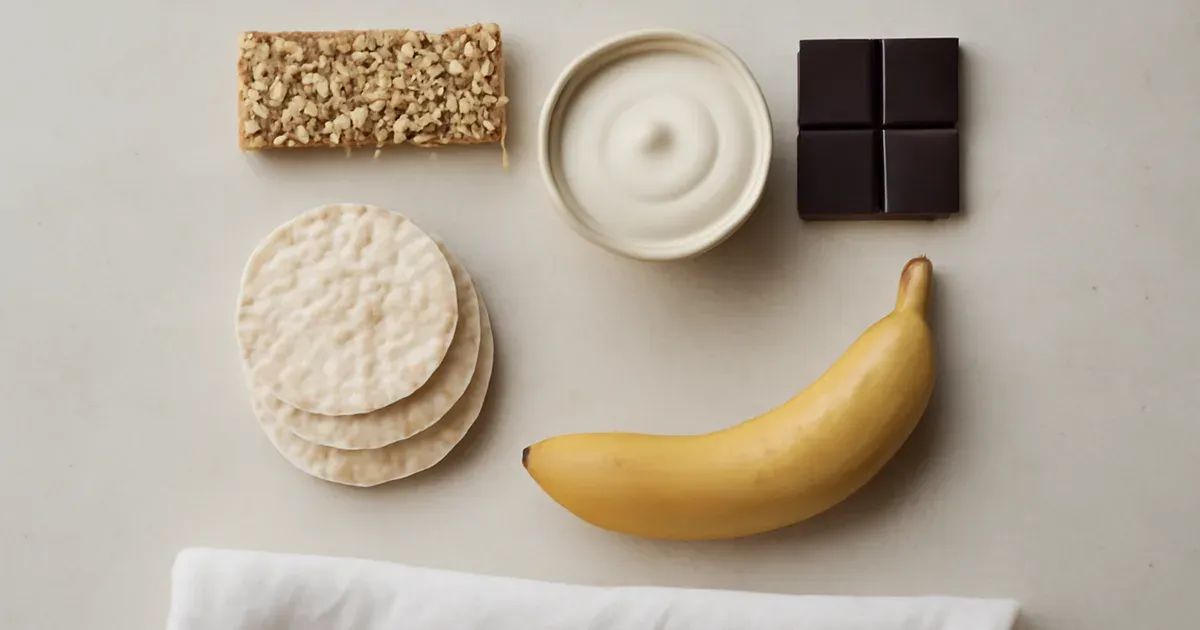
Living with IBS in the UK means navigating every meal with care — and snacking can feel like a minefield. Bloating, cramping, and unpredictable digestive flare-ups can make even a simple mid-afternoon snack feel like a gamble. The good news? A low FODMAP approach has strong evidence behind it, and there are genuinely delicious, convenient options that support your gut without the guesswork. If snacking smarter is on your radar, this list is exactly where to start.
Research supports the power of balanced snacking: a study published in Advances in Nutrition found that snacks high in protein and fibre keep you feeling satisfied for longer than those high in sugar and fat — a crucial consideration when you're also managing gut symptoms.
What Are FODMAPs and Why Do They Matter for Gut Health in the UK?
FODMAPs — fermentable oligosaccharides, disaccharides, monosaccharides, and polyols — are short-chain carbohydrates that resist absorption in the small intestine and ferment rapidly in the large intestine. This fermentation process triggers the classic IBS symptoms: bloating, gas, diarrhoea, and cramping.
IBS affects an estimated 10–20% of the UK population, making it one of the most common functional gut disorders seen in NHS clinics. Reducing FODMAP intake is one of the few dietary strategies with robust clinical backing — including research from King's College London, which helped establish the low FODMAP diet as a frontline recommendation in UK gastroenterology practice.
Beyond digestion, there is a compelling gut-brain connection at play. The gut microbiome communicates directly with the brain via the vagus nerve, influencing mood, stress response, and even cognition. When gut bacteria ferment FODMAPs excessively, the resulting inflammation and discomfort can amplify anxiety and fatigue — a bidirectional loop well documented in UK microbiome research. Choosing foods that calm the gut is, quite literally, choosing foods that support your mental clarity too.
Snacking Smartly on a Low FODMAP Diet
The goal with low FODMAP snacking is not restriction — it is informed choice. By pairing snacks that are low in fermentable carbohydrates with good sources of protein and healthy fats, you stabilise blood sugar, reduce gut irritation, and feed the right bacterial communities in your microbiome. Think of every snack as a small act of gut-brain care.
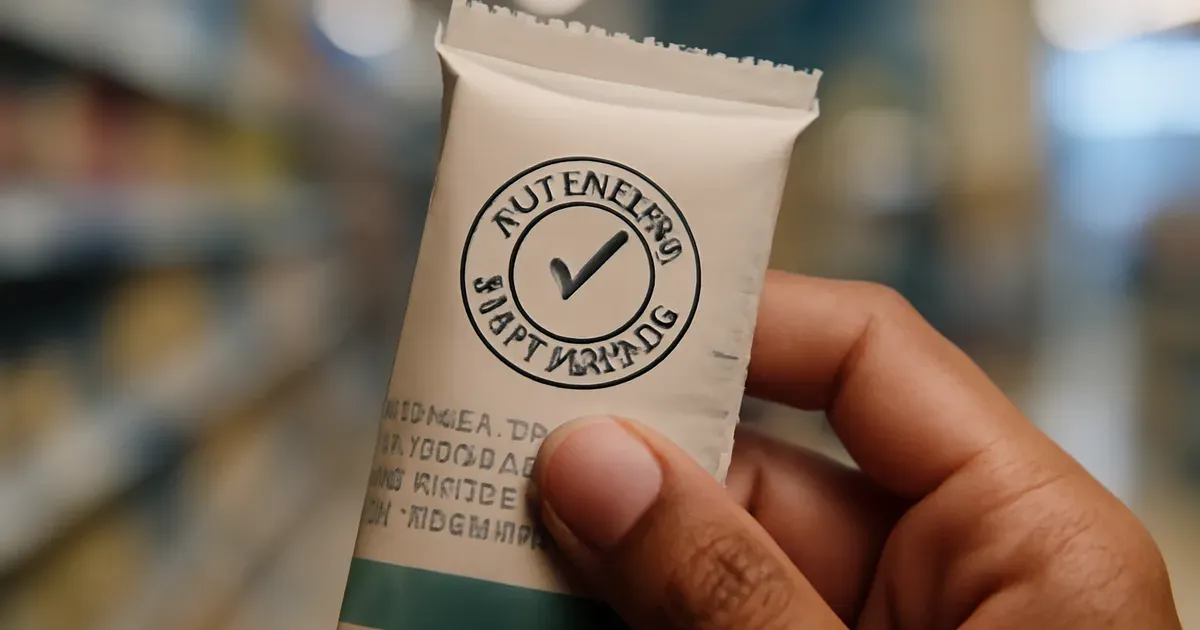
Certified low FODMAP products — carrying either the FODMAP Friendly or Monash University Low FODMAP Certified logo — remove the burden of scrutinising ingredient lists. Monash University pioneered FODMAP testing, and their certification system is widely recognised by UK dietitians and NHS specialists alike.
Here are seven snacks worth adding to your shopping list.
1. Oat-Based Brownie Bites — Comfort Food That Won't Upset Your Gut
Wholesome rolled oats form the base of these indulgent brownie bites, made with chocolate almond butter and organic coconut oil. They are soy-free, gluten-free, and vegan — ticking multiple boxes for those managing both IBS and other dietary sensitivities. Oats contain beta-glucan, a soluble fibre that feeds beneficial gut bacteria without the fermentation surge that triggers IBS symptoms. Pair one or two bites with a small handful of walnuts for a satisfying snack that delivers protein alongside gut-friendly fibre.
2. High-Protein Meat Sticks — Portable, Filling, Zero Sugar
For a savvy on-the-go snack, a certified low FODMAP meat stick delivers around 7 grams of protein with no added sugar. Protein is essential for satiety and also plays a role in supporting the intestinal lining — important when IBS has compromised gut barrier integrity. The herbs used in Italian-style varieties, such as oregano, fennel seed, and black pepper, have mild antimicrobial properties that some UK microbiome researchers suggest may gently support a balanced gut flora. Keep one in your bag for commutes, gym sessions, or long working days when a proper meal is not feasible.
3. Almond Butter and Dark Chocolate Bars — The Gut-Brain Snack
Organic almond butter combined with vegan dark chocolate chips is not just delicious — it is genuinely supportive of the gut-brain axis. Dark chocolate (above 70% cocoa) is a well-known prebiotic food: its polyphenols selectively feed beneficial Bifidobacterium strains in the large intestine. Almonds contribute healthy monounsaturated fats and vitamin E, both associated with reduced gut inflammation. Bars certified as low FODMAP and containing puffed brown rice for texture make for a chewy, 11-gram-protein option that bridges the gap between meals without triggering a FODMAP response.
4. Lactose-Free Organic Strawberry Yogurt — A Probiotic Powerhouse
Lactose is one of the most common FODMAPs causing digestive distress in the UK, where lactose intolerance affects a significant proportion of the adult population. Lactose-free yogurts — those containing lactase enzyme, which pre-digests the lactose — deliver all the probiotic benefit of live cultures without the fermentation fallout. Live and active cultures such as Lactobacillus strains directly contribute to microbiome diversity, a key marker of gut health according to the British Gut Project. Top with a small portion of fresh strawberries and a tablespoon of low FODMAP granola for a snack that is as nutritious as it is satisfying.

Gut health insight: According to UK microbiome research from King's College London and the British Gut Project, dietary diversity — eating a wide range of plant-based foods — is one of the strongest predictors of a healthy microbiome. Even small, consistent changes like swapping high-FODMAP snacks for low FODMAP alternatives can meaningfully shift your bacterial balance within a matter of weeks.
5. Sesame Brown Rice Crackers — Crunchy, Umami, and Microbiome-Friendly
Brown rice crackers coated in sesame seeds and baked with tamari soy sauce offer a satisfying crunch that many people on a low FODMAP diet miss from their pre-IBS snacking days. Brown rice is inherently low in FODMAPs and provides resistant starch — a type of prebiotic fibre that feeds beneficial bacteria in the colon. Sesame seeds are rich in lignans, plant compounds with antioxidant properties that support gut lining integrity. Pair these crackers with lactose-free cream cheese and smoked Scottish salmon for a nutrient-dense, gut-friendly snack that feels genuinely indulgent. You can find similar certified products at many UK health food retailers and online.
6. Rice Milk Chocolate Bar — Your Low FODMAP Sweet Fix
Dairy-free chocolate made with rice milk and cocoa butter satisfies sweet cravings without introducing lactose or high-FODMAP milk solids. The cocoa itself is rich in flavonoids — plant polyphenols that act as prebiotics, selectively stimulating the growth of Lactobacillus and Bifidobacterium in the gut. This is the gut-brain connection in action: a happier microbiome produces more serotonin precursors and short-chain fatty acids (SCFAs), which in turn support mood and cognitive function. Keep a bar in your desk drawer for the mid-afternoon energy slump — a square or two is all it takes to curb cravings without a FODMAP flare.
7. Oatmeal Chocolate Chip Mini Bars — The 100-Calorie Gut-Conscious Treat
Small but mighty, these nut-free, organic, vegan mini bars combine gluten-free oats with chocolate chips in a 100-calorie snack that works equally well pre-workout or post-lunch. Gluten-free oats are certified low FODMAP at standard serving sizes, and their beta-glucan content supports a healthy mucous layer in the gut — a crucial first line of defence against pathogens and inflammation. For those following an NHS-recommended low FODMAP elimination protocol under the guidance of a registered dietitian, having a grab-and-go certified option removes the stress of label reading entirely. Improving gut health naturally in the UK starts with making consistent, informed small swaps — and this is one of the easiest.

Building a Gut-Friendly Snack Routine That Sticks
The biggest barrier to eating well with IBS is not knowledge — it is convenience. When you are tired, rushed, or simply overwhelmed by conflicting dietary advice, having a repertoire of certified low FODMAP snacks removes the cognitive load and makes the healthy choice the easy choice. Each of the options above supports not just your digestive system but — through the gut-brain axis — your energy, mood, and mental clarity too.
In the UK, the low FODMAP diet is increasingly recognised by NHS gastroenterologists and registered dietitians as a first-line dietary intervention for IBS. Working with a British Dietetic Association (BDA)-registered dietitian to implement it properly is strongly advisable, particularly during the reintroduction phase. Start with one or two of these snacks, notice how your body responds, and build from there.
You might also like
- How to Boost Natural GLP-1 for Gut Health (No Drugs)
- 7 Gut-Brain Secrets That Could Change Your Mental Health
- How to Improve Gut Health Naturally in 6 Steps
Frequently Asked Questions
Is the low FODMAP diet recommended by the NHS?
Yes. The low FODMAP diet is recognised by NHS gastroenterology services as an evidence-based dietary approach for managing IBS symptoms. It is typically delivered in a structured three-phase process — elimination, reintroduction, and personalisation — ideally under the supervision of a BDA-registered dietitian.
How does the gut-brain connection relate to IBS and FODMAP sensitivity?
The gut and brain communicate constantly via the vagus nerve and through chemical signals produced by gut bacteria. In people with IBS, this gut-brain axis is often hypersensitive. Excessive fermentation of FODMAPs can increase gut permeability and trigger stress responses, worsening both digestive symptoms and anxiety. Reducing FODMAP intake can calm this feedback loop.
Can low FODMAP snacks improve microbiome diversity?
Low FODMAP snacks alone will not dramatically increase microbiome diversity, but they can reduce the dysbiosis (microbial imbalance) driven by FODMAP fermentation. Pairing low FODMAP eating with a varied plant-rich diet — as recommended by the British Gut Project — is the most effective strategy for long-term microbiome health in the UK.
Where can I find certified low FODMAP products in the UK?
Certified low FODMAP products carrying the Monash University Low FODMAP Certified or FODMAP Friendly logo are increasingly available in UK health food shops, larger supermarkets, and online retailers. Look for the certification logo on packaging to avoid the need to cross-reference ingredient lists.
How do I know if a low FODMAP diet is right for me?
If you regularly experience bloating, cramping, diarrhoea, or constipation consistent with IBS, speak to your GP in the first instance. They can refer you to a gastroenterologist or NHS dietitian who can assess whether a low FODMAP elimination diet is appropriate for your specific symptoms and medical history.
96 Bacterial Strains. Two Shots a Day.
GOODIE is an award-winning fermented drink with 96 live bacterial strains — more than any yogurt or kombucha — never pasteurised, clinically tested, and 8 in 10 users felt less bloating within 14 days. Curious?