Meditation and Gut Health: What the Science Says
New research links long-term meditation to a healthier gut microbiome, lower anxiety risk, and reduced cardiovascular markers — here's what the science means fo


Could sitting quietly for two hours a day genuinely change the bacteria living in your gut? It sounds unlikely — yet a study published in General Psychiatry, a journal of the British Medical Journal group, suggests exactly that. Researchers found that Buddhist monks who had meditated daily for years showed a remarkably different gut microbiome profile compared to their secular neighbours — one associated with lower risks of anxiety, depression, and cardiovascular disease.
For health-conscious adults in the UK, this finding lands at a fascinating crossroads: the rapidly expanding science of the gut-brain connection, and a mindfulness movement that has already gone mainstream. Here is what the evidence actually shows, why it matters for your microbiome, and what you can practically do with it.
What Researchers Actually Found
The study, led by researchers at Shanghai Mental Health Centre, analysed stool and blood samples from 37 Tibetan Buddhist monks across three temples, alongside 19 secular residents from neighbouring communities. The monks had practised deep meditation for at least two hours every day, for between three and thirty years. Both groups were matched for age, blood pressure, heart rate, and diet — a crucial detail that helps rule out lifestyle confounders.
Stool sample analysis revealed striking differences in the diversity and volume of gut microbes between the two groups. Bacteria enriched in the meditation group were specifically associated with positive effects on both physical and mental health. Several of the bacterial genera identified have, in other research, been linked to the alleviation of anxiety and depression symptoms.
Blood samples added another layer of evidence. Biomarkers associated with heightened cardiovascular disease risk were significantly lower in the monks than in their secular neighbours. The researchers also applied advanced predictive modelling to identify which chemical pathways the microbes might be influencing — finding that several anti-inflammatory and metabolic processes appeared enhanced in the meditating group.
A peer-reviewed analysis in General Psychiatry concluded: "Long-term deep meditation may have a beneficial effect on gut microbiota, enabling the body to maintain an optimal state of health."
The Gut-Brain Connection: Why This Makes Biological Sense
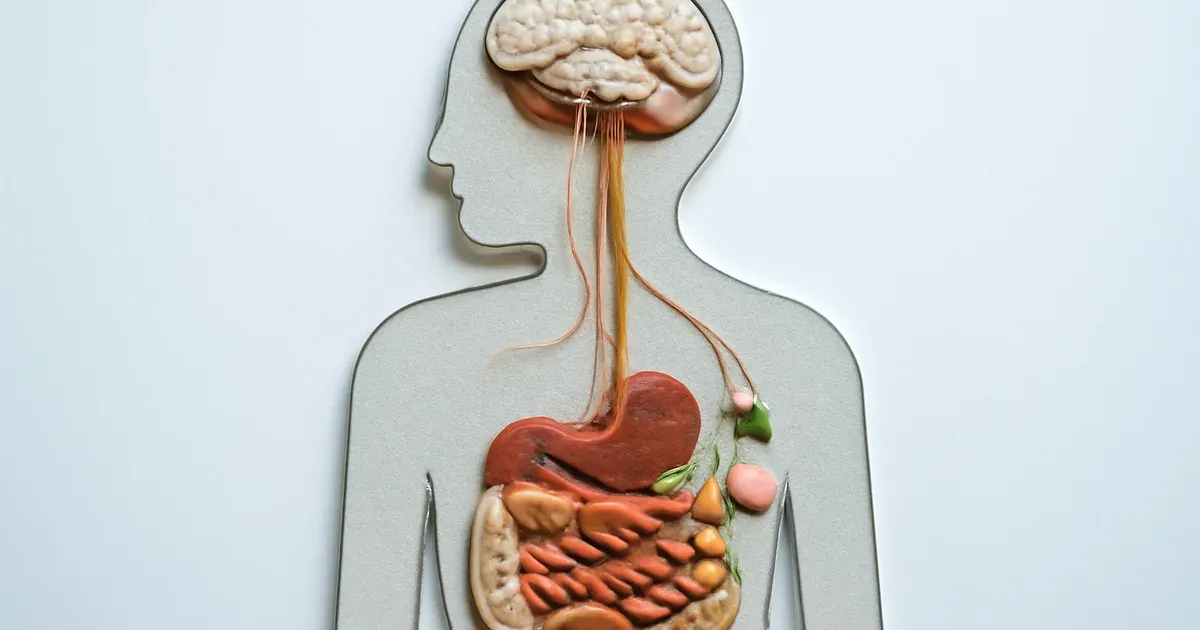
The gut-brain connection is no longer fringe science — it is one of the most active areas of biomedical research in the UK and worldwide. The gut and brain communicate via a complex two-way highway known as the gut-brain axis, involving the vagus nerve, immune signalling molecules, and a vast array of microbial metabolites produced in the intestines.
Your gut microbiome — the trillions of bacteria, fungi, and other microorganisms living in your digestive tract — produces neurotransmitters including serotonin, dopamine, and GABA. In fact, roughly 90% of the body's serotonin is made in the gut, not the brain. When the microbiome is disrupted (a state called dysbiosis), this can send distress signals upward to the brain, influencing mood, cognition, and stress responses.
UK microbiome research has been at the forefront of this field. King's College London's work through the British Gut Project — one of the largest citizen science microbiome studies in the world — has demonstrated that microbiome diversity is strongly linked to overall health outcomes. Researchers at the University of Oxford and University of Reading have similarly shown how specific bacterial strains influence inflammation and psychological resilience.
Why Meditation Might Reshape Your Microbiome
The precise mechanism by which meditation alters gut bacteria is not yet fully understood, and the researchers were careful to acknowledge this. But several plausible biological pathways exist, and they all trace back to stress.
Chronic psychological stress is one of the most well-documented disruptors of gut microbiome diversity. Stress activates the hypothalamic-pituitary-adrenal (HPA) axis, flooding the body with cortisol. Elevated cortisol alters gut motility, increases intestinal permeability (sometimes described colloquially as "leaky gut"), and shifts the bacterial environment in ways that favour inflammatory species over protective ones.
Meditation is one of the most evidence-backed tools for reducing cortisol levels and calming HPA axis activity. If sustained practice lowers baseline stress hormones, the gut environment becomes more hospitable to beneficial bacterial communities. The monks in the study practised for years — suggesting that the microbiome benefits may accumulate gradually, rather than appearing after a single weekend retreat.
The researchers also noted that several enriched bacteria in the meditation group were associated with enhanced immune function, reduced inflammation, and protection against cardiovascular disease. This aligns with the broader understanding that a diverse, balanced gut microbiome is central to immune regulation — something increasingly emphasised in NHS gut health guidance and by the British Dietetic Association (BDA).
What This Means for Gut Health in the UK
In the UK, gut health is a growing public health priority. NHS data shows that digestive disorders affect millions of people annually, and conditions like irritable bowel syndrome (IBS), anxiety, and depression — all linked to microbiome imbalance — are among the most common reasons people visit their GP. The Eatwell Guide already recommends high-fibre diets rich in plant diversity to support gut bacteria, but lifestyle factors like stress management are rarely given equal billing.
Meditation is increasingly used within NHS mental health pathways, particularly mindfulness-based cognitive therapy (MBCT), which is recommended by NICE for recurrent depression. What this new research suggests is that the benefits of such practices may extend beyond mood — potentially reaching into the gut itself, and creating a positive feedback loop: calmer mind, healthier gut bacteria, further reduced risk of anxiety and depression.
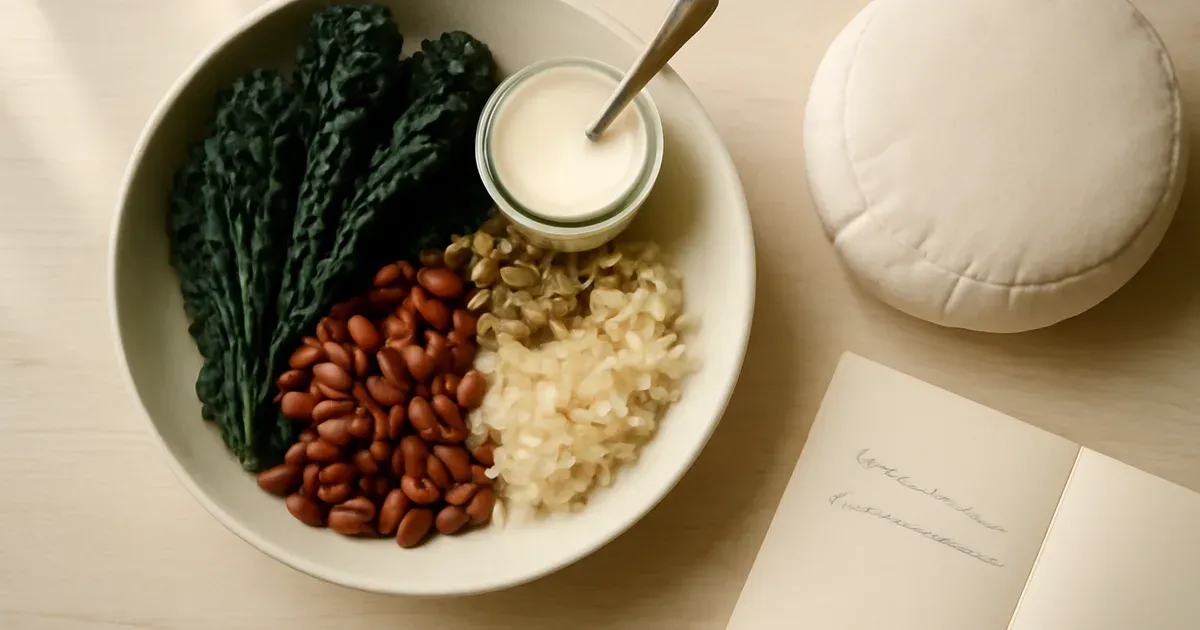
For those looking to improve gut health naturally, the implications are significant. Diet remains foundational — eating a diverse range of fibre-rich plants, fermented foods, and minimising ultra-processed foods is still the most evidence-backed approach. But this study raises the intriguing possibility that what you do with your mind may be just as relevant to your microbiome as what you put on your plate.
Important Caveats to Keep in Mind
The researchers were admirably transparent about the study's limitations, and these deserve honest coverage. The sample size was small — just 37 monks and 19 controls. All participants were male. They lived at high altitude in Tibet, which itself affects physiology in ways that may not translate to someone living in Manchester or Edinburgh.
The study was observational, meaning it cannot prove that meditation caused the microbiome differences. It is possible that people drawn to long-term monastic life share other traits — psychological, genetic, or environmental — that independently shape their gut bacteria. The dietary matching was careful, but monastic life involves many variables beyond food and meditation.
That said, the findings are consistent with a growing body of mechanistic research linking stress reduction to gut microbiome improvements. The study adds a valuable piece to an emerging picture — one that UK Biobank data and future UK microbiome research will likely help to fill out with larger, more diverse populations.
How to Apply This to Your Daily Life
You do not need to spend years in a Tibetan monastery to start supporting your gut-brain connection. The research points toward sustained, regular practice as the key variable — the monks meditated for years, not weeks. But even modest, consistent meditation practice has been shown to reduce cortisol and improve markers of inflammation.
Here are evidence-informed starting points for anyone in the UK looking to improve gut health naturally through mind-body practices:
- Start small and stay consistent. Ten to twenty minutes of daily mindfulness or breath-focused meditation is a realistic entry point. Apps like Headspace (developed by a British former monk) or Calm are widely used in the UK.
- Pair it with a gut-friendly diet. The NHS and BDA recommend aiming for 30 different plant foods per week to maximise microbiome diversity. Fermented foods — kefir, live yogurt, sauerkraut — also support beneficial bacteria.
- Treat stress reduction as a gut health strategy. Chronic work stress, poor sleep, and social isolation all negatively affect the gut microbiome. Regular physical activity, time in nature, and quality social connection are all complementary approaches.
- Consider NHS-available options. MBCT and mindfulness-based stress reduction (MBSR) programmes are available through some NHS Talking Therapies services and are evidence-based for anxiety and depression — conditions directly linked to gut dysbiosis.

The Bottom Line
The idea that a daily meditation practice could reshape the bacteria in your gut would have seemed far-fetched a decade ago. Today, it sits within a scientifically plausible framework — one grounded in the gut-brain connection, the stress-microbiome relationship, and accumulating evidence from UK and international microbiome research.
The Buddhist monks study is small, and the science is still developing. But its message is consistent with what researchers at King's College London, the University of Reading, and institutions supported by the Wellcome Trust and MRC have been finding for years: the gut and brain are in constant conversation, and anything that calms the mind is likely to send positive signals downward.
For anyone in the UK navigating anxiety, poor gut health, or simply the pressures of modern life, the evidence is now pointing in a direction that is both accessible and free: sit down, breathe, and give your gut bacteria something to thank you for.
Frequently Asked Questions
Can meditation really change your gut microbiome?
Research suggests it can, particularly with long-term, sustained practice. A study published in General Psychiatry found that Tibetan Buddhist monks who meditated for at least two hours daily showed significantly different gut microbiome profiles compared to non-meditating neighbours — with more bacteria associated with reduced anxiety, depression, and cardiovascular risk. The proposed mechanism involves reduced stress hormones like cortisol, which directly influence the gut environment.
How does the gut-brain connection work?
The gut and brain communicate constantly via the gut-brain axis — a network involving the vagus nerve, immune signalling, and microbial metabolites. Gut bacteria produce neurotransmitters including serotonin and GABA, which influence mood and cognition. When gut bacteria are disrupted (dysbiosis), this can negatively affect mental health, and vice versa — chronic stress harms beneficial gut bacteria.
What is the best way to improve gut health naturally in the UK?
Diet is the most evidence-backed starting point. The NHS and BDA recommend eating at least 30 different plant foods per week, including wholegrains, legumes, vegetables, fruits, nuts, and seeds to maximise gut microbiome diversity. Adding fermented foods like live yogurt or kefir, reducing ultra-processed foods, managing stress through regular mindfulness or exercise, and getting adequate sleep are all practical strategies supported by UK microbiome research.
Is NHS gut health guidance catching up with the microbiome science?
NHS guidance is evolving, though it remains primarily diet-focused. The Eatwell Guide emphasises fibre and plant diversity, which directly supports gut bacteria. NICE-recommended therapies like mindfulness-based cognitive therapy (MBCT) are available through NHS Talking Therapies and address the stress-gut connection indirectly. Researchers at institutions including King's College London and the University of Reading continue to inform UK dietary and health policy with emerging microbiome evidence.
Do I need to meditate for years to see gut health benefits?
The monks in the study had practised for between three and thirty years, suggesting that long-term consistency matters. However, even shorter-term meditation practice has been shown to reduce cortisol and inflammation markers, which are both relevant to gut health. The current evidence does not define a minimum dose — but starting a regular, daily practice is a reasonable and low-risk step, particularly when combined with a gut-friendly diet.
You might also like
- How to Improve Gut Health Naturally in 6 Steps
- Protein vs Fibre: What Your Gut Health Needs
- 7 Breathwork Secrets That Transform Your Gut Health
96 Bacterial Strains. Two Shots a Day.
GOODIE is an award-winning fermented drink with 96 live bacterial strains — more than any yogurt or kombucha — never pasteurised, clinically tested, and 8 in 10 users felt less bloating within 14 days. Curious?