Your Mouth Microbiome & Gut Health: The Link
Your mouth microbiome shapes your gut health. Discover how oral bacteria affect the gut-brain axis and how to improve gut health naturally in the UK.


Most people think about gut health and imagine their stomach or intestines. But your digestive ecosystem actually begins the moment food enters your mouth — and the 700-odd species of bacteria living there are shaping your gut health UK-wide in ways scientists are only now beginning to fully understand.
The mouth is the gateway to your gut. What happens in your oral microbiome does not stay in your oral microbiome. Harmful bacteria that colonise your teeth and gums can travel through the digestive tract, influence the gut microbiome, trigger systemic inflammation, and even affect how your brain functions via the gut-brain connection. This article unpacks the science, explains which bacteria are most relevant, and gives you practical, evidence-based steps to protect both your oral and gut health.
Why Your Oral Microbiome Matters for Gut Health
The mouth houses one of the most diverse microbial communities in the human body. According to the NIH's News in Health, approximately 700 species of microorganisms — including bacteria, fungi, and viruses — colonise your teeth, tongue, gums, and the pockets between your teeth and gum line. This is your oral microbiome, and it is far more than a dental concern.
In a balanced oral environment, beneficial microbes keep harmful species in check, neutralise acids, and act as a first line of defence against pathogens in food and drink. When this balance is disrupted — a state called oral dysbiosis — harmful bacteria can proliferate, form biofilms (plaque), and produce acids that erode enamel and inflame gum tissue.
What is less widely discussed in the UK is the downstream impact on gut health. Research published by institutions including King's College London and the University of Nottingham has explored how oral bacteria that are swallowed can survive passage through the stomach and embed themselves in the gut, altering the composition of the gut microbiome. This is a significant and emerging area of microbiome UK research.
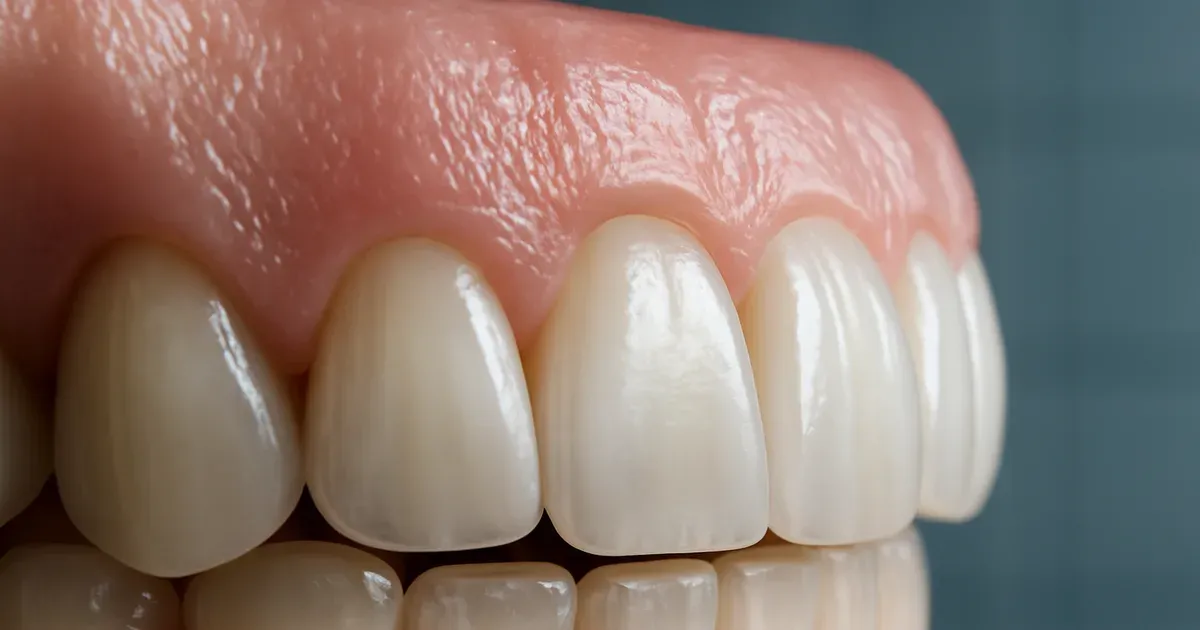
The Two Most Harmful Oral Bacteria — and Their Gut Consequences
Not all oral bacteria pose equal risk. Two species consistently emerge in the scientific literature as particularly damaging — not just to your teeth, but potentially to your wider health.
Streptococcus mutans
Streptococcus mutans is the primary architect of tooth decay. It colonises tooth surfaces, including the hard-to-clean pits and fissures of your molars, and feeds voraciously on the sugars and refined starches in your diet. As it metabolises sugar, it excretes lactic acid, which erodes enamel and creates the low-pH environment it thrives in — making it a self-perpetuating problem.
Beyond the mouth, elevated levels of S. mutans have been detected in the gut microbiomes of people with poor oral hygiene. When these acid-producing bacteria take hold in the digestive tract, they can contribute to an acidic gut environment that disadvantages beneficial species such as Lactobacillus and Bifidobacterium — precisely the bacteria associated with good gut health and a resilient gut-brain connection.
Porphyromonas gingivalis
Porphyromonas gingivalis is arguably the more systemically dangerous of the two. It is not typically present in a healthy mouth, but when it appears — usually as a consequence of poor gum care — it is strongly associated with periodontitis, a serious inflammatory disease that damages the soft tissue and alveolar bone supporting the teeth. Left untreated, periodontitis can cause significant pain and tooth loss.
Critically for gut health UK discussions, P. gingivalis produces virulence factors that allow it to evade immune responses and travel systemically. Emerging research has linked its presence to elevated systemic inflammation — a state that directly compromises gut barrier integrity, sometimes described as "leaky gut." Chronic inflammation driven by oral pathogens may also dysregulate the gut-brain axis, contributing to mood disturbances and cognitive symptoms that are increasingly studied in microbiome UK research.

The Gut-Brain Connection Starts in Your Mouth
The gut-brain connection is one of the most exciting frontiers in modern medicine. The gut and brain communicate constantly via the vagus nerve, immune signalling, and microbial metabolites — chemical compounds produced by gut bacteria that influence neurotransmitter production, stress responses, and even sleep quality. In the UK, institutions such as King's College London and the MRC (Medical Research Council) are actively funding research into how the gut microbiome shapes mental health outcomes.
What this means practically is that oral dysbiosis — an imbalance in your mouth's microbial community — can create a ripple effect. Harmful oral bacteria swallowed daily can contribute to gut dysbiosis, which in turn disrupts the gut-brain axis. Studies exploring participants in the British Gut Project have highlighted how dietary diversity and microbiome diversity are closely linked, with oral health habits appearing as one variable among many that shape the gut landscape.
The connection is bidirectional. Stress and anxiety — which are processed via the gut-brain axis — can also alter the composition of saliva and the oral microbiome, creating a feedback loop. This is why integrated approaches to health, promoted increasingly within NHS pathways for long-term condition management, tend to address oral health, diet, and mental wellbeing together rather than in isolation.
How Sugar Drives Oral and Gut Dysbiosis
Sugar is the single biggest dietary driver of harmful oral bacteria proliferation. When you consume sugary foods and drinks, the carbohydrate-fermenting bacteria in your mouth — principally S. mutans — convert these sugars into acids within minutes. Repeated acid attacks throughout the day weaken enamel progressively, explaining why frequency of sugar consumption matters as much as quantity.
Beyond the mouth, a high-sugar diet is consistently associated with reduced gut microbiome diversity. The UK Eatwell Guide recommends that free sugars make up no more than 5% of daily energy intake, yet surveys consistently show the average British adult exceeds this. Excess dietary sugar feeds pathogenic bacteria and yeasts in the gut, crowding out beneficial species and impairing the short-chain fatty acid production that feeds the gut lining and supports the gut-brain connection.
Refined starches present a similar challenge. Foods like white bread, crackers, and processed cereals break down rapidly into simple sugars that feed both oral and gut pathogens. Swapping these for fibre-rich wholegrains aligns with both the NHS gut health guidance and oral health recommendations — a rare dietary win on two fronts simultaneously.

How to Improve Gut Health Naturally Through Better Oral Care
The good news is that improving oral hygiene has measurable downstream benefits for your gut microbiome. Here are the evidence-based steps most relevant for UK adults looking to improve gut health naturally:
1. Brush twice daily with fluoride toothpaste. NHS guidance recommends brushing for two minutes, morning and last thing at night. Fluoride toothpaste has robust evidence for reducing enamel erosion and suppressing S. mutans activity. Use a toothpaste with at least 1,350 ppm fluoride for adults.
2. Clean between your teeth daily. Floss or interdental brushes remove the plaque biofilm from areas where your toothbrush cannot reach. This is where P. gingivalis and other periodontal pathogens preferentially colonise.
3. Use an antibacterial mouthwash. Chlorhexidine or cetylpyridinium chloride-based rinses can significantly reduce overall bacterial load, particularly helpful during active gum inflammation. Use as directed — overuse may impair beneficial bacteria too.
4. Attend regular dental check-ups. The NHS offers dental services, and the British Dental Association recommends check-up frequency tailored to individual risk. Regular professional cleaning removes calcified plaque (tartar) that brushing alone cannot shift.
5. Eat fermented foods. Yoghurt, kefir, sauerkraut, kimchi, miso, tempeh, and sourdough bread all introduce beneficial microorganisms that support both gut and oral health. The British Nutrition Foundation highlights fermented foods as a promising area in gut microbiome UK research, though more clinical trials are needed.
6. Prioritise fibre-rich fruits and vegetables. Crunchy produce like apples, carrots, and celery stimulates saliva flow, which naturally buffers oral acids and washes away food debris. Dietary fibre also feeds Bifidobacterium and Lactobacillus species in the gut — the same beneficial bacteria crowded out by oral pathogens.
7. Choose green or black tea over sugary drinks. Both contain polyphenols with demonstrated antimicrobial properties against oral pathogens. Green tea in particular has been studied for its ability to reduce S. mutans counts without harming beneficial species.
8. Limit alcohol and stop smoking. Both are strongly associated with oral dysbiosis, gum disease, and reduced gut microbiome diversity. The NHS offers free Stop Smoking services, and cutting alcohol aligns with the UK Chief Medical Officers' low-risk guidelines of no more than 14 units per week.
The British Diet and Your Oral-Gut Microbiome
The traditional British diet — heavy in processed foods, refined carbohydrates, and added sugars — creates conditions that favour pathogenic bacteria at both ends of the digestive tract. UK Biobank data and surveys from the British Dietetic Association (BDA) consistently flag low dietary fibre intake as a key concern, with many UK adults consuming well under the recommended 30 g of fibre per day.
Shifting towards a more diverse, plant-forward diet is the single most impactful change a UK adult can make for both oral and gut health. Research from the University of Reading and King's College London has shown that increasing dietary diversity — measured by the number of distinct plant foods consumed weekly — is one of the strongest predictors of a diverse and resilient gut microbiome. That diversity, in turn, supports a more balanced oral microbiome and reduces systemic inflammation.
Small, consistent changes compound over time. Adding one new plant food per week, switching from white to wholegrain bread, swapping a sugary drink for water or green tea — these are not dramatic overhauls but the kind of sustainable adjustments that NHS dietitians and the BDA consistently recommend for long-term gut health UK improvements.
The Bottom Line
Your mouth is not separate from your gut — it is the beginning of it. The bacterial ecosystem that lives on your teeth and gums directly influences what colonises your digestive tract, how your gut barrier functions, and even how your brain communicates with your body via the gut-brain connection. In the UK, where tooth decay and gum disease remain significant public health burdens, recognising this connection opens up a more integrated approach to health.
Brush, floss, eat more plants, and choose fermented foods where you can. These habits protect your smile and, increasingly, the science tells us they protect your gut and brain too.
Frequently Asked Questions
Can poor oral health damage my gut microbiome?
Yes. Harmful oral bacteria such as Streptococcus mutans and Porphyromonas gingivalis can be swallowed and, in some individuals, survive to colonise the gut. Once present, they can contribute to gut dysbiosis, reducing populations of beneficial bacteria and promoting systemic inflammation that affects gut barrier integrity.
What foods are best for both oral and gut health in the UK?
Fibre-rich fruits and vegetables, fermented foods (yoghurt, kefir, sauerkraut, miso, sourdough), green and black teas, and wholegrains all support both oral and gut health. These choices align with the UK Eatwell Guide and NHS gut health guidance and are recommended by the British Nutrition Foundation and British Dietetic Association.
How does the gut-brain connection relate to oral health?
Oral dysbiosis can contribute to gut dysbiosis, which disrupts the gut-brain axis — the communication network between your gut microbiome and your brain. Chronic inflammation driven by oral pathogens may impair the production of neurotransmitter precursors and stress-regulating molecules, linking poor oral hygiene to mood and cognitive health in ways that are actively researched in the microbiome UK field.
How much fluoride toothpaste should adults in the UK use?
The NHS recommends adults use a toothpaste containing at least 1,350 ppm (parts per million) fluoride. Brush for two full minutes twice a day — last thing at night and at one other time — and spit rather than rinse to allow the fluoride to continue protecting enamel.
Is gum disease linked to systemic health problems beyond the mouth?
Yes. Periodontitis, the severe form of gum disease driven partly by P. gingivalis, has been associated with systemic inflammation, cardiovascular disease, type 2 diabetes, and adverse pregnancy outcomes. The shared mechanism is often chronic, low-grade inflammation that spreads beyond the gum tissue via the bloodstream and the gut-brain connection.
You might also like
- How to Boost Natural GLP-1 for Gut Health (No Drugs)
- 7 Oral Microbiome Mistakes Harming Your Gut Health
- Anti-Inflammatory Diet & Gut Health UK Guide
96 Bacterial Strains. Two Shots a Day.
GOODIE is an award-winning fermented drink with 96 live bacterial strains — more than any yogurt or kombucha — never pasteurised, clinically tested, and 8 in 10 users felt less bloating within 14 days. Curious?