Natural GLP-1 & Gut Health: Your Questions Answered
Discover how your gut naturally produces GLP-1, how your microbiome affects it, and how to improve gut health naturally with UK-relevant diet and lifestyle advi

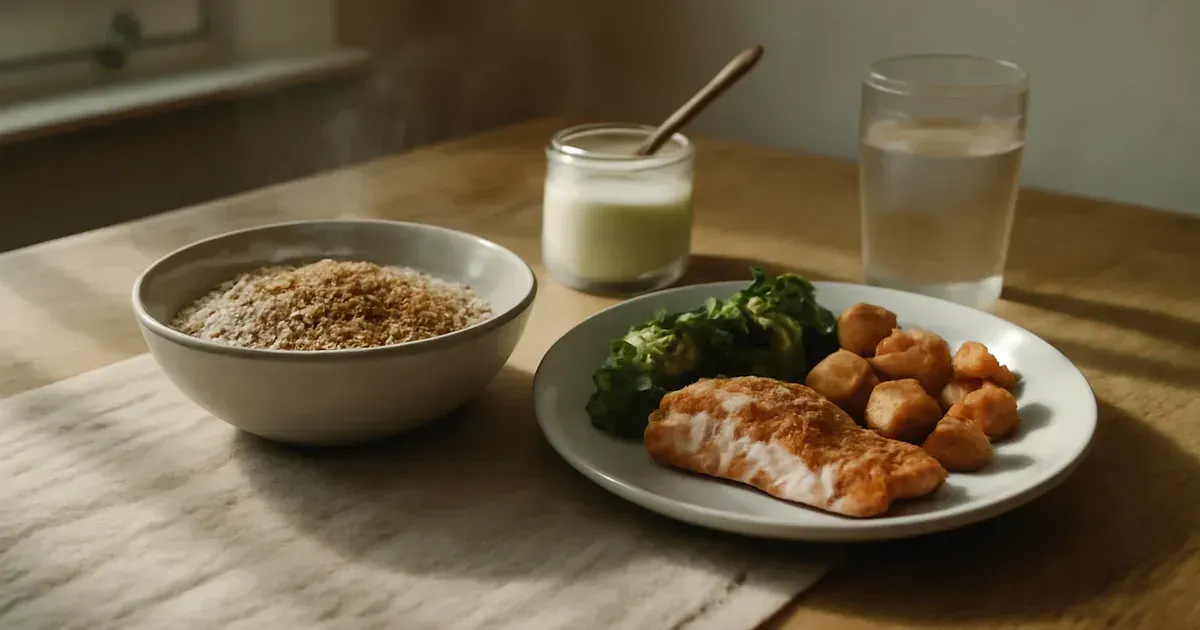
You've heard about GLP-1 medications dominating health headlines — but the science behind your body's own GLP-1 hormone is just as fascinating, and far less understood. For health-conscious adults in the UK, questions are piling up: Can food really boost this hormone? Does your microbiome play a role? How does the gut-brain connection fit in? This article cuts through the noise with evidence-based answers to the questions people are actually searching for.
Jump to Your Question
What is GLP-1 and why does my gut produce it?
How does the gut microbiome affect GLP-1 levels?
Which foods naturally boost GLP-1 in the UK diet?
Can exercise increase natural GLP-1 production?
How does the gut-brain connection relate to appetite and GLP-1?
What lifestyle habits support GLP-1 and gut health naturally?
How do natural GLP-1 levels compare to GLP-1 medications?
What is GLP-1 and why does my gut produce it?
GLP-1 (glucagon-like peptide-1) is a hormone produced naturally in your intestines every time you eat. Specialised cells called L-cells, clustered primarily in the small and large intestine, release GLP-1 into the bloodstream in response to food. Once released, it triggers a cascade of metabolic effects: signalling the pancreas to produce insulin, slowing gastric emptying, and communicating with the brain to promote feelings of fullness.
The catch is that your body's natural GLP-1 is remarkably short-lived. An enzyme called DPP-4 degrades it within one to two minutes of release. This rapid breakdown is why natural GLP-1 produces subtler effects than the prescription medications you may have read about — those drugs are engineered to resist DPP-4 degradation entirely.
Research from institutions including King's College London and the MRC Epidemiology Unit at the University of Cambridge has helped map how gut-derived hormones like GLP-1 regulate both blood glucose and body weight. Understanding this system is the first step towards supporting it naturally — which is very much within reach for most people in the UK.
How does the gut microbiome affect GLP-1 levels?
Your gut microbiome — the trillions of bacteria, fungi, and other microorganisms living in your digestive tract — directly influences how much GLP-1 your body produces. This is one of the most exciting frontiers in microbiome UK research, with implications well beyond weight management.
When beneficial gut bacteria ferment dietary fibre, they produce short-chain fatty acids (SCFAs) such as butyrate, propionate, and acetate. These SCFAs act as direct chemical signals that stimulate L-cells to release GLP-1. The British Gut Project, a citizen science initiative that has collected microbiome data from tens of thousands of UK participants, has highlighted strong links between fibre intake, microbiome diversity, and metabolic hormone regulation.
Researchers at the University of Reading and Imperial College London have published work showing that individuals with more diverse microbiomes tend to have healthier metabolic profiles — including more robust GLP-1 responses after meals. Crucially, you can actively shape your microbiome through diet and lifestyle choices, making this one of the most actionable areas of gut health UK science.
Key microbiome-supportive habits include:
- Eating 30 or more different plant foods per week
- Including fermented foods regularly
- Avoiding unnecessary antibiotics
- Prioritising sleep and stress management
Which foods naturally boost GLP-1 in the UK diet?
Certain nutrients have been shown to stimulate GLP-1 release, and many fit neatly into a traditional British diet with a few deliberate additions. No food can replicate the potency of GLP-1 medications, but the right dietary pattern can meaningfully improve your natural hormone response over time.
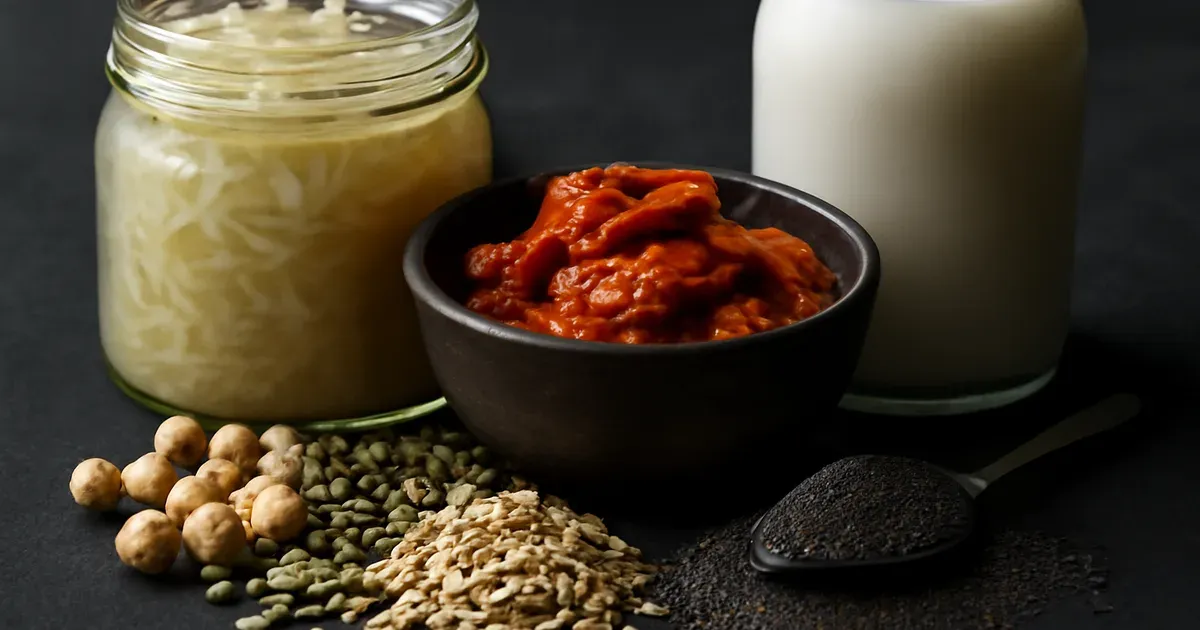
Soluble fibre is the most evidence-backed GLP-1 supporter. Gut bacteria ferment it into SCFAs, which then trigger L-cell activity. The UK Eatwell Guide already encourages higher fibre intake — the NHS recommends 30g of fibre daily for adults, yet the average UK adult consumes only around 18g. Fibre-rich foods to prioritise include:
- Oats (a British breakfast staple)
- Beans and lentils
- Broccoli and Brussels sprouts
- Chia seeds and flaxseeds
- Sweet potatoes
Lean protein from chicken, fish, eggs, and legumes also promotes GLP-1 release and helps maintain muscle mass — important for metabolic health at any age.
Healthy fats, particularly omega-3 fatty acids found in oily fish like mackerel, salmon, and sardines — all widely available and affordable in the UK — slow gastric emptying and support sustained satiety.
Fermented foods such as live yoghurt, kefir, sauerkraut, and kimchi introduce beneficial bacteria that can improve the gut environment and, over time, enhance GLP-1 signalling. The British Dietetic Association (BDA) supports the inclusion of fermented foods as part of a varied, balanced diet.
Can exercise increase natural GLP-1 production?
Regular physical activity is one of the most effective ways to naturally increase GLP-1 levels, and the evidence is robust enough that NHS guidelines already recommend it for metabolic health. Both aerobic exercise and resistance training appear to contribute, though via slightly different mechanisms.
Steady-state cardio — brisk walking, swimming, or cycling — elevates GLP-1 acutely during and after exercise. High-intensity interval training (HIIT) appears to produce a particularly pronounced GLP-1 spike. The current NHS physical activity guidelines recommend at least 150 minutes of moderate aerobic activity per week, which aligns closely with what research suggests is needed to see meaningful hormonal benefits.
Strength training deserves equal emphasis. Muscle tissue is metabolically active — it improves insulin sensitivity and creates conditions in which GLP-1 can work more effectively. The NHS recommends strength-based activity on at least two days per week. Resistance bands, bodyweight exercises, and free weights all count.
Consistency matters more than intensity. A study published by researchers at Loughborough University found that even moderate daily walking, sustained over several weeks, produced measurable improvements in postprandial hormone responses including GLP-1.

How does the gut-brain connection relate to appetite and GLP-1?
The gut-brain connection is the bidirectional communication highway between your digestive system and your brain — and GLP-1 is one of its most important chemical messengers. Understanding this relationship helps explain why gut health is about far more than digestion.
After a meal, GLP-1 released from L-cells travels via the bloodstream and also activates the vagus nerve — the long nerve running from your brainstem to your abdomen. This dual signalling tells your brain you are full, reduces food-seeking behaviour, and helps regulate mood and cognitive function. Researchers at UCL (University College London) and the University of Oxford have investigated how disruptions to gut-brain signalling may contribute to overeating and metabolic dysfunction.
Chronic stress is a significant disruptor of this system. Elevated cortisol impairs GLP-1 release and can suppress vagal tone — the responsiveness of the vagus nerve — making it harder for the brain to receive satiety signals accurately. This is one biological mechanism behind stress-related weight gain, sometimes referred to colloquially as "cortisol belly."
Supporting the gut-brain connection therefore means:
- Managing chronic stress through mindfulness, nature exposure, and adequate sleep
- Eating slowly and without distractions to allow GLP-1 signals to reach the brain before overeating occurs
- Maintaining a diverse, fibre-rich diet that nurtures the microbiome driving those signals
This is why gut-brain connection research is increasingly central to how scientists and clinicians in the UK think about appetite regulation and long-term weight management.
What lifestyle habits support GLP-1 and gut health naturally?
Several daily habits beyond diet and exercise have a measurable influence on GLP-1 production and overall gut health in the UK population. These factors are often overlooked but represent genuinely actionable levers.
Meal timing matters. GLP-1 follows a circadian rhythm, with higher natural secretion during daytime hours. Eating during daylight and maintaining consistent mealtimes can align your meals with this hormonal pattern, potentially improving the GLP-1 response to food. Time-restricted eating, studied at the University of Surrey and other UK institutions, shows promising links to improved metabolic hormone profiles.
Eating pace and mindfulness. Slowing down at mealtimes — chewing thoroughly, taking smaller bites — gives GLP-1 time to signal the brain before you overeat. Research consistently shows that rapid eating is associated with lower postprandial satiety and poorer glycaemic control.
Sleep quality. Poor or insufficient sleep disrupts the gut microbiome composition within days and impairs hormone signalling, including GLP-1. The NHS recommends seven to nine hours of sleep per night for adults. Prioritising sleep is not a lifestyle luxury — it is a metabolic intervention.
Stress management. Practices such as mindfulness-based stress reduction (MBSR), yoga, and spending time outdoors have demonstrated effects on cortisol levels and gut microbiome diversity. The Wellcome Trust has funded UK research into how psychological stress shapes the gut environment and downstream hormone responses.
How do natural GLP-1 levels compare to GLP-1 medications?
Natural lifestyle strategies can meaningfully improve GLP-1 activity, but they cannot replicate the magnitude of effect produced by GLP-1 receptor agonist medications such as semaglutide or liraglutide. Being clear about this distinction helps people make genuinely informed decisions.
The comparison below illustrates the key differences:
| Feature | Natural GLP-1 | GLP-1 Medications |
|---|---|---|
| Duration of action | 1–2 minutes | Hours to days |
| Weight loss potential | 3–10% body weight | 10–20%+ body weight |
| Accessibility | Available to everyone | Prescription only (NHS or private) |
| Side effects | None | Nausea, GI symptoms (common) |
| Cost | Low (diet and lifestyle) | High (private); NHS criteria apply |
| Microbiome benefit | Significant | Limited direct evidence |
For people who are not candidates for medication, prefer to improve gut health naturally first, or are managing mild metabolic concerns, lifestyle-based GLP-1 support is a clinically sensible starting point. The BDA and British Nutrition Foundation both advocate food-first approaches before pharmacological intervention where appropriate.
For those already using GLP-1 medications, combining them with a fibre-rich diet, regular exercise, fermented foods, and stress management amplifies long-term outcomes — particularly around preserving muscle mass and supporting the gut microbiome.
Always discuss medical options with your GP or a registered dietitian, particularly as NHS prescribing criteria for GLP-1 medications in the UK continue to evolve.
Bottom Line
- Your gut produces GLP-1 naturally every time you eat — supporting this system through diet and lifestyle is evidence-based and accessible to everyone in the UK.
- A diverse, fibre-rich diet (targeting the NHS-recommended 30g per day) is the single most impactful nutritional change you can make for both GLP-1 production and microbiome health.
- The gut-brain connection means that stress management, mindful eating, and sleep quality are not optional extras — they are central to how well your appetite hormones function.
- Exercise — both aerobic and strength-based — boosts GLP-1 and improves the metabolic environment in which it operates; 150 minutes of moderate activity per week is the NHS benchmark.
- GLP-1 medications are significantly more powerful than lifestyle changes alone, but lifestyle strategies remain essential complements — and the primary tool for those not on medication.
Ready to Improve Gut Health Naturally?
Understanding the science is empowering — but putting it into practice is where lasting change happens. Whether you are exploring natural approaches to appetite regulation, curious about the gut-brain connection, or looking to complement an existing health programme, small consistent steps add up. Start with fibre, move your body, tend to your microbiome, and give your gut-brain axis the conditions it needs to thrive.
You might also like
- How to Improve Gut Health Naturally in 5 Steps
- Gut Health Supplement SlimTide Targets Microbiome
- 7 Gut Health Mistakes Harming Your Heart
96 Bacterial Strains. Two Shots a Day.
GOODIE is an award-winning fermented drink with 96 live bacterial strains — more than any yogurt or kombucha — never pasteurised, clinically tested, and 8 in 10 users felt less bloating within 14 days. Curious?