Can Probiotics Help Fight Campylobacter Infections?
Emerging research suggests certain probiotic strains may reduce Campylobacter severity, with implications for gut microbiome health in the UK.

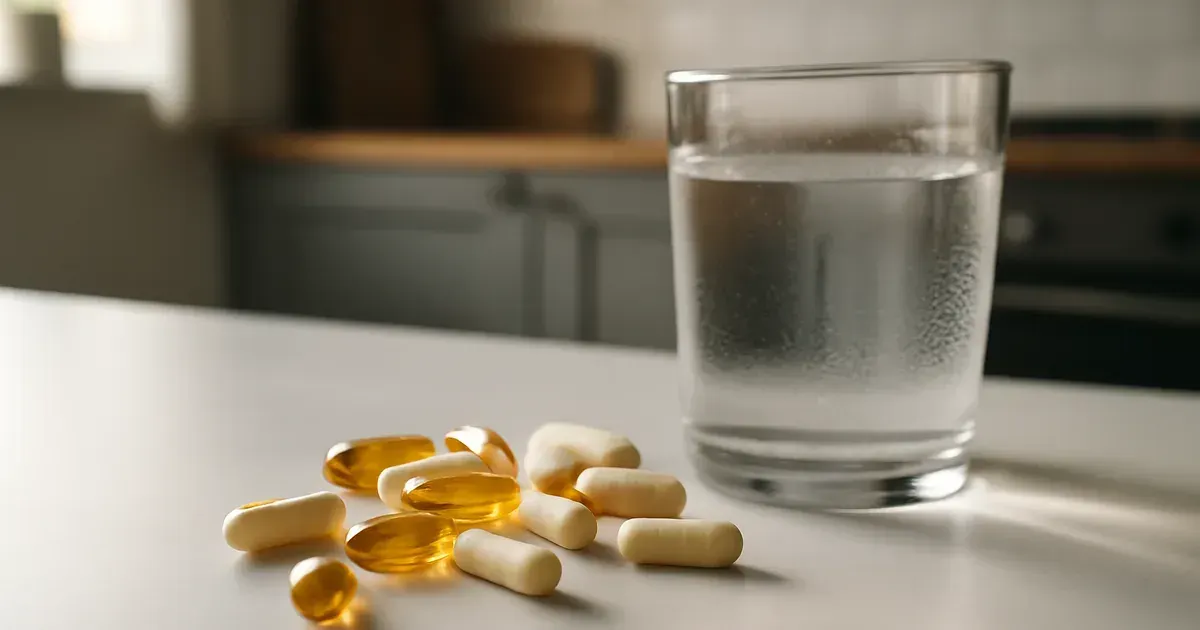
Emerging research suggests that certain probiotic strains may help reduce the severity and duration of Campylobacter infections, according to reporting by Lifesciencesworld.com. Campylobacter is one of the most common causes of food poisoning in the UK, making new insights into its management particularly significant for public health. Scientists caution, however, that probiotics are not a straightforward cure, and the evidence remains complex.
Why This Matters for Gut Microbiome Health in the UK
Campylobacter is a leading bacterial cause of gastrointestinal illness in the UK, with the NHS reporting tens of thousands of confirmed cases every year. Beyond the immediate symptoms of diarrhoea, cramping, and fever, infection can disrupt the gut microbiome — the vast community of microorganisms residing in the digestive tract. Researchers at institutions including King's College London have highlighted how gut microbiome UK populations can be significantly destabilised following bacterial infections, raising the question of whether restoring microbial balance through probiotics could aid recovery.
What the Research Suggests About Probiotic Strains
Per Lifesciencesworld.com, the evidence points to specific probiotic strains — rather than probiotics as a broad category — playing a meaningful role in modulating the body's response to Campylobacter. Certain strains appear capable of competing with Campylobacter for intestinal binding sites, potentially limiting the pathogen's ability to colonise the gut. Scientists report that the gut-brain connection may also be implicated, as gut infections are increasingly linked to downstream effects on mood and cognitive function via the gut-brain axis. The research underlines that strain specificity is critical — not all commercially available probiotics are equal.
What This Means for UK Readers Seeking to Improve Gut Health Naturally
For health-conscious adults in the UK looking to improve gut health naturally, these findings suggest that targeted probiotic use during or after a Campylobacter infection could be a supportive measure — though researchers stress it should complement, not replace, standard NHS guidance on hydration and rest. The British Dietetic Association advises consulting a healthcare professional before adding probiotic supplements during active illness. UK microbiome research in this area is ongoing, and definitive clinical guidance has not yet been issued.
The science around probiotics and Campylobacter is nuanced but encouraging. As UK microbiome research continues to advance, particularly through programmes supported by bodies such as the Wellcome Trust and MRC, clearer recommendations for NHS gut health pathways may follow. For now, strain selection and professional advice remain key.
You might also like
- How to Improve Gut Health Naturally in 6 Steps
- UK Diet Gaps Linked to Poor Gut Health
- How to Boost GLP-1 Naturally for Weight Loss
96 Bacterial Strains. Two Shots a Day.
GOODIE is an award-winning fermented drink with 96 live bacterial strains — more than any yogurt or kombucha — never pasteurised, clinically tested, and 8 in 10 users felt less bloating within 14 days. Curious?