At-Home Gut Test Kits: What UK Users Should Know
A US study has raised doubts over the accuracy of at-home gut health test kits, which cost £10–£300 and are widely used across the UK.

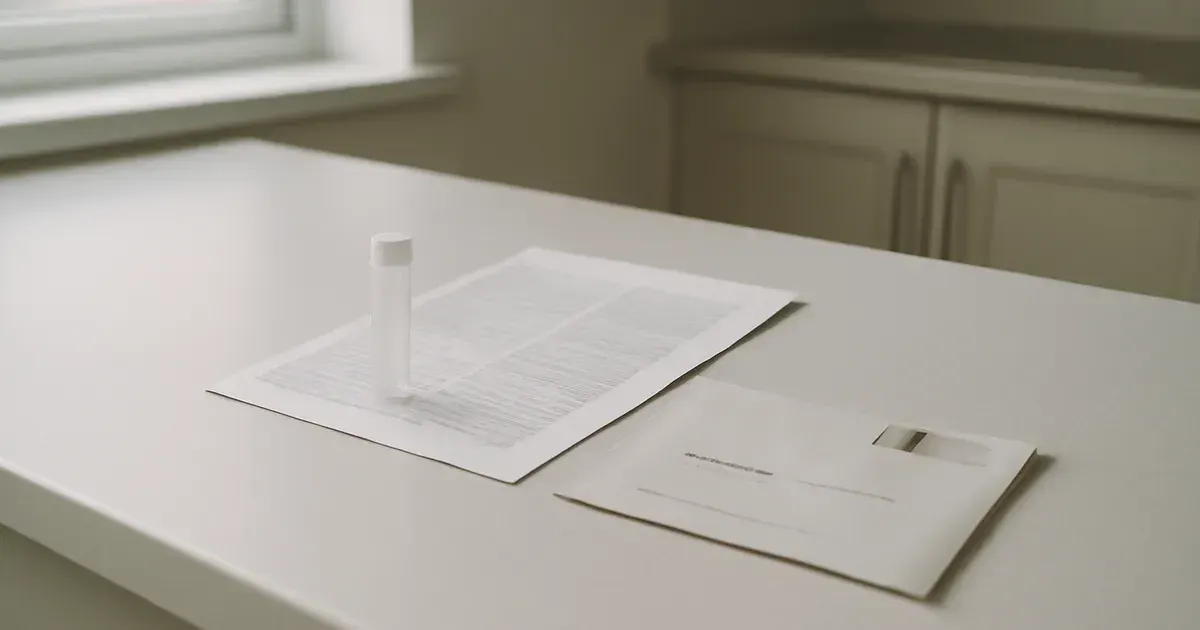
At-home gut health testing kits — marketed as tools for uncovering everything from leaky gut and IBS to parasites — are facing fresh scrutiny after a recent US study raised concerns about their accuracy, according to reporting by the Daily Mail. The kits, which range in price from £10 to over £300, typically require users to collect a stool sample and post it to a laboratory for microbiome analysis. As interest in gut health UK-wide continues to grow, the findings prompt important questions about whether consumers are getting reliable results.
Why This Matters for Gut Health in the UK
Understanding the gut microbiome — the vast community of bacteria, viruses, and fungi living in the digestive tract — has become one of the most active areas of health science. UK microbiome research institutions, including King's College London and the British Gut Project, have spent years mapping how gut bacteria influence everything from immunity to mental wellbeing via the gut-brain connection. As NHS waiting lists for gastroenterology remain lengthy, many UK adults have turned to commercial at-home kits as a faster, more accessible alternative to clinical testing.
Study Casts Doubt on DIY Test Accuracy
According to the Daily Mail report, the US study in question found that the accuracy of these consumer-facing kits is questionable, raising concerns that people may be acting on unreliable data. The kits are designed to detect a range of conditions and microbial imbalances, but the study suggests results may not consistently reflect what is actually happening in a person's gut. Per the source article, prices vary widely — from budget options at around £10 to premium panels exceeding £300 — yet higher cost does not appear to guarantee greater reliability, according to the findings.
What This Means for UK Consumers
For health-conscious adults in the UK looking to improve gut health naturally, the findings serve as a timely caution. Experts and NHS guidance consistently recommend discussing digestive symptoms — including those associated with IBS, bloating, or suspected parasitic infection — with a qualified GP rather than self-diagnosing from a postal test. The British Dietetic Association also encourages evidence-based approaches to gut health, including dietary changes, before investing in unvalidated commercial products.
As the science of the gut-brain connection and the wider microbiome UK research landscape continue to mature, consumers deserve testing tools that meet clinical standards. Until robust independent validation of these kits is available, caution is warranted — and a conversation with an NHS clinician remains the most reliable starting point for anyone experiencing persistent bowel symptoms.
You might also like
- How to Improve Gut Health Naturally in 6 Steps
- Gut Health UK: Improve Your Microbiome Naturally
- How to Improve Gut Health Naturally in 5 Steps
96 Bacterial Strains. Two Shots a Day.
GOODIE is an award-winning fermented drink with 96 live bacterial strains — more than any yogurt or kombucha — never pasteurised, clinically tested, and 8 in 10 users felt less bloating within 14 days. Curious?