Boost GLP-1 Naturally: Your Questions Answered
Discover how diet, gut microbiome, exercise and sleep can boost GLP-1 naturally. Science-backed answers for UK adults.

With GLP-1 medications dominating health headlines across the UK, it is easy to feel overwhelmed — or to wonder whether there is anything you can do without a prescription. The good news is that your diet, lifestyle, and gut microbiome all play a genuine role in how much GLP-1 your body produces naturally. This FAQ cuts through the noise and gives you clear, evidence-based answers to the questions people are actually searching for.
Jump to a Question
What is GLP-1 and why does it matter for gut health?
Which foods naturally stimulate GLP-1 release?
How does your gut microbiome affect GLP-1 levels?
Does the order you eat food in really make a difference?
Natural GLP-1 vs GLP-1 medication: what is the difference?
Can exercise and sleep improve GLP-1 naturally?
Does stress affect GLP-1 and your gut?
What is the simplest daily routine to support GLP-1 naturally?
What is GLP-1 and why does it matter for gut health?
GLP-1 (glucagon-like peptide-1) is a hormone produced by specialised cells in your small intestine in response to eating. It stimulates insulin release from the pancreas, blocks the blood-sugar-raising hormone glucagon, slows stomach emptying, and reduces appetite — a powerful combination for metabolic health.
Crucially, GLP-1 is not just a metabolic signal; it is a key part of the gut-brain connection. After release in the gut, GLP-1 travels via the vagus nerve and bloodstream to the brain, where it signals fullness and influences food choices. Researchers at institutions such as University College London and King's College London have explored how gut-derived hormones like GLP-1 act as messengers along the gut-brain axis, affecting mood and behaviour as well as appetite.
For those interested in gut health in the UK, this hormone sits right at the intersection of digestion, the microbiome, and brain function — making it far more relevant than a pharmaceutical buzzword.
Which foods naturally stimulate GLP-1 release?
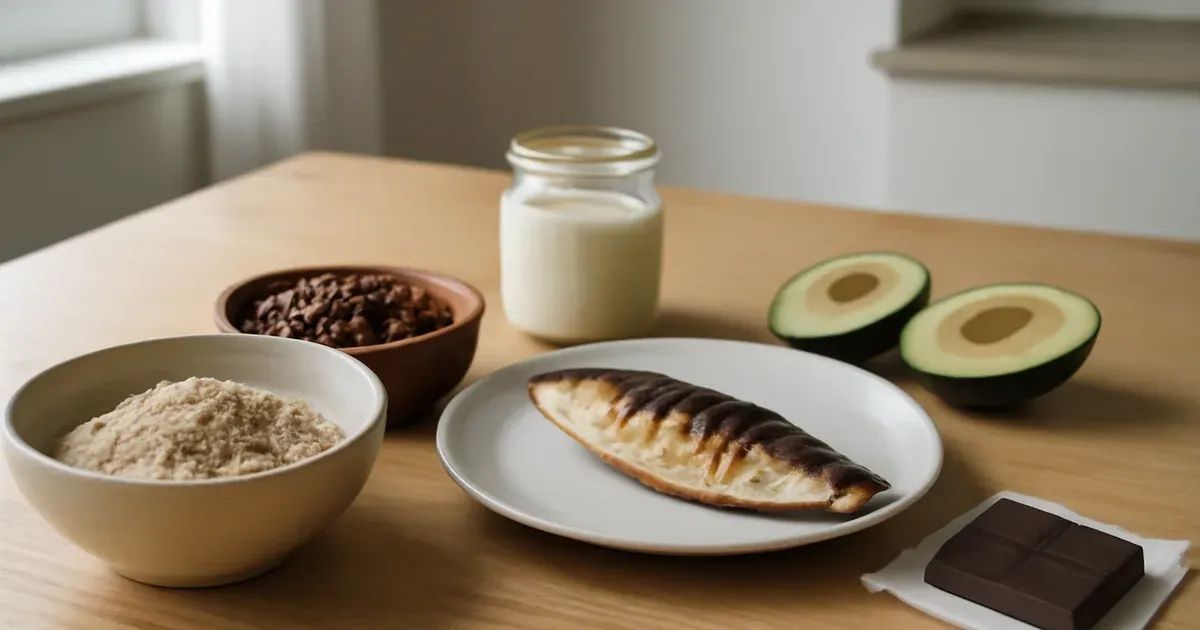
Protein, healthy fats, dietary fibre, fermented foods, and even dark chocolate all have evidence behind them for promoting natural GLP-1 secretion. Each works through slightly different mechanisms, and combining them in a single meal tends to be most effective.
Protein triggers GLP-1 release directly from intestinal L-cells. Lean meats, poultry, oily fish (mackerel, sardines, and trout are all widely available in the UK), eggs, yogurt, and legumes such as lentils and split peas are excellent options aligned with the UK Eatwell Guide.
Healthy fats — particularly monounsaturated fats from olive oil and avocados, and omega-3s from oily fish — slow stomach emptying and prolong the GLP-1 signal. Dietary fibre is arguably the most important category for long-term gut health. Soluble fibre from oats and barley (both staples of the British diet) is fermented by gut bacteria into short-chain fatty acids such as butyrate, which in turn stimulates GLP-1-producing cells. A review on oats and appetite hormones confirmed oats' role in regulating hunger hormones including GLP-1.
Key food groups to prioritise:
- Wholegrains: oats, barley, wholemeal bread
- Legumes: lentils, chickpeas, kidney beans
- Vegetables: Brussels sprouts, artichokes, carrots, sweet potatoes
- Fruits: apples, pears, oranges
- Oily fish: mackerel, herring, sardines, salmon, trout
- Fermented foods: natural yogurt, kefir, sauerkraut, kimchi, miso
- Dark chocolate (70%+ cacao): one 28 g square daily
How does your gut microbiome affect GLP-1 levels?
Your gut microbiome — the trillions of bacteria, fungi, and other microorganisms living in your digestive tract — directly influences how much GLP-1 your intestinal cells produce. This is one of the most exciting areas of current UK microbiome research, with projects such as the British Gut Project and work at King's College London generating important insights.
When beneficial gut bacteria ferment soluble fibre, they produce short-chain fatty acids (SCFAs) — particularly butyrate, propionate, and acetate. These SCFAs bind to receptors on L-cells in the gut lining and prompt them to secrete more GLP-1. A diverse, fibre-rich microbiome therefore acts as a natural GLP-1 amplifier.
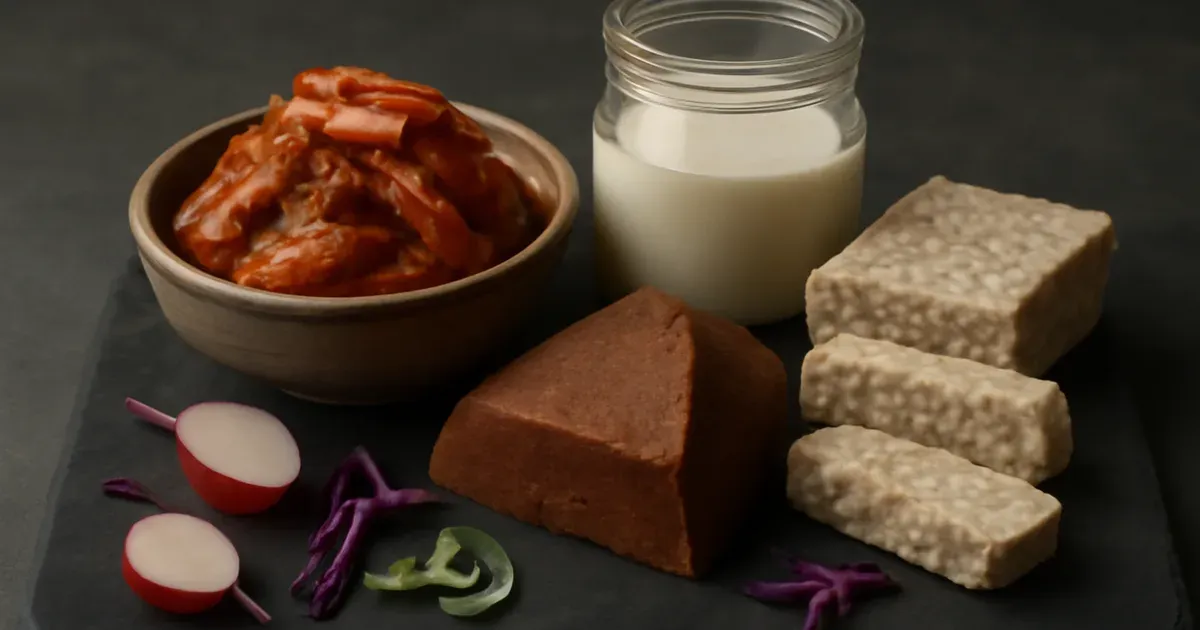
Probiotics and fermented foods support microbial diversity. Regular consumption of kefir, natural yogurt, kimchi, sauerkraut, miso, and tempeh helps maintain the bacterial populations that drive SCFA production. The gut-brain axis means that improvements in microbiome diversity do not just benefit metabolism — they are also linked to better mood regulation and reduced anxiety, further reinforcing the importance of a healthy gut.
For anyone looking to improve gut health naturally in the UK, eating at least 30 different plant foods per week (a metric popularised by the British Gut Project) is one of the most practical ways to support both microbiome diversity and GLP-1 production.
Does the order you eat food in really make a difference?
Yes — eating protein and vegetables before carbohydrates genuinely enhances GLP-1 secretion and reduces post-meal blood sugar spikes. This is not a diet fad; it is supported by mechanistic research into how intestinal L-cells respond to nutrients arriving in sequence.
When fibre and protein reach the small intestine before carbohydrates, they prime L-cells to release more GLP-1. This extra GLP-1 then slows stomach emptying and boosts insulin secretion, resulting in a flatter blood sugar curve after the meal. Eating carbohydrates first, by contrast, produces a sharper glucose rise and a weaker GLP-1 response.
A practical approach for UK meals:
- Start with a salad or vegetables dressed with olive oil
- Follow with your protein source (fish, chicken, eggs, lentils)
- Finish with the carbohydrate portion (rice, bread, pasta, potato)
This simple restructuring does not require calorie counting or special ingredients — just a shift in the order you load your plate.
Natural GLP-1 vs GLP-1 medication: what is the difference?
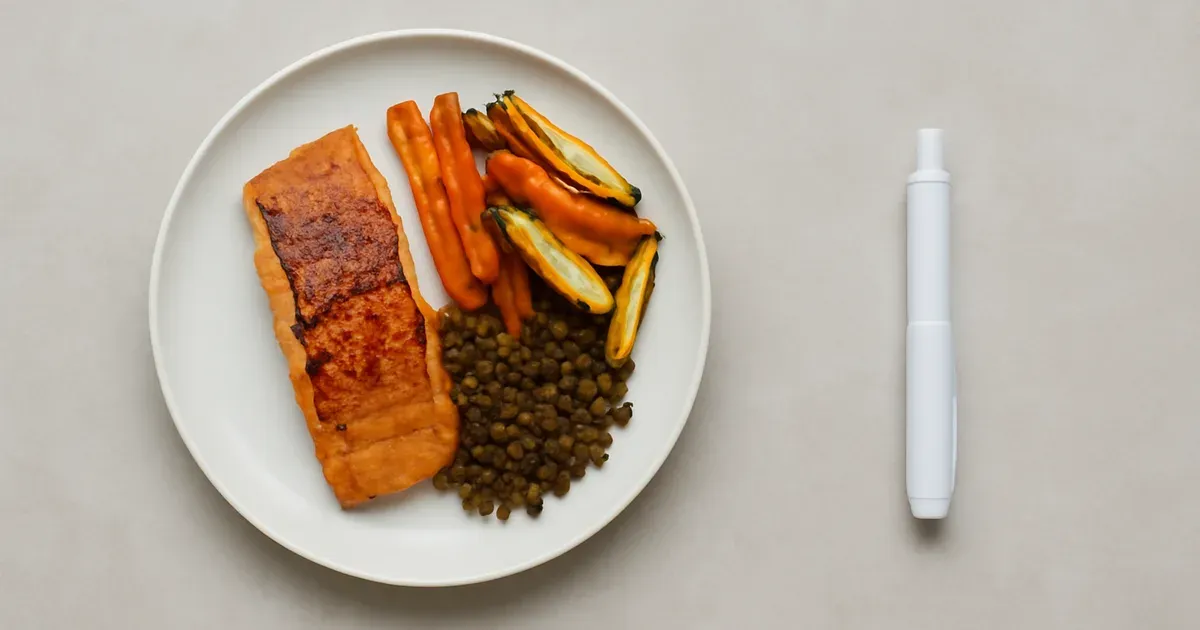
Natural GLP-1 is the hormone your gut produces in small, short-lived pulses, while GLP-1 receptor agonist medications such as semaglutide (Ozempic, Wegovy) and tirzepatide (Mounjaro) are pharmaceutical compounds designed to mimic and amplify that signal far beyond what food can achieve.
| Feature | Natural GLP-1 | GLP-1 Medication |
|---|---|---|
| Source | Produced in the small intestine | Injectable or oral pharmaceutical |
| Potency | Lower; physiological doses | Much higher; pharmacological doses |
| Duration | Minutes | Hours to days (depending on drug) |
| Cost | Free (diet & lifestyle) | Significant cost; NHS prescribing criteria apply |
| Side effects | None | Nausea, vomiting, potential rare risks |
| Weight loss effect | Modest but meaningful | Clinically significant in trials |
The key insight is that these approaches are not mutually exclusive. Even people prescribed GLP-1 medications in the UK are advised by the NHS and British Dietetic Association (BDA) to maintain dietary and lifestyle changes to achieve lasting results. Natural strategies lay the metabolic groundwork; medication amplifies the signal when clinically warranted.
Can exercise and sleep improve GLP-1 naturally?
Both moderate-to-high intensity exercise and good sleep quality are independently associated with improved GLP-1 levels and better appetite regulation. These are two of the most powerful — and most underutilised — levers available without any dietary change.
Exercise: Both aerobic activity (brisk walking, cycling, swimming) and resistance training raise GLP-1 levels. A combination of both appears most beneficial. The NHS recommends at least 150 minutes of moderate-intensity activity per week for UK adults — meeting this target is a reasonable baseline for supporting GLP-1 function. Consistency matters more than intensity; finding an enjoyable activity makes long-term adherence far more likely.
Sleep: GLP-1 follows a circadian rhythm, peaking during daytime and early evening. Poor sleep quality disrupts this rhythm, delays the post-meal GLP-1 peak, and impairs appetite regulation — often leading to increased food intake the following day. Research into circadian GLP-1 secretion confirms that hormonal timing is closely tied to biological clocks. Aiming for 7–9 hours of quality sleep per night supports both GLP-1 rhythms and overall gut-brain health.
Does stress affect GLP-1 and your gut?
Chronic stress raises cortisol levels, which directly impairs GLP-1 release and disrupts the gut microbiome — creating a negative feedback loop that worsens appetite regulation and metabolic health. This is a critical but often overlooked dimension of the gut-brain connection.
Elevated cortisol reduces the sensitivity of GLP-1-producing L-cells, meaning you get a weaker hormonal signal after eating even if your diet is excellent. Simultaneously, chronic stress alters gut motility, damages the gut lining, and reduces microbial diversity — all of which further suppress natural GLP-1 production.
Practical stress-reduction strategies that also support gut health:
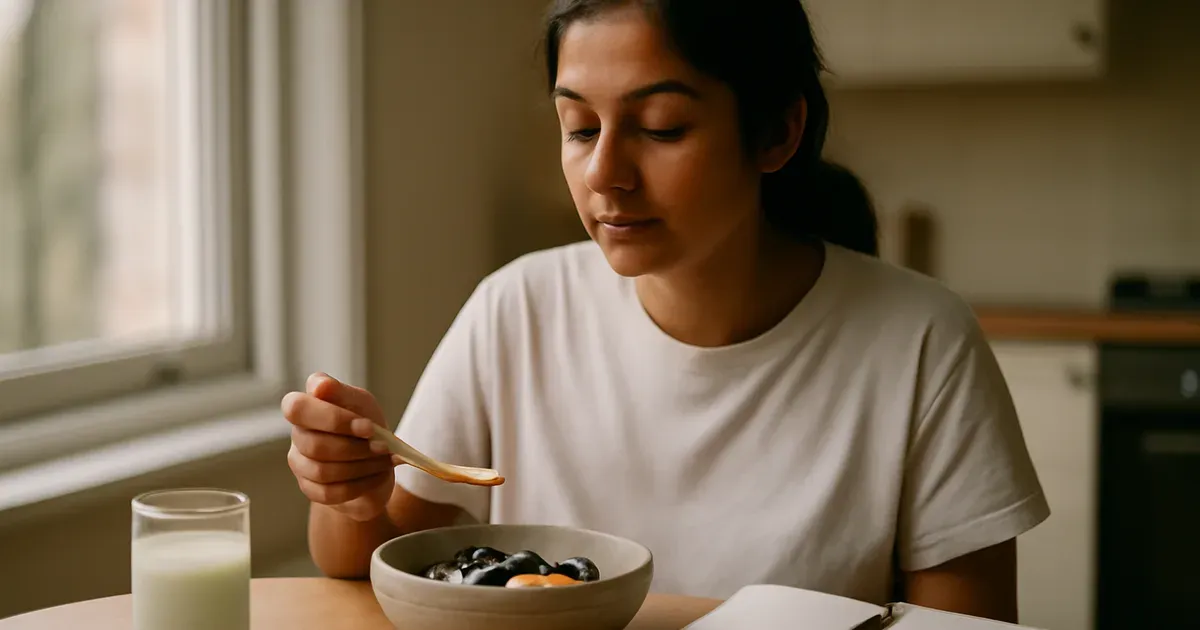
- Mindful eating: eating slowly and without distractions strengthens the gut-brain signal
- Mind-body exercises: yoga, tai chi, and breathwork lower cortisol
- Time in nature: evidence supports its role in reducing physiological stress markers
- Adequate sleep (see above)
- Journalling and gratitude practices
For NHS gut health resources on managing stress and digestive wellbeing, the NHS Every Mind Matters platform offers practical starting points for UK adults.
What is the simplest daily routine to support GLP-1 naturally?
A straightforward daily framework — combining timed eating, smart food sequencing, movement, and sleep hygiene — can meaningfully support natural GLP-1 activity without requiring any supplements or specialist products. This is the foundation of improving gut health naturally for the long term.
Morning:
- Eat your first meal within 1–2 hours of waking
- Choose a protein-rich breakfast (eggs, Greek yogurt, smoked mackerel) with a fibre source (oats, fruit, wholemeal toast)
Throughout the day:
- Eat every 3–4 hours to maintain consistent GLP-1 signalling
- Start meals with vegetables or salad, then protein, then carbohydrates
- Eat slowly — put utensils down between bites, aim for 20–30 minutes per meal
- Aim for 30+ plant foods per week to feed a diverse microbiome
Evening:
- Finish your last substantial meal at least 2 hours before bed
- Keep your eating window to roughly 12 hours (e.g. 7 am to 7 pm)
- Wind down with a stress-reduction practice before sleep
Focus on one habit at a time. Small, consistent actions compound into lasting metabolic change — and a healthier gut-brain axis.
Bottom Line
- GLP-1 is a gut-derived hormone that links digestion, blood sugar, appetite, and the gut-brain axis — making it central to both metabolic and gut health in the UK.
- Diet is your most direct lever: fibre (especially from oats, lentils, and vegetables), protein, healthy fats, and fermented foods all stimulate natural GLP-1 release.
- Your gut microbiome amplifies GLP-1 by converting fibre into short-chain fatty acids — eating 30+ plant foods per week is one of the most evidence-backed strategies from UK microbiome research.
- Meal sequencing, eating pace, exercise, sleep, and stress management all influence how effectively your body produces and responds to GLP-1.
- Natural GLP-1 strategies and GLP-1 medications are complementary, not competing — diet and lifestyle changes are recommended by the BDA and NHS even for those on medication.
Frequently Asked Questions
Is it possible to boost GLP-1 without medication in the UK?
Yes — dietary and lifestyle changes can meaningfully stimulate natural GLP-1 release, though the effect is more modest than pharmaceutical GLP-1 receptor agonists. Eating fibre-rich foods such as oats and lentils, including fermented foods like kefir and natural yogurt, exercising regularly, and improving sleep quality all support GLP-1 production. These approaches are safe, cost-free, and aligned with NHS and British Dietetic Association guidelines for healthy eating.
Does the gut microbiome really influence GLP-1 levels?
Yes — gut bacteria that ferment dietary fibre produce short-chain fatty acids, which directly stimulate GLP-1-secreting L-cells in the intestinal lining. A more diverse microbiome, supported by eating a wide variety of plant foods, tends to produce more of these beneficial compounds. UK microbiome research from King's College London and the British Gut Project has helped establish this gut-brain-metabolism connection.
Are GLP-1 medications prescribed on the NHS for weight loss?
GLP-1 receptor agonists such as semaglutide (Wegovy) are available on the NHS in England under specific criteria, primarily for adults with obesity and at least one weight-related condition. Prescribing is managed through specialist weight management services. Regardless of medication, the NHS and BDA emphasise that dietary and lifestyle changes remain essential for sustained outcomes.
How quickly can dietary changes affect GLP-1 levels?
Changes in GLP-1 secretion can occur within a single meal when you alter food composition or eating sequence — for example, eating vegetables and protein before carbohydrates. Sustained improvements in baseline GLP-1 activity, driven by microbiome changes from a higher-fibre diet, typically develop over several weeks of consistent eating habits.
Can dark chocolate really help with GLP-1 and gut health?
Dark chocolate containing at least 70% cacao is rich in flavanols — antioxidant compounds that may support GLP-1 activity and feed beneficial gut bacteria. A standard portion of approximately 28 g per day is reasonable. Dark chocolate is still calorie-dense, so moderation is important; it is a useful addition to a varied, fibre-rich diet rather than a standalone solution.
Understanding how your gut produces GLP-1 naturally puts you in a genuinely powerful position. Whether you are looking to manage your weight, stabilise blood sugar, or simply support a healthier gut-brain axis, the daily choices around what you eat, when you eat, and how you live have real, measurable effects. Start with one change this week — and build from there.
You might also like
- Protein vs Fibre: What Your Gut Health Needs
- How to Support Gut-Brain Health in 6 Steps
- Gut Health & Lifestyle Medicine: Your Questions Answered
96 Bacterial Strains. Two Shots a Day.
GOODIE is an award-winning fermented drink with 96 live bacterial strains — more than any yogurt or kombucha — never pasteurised, clinically tested, and 8 in 10 users felt less bloating within 14 days. Curious?