Ectomorph Body Type: Your Biggest Questions Answered
Discover how the ectomorph body type, gut health, and the gut-brain connection interact — with science-backed training and nutrition answers for UK readers.


If you've ever wondered why some people seem to stay naturally slim no matter what they eat, you're not alone. The ectomorph body type is one of the most misunderstood somatotypes — and the relationship between your body composition, your gut health, and your ability to build muscle is more complex than most fitness guides let on. Whether you're trying to bulk up, eat smarter, or simply understand your body better, this guide cuts through the confusion.
Jump to Your Question
What is the ectomorph body type?
What are the main characteristics of an ectomorph?
How should an ectomorph train to build muscle?
Does gut health affect an ectomorph's ability to gain weight?
What should an ectomorph eat to build muscle?
How does the gut-brain connection influence training and recovery?
What are the best exercises for ectomorphs?
Can an ectomorph improve their gut microbiome to support muscle gain?
What is the ectomorph body type?
The ectomorph body type is one of three somatotypes — alongside endomorphs and mesomorphs — and is characterised by a naturally slim, lean physique with a fast metabolism. People who identify as ectomorphs typically have a light bone structure, narrow shoulders and hips, and find it notably harder to gain weight or build muscle than other body types.
The term "hardgainer" is often applied to ectomorphs in fitness communities, reflecting the real challenge many face when trying to increase muscle mass. Their rapid metabolic rate means calories are burnt quickly, which is useful for staying lean but problematic when the goal is growth.
It's important to note that somatotypes are not an exact science. Most people sit on a spectrum between two body types, so you may identify with some ectomorph traits but not all — and that's entirely normal.
What are the main characteristics of an ectomorph?
Ectomorphs share a recognisable set of physical and metabolic traits that distinguish them from endomorphs and mesomorphs. Understanding these characteristics is the first step towards building a fitness and nutrition plan that actually works for your body.
Common ectomorph characteristics include:
- Slim, lean build with naturally low body fat
- Narrow shoulders and hips due to a smaller bone structure
- Fast metabolism — calories are burnt at a higher rate
- Smaller joints, such as narrower wrists and ankles
- Difficulty gaining weight, even with increased caloric intake
- Lower muscle mass relative to other body types
- High energy levels, but a need for more frequent meals to sustain them
These traits are largely influenced by genetics, but emerging research suggests that the gut microbiome may also play a role. Studies from institutions such as King's College London have shown that gut bacteria influence how efficiently we absorb nutrients — which could partly explain why some ectomorphs struggle to gain mass even when eating in a caloric surplus.

How should an ectomorph train to build muscle?
Ectomorphs build muscle most effectively through a combination of heavy compound lifts, progressive overload, and adequate recovery — not through high-volume cardio or circuit-style training. The goal is to stimulate muscle growth without burning through too many additional calories.
Key training principles for ectomorphs:
- Compound exercises first: Squats, deadlifts, bench presses, rows, and overhead presses engage multiple muscle groups simultaneously and are the cornerstone of any effective ectomorph programme.
- Moderate-to-high volume: Aim for 6–12 repetitions per set, with 3–4 sets per exercise. Train each major muscle group 2–3 times per week.
- Progressive overload: Gradually increase the weight or repetitions over time. Without this principle, muscle growth stalls.
- Limit cardio: Cardiovascular exercise is important for overall health, but excessive cardio increases caloric expenditure — making it even harder to maintain a surplus. Keep sessions short and infrequent.
- Prioritise rest: Ectomorphs may require more recovery time between sessions. Overtraining is a genuine risk when the body is already under caloric strain.
If you're new to weight training, working with a qualified personal trainer to build a structured programme is worth considering.
Does gut health affect an ectomorph's ability to gain weight?
Gut health can meaningfully influence how efficiently the body absorbs and utilises nutrients — which is directly relevant to an ectomorph's struggle to gain weight. The gut microbiome, the vast community of trillions of microorganisms living in the digestive tract, plays a central role in breaking down food and extracting energy from what we eat.
Research from the British Gut Project and studies at King's College London and the University of Reading have demonstrated that individuals with lower microbial diversity tend to have less efficient nutrient absorption. For ectomorphs already fighting against a fast metabolism, poor gut health could compound the difficulty of building mass.
Specifically, an imbalanced microbiome may:
- Reduce protein absorption, limiting the raw material available for muscle synthesis
- Impair carbohydrate fermentation, affecting energy availability during training
- Increase gut permeability (sometimes called "leaky gut"), triggering low-grade inflammation that can interfere with recovery
- Disrupt short-chain fatty acid production, which plays a role in metabolic regulation
Improving gut health naturally — through dietary fibre, fermented foods, and a diverse plant-based diet — could therefore support an ectomorph's goals beyond what exercise alone can achieve. This is an underexplored area, but one that UK microbiome research is increasingly shedding light on.
What should an ectomorph eat to build muscle?
Ectomorphs need to eat more calories than they burn — consistently — in order to build muscle, which means a strategic, nutrient-dense diet is non-negotiable. The UK Eatwell Guide provides a useful framework, but ectomorphs will typically need to scale their intake significantly above standard guidelines.
Core nutritional priorities for ectomorphs include:
- High protein intake: Aim for approximately 1.6–2.2g of protein per kilogram of body weight per day. Sources include chicken, fish, eggs, dairy, legumes, and tofu.
- Complex carbohydrates: Brown rice, oats, sweet potatoes, and wholegrain bread provide sustained energy for training sessions.
- Healthy fats: Calorie-dense foods like nut butters, avocado, olive oil, and full-fat dairy help boost overall caloric intake without excessive volume.
- Frequent meals: High energy levels and fast metabolism mean ectomorphs often benefit from eating every 3–4 hours rather than relying on three large meals.
Supporting gut health through diet is equally important. A fibre-rich diet — including plenty of vegetables, legumes, and wholegrains — feeds beneficial gut bacteria and improves nutrient absorption. Fermented foods such as live yoghurt, kefir, sauerkraut, and kimchi introduce beneficial microorganisms that can enhance the diversity of the gut microbiome in the UK population, as evidenced by data from the British Gut Project.
How does the gut-brain connection influence training and recovery?
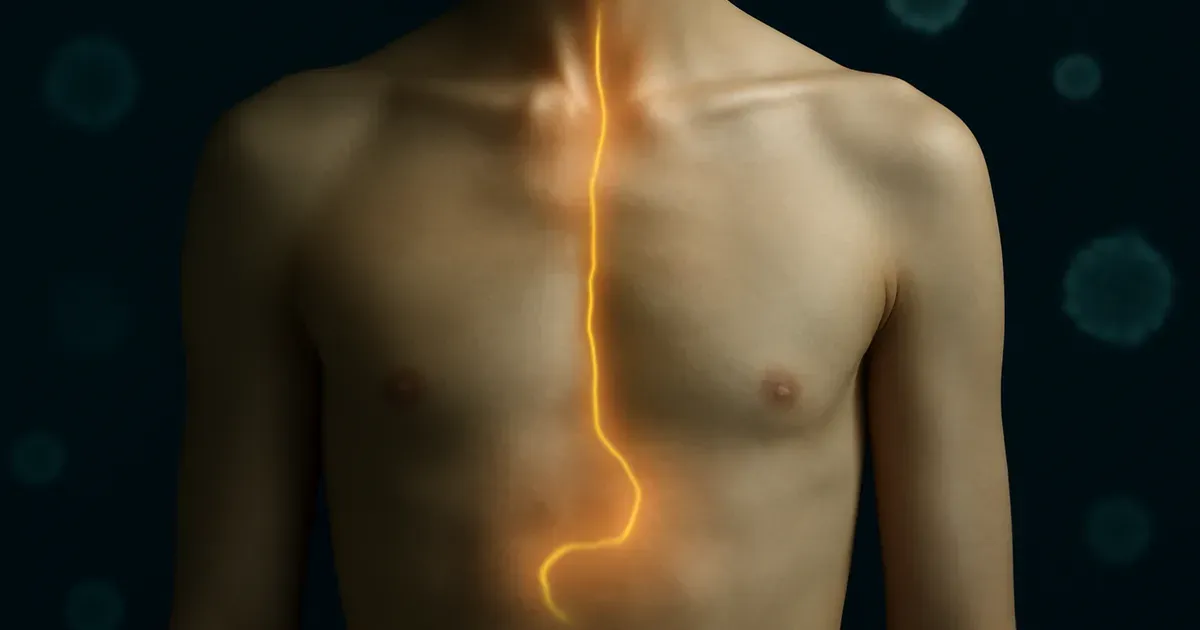
The gut-brain connection — the bidirectional communication network between the digestive system and the brain — has a direct impact on motivation, stress response, and physical recovery, all of which matter for anyone trying to build muscle consistently.
The vagus nerve acts as the main communication highway between the gut and the brain. When gut health is compromised, signals travelling along this pathway can contribute to elevated cortisol (the stress hormone), disrupted sleep, and reduced motivation — all of which undermine training performance and recovery.
For ectomorphs, this connection is particularly relevant:
- Cortisol and muscle loss: Chronic stress and poor gut health can elevate cortisol, which is catabolic — meaning it breaks down muscle tissue. This is the opposite of what ectomorphs need.
- Sleep and growth hormone: Poor gut health is associated with disrupted sleep. During deep sleep, the body releases growth hormone, which is essential for muscle repair and growth.
- Mood and consistency: Roughly 90% of the body's serotonin is produced in the gut. Low serotonin can reduce motivation and make it harder to stick to a consistent training programme.
Improving gut health naturally — through dietary changes, stress management, and adequate sleep — can therefore have a measurable impact on training outcomes, not just digestive comfort.

What are the best exercises for ectomorphs?
The best exercises for ectomorphs prioritise muscle hypertrophy and functional strength, with compound movements forming the foundation of any effective programme. Isolation exercises and functional training can be added as complementary tools.
Compound Exercises (Foundation)
| Exercise | Primary Muscles Worked | Why It's Great for Ectomorphs |
|---|---|---|
| Squats | Quads, glutes, hamstrings, core | Full-body stimulus, high anabolic response |
| Deadlifts | Posterior chain, back, core | Maximum muscle recruitment |
| Bench Press | Chest, shoulders, triceps | Upper body mass builder |
| Barbell Rows | Back, biceps, rear delts | Balances pushing movements |
| Overhead Press | Shoulders, triceps, core | Builds upper body width |
Isolation Exercises (Supplementary)
- Bicep curls
- Leg extensions and leg curls
- Lateral raises
- Cable flyes
Functional Training (Optional Addition)
- Kettlebell swings and goblet squats develop strength, coordination, and endurance simultaneously
- Bodyweight movements such as push-ups, pull-ups, and lunges build functional strength and can be done anywhere
The key for ectomorphs is to resist the temptation to overtrain or add excessive cardio. Consistency with compound lifts, combined with a caloric surplus and gut-supporting nutrition, produces far better results than high-frequency, high-variety programmes.
Can an ectomorph improve their gut microbiome to support muscle gain?
Yes — improving the gut microbiome is an evidence-based strategy that can support muscle gain indirectly, by enhancing nutrient absorption, reducing inflammation, and optimising the gut-brain axis. UK microbiome research is increasingly pointing to the microbiome as a key variable in metabolic health, not just digestive wellbeing.
Practical steps to improve gut health naturally include:
- Increase dietary fibre: Aim for at least 30g per day, as recommended by NHS guidelines. Fibre feeds beneficial gut bacteria and promotes microbial diversity.
- Eat a wide variety of plants: Data from the British Gut Project suggests that eating 30 or more different plant foods per week is associated with significantly greater microbiome diversity.
- Include fermented foods: Live yoghurt, kefir, kombucha, and fermented vegetables introduce beneficial bacteria and have been shown in research from King's College London to increase microbiome diversity.
- Limit ultra-processed foods: These are associated with reduced microbial diversity and increased gut inflammation — both counterproductive for muscle-building ectomorphs.
- Manage stress: Chronic psychological stress disrupts the gut microbiome via the gut-brain connection. Practices such as mindfulness, adequate sleep, and regular but not excessive exercise all support a healthier microbiome.
For ectomorphs looking to maximise their results, combining a well-structured training programme with active microbiome support represents a genuinely holistic approach to body composition.
The Bottom Line
- Ectomorphs have a naturally lean, fast-metabolising physique that makes weight and muscle gain genuinely challenging — but absolutely achievable with the right approach.
- Compound lifts with progressive overload are the most effective training strategy for ectomorphs, combined with strictly limited cardio and adequate rest.
- Caloric surplus with high protein and complex carbohydrates is non-negotiable for muscle growth in ectomorphs.
- Gut health directly influences nutrient absorption, inflammation, and the gut-brain connection — all of which affect training performance and recovery.
- Improving the gut microbiome through dietary fibre, fermented foods, and stress management can complement a muscle-building programme in ways that are increasingly supported by UK microbiome research.
Ready to Take the Next Step?
Understanding your ectomorph body type is just the beginning. Whether you want to build a smarter training programme, explore how gut health could be holding back your gains, or dive deeper into the gut-brain connection and physical performance, the resources below are a great starting point. Your body has more potential than you might think — and the science is increasingly on your side.
You might also like
- How to Boost Natural GLP-1 for Gut Health (No Drugs)
- 7 Gut-Brain Secrets That Could Change Your Mental Health
- Gut Health UK: How Your Microbiome Protects Your Heart
Frequently Asked Questions
Is being an ectomorph genetic?
Somatotype is largely determined by genetics, including bone structure, metabolic rate, and natural muscle fibre distribution. However, emerging research suggests that the gut microbiome — which is itself partly shaped by environment, diet, and lifestyle — may also influence how the body processes nutrients and builds mass. Genetics sets the parameters; lifestyle choices influence the outcome.
Can ectomorphs lose their "hardgainer" status over time?
With consistent training, a structured caloric surplus, and attention to gut health, many ectomorphs do find it progressively easier to build and maintain muscle. The body adapts to training stimuli, and the gut microbiome can shift meaningfully within weeks of dietary changes. Patience and consistency are the most important variables.
Do ectomorphs need protein supplements?
Protein supplements can be a useful and convenient tool for ectomorphs who struggle to meet their daily protein targets through food alone, but they are not essential. Whole food sources — chicken, fish, eggs, legumes, dairy — are preferable where possible. If using protein powder, choose one without excessive additives that could negatively affect gut health.
How does gut health affect energy levels during training?
The gut microbiome influences energy metabolism, nutrient absorption, and the production of neurotransmitters like serotonin, all of which have a direct bearing on how energised you feel during and after training. A poorly functioning gut can leave even well-fed ectomorphs feeling fatigued or unmotivated — a pattern increasingly recognised in gut-brain connection research at institutions like King's College London and UCL.
Should ectomorphs avoid all cardio?
Ectomorphs do not need to avoid cardio entirely — cardiovascular health remains important and NHS guidelines recommend regular aerobic activity for all adults. The key is moderation: short, infrequent cardio sessions (two per week, 20–30 minutes) are unlikely to undermine muscle-building goals, whereas daily high-intensity cardio will increase caloric expenditure and make achieving a surplus significantly harder.
96 Bacterial Strains. Two Shots a Day.
GOODIE is an award-winning fermented drink with 96 live bacterial strains — more than any yogurt or kombucha — never pasteurised, clinically tested, and 8 in 10 users felt less bloating within 14 days. Curious?