Fibermaxxing Trend Backed by Gut Health Experts
The 'fibremaxxing' trend is earning rare expert approval, with gut health researchers saying higher fibre intake supports the microbiome and gut-brain connectio

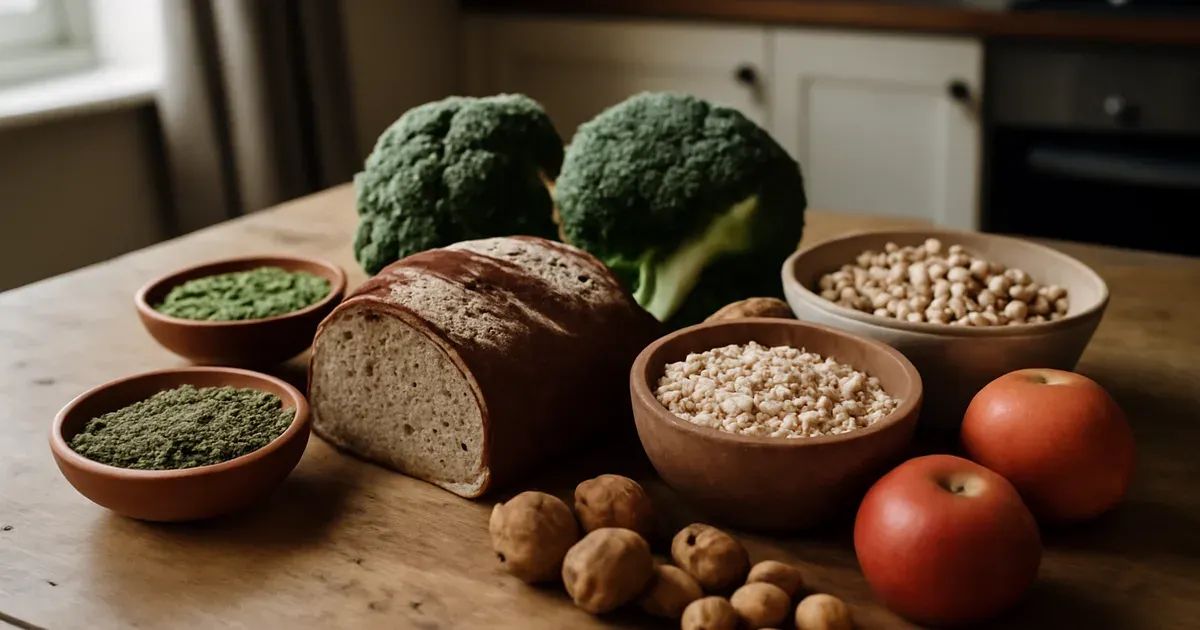
A wellness trend known as "fibremaxxing" — the deliberate effort to maximise dietary fibre intake — is gaining expert backing as one of the few social media health fads genuinely supported by science, according to reporting by NPR published on 18 May 2026. Unlike many nutritional trends that draw scepticism from health professionals, fibremaxxing aligns closely with longstanding dietary guidance from bodies including the NHS, and researchers say its benefits for gut health in the UK and beyond are substantial.
Why This Matters for the Gut Microbiome
Fibre has long been underappreciated as a nutrient, despite its central role in supporting the gut microbiome — the vast community of trillions of bacteria, fungi, and other microbes living in the digestive tract. UK microbiome research, including work from King's College London and the British Gut Project, has consistently highlighted how a fibre-rich diet feeds beneficial gut bacteria, producing short-chain fatty acids that reduce inflammation and support overall health. Most adults in the UK currently consume only around 18g of fibre per day — well below the NHS-recommended 30g daily target. Poor fibre intake has been linked not only to digestive problems but also to a weakened gut-brain connection, affecting mood, cognition, and mental wellbeing.
What the Fibremaxxing Trend Actually Involves
Per NPR's reporting, fibremaxxing involves intentionally increasing fibre consumption through whole foods such as vegetables, legumes, wholegrains, fruits, nuts, and seeds — rather than relying on supplements. Health experts cited in the NPR piece broadly support this approach, though they note a few caveats: increasing fibre too rapidly can cause bloating and digestive discomfort, and adequate hydration is essential alongside any increase in intake. The trend maps closely onto existing recommendations in the UK Eatwell Guide, which prioritises high-fibre starchy foods, five portions of fruit and vegetables daily, and pulses as a protein source.
What This Means for UK Adults
For health-conscious adults looking to improve gut health naturally, fibremaxxing represents a low-cost, evidence-based strategy that requires no specialist products or expensive supplements. The gut-brain axis — the bidirectional communication pathway between the digestive system and the brain — is increasingly recognised by researchers as a key target for improving mental as well as physical health. Gradual increases in fibre-rich whole foods, in line with NHS gut health guidance, are a practical starting point.
Fibremaxxing may be trending on social media, but its foundations rest on decades of nutritional science. Per NPR, experts are largely supportive of the approach — provided it is adopted gradually and as part of a balanced British diet gut health strategy rather than a short-term fix.
You might also like
- How to Improve Gut Health Naturally in 6 Steps
- Gut-Brain Connection: Your Biggest Questions Answered
- Gut Health UK: Improve Your Microbiome Naturally
96 Bacterial Strains. Two Shots a Day.
GOODIE is an award-winning fermented drink with 96 live bacterial strains — more than any yogurt or kombucha — never pasteurised, clinically tested, and 8 in 10 users felt less bloating within 14 days. Curious?