Gut-Brain Connection: Your Biggest Questions Answered
Discover what the gut-brain connection really means, how your microbiome affects mood, and how to improve gut health naturally — backed by UK research.

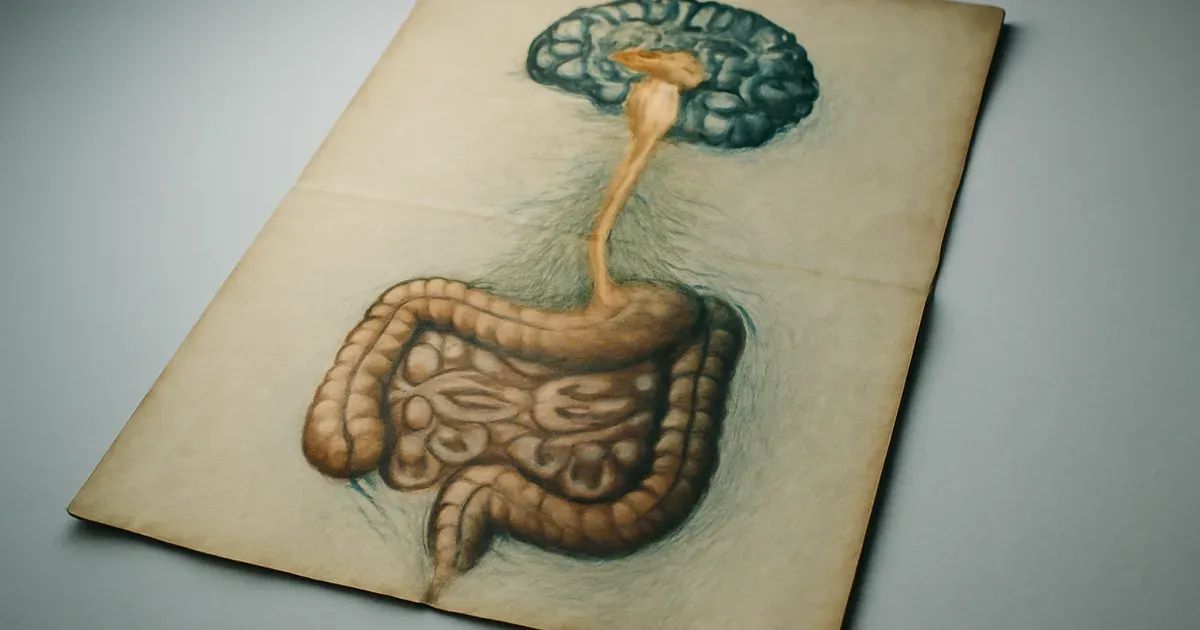
The gut-brain connection sounds like a vague wellness buzzword — but it is grounded in serious science. If you have ever wondered why stress upsets your stomach, or why your mood dips when your digestion is off, you are not imagining things. This guide answers the most common questions about the gut-brain axis, what UK research tells us, and how you can improve gut health naturally to support both your mind and body.
Jump to a Question
What exactly is the gut-brain connection?
How does the gut microbiome affect mental health?
What conditions are linked to poor gut health in the UK?
Can you improve gut health naturally to support your mood?
What does UK microbiome research tell us right now?
How do medications like SSRIs affect gut bacteria?
Can emerging therapies targeting the gut help mental health?
What should I eat to support the gut-brain axis?
What exactly is the gut-brain connection?
The gut-brain connection — also called the gut-brain axis — is a bidirectional communication network linking your gastrointestinal tract directly to your brain. This network operates via the vagus nerve, the immune system, hormones, and chemical messengers called neurotransmitters. It means signals travel constantly in both directions: your brain influences gut function, and your gut influences brain function.
Your gastrointestinal tract is sometimes called the "second brain" because it contains roughly 500 million neurons — more than your spinal cord. An astonishing 95% of the body's serotonin, the neurotransmitter most associated with mood and wellbeing, is produced in the gut rather than the brain. Disruption anywhere along the GI tract can therefore ripple upwards into your mental state.
The vagus nerve acts as the motorway between these two organs, carrying real-time data about gut conditions to the brain and vice versa. This is why acute stress can trigger immediate digestive symptoms, and why chronic gut inflammation can contribute to anxiety and low mood.
How does the gut microbiome affect mental health?
The gut microbiome — the vast community of bacteria, viruses, and other microorganisms living in your digestive tract — plays a direct role in regulating mood, cognition, and stress responses. Microorganisms in the human body outnumber our own cells roughly 10 to 1, and while they account for only 1–3% of body mass, their influence on physiology is profound.
Gut microbes help produce and regulate key neurotransmitters including serotonin, dopamine precursors, and gamma-aminobutyric acid (GABA). They also synthesise short-chain fatty acids and vitamins that reduce neuroinflammation. When the microbiome is imbalanced — a state known as dysbiosis — these processes are disrupted, and the downstream effects can include low mood, brain fog, and heightened anxiety.
Research from King's College London and the University of Oxford has contributed significantly to this field, highlighting how dietary patterns shape microbial diversity and, consequently, psychological wellbeing. Studies have also shown that individuals with depression and anxiety tend to display measurably different microbial profiles compared with those without these conditions.
Key ways the microbiome influences mental health:
- Regulates serotonin production in the gut
- Modulates the immune system and reduces systemic inflammation
- Communicates directly with the brain via the vagus nerve
- Influences the stress hormone cortisol through the gut-brain axis
What conditions are linked to poor gut health in the UK?
Poor gut health in the UK is associated with a wide range of both physical and mental health conditions, reflecting how central the gut-brain axis is to overall wellbeing. The NHS recognises conditions including irritable bowel syndrome (IBS), inflammatory bowel disease (IBD), and coeliac disease as having significant impacts on quality of life — and emerging evidence links all of these to changes in the gut microbiome.
Beyond digestive disorders, gut health is now implicated in:
- Post-Traumatic Stress Disorder (PTSD): Scientists have found that PTSD is linked to immune dysregulation and imbalanced gut microbiota. Stress-induced gut flora disruption in early life may increase susceptibility to PTSD following trauma.
- Depression: As far back as 1898, researchers theorised a link between gut flora and "melancholia." Today, intestinal permeability — commonly called "leaky gut" — is understood to contribute to inflammation that drives stress-related depression.
- Substance use disorders: Alcohol misuse and opioid dependency both measurably alter the gut microbiome, disrupting absorption and promoting dysbiosis.
- Autoimmune conditions: Patients with autoimmune diagnoses are significantly more likely to develop mood disorders, illustrating how immune dysregulation, the gut, and mental health are intertwined.
In the UK, approximately 1 in 5 people report digestive problems each year, and the British Dietetic Association (BDA) acknowledges that diet-related gut imbalances have measurable effects on mental health outcomes.

Can you improve gut health naturally to support your mood?
Yes — you can improve gut health naturally through dietary changes, lifestyle modifications, and targeted nutritional strategies, all of which have evidence-based effects on the gut-brain connection. The good news for UK adults is that many of these changes are straightforward and affordable.
The UK Eatwell Guide already recommends a diet rich in fibre, wholegrains, vegetables, and legumes — all of which feed beneficial gut bacteria. Going further than basic dietary guidance, however, the following approaches are supported by research:
- Increase dietary fibre: The NHS recommends 30g of fibre per day for adults, yet most people in the UK consume only around 18g. Fibre feeds beneficial bacteria and supports microbial diversity.
- Eat fermented foods: Yoghurt, kefir, sauerkraut, kimchi, and miso introduce live beneficial bacteria to the gut.
- Reduce ultra-processed foods: A western diet high in refined sugars and additives promotes the growth of harmful bacteria and disrupts microbial balance.
- Manage stress actively: Because the gut-brain axis runs in both directions, chronic psychological stress directly harms gut bacteria. Practices such as mindfulness, regular exercise, and adequate sleep all support microbiome health.
- Consider probiotic supplements: Evidence is growing, though the British Nutrition Foundation advises choosing evidence-backed strains for specific conditions.
What does UK microbiome research tell us right now?
UK microbiome research is among the most advanced in the world, with major projects generating population-level data that is reshaping our understanding of gut health and disease. The British Gut Project, based at King's College London, is one of the largest citizen science microbiome studies globally, having collected data from tens of thousands of UK participants.
Key findings from UK-based microbiome research include:
- Diversity matters most: The British Gut Project found that eating 30 or more different plant species per week was the single strongest predictor of a diverse and healthy microbiome.
- The gut-mental health link is real: Researchers at King's College London have identified specific bacterial genera that are consistently depleted in individuals with depression.
- Diet drives everything: UK Biobank data — drawn from over 500,000 participants — is being used by researchers at Imperial College London and the University of Oxford to map how long-term dietary patterns affect microbial composition and chronic disease risk.
- The MRC and Wellcome Trust have both funded significant gut-brain research programmes in the UK, accelerating our understanding of conditions including IBD, IBS, and anxiety disorders.
This body of evidence strongly supports the case that improving diet to support the microbiome is one of the most powerful levers available for both physical and mental health in the UK.
How do medications like SSRIs affect gut bacteria?
Selective serotonin reuptake inhibitors (SSRIs), the most commonly prescribed antidepressants in the UK, have been shown to suppress certain species of gut bacteria — which may partly explain why their effectiveness can diminish over time. The NHS prescribes SSRIs to millions of adults annually, making this finding clinically significant.
Because SSRIs alter serotonin availability and roughly 95% of serotonin is produced in the gut, it stands to reason that these drugs interact with the gut-brain axis in ways beyond the brain alone. Research suggests that SSRIs have direct antimicrobial properties, suppressing certain gut flora as a side effect of their mechanism.
Why this matters:
- Suppression of beneficial bacteria may trigger compensatory regrowth over time, potentially contributing to SSRI tolerance or treatment-resistant depression
- Gut dysbiosis induced by SSRIs may explain some of the gastrointestinal side effects patients commonly experience
- This opens a new avenue of research: could optimising gut health improve or prolong the effectiveness of antidepressant treatment?
The relationship is not a reason to avoid SSRIs — they remain an important and effective treatment. Rather, it highlights the importance of supporting gut health alongside any pharmacological treatment for depression.
Can emerging therapies targeting the gut help mental health?
Emerging therapies that directly target the gut microbiome — including Faecal Microbiota Transplant (FMT) and precision probiotic interventions — are showing genuine promise as tools for improving mental health outcomes. These are not fringe ideas; several are in active clinical trials in the UK and internationally.
FMT — the process of transferring donor gut bacteria to a patient to restore microbiome balance — has produced striking early results. In trials involving patients with alcohol use disorder, those who received FMT reduced their cravings by 90%, compared to 30% in the control group. Researchers are now exploring FMT for depression and PTSD.
Other emerging approaches include:
- Psychobiotics: Specific probiotic strains developed to influence mood and cognition through the gut-brain axis
- Dietary psychiatry programmes: Structured nutritional interventions targeting microbiome diversity as a mental health treatment
- Anti-inflammatory protocols: Addressing "leaky gut" and systemic inflammation as a route to improving mood disorders
In the UK, NHS England has approved FMT for recurrent Clostridioides difficile infection, and research is expanding into broader mental health applications. The BBSRC has funded several projects exploring how manipulating the microbiome could serve as a non-pharmacological treatment for mood disorders.

What should I eat to support the gut-brain axis?
Supporting the gut-brain connection through diet means prioritising foods that feed beneficial bacteria, reduce inflammation, and maintain the integrity of the gut lining. The British diet has significant room for improvement in this regard — UK adults on average consume far less fibre than recommended, and ultra-processed foods make up nearly 60% of energy intake.
The following dietary pattern is supported by UK nutrition guidance and microbiome research:
| Food Category | Examples | Gut-Brain Benefit |
|---|---|---|
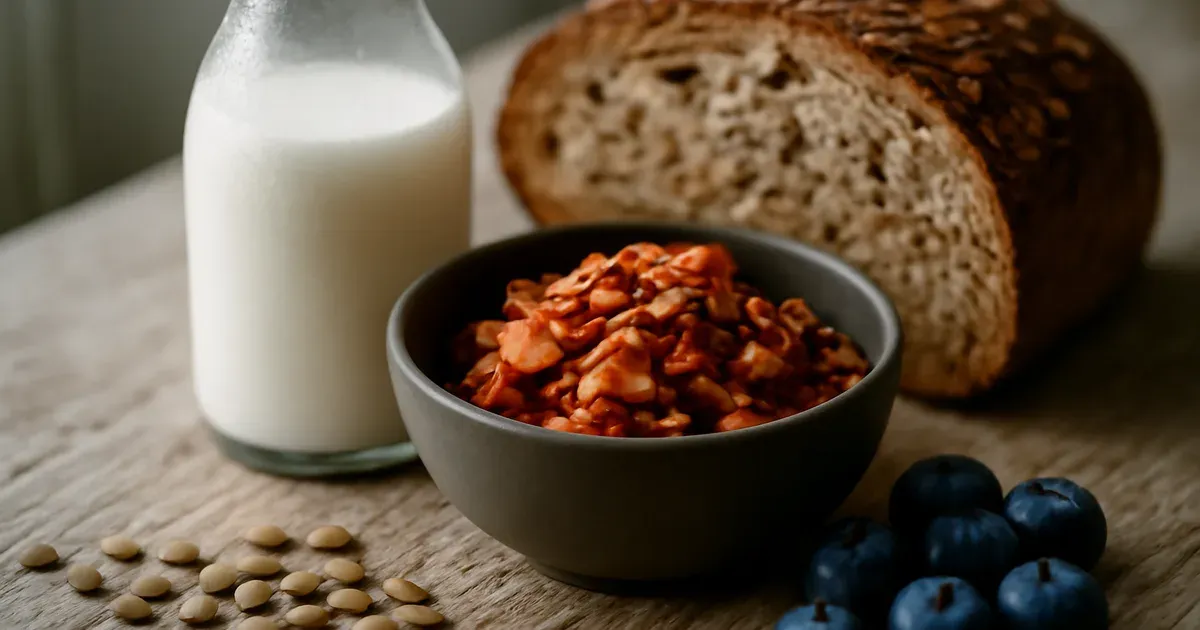
| High-fibre plants | Oats, lentils, beans, broccoli | Feed beneficial bacteria; increase microbial diversity |
| Fermented foods | Kefir, live yoghurt, kimchi, sauerkraut | Introduce beneficial live cultures |
| Polyphenol-rich foods | Blueberries, dark chocolate, green tea, olive oil | Anti-inflammatory; support bacterial diversity |
| Omega-3 rich foods | Oily fish (mackerel, sardines, salmon), flaxseed | Reduce neuroinflammation; support mood |
| Foods to limit | Ultra-processed foods, refined sugars, excessive alcohol | Promote dysbiosis; damage gut lining |
Aim for variety above all else. The British Gut Project's data consistently shows that eating 30 or more different plant foods per week — including herbs, spices, and wholegrains — produces the most diverse and resilient microbiome. Diversity in the diet translates directly to diversity in the gut, and diversity in the gut is one of the strongest markers of both physical and mental health.
Bottom Line
- The gut-brain connection is scientifically established: your microbiome directly influences mood, cognition, and mental health through neurotransmitters, the immune system, and the vagus nerve.
- Poor gut health in the UK is linked to depression, PTSD, anxiety, and substance use disorders — conditions that affect millions of adults.
- You can improve gut health naturally by increasing dietary fibre, eating fermented foods, reducing ultra-processed foods, and managing stress — all consistent with NHS and BDA guidance.
- UK microbiome research from King's College London, the British Gut Project, and UK Biobank is world-leading and continues to reshape clinical understanding of the gut-brain axis.
- Emerging therapies including FMT and psychobiotics show genuine promise, though they are still under investigation — optimising diet remains the most accessible and evidence-backed starting point.
Frequently Asked Questions
Is the gut-brain connection recognised by the NHS?
Yes — the NHS acknowledges the bidirectional relationship between gut health and mental health, particularly in the context of conditions like IBS, which is frequently associated with anxiety and depression. NHS guidance on digestive health increasingly references the role of diet and the microbiome in supporting overall wellbeing, and NHS England funds research into gut-brain interactions.
How long does it take to improve gut health naturally?
Research suggests that meaningful changes to the gut microbiome can occur within two to four weeks of sustained dietary change. Studies show that increasing fibre and plant diversity produces measurable shifts in bacterial composition relatively quickly. However, lasting microbiome improvements require long-term dietary consistency rather than short-term interventions.
What are the signs of an unhealthy gut-brain axis?
Signs that your gut-brain connection may be under strain include persistent bloating, irregular bowel habits, unexplained low mood, brain fog, anxiety, poor sleep, and heightened stress responses. These symptoms overlap significantly, which is precisely why the gut-brain axis is now a key focus of both gastroenterology and psychiatry in the UK.
Does stress directly harm gut health?
Yes — chronic psychological stress measurably disrupts the gut microbiome, reduces microbial diversity, and can increase intestinal permeability. The gut-brain axis runs in both directions: just as a disrupted microbiome worsens mood, sustained mental stress damages gut bacterial balance. This is why stress management is considered a core component of any gut health improvement programme.
Are probiotic supplements worth taking for mental health in the UK?
Probiotic supplements may support mood and reduce symptoms of anxiety and depression, but evidence for specific strains remains emerging. The British Nutrition Foundation advises that while the gut-brain connection is well established, consumers should look for products with clinically studied strains and appropriate colony-forming unit (CFU) counts. Food-based sources of probiotics — such as live yoghurt and kefir — remain a reliable foundation.
You might also like
- Gut Health UK: Improve Your Microbiome Naturally
- How to Improve Gut Health Naturally in 5 Steps
- How to Improve Gut Health Naturally Through Meditation
96 Bacterial Strains. Two Shots a Day.
GOODIE is an award-winning fermented drink with 96 live bacterial strains — more than any yogurt or kombucha — never pasteurised, clinically tested, and 8 in 10 users felt less bloating within 14 days. Curious?