Gut-Boosting Foods That Raise GLP-1 Naturally
Experts say everyday foods rich in fibre and polyphenols can boost GLP-1 naturally, supporting gut health and metabolism without drugs.

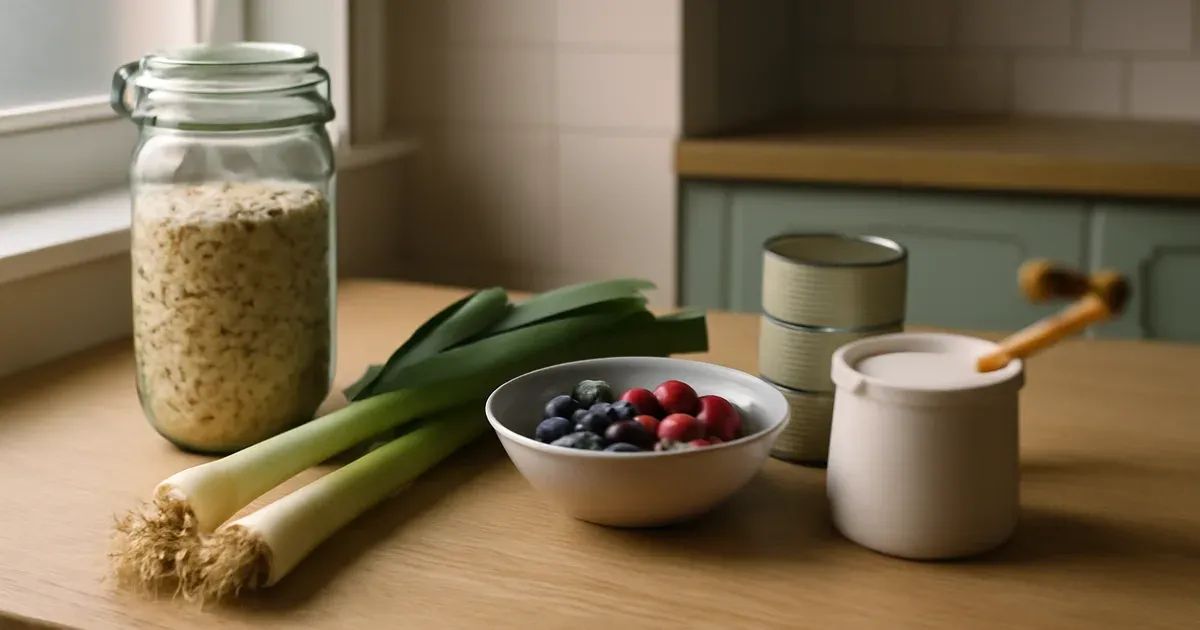
A growing body of expert commentary is pointing to everyday grocery staples as a natural way to stimulate GLP-1 — the same hormone targeted by high-profile weight-loss injections — by improving gut health naturally. According to mindbodygreen, microbiologist and biochemist experts suggest that specific foods can activate the body's own GLP-1 production, offering a dietary route to better metabolic and gut health without pharmaceutical intervention.
Why This Matters for Gut Health in the UK
GLP-1, or glucagon-like peptide-1, is a gut hormone that regulates appetite, blood sugar, and digestion. Interest in microbiome UK research has surged alongside the popularity of GLP-1 receptor agonist drugs, yet NHS gut health guidance has long emphasised dietary fibre and fermented foods as foundations of digestive wellbeing. Institutions including King's College London and the University of Reading have produced leading microbiome UK research highlighting how the foods we eat directly shape gut hormone signalling — making the grocery aisle more relevant than ever to metabolic health.
What the Experts Say About GLP-1 and the Microbiome
Per mindbodygreen, the expert commentary centres on foods rich in fermentable fibre, short-chain fatty acids, and polyphenols as the primary drivers of natural GLP-1 stimulation. Fermentable fibres — found in foods such as oats, chicory root, leeks, and legumes — are identified as among the most potent natural triggers of GLP-1 release. The gut-brain connection is central to this process: gut microbes ferment these fibres, producing short-chain fatty acids that signal GLP-1-secreting cells lining the intestine. Polyphenol-rich foods such as berries and dark chocolate are also highlighted, per the source.
What the British Diet Gut Health Link Means for Shoppers
For health-conscious adults in the UK, the practical takeaway is that a British diet gut health approach — one already encouraged by the NHS Eatwell Guide's emphasis on wholegrains, legumes, and five portions of fruit and vegetables daily — may support GLP-1 production as a natural side-effect of eating well. The gut-brain connection reinforces this: a diverse, fibre-rich diet nourishes gut microbes that, in turn, communicate appetite and satiety signals to the brain, potentially reducing cravings without medication.
The findings, as reported by mindbodygreen, suggest that for many people in the UK, the tools to support metabolic health through the microbiome may already be within reach at the local supermarket. Prioritising fermented foods, wholegrains, legumes, and polyphenol-rich produce aligns with existing UK dietary guidelines while potentially offering benefits that extend well beyond digestion alone.
You might also like
- 7 Fibre-Rich Foods to Improve Gut Health Naturally
- 7 Gut-Brain Secrets That Could Change Your Mental Health
- How to Improve Gut Health Naturally in 6 Steps
96 Bacterial Strains. Two Shots a Day.
GOODIE is an award-winning fermented drink with 96 live bacterial strains — more than any yogurt or kombucha — never pasteurised, clinically tested, and 8 in 10 users felt less bloating within 14 days. Curious?