7 Gut Health Habits You're Probably Ignoring
Discover 7 evidence-based gut health habits most UK adults overlook — from fibre intake to the gut-brain connection — and how to start improving your microbiome

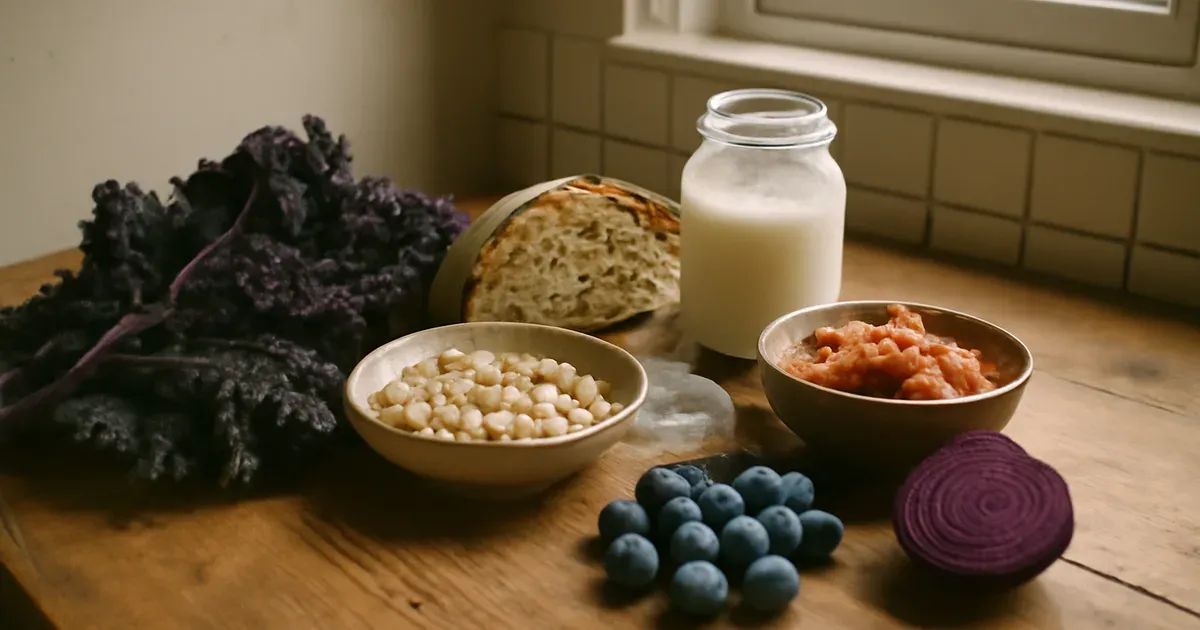
Your gut is quietly running the show — and most of us in the UK are making its job considerably harder. Bloating, low mood, sluggish energy, and persistent niggling illness can all trace back to what's happening inside your gastrointestinal tract. If you've been treating these symptoms in isolation, you're likely missing the bigger picture.
The science is unambiguous: an imbalanced gut microbiome — known as microbial dysbiosis — can activate chronic inflammatory pathways linked to obesity, type 2 diabetes, cardiovascular disease, and even depression and anxiety. Improving gut health naturally isn't a wellness trend; it's one of the most evidence-backed things you can do for your long-term health.
According to a landmark review published in PMC, the microbiome is a modifiable factor intimately linked to all six pillars of lifestyle medicine — meaning your daily habits shape your microbial world far more than genetics do.
1. You're Not Eating Enough Plants (and Your Microbiome Knows It)
A whole-food, plant-predominant diet is the single most powerful lever you can pull for gut health in the UK. Research consistently shows that dietary fibre from vegetables, legumes, wholegrains, and fruit feeds beneficial bacterial species, particularly those in the Bacteroidetes phylum. The UK Eatwell Guide recommends at least 30g of fibre per day, yet surveys show the average British adult consumes only around 18g.
When fibre is scarce, beneficial microbes starve and opportunistic species fill the gap — a shift that drives inflammation throughout the body. Aim to eat 30 different plant foods per week, a target championed by the British Gut Project at King's College London as a reliable marker of microbiome diversity.
2. Chronic Stress Is Disrupting Your Gut-Brain Connection
The gut-brain connection is a two-way communication highway, and chronic psychological stress throws it into chaos. The vagus nerve, along with a network of neurotransmitters and immune signals, links your central nervous system directly to your enteric nervous system — often called the "second brain" in your gut. When stress hormones flood your system, gut motility changes, the intestinal barrier weakens, and microbial composition shifts.
This isn't abstract: high stress is a documented contributor to microbial dysbiosis, which in turn amplifies the stress response in a vicious cycle. Practise even five minutes of daily breathwork or mindfulness — NHS-backed programmes such as Every Mind Matters offer free guided tools to help you begin.
3. Poor Sleep Is Starving Your Beneficial Bacteria
Restorative sleep is non-negotiable for a healthy microbiome UK residents rarely hear about this. Emerging research from the University of Nottingham and other UK institutions has identified bidirectional links between sleep quality and gut microbial diversity. Short or fragmented sleep alters the circadian rhythm of gut bacteria, reducing populations of anti-inflammatory species and increasing those associated with metabolic disease.
The mechanism works both ways: a disrupted microbiome also interferes with the production of serotonin and melatonin, the very hormones that regulate sleep onset. Set a consistent sleep and wake time seven days a week — even at weekends — to stabilise both your circadian rhythm and your microbial communities.
4. You're Underestimating What Sedentary Living Does Below the Belt
Physical inactivity doesn't just weaken muscles and raise cardiovascular risk — it measurably reduces gut microbial diversity. Studies have shown that exercise increases the abundance of short-chain fatty acid (SCFA)-producing bacteria, such as Faecalibacterium prausnitzii, which play a critical role in reducing intestinal inflammation and maintaining the gut lining. In the UK, roughly one in three adults fails to meet NHS physical activity guidelines of 150 minutes of moderate activity per week.
SCFAs produced during exercise-stimulated bacterial fermentation are the gut's primary fuel source and support immune regulation throughout the body. You don't need a gym membership — brisk walking, cycling, or gardening all count towards your weekly target and meaningfully shift your microbial profile within weeks.
💡 Did You Know? Research suggests between 150 and 400 bacterial species reside in a single person's gut, and their composition can change significantly across a lifetime — shaped by everything from birth method to diet to stress levels. The good news: most of these factors are within your control.
5. Antibiotic Overuse Is Leaving Lasting Microbial Damage
Antibiotics are life-saving medicines, but their collateral damage to the gut microbiome is significant and sometimes long-lasting. A single course can reduce microbial diversity for weeks or months, and repeated courses — common in childhood and for recurrent infections — can cause cumulative harm to the microbial ecosystem. The NHS has made antimicrobial stewardship a priority, precisely because overuse threatens both individual gut health and public resistance patterns.
Early disruptions to the microbiome, whether from antibiotics, caesarean delivery, or the absence of breastfeeding, have been linked to higher risks of allergies, autoimmune conditions, and metabolic disease later in life. If you are prescribed antibiotics, speak to your GP or a registered dietitian (accredited by the British Dietetic Association) about dietary strategies — including fermented foods — to support recovery of your microbial diversity.

6. Alcohol and Ultra-Processed Foods Are Feeding the Wrong Microbes
Risky substances — alcohol, tobacco, and ultra-processed foods (UPFs) — are among the most potent disruptors of gut health in the UK. The average British diet now derives over 50% of calories from ultra-processed foods, according to data from the University of Cambridge. These products are typically low in fibre, high in emulsifiers and artificial sweeteners, and devoid of the phytonutrients that beneficial bacterial species depend on to thrive.
Alcohol compounds the problem by increasing intestinal permeability — colloquially known as "leaky gut" — allowing bacterial endotoxins to enter the bloodstream and trigger systemic inflammation. Reducing UPF intake is one of the highest-yield changes you can make: swap one processed snack per day for a fibre-rich whole food alternative such as oats, nuts, or fruit, and you'll begin shifting the microbial balance within days.
7. Social Isolation Is Quietly Harming Your Gut-Brain Axis
Loneliness is not just an emotional experience — it has measurable physiological consequences, including for the microbiome and the gut-brain connection. Research supported by the Wellcome Trust and MRC has found that social isolation raises cortisol, suppresses immune function, and alters microbial composition in ways that mirror the effects of chronic stress. In the UK, the NHS recognises social prescribing as an evidence-based intervention for exactly this reason.
Positive social connections support vagal tone — the strength of the vagus nerve signal between brain and gut — which in turn promotes better gut motility, reduced inflammation, and more balanced microbial communities. Join a community group, volunteer locally, or simply schedule regular phone calls with people who matter to you. The gut-brain axis responds to belonging just as readily as it responds to food.

Putting It All Together: Your Gut Doesn't Work in Isolation
Every single habit on this list interacts with the others. Poor sleep raises stress, which disrupts the gut-brain connection, which degrades sleep further. Sedentary behaviour and a low-fibre British diet together accelerate microbial dysbiosis faster than either does alone. The framework of lifestyle medicine — with its six interconnected pillars — maps almost perfectly onto what we now know about microbiome UK research.
Improving gut health naturally in the UK doesn't require expensive supplements or dramatic overhauls. It requires consistent, evidence-based daily choices across food, movement, sleep, stress, substances, and social connection. Start with one habit this week. Your microbiome will begin responding within days.
You might also like
- How to Improve Gut Health With Meditation Naturally
- Gut Health Breath Tests Explained: Your Questions Answered
- Gut Health UK: How Your Microbiome Fights Infection
Frequently Asked Questions
How quickly can you improve gut health naturally?
Microbial composition can shift within 24 to 48 hours of dietary changes, though meaningful, sustained improvements in diversity typically take several weeks of consistent habits. Research from King's College London's British Gut Project indicates that eating 30 or more different plant foods per week is one of the fastest reliable ways to increase beneficial bacterial diversity. Sleep, stress reduction, and exercise compound these dietary changes.
What does the NHS say about gut health?
The NHS recommends a high-fibre diet, regular physical activity, adequate hydration, and limiting alcohol as the cornerstones of digestive health. NHS guidance also acknowledges the gut-brain connection in the context of conditions such as irritable bowel syndrome (IBS), recommending psychological therapies including cognitive behavioural therapy (CBT) as first-line treatments alongside dietary adjustment. For persistent symptoms, NHS pathways advise consulting a GP.
Are probiotic supplements worth taking in the UK?
The evidence for probiotic supplements is mixed and highly strain-specific. The British Dietetic Association (BDA) advises that for most healthy adults, a diverse diet rich in fermented foods — such as live yoghurt, kefir, kimchi, and sauerkraut — is a more reliable route to improving the gut microbiome than over-the-counter supplements. Specific clinical indications, such as antibiotic-associated diarrhoea, do have stronger evidence for particular probiotic strains.
What is the gut-brain connection and why does it matter?
The gut-brain connection refers to the bidirectional communication network between the central nervous system and the enteric nervous system in the gastrointestinal tract. This axis operates via the vagus nerve, immune signalling, and microbially produced neurotransmitters including serotonin — roughly 90% of which is produced in the gut. Disruptions to this axis are implicated in conditions ranging from IBS and inflammatory bowel disease to depression, anxiety, and even neurodegenerative disease.
Can the microbiome affect mental health?
Yes — this is one of the most active areas of microbiome UK research. Studies from institutions including UCL, Imperial College London, and the University of Oxford have identified associations between reduced gut microbial diversity and higher rates of depression and anxiety. The proposed mechanism involves microbially produced metabolites influencing neurotransmitter production and modulating the inflammatory signals that reach the brain via the gut-brain axis. Improving diet and lifestyle remains the primary evidence-based intervention.
96 Bacterial Strains. Two Shots a Day.
GOODIE is an award-winning fermented drink with 96 live bacterial strains — more than any yogurt or kombucha — never pasteurised, clinically tested, and 8 in 10 users felt less bloating within 14 days. Curious?