Gut Health UK: How Your Microbiome Fights Infection
Up to 80% of immune cells live in your gut. Learn how the UK microbiome science shows your gut health directly shapes your infection defences.

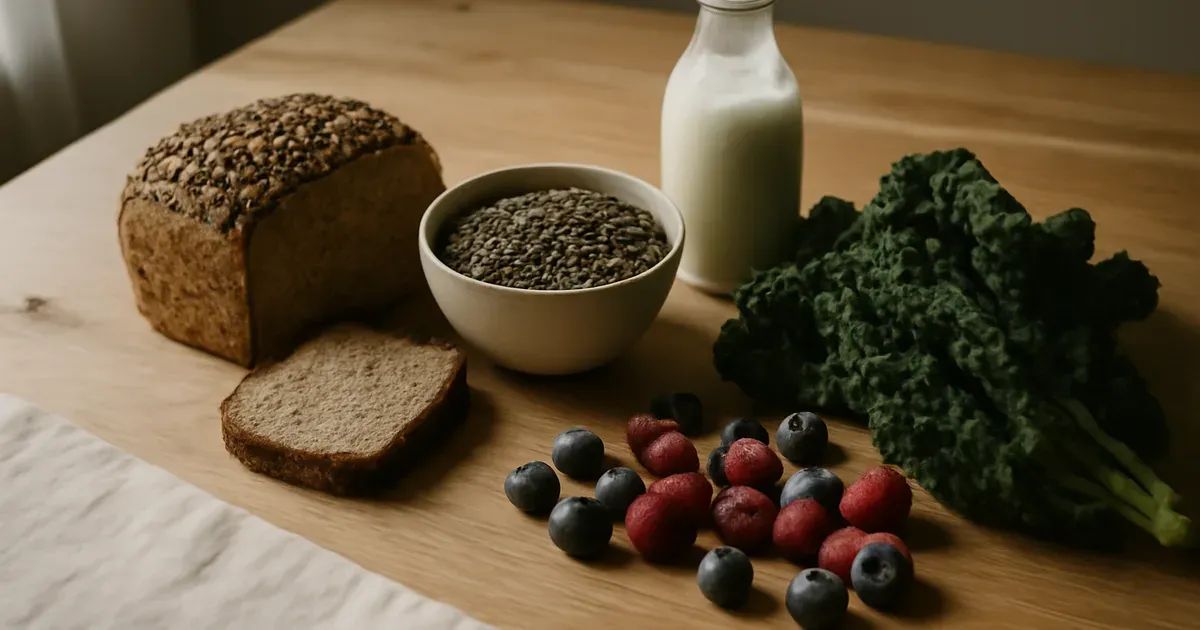
Most people think of their immune system as something that lives in their blood or lymph nodes. But up to 70–80% of your immune cells are actually housed in your gut. That single fact reshapes how we should think about protecting ourselves from infections — from seasonal colds to more serious illness.
For health-conscious adults in the UK, understanding the relationship between your microbiome and your immune defences is no longer a niche interest. It sits at the heart of some of the most exciting microbiome UK research being conducted at institutions like King's College London, the University of Reading, and the University of Oxford. And it has direct, practical implications for what you eat, how you live, and how resilient your body is to infection.
This article explores the science of how your gut microbiome acts as a frontline immune organ — and what you can do to support it.
Why Your Gut Is Your Body's Biggest Immune Organ
The gut is not simply a digestive tube. It is a highly sophisticated immunological environment where trillions of bacteria, fungi, and viruses form a community — your microbiota — that works in concert with your body's own defences.
According to a comprehensive review published in PMC, there are three primary barriers pathogens must overcome to cause a gastrointestinal infection: the intestinal microbiota itself, the epithelial cell layer lining the gut, and the mucosal immune system. Each layer depends on the others. When one is compromised, the entire system becomes more vulnerable.
Colonisation resistance is one of the gut microbiota's most important protective mechanisms. Your resident bacteria compete directly with harmful invaders for nutritional resources and physical space in the gut. This competition is continuous and dynamic — and it is disrupted whenever your microbiome is disturbed, for example by a course of antibiotics or a period of poor diet.
The gut-brain connection adds another layer of complexity here. Chronic stress — mediated via the gut-brain axis — can alter the composition of your microbiota, reducing colonisation resistance and lowering your infection threshold. Research from UCL and King's College London has explored how psychological stressors translate into measurable shifts in gut bacterial populations, creating a feedback loop between mental state and immune vulnerability.
The Gut Epithelial Barrier: Your Inner Skin
Think of the gut lining as an inner skin — a single-cell-thick barrier that separates the microbial world inside your intestines from the rest of your body. This monolayer is held together by tight-junction protein complexes, and it is reinforced by a layer of mucus that acts as the gut's first line of physical defence.
This mucus layer does more than just block pathogens from reaching the epithelial cells. It also acts as a reservoir for antimicrobial molecules, including secretory IgA antibodies and defensins — proteins that actively neutralise threats before they can penetrate deeper tissues.
The mucus layer is not static. Its production and composition are regulated through a continuous dialogue between your immune system and the bacteria living in your gut. Certain bacteria produce short-chain fatty acids (SCFAs) — particularly butyrate — that help maintain mucus integrity. A fibre-rich diet, consistent with the UK Eatwell Guide's recommendation of 30g of fibre per day, is one of the most evidence-backed ways to support SCFA production and, by extension, mucosal defence.
When the mucus barrier degrades — due to a low-fibre diet, dysbiosis, or chronic inflammation — pathogens gain direct access to epithelial cells. Some bacteria even release toxins that actively disrupt tight-junction complexes, creating "leaky gut" conditions that allow microbial products to enter systemic circulation and trigger broader inflammation.
How the Microbiome UK Research Agenda Is Changing Clinical Practice
The British Gut Project, run out of King's College London, has generated one of the largest population-level datasets on the UK microbiome. Its findings confirm what laboratory science has long suggested: dietary diversity is the single most consistent predictor of microbiome diversity, and microbiome diversity correlates strongly with immune resilience.
In the UK, the NHS increasingly recognises that nutritional status directly influences immune competence — particularly in vulnerable groups including infants, the elderly, and immunocompromised patients. Upper respiratory tract infections remain the most common reason adults seek NHS primary care, and both influenza and pneumonia are significant causes of death among older adults in England and Wales each year.
The University of Reading's Food and Nutritional Sciences department has published extensively on how specific dietary components — including prebiotics, probiotics, and polyphenols — influence microbial composition and downstream immune markers. Meanwhile, the MRC and Wellcome Trust continue to fund large-scale studies into how early-life microbiome development shapes lifelong immunity, a topic of particular urgency given the UK's ageing population.
Quorum sensing — the mechanism by which gut bacteria "count" their own population and adjust behaviour accordingly — is an area of growing clinical interest. Commensal bacteria use quorum sensing to maintain gut homeostasis. But pathogens exploit the same mechanism to evade immune detection and increase their virulence. Understanding and potentially disrupting pathogen quorum sensing represents a promising avenue for future therapeutics.
Improve Gut Health Naturally: What the Science Actually Supports
Improving your gut health naturally does not require expensive supplements or complicated protocols. The evidence points consistently to several accessible, diet-based interventions that are well within reach for most adults in the UK.
1. Eat more diverse plant foods. The British Dietetic Association (BDA) and the British Nutrition Foundation both highlight plant diversity as foundational to microbiome health. Aim for 30 or more different plant foods per week — vegetables, fruits, wholegrains, legumes, nuts, seeds, and herbs all count. Each plant type feeds different bacterial species, supporting a more resilient and diverse community.
2. Prioritise dietary fibre. Fibre is the primary fuel for beneficial gut bacteria, particularly those that produce butyrate. The UK Eatwell Guide recommends 30g daily, yet average UK fibre intake remains around 18–19g per day — a significant shortfall. Closing this gap is one of the most impactful steps you can take to support colonisation resistance and mucosal immunity.
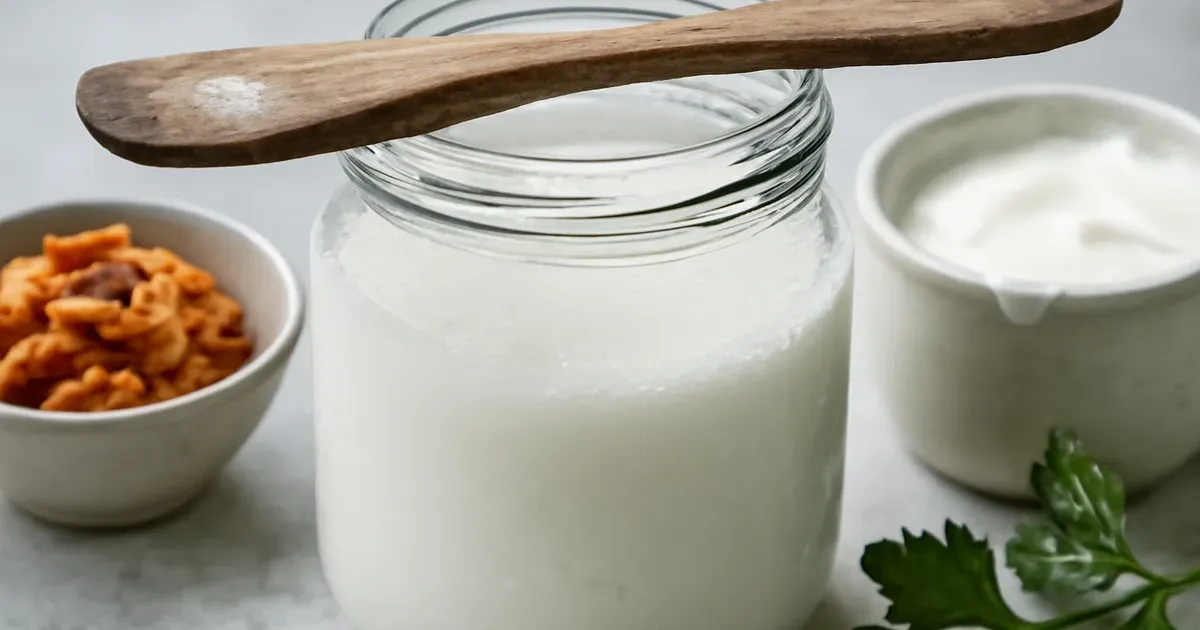
3. Include fermented foods. Yoghurt, kefir, kimchi, sauerkraut, and live-culture cheeses introduce beneficial bacteria and have been shown in randomised controlled trials to increase microbiome diversity and reduce markers of systemic inflammation. Kefir, in particular, has been studied at the University of Reading for its effects on gut microbiota composition in UK adults.
4. Manage stress through the gut-brain axis. The gut-brain connection is bidirectional. Practices that reduce psychological stress — regular physical activity, adequate sleep, mindfulness — have measurable positive effects on gut microbial composition. The NHS recommends at least 150 minutes of moderate physical activity per week, a target that supports both mental wellbeing and gut health simultaneously.
5. Use antibiotics only when necessary. Every course of antibiotics disrupts the microbial community, temporarily reducing colonisation resistance and creating space for opportunistic pathogens. This is not an argument against antibiotics when they are genuinely needed — but it underlines the importance of using them judiciously, following NHS guidance, and supporting microbiome recovery with fibre-rich foods and fermented products afterwards.

The Gut-Brain Connection and Immune Resilience
The gut-brain axis describes the bidirectional communication network linking the enteric nervous system of the gut with the central nervous system. It operates through neural, hormonal, and immunological pathways — and the microbiome sits at its centre, influencing the signals that travel in both directions.
Chronic low-grade inflammation, driven partly by gut dysbiosis, is now understood to be a shared mechanism underlying several major health burdens in the UK — including type 2 diabetes, cardiovascular disease, and mental health conditions. The gut microbiome modulates systemic inflammatory tone, meaning that what happens in your intestines does not stay in your intestines.
For infection specifically, the gut-brain connection matters because stress hormones like cortisol alter gut permeability and microbial composition. Periods of high psychological stress — exams, bereavement, work pressures — are consistently associated with increased susceptibility to upper respiratory infections. This is not coincidence; it is immunology. Supporting your gut is, in a meaningful sense, supporting your whole-body defence system.
The Bottom Line: Your Gut Is Your Immune Headquarters
Gut health in the UK is moving from the margins of wellness culture to the centre of mainstream clinical science. The evidence is clear: a diverse, well-nourished microbiome is not a luxury — it is a fundamental component of immune resilience, infection resistance, and long-term health.
The practical implications are straightforward. Eat more plants, eat more fibre, include fermented foods, manage stress, and use antibiotics thoughtfully. These are not radical interventions — they are evidence-based habits that align with NHS guidance and UK dietary recommendations, and they work at the most fundamental level of your biology.
The microbiome UK research landscape is advancing rapidly, and what we know today about the gut-brain connection and systemic immunity is only the beginning. Staying informed — and acting on the evidence — is the most powerful thing you can do to improve gut health naturally and protect yourself from infection across every stage of life.
You might also like
- 7 Worst Foods Destroying Your Gut Health
- How to Train for Your Body Type and Gut Health
- Gut Health Sodas Ranked: Dietitian's Verdict on Fizzy Drinks
Frequently Asked Questions
How does the gut microbiome protect against infection in the UK population?
The gut microbiome protects against infection through a mechanism called colonisation resistance, where resident bacteria compete with pathogens for nutrients and physical space. It also helps maintain the mucus barrier and regulates immune signalling. Poor diet, antibiotics, and chronic stress — all common in the UK — can weaken this protection.
What does the NHS say about gut health and immunity?
The NHS recognises that nutritional status directly affects immune function, particularly in vulnerable groups such as the elderly and those with chronic illness. While the NHS does not yet have specific gut microbiome guidelines, its dietary recommendations — including the 30g daily fibre target — align closely with microbiome science.
What is the gut-brain connection and why does it matter for infections?
The gut-brain connection refers to the bidirectional communication between the gut's enteric nervous system and the brain, mediated partly through the microbiome. Psychological stress alters microbial composition and gut permeability, increasing susceptibility to infections including upper respiratory illness. Managing stress is therefore a legitimate strategy for supporting immune health.
Which foods best support gut health naturally in a British diet?
A fibre-rich, plant-diverse diet is the most evidence-backed approach. This includes wholegrains, legumes, fruits, vegetables, nuts, and seeds. Fermented foods such as live yoghurt and kefir are also well-supported by research conducted at UK institutions including the University of Reading. The British Dietetic Association recommends aiming for 30 different plant foods per week.
Can antibiotics harm gut health and increase infection risk?
Yes — antibiotics disrupt the gut microbiota, reducing colonisation resistance and temporarily allowing opportunistic pathogens to thrive. This is a recognised clinical issue in the UK, particularly in hospital settings. The NHS advises using antibiotics only when prescribed, and supporting recovery with a fibre-rich diet and fermented foods afterwards.
96 Bacterial Strains. Two Shots a Day.
GOODIE is an award-winning fermented drink with 96 live bacterial strains — more than any yogurt or kombucha — never pasteurised, clinically tested, and 8 in 10 users felt less bloating within 14 days. Curious?