Gut Health & Your Heart: Your Biggest Questions Answered
Discover how gut health affects your heart, brain, and wellbeing — with science-backed answers tailored for UK readers.

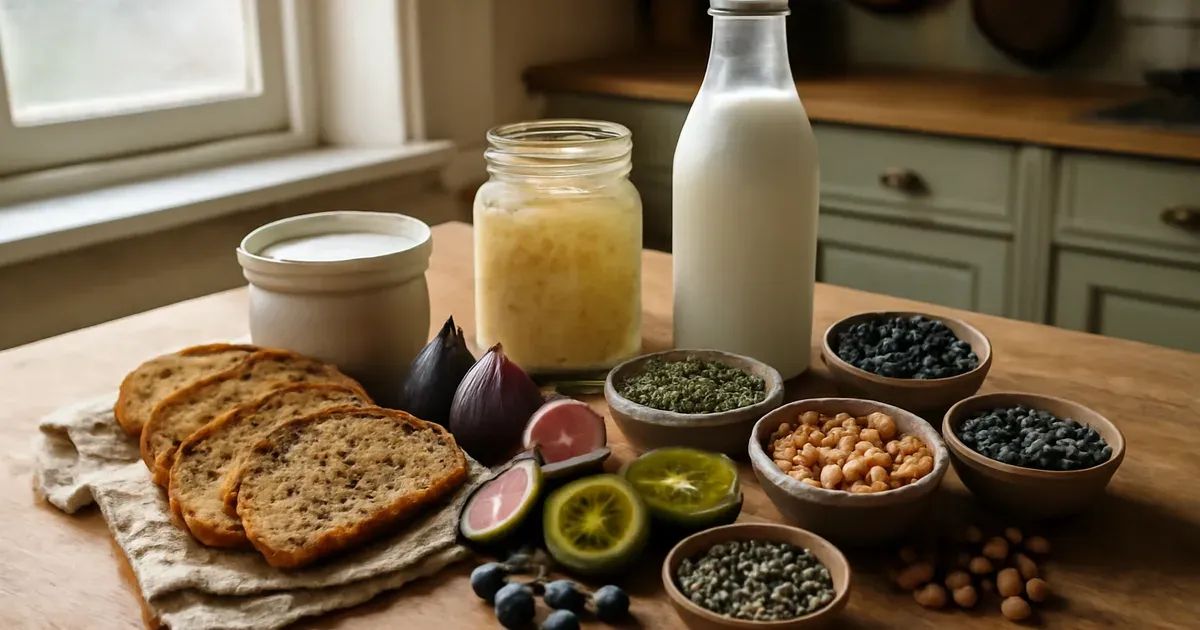
If you've heard that your gut affects far more than digestion, you're not wrong — but the science can feel overwhelming. From trillions of microbes to mysterious chemicals like TMAO, it's easy to lose the thread. This guide cuts through the confusion, answering the questions most people in the UK are already Googling. Whether you're curious about the gut-brain connection, want to improve gut health naturally, or simply want to know what to eat for a healthier heart, you'll find clear, evidence-backed answers here.
Jump to a Question
What is the gut microbiota and why does it matter?
How does poor gut health harm your heart?
What is TMAO and should I be worried about it?
What is the gut-brain connection?
Which foods improve gut health naturally?
How does the Mediterranean diet support gut and heart health?
What are fermented foods and do they really help?
How do I get 30 plant foods a week on a British diet?
What does the NHS say about gut health?
What is the bottom line for gut and heart health?
What is the gut microbiota and why does it matter?
The gut microbiota is the vast community of microbes — bacteria, viruses, and fungi — that live throughout your digestive tract, from your mouth to your colon. These trillions of tiny organisms are not passengers; they are active partners in your health.
Your microbiota helps maintain the lining of your gut, regulates your immune system, and breaks down the food you eat. In doing so, it produces an array of essential chemicals: small proteins, fatty acids, hormones, and vitamins that support blood clotting, bone health, nerve function, and brain health.
Research in the UK — including work supported by the British Gut Project and King's College London — has consistently shown that the diversity of your microbiota is a key marker of overall health. A more diverse microbiome is generally associated with better outcomes across multiple systems in the body.
Key point: Your gut microbiota is not just about digestion. It is a control centre for immune function, mental wellbeing, and now — increasingly — cardiovascular health.
How does poor gut health harm your heart?
Poor gut health — specifically, changes to the number, species, and composition of gut microbes — has been directly linked in laboratory studies to a higher risk of developing heart and circulatory diseases. The exact mechanisms are still being unpicked by researchers, but the evidence is building rapidly.
Scientists studying microbiome UK data and global cohorts have found that an imbalanced gut microbiota can trigger low-grade inflammation, disrupt metabolism, and produce chemicals that damage blood vessels. This is a field known as cardiometabolic research, and it is one of the fastest-growing areas of gut science.
The MRC and Wellcome Trust have both funded research into how gut dysbiosis — an imbalance in the microbiota — may contribute to conditions including coronary artery disease, hypertension, and heart failure. While most of the mechanistic evidence still comes from laboratory and animal studies, human research is catching up quickly.

What is TMAO and should I be worried about it?
Trimethylamine N-oxide (TMAO) is a chemical produced when gut microbes break down certain nutrients — particularly choline and carnitine, found in red meat and eggs — and it has emerged as a significant marker of cardiovascular risk. Lab-based research has shown TMAO is linked with worsening outcomes in people with heart failure.
A 2020 review in the Journal of Cellular and Molecular Medicine highlighted how gut microbiota metabolites, including TMAO, are closely tied to the onset and progression of cardiovascular diseases. Scientists also believe that elevated TMAO levels in the blood may promote inflammation of the lining of blood vessels, potentially contributing to high blood pressure and high cholesterol.
A 2023 review in PMC examining gut microbiota-dependent TMAO specifically noted its association with hypertension pathogenesis, reinforcing the idea that what your gut microbes do with your food matters enormously for heart health.
Should you panic? Not yet. These findings are largely from laboratory and early human studies. Eating a varied, plant-rich diet naturally reduces conditions that favour excess TMAO production.
What is the gut-brain connection?
The gut-brain connection refers to the two-way communication network between your digestive system and your brain, operating via the vagus nerve, the immune system, and the microbiota itself. This axis is sometimes called the gut-brain axis, and it is one of the most exciting frontiers in modern medicine.
Your gut produces around 90% of the body's serotonin — a neurotransmitter central to mood regulation. Gut microbes influence the production of this and other brain chemicals, which is why researchers at institutions like UCL and the University of Oxford are investigating links between gut health and conditions such as anxiety, depression, and even neurodegenerative diseases.
For everyday health, the gut-brain connection means that stress can disrupt your gut microbiome, and conversely, a disrupted microbiome can amplify stress responses. Managing both gut health and mental wellbeing are intertwined goals, not separate ones.
Did you know? The gut is sometimes called the "second brain" because it contains over 500 million nerve cells — more than the spinal cord.

Which foods improve gut health naturally?
To improve gut health naturally, the most evidence-backed strategy is eating a wide variety of plant foods, prioritising fibre, and including fermented foods regularly. This is not a restrictive diet — it is about addition, not subtraction.
Fibre is particularly important. Gut microbes ferment fibre to produce short-chain fatty acids, which fuel the cells lining your colon and reduce inflammation. Research published in the British Medical Journal has shown that higher fibre intake is associated with a lower risk of coronary artery disease — a compelling reason to take your intake seriously.
Here are the key food groups to focus on:
- Wholegrains: oats, brown rice, wholemeal bread, barley
- Legumes: chickpeas, lentils, kidney beans, butter beans
- Fruits and vegetables: aim for colour variety, not just quantity
- Nuts and seeds: walnuts, flaxseeds, mixed seed blends
- Fermented foods: live yogurt, kefir, kimchi, sauerkraut
The UK Eatwell Guide already recommends plenty of fibre-rich foods and five portions of fruit and vegetables daily — solid foundations that also happen to be excellent for your microbiome.
How does the Mediterranean diet support gut and heart health?
The Mediterranean diet supports both gut and heart health largely because it is rich in polyphenols — plant compounds with antioxidant properties that gut microbes convert into bioavailable, health-promoting substances. Foods like extra virgin olive oil, nuts, seeds, beans, and legumes are all polyphenol powerhouses.
Here is why polyphenols matter so much for gut health UK research:
| Food Source | Key Polyphenols | Gut/Heart Benefit |
|---|---|---|
| Extra virgin olive oil | Oleuropein, hydroxytyrosol | Reduces vascular inflammation |
| Berries | Anthocyanins | Feeds beneficial gut bacteria |
| Dark chocolate (70%+) | Flavanols | Supports blood vessel function |
| Green tea | Catechins | Antioxidant, anti-inflammatory |
| Nuts (walnuts, almonds) | Ellagitannins, resveratrol | Supports microbiome diversity |
Human cells cannot digest roughly 90% of polyphenols directly. Instead, gut microbes ferment them, making them available for absorption. This means the health benefits of a polyphenol-rich diet are, in large part, mediated by your microbiome — another reason microbiome diversity is so important.

What are fermented foods and do they really help gut health?
Fermented foods are foods that have been transformed by the action of live bacteria or yeasts, and they are one of the most direct ways to introduce beneficial microbes into your gut. Popular options include live yogurt, kefir, kimchi, sauerkraut, miso, and kombucha.
These foods contain live cultures that are thought to help restore and maintain a healthy balance of microbes in the gut. Many fermented foods also contain prebiotics — compounds that feed your existing gut bacteria, acting as a kind of fertiliser for your microbiome.
Are they all equal? Not quite. Look for products labelled "live cultures" or "contains active cultures" — heat-treated versions may not retain the same benefits. In the UK, live yogurt and kefir are among the most accessible and affordable fermented options.
For those new to fermented foods, start small. A tablespoon of sauerkraut or a small pot of live yogurt daily is a manageable starting point that many people tolerate well.
How do I get 30 plant foods a week on a British diet?
Eating 30 different plant foods per week is a target recommended by gut health specialists and supported by research from the British Gut Project — and it is far more achievable than it sounds on a typical British diet. Plant foods include fruits, vegetables, wholegrains, nuts, seeds, herbs, spices, and legumes.
Here are some practical, UK-friendly ways to hit the target:
- Breakfast: Porridge with mixed seeds, banana, and a handful of blueberries (4 plant foods in one bowl)
- Lunch: A wholemeal wrap with hummus, mixed leaves, cucumber, and tomato (5 plant foods)
- Dinner: A simple dal with brown rice, using lentils, tinned tomatoes, spinach, and spices like cumin and turmeric (6+ plant foods)
- Snacks: A mixed nut and dried fruit bag; apple slices with almond butter
- Swaps: Buy mixed-colour peppers instead of one colour; choose a seeded loaf over white bread
The key insight is that variety, not volume, is the goal. You are not eating 30 portions — you are eating 30 different types. Herbs and spices count too.

What does the NHS say about gut health?
NHS gut health guidance focuses on a fibre-rich, varied diet, regular physical activity, adequate hydration, and limiting ultra-processed foods — recommendations that align closely with the emerging science on the microbiome. The NHS 5-a-day campaign is one of the most visible expressions of this guidance.
The British Dietetic Association (BDA) also provides practical resources on improving gut health through diet, and the British Nutrition Foundation has published accessible summaries of microbiome research for public audiences. In the UK, awareness of the microbiome has grown significantly, partly thanks to NHS coverage and popular science programmes.
For people in the UK experiencing ongoing gut symptoms — such as bloating, irregular bowel habits, or unexplained discomfort — the NHS recommends speaking to a GP before making significant dietary changes, particularly if symptoms are new or worsening. Conditions like irritable bowel syndrome (IBS) and inflammatory bowel disease (IBD) require proper clinical assessment.
Bottom Line: What You Need to Know
The science of gut health in the UK is advancing fast, and the headlines are encouraging: what is good for your gut is also good for your heart, your brain, and your overall wellbeing.
- ✅ Eat more fibre — wholegrains, legumes, fruits, and vegetables feed your gut microbes and protect your heart
- ✅ Aim for 30 plant foods per week — diversity drives microbiome diversity
- ✅ Include fermented foods — live yogurt, kefir, and sauerkraut introduce beneficial bacteria
- ✅ Polyphenols matter — extra virgin olive oil, berries, nuts, and green tea support the gut-heart axis
- ✅ The gut-brain connection is real — managing stress and gut health go hand in hand
- ✅ TMAO is worth knowing about — but a plant-forward diet naturally limits the conditions that raise it
A Final Word
Improving your gut health does not require an overhaul of your entire lifestyle overnight. Small, consistent changes — adding seeds to breakfast, swapping to a seeded loaf, introducing a pot of live yogurt — compound into meaningful shifts in your microbiome over weeks and months. The science is clear that in the UK, as elsewhere, the people with the healthiest guts tend to eat the widest variety of plants. Start where you are, add what you can, and let your microbiome do the rest.
You might also like
- Gut Health UK: Your Biggest Questions Answered
- Children's Gut Health and Immunity: What Parents Should Know
- Your Gut Microbiome & Psychedelic Therapy
Frequently Asked Questions
Is gut health linked to heart disease in the UK?
Yes — research strongly suggests that an imbalanced gut microbiota is associated with a higher risk of heart and circulatory disease. Changes in the number and species of gut microbes can influence inflammation, cholesterol metabolism, and blood pressure. UK-funded studies are actively investigating these links, and the evidence base is growing steadily.
Can improving my gut health improve my mood?
Yes, through the gut-brain connection — a two-way communication system between the gut and the brain — improving gut health can positively influence mood and mental wellbeing. The gut produces around 90% of the body's serotonin, and gut microbes influence its production. A diverse, fibre-rich diet supports both the microbiome and, indirectly, mental health.
How long does it take to improve gut health naturally?
Research suggests that meaningful changes to the gut microbiome can occur within two to four weeks of dietary changes, though longer-term consistency is needed for lasting benefits. Studies at institutions like King's College London have shown that increasing dietary fibre and plant variety can shift microbiome composition relatively quickly. Consistency over months matters more than perfection in any single week.
Are probiotic supplements worth taking for gut health in the UK?
Probiotic supplements may offer benefits for specific conditions — such as antibiotic-associated diarrhoea or IBS — but the evidence for general gut health improvement is less conclusive than that for food-based approaches. The British Dietetic Association recommends prioritising fermented foods and dietary fibre before reaching for supplements. If you are considering a probiotic, speak to a registered dietitian or your GP.
What foods should I avoid for better gut health?
Ultra-processed foods, high-sugar diets, and excessive alcohol are consistently associated with reduced microbiome diversity and poorer gut health outcomes. These foods tend to feed less beneficial microbes and reduce the abundance of protective bacteria. The NHS and the UK Eatwell Guide both recommend limiting these categories as part of a balanced approach to long-term health.
96 Bacterial Strains. Two Shots a Day.
GOODIE is an award-winning fermented drink with 96 live bacterial strains — more than any yogurt or kombucha — never pasteurised, clinically tested, and 8 in 10 users felt less bloating within 14 days. Curious?