Gut Health UK: The Oral-Gut Microbiome Link
Discover how your oral microbiome shapes gut health in the UK — and what the science says about improving your microbiome naturally.

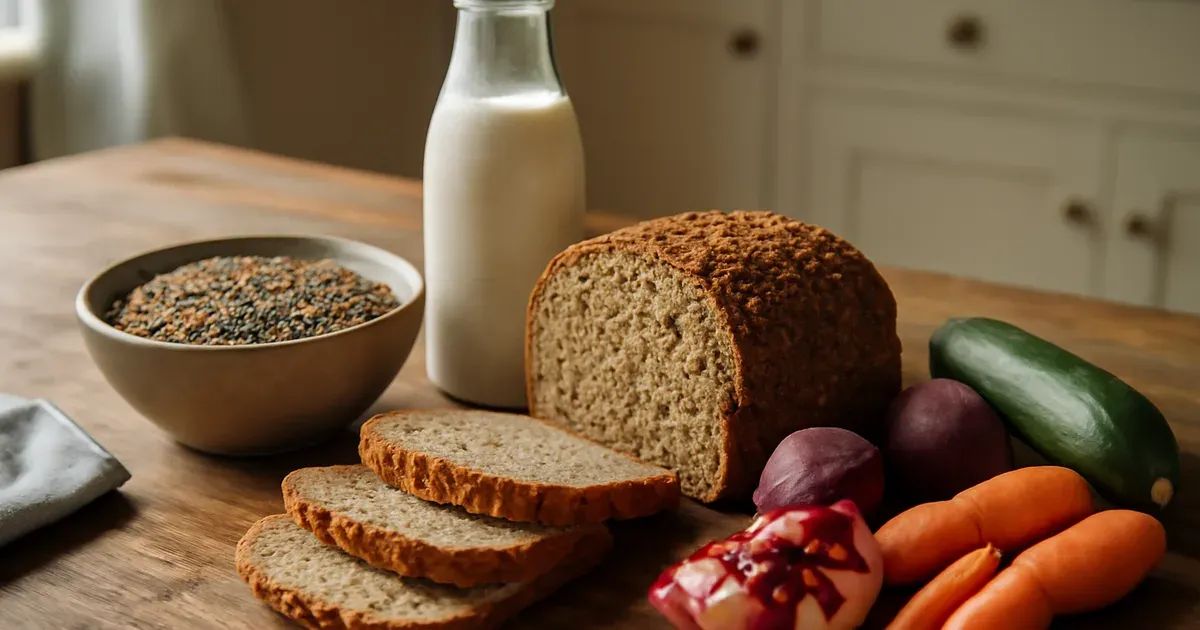
Most people think of gut health as a stomach issue. But emerging science is revealing something far more surprising: the state of your mouth may be quietly shaping the trillions of microbes living in your intestines — and through them, your immune system, your metabolism, and even your mood.
For anyone in the UK trying to improve gut health naturally, this is a connection worth understanding. From the British Gut Project to researchers at King's College London and the University of Oxford, microbiome science in Britain is uncovering how the body's microbial communities — separated by metres of digestive tract — are talking to each other in ways that matter deeply for long-term health.
Why the Microbiome Is More Than Just Your Gut
The human body hosts trillions of microorganisms, spanning the skin, lungs, urogenital tract, mouth, and intestines. Of all these microbial habitats, two stand out for their sheer density and diversity: the oral cavity and the large intestine.
The gut microbiome — the vast community of bacteria, fungi, viruses, and archaea living in your digestive tract — has been linked to an extraordinary range of conditions. Research has connected gut microbial imbalances (known as dysbiosis) to obesity, type 1 diabetes, rheumatoid arthritis, and inflammatory bowel disease. UK Biobank data continues to add to this picture, with population-scale studies mapping how lifestyle, diet, and geography shape microbial communities across the British population.
The oral microbiome, however, has received comparatively less public attention. Your mouth harbours over 700 species of bacteria alone, organised into distinct communities across teeth, gums, tongue, and cheeks. Far from being a passive gateway to the digestive system, the oral microbiome is an active ecosystem — and one with a direct route to the gut.
The Oral-Gut Axis: A Two-Way Conversation
Every time you swallow, you are transferring oral microbes into your gastrointestinal tract. Under healthy conditions, the acidic environment of the stomach and the competitive microbial landscape of the colon largely prevent oral bacteria from establishing themselves further down. But when gut dysbiosis occurs — when the intestinal community is disrupted or weakened — oral microorganisms can colonise the large intestine in ways that may fuel inflammation and disease.
A key review published in Nature Reviews Microbiology describes this relationship as the "oral-gut microbiome axis" — a bidirectional connection in which conditions in each site can influence the other. This is not a niche finding. Studies using metagenomics (sequencing all the DNA in a microbial community) have confirmed that oral bacterial strains can be detected in the gut even of healthy individuals, and that their presence becomes more pronounced when the intestinal barrier is compromised.
In practical terms, this means poor oral health is not just a dental problem. Periodontal disease — severe gum disease affecting roughly 45% of UK adults to some degree — has been associated with systemic inflammatory conditions including cardiovascular disease, type 2 diabetes, and rheumatoid arthritis. The mechanism, researchers believe, involves both the direct translocation of oral pathogens into the bloodstream and the gut, and the systemic inflammatory signals they trigger.

What UK Microbiome Research Tells Us
The UK is at the forefront of microbiome research, with institutions including King's College London, Imperial College London, the University of Reading, and the University of Nottingham making significant contributions to understanding how microbial communities shape human health.
The British Gut Project — now part of the broader ZOE research platform — has generated one of the largest datasets of gut microbiome information in the world, with tens of thousands of participants across the UK contributing stool samples and dietary data. Findings from this research have reinforced what dietary guidelines have long suggested: diversity of plant foods is among the strongest predictors of a diverse, healthy gut microbiome.
The UK Eatwell Guide recommends at least five portions of fruit and vegetables per day, alongside wholegrains, legumes, and fermented foods — all of which provide the dietary fibre and fermentable substrates that beneficial gut bacteria thrive on. Yet surveys consistently show that fewer than a third of UK adults meet these targets. This fibre gap has real consequences for the microbiome, reducing the abundance of short-chain fatty acid (SCFA)-producing bacteria that help maintain the intestinal barrier and regulate immune responses.
Research supported by the Wellcome Trust and the MRC (Medical Research Council) has also highlighted the gut-brain connection as a priority area. The gut produces roughly 90% of the body's serotonin and communicates with the brain via the vagus nerve — a highway of signals that links gut microbial activity to mood, cognition, and stress responses. Dysbiosis in the gut has been associated with depression and anxiety in multiple large-scale studies, including analyses drawing on UK Biobank data.
How Oral Health Fits Into the Gut-Brain Picture
The gut-brain connection becomes even more complex when you factor in the oral microbiome. If oral dysbiosis can destabilise the gut microbiome, and gut dysbiosis can impair the gut-brain axis, then the health of your gums and teeth may have downstream effects on mental wellbeing — albeit through a multi-step pathway that researchers are still mapping.
This is not to overstate a causal chain that science has not yet fully confirmed. But the plausibility of the connection is strong enough that NHS guidance on holistic health is beginning to reflect the importance of oral hygiene as part of overall systemic health management, not merely dental care.
Conditions such as inflammatory bowel disease (IBD) offer a compelling case study. People living with Crohn's disease or ulcerative colitis — conditions affecting around 500,000 people in the UK according to Crohn's & Colitis UK — show characteristic disruptions to both the gut and oral microbiomes. Studies have identified specific oral bacteria, including certain Fusobacterium and Prevotella species, appearing at elevated levels in the intestines of IBD patients, suggesting ectopic colonisation from the mouth.

How to Improve Gut Health Naturally: Where Oral Care Fits In
Improving gut health naturally in the UK does not require expensive supplements or elimination diets. The evidence points to a cluster of consistent, practicable behaviours — and maintaining oral health is now a legitimate part of that picture.
Eat for fibre diversity. Aim for 30 or more different plant foods per week — a target supported by British Gut Project data as strongly predictive of microbiome diversity. Include vegetables, fruits, wholegrains, legumes, nuts, seeds, and herbs. The NHS recommends 30g of fibre per day for adults; the average UK adult consumes only around 18g.
Prioritise fermented foods. Live yoghurt, kefir, sauerkraut, kimchi, and kombucha introduce beneficial bacteria into the gut and have been shown in randomised controlled trials — including work from Stanford published in Cell — to increase microbiome diversity and reduce inflammatory markers.
Take oral hygiene seriously as a gut health strategy. Brushing twice daily with fluoride toothpaste, flossing or using interdental brushes, and attending regular dental check-ups (NHS dental care remains available, though access has become more challenging across parts of the UK) reduces the load of pathogenic oral bacteria available for translocation to the gut.
Manage stress to protect the gut-brain connection. Chronic psychological stress disrupts the intestinal barrier, alters the composition of the gut microbiome, and increases intestinal permeability — a state sometimes called "leaky gut." Practices supported by NHS mental health guidance, including mindfulness, regular physical activity, and adequate sleep, all have measurable effects on gut microbial composition.
Limit unnecessary antibiotic use. The NHS has long championed antibiotic stewardship, and for good reason: a single course of antibiotics can significantly reduce microbiome diversity, with some studies showing incomplete recovery for up to a year. When antibiotics are necessary, taking a course of evidence-based probiotics alongside (and for several weeks after) may help support recovery — though the British Dietetic Association recommends discussing specific strains with a healthcare professional.

The Bigger Picture: A Systems View of Health
What the oral-gut microbiome axis ultimately asks us to do is think about health in a more connected way. The body is not a collection of isolated organ systems. The mouth, the gut, the immune system, the brain — they are in constant communication, mediated in large part by the microbial communities that inhabit them.
For those living in the UK, where NHS pressures and changing dietary habits have contributed to rising rates of gut disorders, metabolic disease, and mental health challenges, the microbiome represents both a vulnerability and an opportunity. It is modifiable. It responds to diet, lifestyle, oral hygiene, stress, sleep, and physical activity. And it is increasingly measurable — with UK-based microbiome testing services now available to consumers who want to understand their own microbial landscape.
The science of microbiome UK research is still young, and caution is warranted against oversimplified claims. But the direction of evidence is clear: caring for the microbial communities throughout your body — starting with what lives in your mouth and ending with what lives in your colon — is one of the most evidence-backed things you can do for long-term health.
Frequently Asked Questions
Can oral bacteria really affect my gut health?
Yes, and the evidence is growing. Research using metagenomic sequencing has confirmed that oral bacteria can survive transit through the stomach and colonise the large intestine, particularly when the gut microbiome is already disrupted. Maintaining good oral hygiene is increasingly recognised as part of a broader gut health strategy.
What is the gut-brain connection and why does it matter?
The gut-brain connection refers to the bidirectional communication between the gastrointestinal tract and the central nervous system, mediated by the vagus nerve, immune signalling, and microbially produced molecules such as serotonin and short-chain fatty acids. Disruptions to the gut microbiome have been linked to anxiety, depression, and cognitive difficulties in UK and international population studies.
How can I improve my gut health naturally in the UK?
The most evidence-based approaches include eating a high-fibre, diverse plant-rich diet in line with the NHS Eatwell Guide, consuming fermented foods, managing stress, exercising regularly, prioritising sleep, and maintaining good oral hygiene. The British Gut Project recommends aiming for 30 different plant foods per week as a practical starting target.
Is the NHS doing anything about microbiome health?
NHS research programmes, including those funded by the MRC and Wellcome Trust, are actively investigating the microbiome's role in conditions from IBD to mental health. Clinical guidance on gut health continues to evolve, and NHS dietitians — through the British Dietetic Association — increasingly incorporate microbiome science into dietary recommendations for patients with digestive disorders.
Should I take probiotics to support my gut microbiome?
Probiotics can be helpful in specific contexts — such as following antibiotic treatment or managing certain digestive symptoms — but the evidence varies significantly by strain and condition. The British Dietetic Association recommends seeking guidance from a registered dietitian before starting a probiotic supplement, as not all products on the UK market have robust clinical evidence behind them.
You might also like
- How to Improve Your Oral Microbiome for Gut Health
- 7 Fibre-Rich Foods to Improve Gut Health Naturally
- How to Improve Gut Health Naturally in 6 Steps
96 Bacterial Strains. Two Shots a Day.
GOODIE is an award-winning fermented drink with 96 live bacterial strains — more than any yogurt or kombucha — never pasteurised, clinically tested, and 8 in 10 users felt less bloating within 14 days. Curious?