7 Surprising Ways Your Gut Microbiome Shapes Your Mind
Discover 7 science-backed ways your gut microbiome shapes mood, stress, and brain health — with practical tips for UK adults to improve gut health naturally.

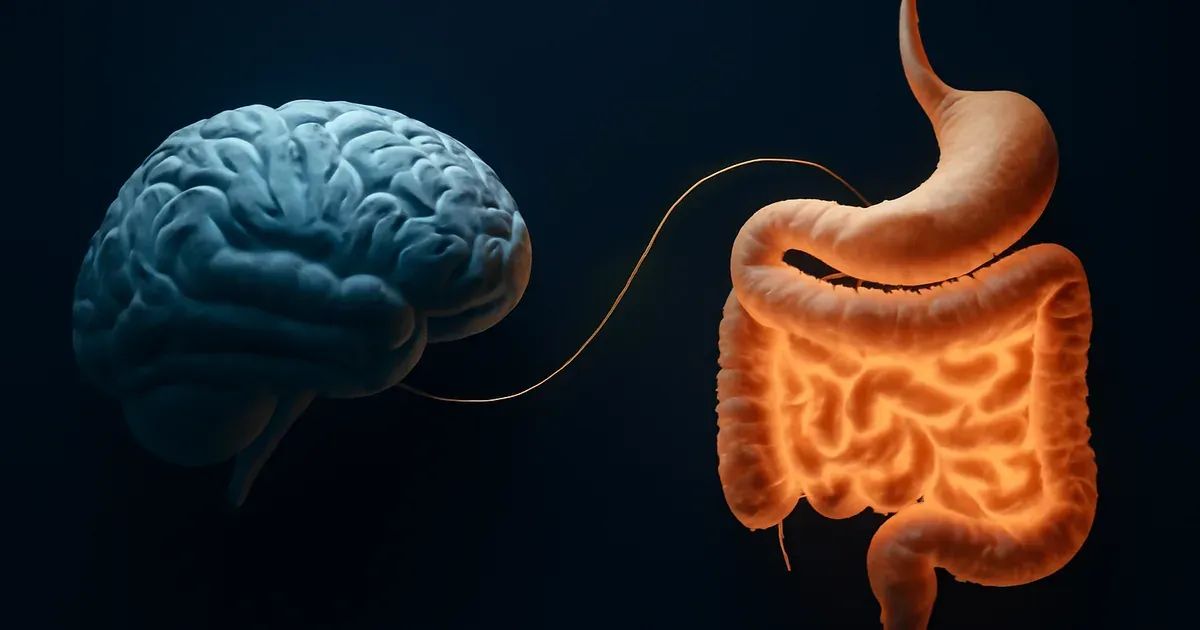
You've probably felt it — that "gut feeling" before a big meeting, or the churning anxiety before something stressful. But what if the relationship between your digestive system and your mental state runs far deeper than folklore? Emerging science confirms that the trillions of microorganisms living in your gut are quietly influencing your mood, behaviour, and even how your brain responds to treatment. If you're trying to improve gut health naturally in the UK, understanding this connection could genuinely change the way you approach your wellbeing.
A 2023 review published in PMC confirmed that the gut microbiome plays a significant role in modulating brain activity, mood, and even the metabolism of psychoactive compounds — placing the gut-brain connection at the frontier of personalised mental health research.
1. Your Gut Is Essentially a Second Brain
The enteric nervous system (ENS) — often called the "second brain" — lines your entire gastrointestinal tract and contains roughly 500 million neurons. That's more than either your spinal cord or peripheral nervous system. The ENS communicates constantly with your central nervous system via the vagus nerve, creating a two-way motorway of signals.
This is why gut health in the UK is increasingly being discussed not just by gastroenterologists, but by psychiatrists and neurologists. When your gut is inflamed or imbalanced, those signals travelling to your brain are disrupted. Action: Pay attention to digestive discomfort during periods of stress — your gut may be sending your brain a warning signal worth heeding.
2. Gut Bacteria Manufacture Most of Your Mood Chemicals
Around 90% of your body's serotonin — the neurotransmitter closely linked to mood stability and wellbeing — is produced in the gut, not the brain. Your gut microbiome directly influences this production, along with other key neurochemicals including dopamine precursors and GABA.
When the balance of gut bacteria is disrupted (a state called dysbiosis), serotonin production can falter. UK microbiome research from institutions including King's College London has highlighted links between low microbial diversity and depressive symptoms. This is why a diet rich in fibre and fermented foods isn't just good for digestion — it's a legitimate strategy to support mental health. Action: Include fibre-rich foods from the UK Eatwell Guide daily to feed the bacteria that drive serotonin synthesis.
3. The HPA Axis Connects Gut Stress to Brain Stress
The hypothalamic-pituitary-adrenal (HPA) axis governs your body's stress response, and your gut microbiome has a direct line into this system. When gut bacteria are in balance, they help regulate cortisol — the primary stress hormone. When they're not, the HPA axis can become overactive, contributing to chronic anxiety and low mood.
This explains why prolonged stress can trigger IBS flares, and why digestive disorders are so commonly found alongside anxiety and depression in NHS clinical settings. The gut-brain connection here is a genuine feedback loop: stress damages the gut, and a damaged gut amplifies stress. Action: Stress-management practices like mindfulness or gentle exercise aren't just good for your head — they actively protect your gut microbiome too.
4. Microbial Diversity Is Your Brain's Best Defence
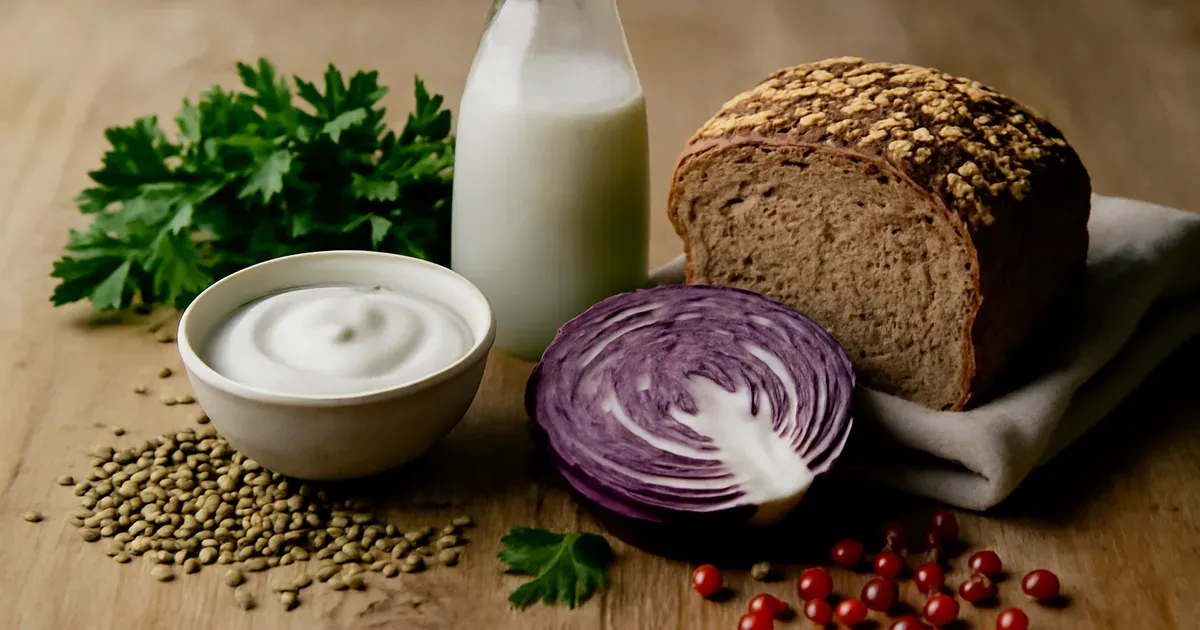
Research consistently shows that greater diversity in the gut microbiome is associated with better mental health outcomes, stronger immunity, and improved cognitive function. The British Gut Project, one of the largest citizen science initiatives in the UK, found that people who eat 30 or more different plant-based foods per week have significantly more diverse microbiomes.
Low microbial diversity has been linked to depression, anxiety, and even cognitive decline. The good news is that dietary changes can shift your microbiome composition within days. The British Dietetic Association (BDA) recommends prioritising variety over volume when it comes to plant foods. Action: Aim to count plant varieties rather than just servings — herbs, spices, nuts, seeds, and wholegrains all count toward your 30.
📊 Key Stat: According to UK Biobank data analysis, individuals with self-reported poor gut health are significantly more likely to report symptoms of anxiety and depression — reinforcing the gut-brain connection as a public health priority, not just a niche scientific curiosity.
5. Your Microbiome Influences How Medications Work
One of the most clinically significant — and least discussed — roles of the gut microbiome is its ability to alter how drugs are metabolised in your body. Specific strains of gut bacteria produce enzymes that can break down, activate, or even neutralise pharmaceutical compounds before they reach the bloodstream.
This has major implications for NHS prescribing. Antidepressants, antipsychotics, and other psychiatric medications may work differently depending on your individual microbiome composition. Researchers at Imperial College London and University of Reading are actively investigating how microbiome profiling could one day inform personalised prescribing decisions. Action: If you find a prescribed medication isn't working as expected, raising gut health with your GP alongside standard medication reviews is increasingly evidence-backed.

6. The Gut Microbiome May Shape Responses to Emerging Therapies
As research into novel mental health treatments accelerates, the gut-brain connection is emerging as a key variable in how individuals respond to these therapies. Scientists are now exploring whether gut microbiome composition influences the metabolism and bioavailability of psychoactive compounds used in clinical mental health research — including substances being studied in regulated therapeutic settings.
For example, certain gut bacteria appear capable of modulating how compounds like DMT (found in the ceremonially used brew ayahuasca) are processed in the body, potentially affecting both their intensity and duration of action. While this research is at an early stage, it underscores a broader principle: your microbiome is not a passive bystander in your mental health journey. Action: Supporting a healthy, diverse microbiome now may have far-reaching implications for how you respond to a range of mental health interventions — conventional or emerging.
7. You Can Actively Improve Your Gut-Brain Axis Through Daily Habits
The most empowering insight from microbiome UK research is this: the gut-brain axis is modifiable. Unlike your genetics, your microbiome responds dynamically to lifestyle choices — often within weeks of making a change. Diet, sleep, exercise, stress management, and even social connection all measurably influence gut microbial communities.
The NHS recommends at least 30g of dietary fibre per day for adults, yet UK surveys show average intake sits closer to 18g. Closing that gap is one of the single most impactful steps you can take to improve gut health naturally and, by extension, support your mental wellbeing. Probiotic and prebiotic supplements may also complement dietary changes, though the BDA advises prioritising whole food sources first. Action: Start with one concrete swap this week — wholegrain bread instead of white, or a daily portion of live yoghurt — and build from there.

The Bottom Line
The gut-brain connection is no longer fringe science — it is one of the most active and consequential areas of health research in the UK and globally. From serotonin synthesis to stress regulation, medication metabolism to emerging therapies, your gut microbiome is a central player in your mental health story. Small, consistent dietary and lifestyle shifts can meaningfully move the dial. Start with diversity, prioritise fibre, and treat your gut as the second brain it genuinely is.
You might also like
- How to Improve Gut Health With Meditation Naturally
- Gut Health Breath Tests Explained: Your Questions Answered
- Your Oral Microbiome & Gut Health: What to Know
Frequently Asked Questions
What is the gut-brain connection and why does it matter for UK adults?
The gut-brain connection refers to the bidirectional communication system linking your gastrointestinal tract and your central nervous system. It operates via the vagus nerve, the immune system, and hormone pathways. For UK adults, it matters because disruptions to this system are increasingly linked to anxiety, depression, IBS, and cognitive difficulties — conditions that collectively represent a significant burden on NHS services.
How can I improve my gut health naturally in the UK?
The most evidence-backed approach is dietary diversity. Aim for 30 different plant-based foods per week, as highlighted by the British Gut Project. Reduce ultra-processed foods, increase fibre towards the NHS-recommended 30g per day, include fermented foods like live yoghurt or kefir, and manage stress levels — all of which directly support a healthier gut microbiome.
Does the NHS recognise the gut-brain axis as clinically relevant?
Yes, increasingly so. NHS guidance on conditions like IBS now acknowledges psychological factors and gut-brain interaction as central to management. NHS talking therapies such as cognitive behavioural therapy (CBT) are now routinely recommended for gut conditions, reflecting clinical recognition of the bidirectional relationship between digestive and mental health.
Can gut bacteria really affect my mood?
Yes — and the mechanism is well-established. Gut bacteria produce neurotransmitters and their precursors, including serotonin, dopamine, and GABA. They also regulate the HPA axis, which controls your stress response. A disrupted microbiome can impair these processes, contributing directly to low mood, anxiety, and poor sleep. Improving gut health naturally through diet and lifestyle can support this neurochemical production.
What is UK microbiome research currently focused on?
UK microbiome research is exploring several frontiers simultaneously. These include how gut bacteria influence psychiatric medication efficacy, the role of the microbiome in neurodegenerative conditions, and — at institutions like King's College London, Imperial College London, and the University of Reading — how personalised microbiome profiles could one day inform bespoke treatment plans. The British Gut Project continues to generate large-scale population data that underpins much of this work.
96 Bacterial Strains. Two Shots a Day.
GOODIE is an award-winning fermented drink with 96 live bacterial strains — more than any yogurt or kombucha — never pasteurised, clinically tested, and 8 in 10 users felt less bloating within 14 days. Curious?