How to Build Muscle as an Ectomorph (Without Ruining Your Gut Health)
A step-by-step guide for UK ectomorphs on building muscle by combining smart training with gut health science. Backed by UK research.


If you've ever eaten what feels like an enormous amount of food, trained consistently, and still looked in the mirror wondering why nothing is changing — you're not alone. For ectomorphs in the UK, the struggle to build muscle and maintain a healthy weight is genuinely frustrating. The standard advice of "just eat more and lift heavier" rarely accounts for what's happening beneath the surface: inside your gut.
Many ectomorphs try aggressive calorie-loading, crash through training programmes, and burn out within weeks. What very few people discuss is how your microbiome — the trillions of bacteria living in your digestive tract — directly influences how efficiently you absorb nutrients, how your muscles recover, and even how motivated you feel to train. Research from King's College London and the British Gut Project has begun to reveal just how central gut health is to physical performance and body composition.
This guide bridges the gap. You'll get a practical, step-by-step plan that combines smart ectomorph training with evidence-based strategies to improve gut health naturally — so your body can actually use what you're feeding it.
Why Building Muscle Is Harder When Your Gut Is Overlooked
Ectomorphs have a fast metabolism, smaller bone structure, and a natural tendency to stay lean. But the story doesn't stop at genetics. Several interconnected factors explain why muscle gain remains elusive — and why gut health UK experts are paying close attention to the link.
- Your gut microbiome affects nutrient absorption. Even if you're eating enough protein and calories, a disrupted gut lining can reduce how much your body actually absorbs. Studies from the University of Reading suggest that gut bacteria play a key role in extracting energy and amino acids from food.
- The gut-brain connection influences hunger and motivation. The vagus nerve links your gut directly to your brain. When gut bacteria are out of balance, signalling molecules like serotonin and ghrelin can misfires — suppressing appetite or making it harder to maintain the drive to train consistently.
- Chronic low-grade inflammation slows recovery. Poor gut diversity is associated with systemic inflammation, which interferes with muscle protein synthesis and extends recovery time between sessions.
- High-stress eating disrupts the microbiome. Ectomorphs who rapidly increase calorie intake — often through ultra-processed foods — can damage the beneficial bacteria that regulate inflammation, immunity, and mood.
- NHS dietary guidelines are often designed for the average population, not for hardgainers who need both higher caloric intake and a robust gut environment to make the most of it.
Step 1: Audit Your Gut Before You Overhaul Your Diet
Understanding your gut baseline is the single most important first step before changing what or how much you eat. Many ectomorphs dive straight into high-calorie bulking without first checking whether their digestive system is actually ready to handle the extra load.
Start by keeping a simple food and symptom diary for one to two weeks. Note bloating, energy dips, bowel habits, and mood patterns. These signals often reflect the state of your microbiome. The British Gut Project, run in partnership with King's College London, offers a microbiome testing kit that gives you a detailed snapshot of your gut diversity — something genuinely useful if you're serious about improving body composition in the UK.
Also consider your fibre intake. UK dietary guidelines recommend 30g of fibre per day, yet the average British adult consumes only around 18g. Fibre feeds the beneficial bacteria that produce short-chain fatty acids (SCFAs), which support the gut lining, reduce inflammation, and improve nutrient absorption — all critical for an ectomorph trying to build muscle.
Pro tip: Before increasing calories dramatically, spend two to four weeks eating a diverse range of plant foods — aim for 30 different plants per week, a target championed by the British Gut Project.
Step 2: Build a High-Calorie Diet That Also Nourishes Your Microbiome
Eating more is non-negotiable for ectomorphs — but eating smarter is what separates those who gain muscle from those who gain bloating. The goal is a calorie surplus built on foods that simultaneously fuel workouts and feed beneficial gut bacteria.
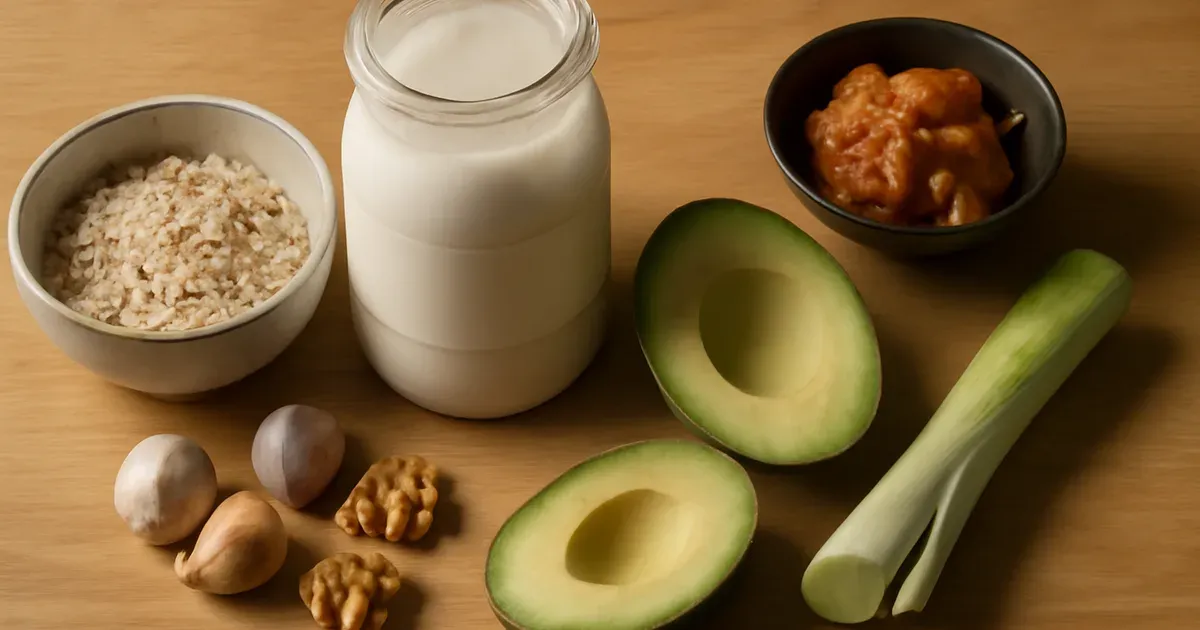
Prioritise complex carbohydrates like oats, sweet potatoes, brown rice, and legumes. These provide sustained energy for training and act as prebiotics — food for your gut bacteria. Pair these with high-quality protein sources: eggs, lean meats, oily fish (rich in omega-3s that reduce gut inflammation), Greek yoghurt, and kefir. Fermented foods like kefir and sauerkraut introduce live beneficial bacteria directly into your gut, supporting microbiome diversity.
Healthy fats from sources like olive oil, avocado, and mixed nuts support hormone production — including testosterone, which drives muscle growth — while also reducing intestinal permeability (the so-called "leaky gut" effect that impairs nutrient uptake). The UK Eatwell Guide provides a solid framework, though ectomorphs will need to scale up portions significantly beyond standard recommendations.
Key foods to include:
- Oats, brown rice, quinoa, sweet potato (complex carbs and prebiotics)
- Kefir, live yoghurt, kimchi (probiotics for microbiome diversity)
- Eggs, chicken, salmon, lentils (protein for muscle repair)
- Olive oil, nuts, avocado (anti-inflammatory healthy fats)
- Garlic, onions, leeks, bananas (inulin-rich prebiotics)
Pro tip: Add a tablespoon of ground flaxseed to porridge or smoothies. It's an easy, low-cost way to boost fibre and omega-3 intake — both prioritised by the British Nutrition Foundation for gut and metabolic health.
Step 3: Follow a Compound-First Training Programme Designed for Ectomorphs
Resistance training is the engine of muscle growth — but for ectomorphs, the programme design matters enormously. Without a structure that delivers enough volume and progressive overload, even the best diet won't translate into visible gains.
Focus the majority of your sessions on compound lifts: squats, deadlifts, bench presses, overhead presses, and barbell rows. These multi-joint movements recruit the greatest number of muscle fibres, stimulating maximum muscle protein synthesis. Aim for three to four sessions per week, training each major muscle group at least twice. Use a rep range of six to twelve reps per set, with three to four sets per exercise — a range supported by hypertrophy research from institutions including the University of Nottingham.
Gradual progressive overload is essential. Each week, aim to either add a small amount of weight or an extra repetition. This ongoing challenge is what forces the body to adapt and grow. Keep cardio sessions short and infrequent — two low-intensity sessions of twenty minutes per week is sufficient for cardiovascular health without eating into your caloric surplus.
Here's where the gut-brain connection becomes directly relevant to training: research has shown that gut bacteria produce neurotransmitters including dopamine and serotonin, both of which influence motivation, focus, and the ability to push through challenging workouts. A healthier gut means a more engaged, driven training mindset.
Sample weekly structure:
- Monday: Lower body compound (squats, deadlifts, lunges)
- Wednesday: Upper body compound (bench press, rows, overhead press)
- Friday: Full body compound + isolation work (pull-ups, bicep curls, lateral raises)
- Saturday: Optional light functional training (kettlebell swings, bodyweight movements)

Step 4: Prioritise Recovery — and Let Your Gut Lead It
Recovery is where muscle is actually built — and the gut plays a central, underappreciated role in this process. When you train hard, your body triggers an inflammatory response that, when properly managed, leads to muscle repair and growth. Your gut microbiome is directly involved in regulating this response.
Sleep is your most powerful recovery tool. During deep sleep, human growth hormone (HGH) is released — critical for muscle repair. UK Biobank data consistently links poor sleep quality with both lower muscle mass and reduced gut microbiome diversity. Aim for seven to nine hours per night, and consider the gut-sleep connection: bacteria in the gut produce melatonin precursors, meaning a healthier gut can actively support better sleep.
On rest days, light movement such as walking or yoga supports circulation and reduces muscle soreness without depleting energy stores. Managing psychological stress is equally important: the gut-brain connection means that chronic stress — driven by the HPA axis — elevates cortisol, suppresses beneficial gut bacteria, and directly impairs muscle protein synthesis. The MRC (Medical Research Council) has funded research exploring exactly these stress-gut-muscle pathways in the UK population.
Pro tip: Consider a magnesium supplement in the evening. Magnesium supports muscle relaxation, improves sleep quality, and plays a role in maintaining the gut lining — a low-cost, widely available option in UK pharmacies and health food shops.
Step 5: Track, Adjust, and Stay Consistent Over Time
Progress for ectomorphs is rarely linear — and understanding that reality prevents the most common reason people quit. Building muscle as a natural hardgainer, while simultaneously improving gut health, is a cumulative process that typically unfolds over months rather than weeks.
Track your progress across three areas: training (weights lifted, reps completed), body composition (monthly photos and measurements rather than daily weight), and gut health markers (energy, bloating, sleep quality, mood). This multi-dimensional tracking reflects the genuine complexity of what you're trying to achieve — and helps you identify which variable needs adjusting when progress stalls.
If muscle gain plateaus after four to six weeks, first review caloric intake. Many ectomorphs underestimate how much they're eating. A registered dietitian — you can be referred through NHS pathways or self-refer via the British Dietetic Association (BDA) directory — can provide personalised calorie and macronutrient targets based on your activity level and metabolic rate.
If gut symptoms persist (bloating, irregular digestion, persistent low energy), a GP referral for further investigation is appropriate. In the UK, this may include tests for conditions like IBS or small intestinal bacterial overgrowth (SIBO), which can significantly impair nutrient absorption and, in turn, muscle building capacity.

Timeline: What to Expect Week by Week
Most ectomorphs want to know: when will I actually see results? Here's a realistic, phase-based timeline that accounts for both muscle development and gut health improvement.
Weeks 1–2 — Foundation phase: Introduce diverse plant foods and fermented foods. Begin compound training at moderate intensity. Expect improved energy and reduced bloating as your gut adapts to higher fibre intake.
Weeks 3–6 — Activation phase: Caloric surplus becomes established. Progressive overload begins to stimulate noticeable muscle fatigue and minor gains in strength. Gut microbiome diversity starts to improve, with better nutrient absorption supporting training recovery.
Weeks 7–12 — Growth phase: Visible muscle gains typically begin here — ectomorphs often notice improvements in the upper body first. Sleep quality, mood, and workout motivation often improve in tandem as the gut-brain connection becomes more balanced through a healthier microbiome.
Beyond 12 weeks — Consolidation: Body recomposition becomes measurable. Strength increases compound. This is the phase where consistent ectomorphs — those who've respected both training and gut health — begin to feel genuinely transformed.
Mistakes That Slow Your Progress
- Bulking on ultra-processed food. Chasing calories through crisps, fast food, and sugary snacks destroys gut diversity and triggers systemic inflammation. Short-term caloric wins create long-term absorption problems.
- Doing too much cardio. Ectomorphs burn calories rapidly. Excessive cardio sessions eat into the surplus needed for muscle growth — keep it limited and purposeful.
- Ignoring rest days. Muscles grow during recovery, not during training. Overtraining leads to elevated cortisol, disrupted sleep, and a suppressed immune response — all of which impair the gut-brain connection and muscle repair.
- Skipping fermented and prebiotic foods. Many ectomorphs focus entirely on protein macros and ignore the microbiome-supporting foods that determine how well that protein is actually absorbed and used.
- Expecting overnight results. The combination of microbiome improvement and muscle hypertrophy is a slow, compounding process. Impatience leads to programme-hopping, which resets progress repeatedly.
What Can Help You Get There Faster
The right tools, professionals, and resources can significantly accelerate your results — especially when working at the intersection of gut health and body composition.
Professional guidance: A registered dietitian (accessible via the BDA in the UK) can map a calorie and microbiome-supportive eating plan tailored to your needs. A personal trainer experienced with hardgainer physiques can design progressive overload programmes that prevent the most common ectomorph training errors.
Testing and tracking tools: The British Gut Project microbiome test provides actionable data on your gut diversity. Combined with a simple strength training log — even a free app or notebook — you can identify precisely what's working and what isn't.
Evidence-based supplementation: Probiotics (look for multi-strain products with Lactobacillus and Bifidobacterium strains), creatine monohydrate (one of the most researched supplements for muscle gain, widely available in UK health shops), and omega-3 fish oil (anti-inflammatory support for both gut lining and muscle recovery) are worth considering. Always discuss supplementation with a GP or registered dietitian before starting.
Your 5-Step Plan at a Glance
✅ Step 1: Audit your gut — keep a symptom diary and consider British Gut Project testing before overhauling your diet
✅ Step 2: Build a calorie-surplus diet around complex carbs, quality protein, healthy fats, and gut-supporting fermented and prebiotic foods
✅ Step 3: Train with compound-first, progressive overload sessions three to four times per week — keeping cardio minimal
✅ Step 4: Prioritise sleep, stress management, and rest days — allowing the gut-brain connection to support recovery naturally
✅ Step 5: Track training, body composition, and gut health markers together — adjust with professional guidance when needed
Ready to Build Muscle the Smarter Way?
Building muscle as an ectomorph in the UK is absolutely achievable — but it requires more than just eating more and lifting heavier. When you align your training plan with a microbiome-supportive diet, you give your body the internal environment it needs to absorb nutrients, recover effectively, and grow. The gut-brain connection means that a healthier gut isn't just good for your digestion — it directly supports your focus, motivation, and physical resilience. Start with one step this week. Your gut — and your gains — will thank you.
You might also like
- 7 Natural Ways to Boost GLP-1 and Gut Health
- Low FODMAP Grocery List for Gut Health UK
- Your Gut Microbiome & Psychedelic Therapy
Frequently Asked Questions
Can gut health really affect muscle building for ectomorphs in the UK?
Yes — and the evidence is growing. Research from King's College London and the University of Reading has demonstrated that gut microbiome composition influences nutrient absorption, inflammation levels, and hormonal signalling — all of which directly affect muscle protein synthesis and recovery. For ectomorphs, who already face challenges absorbing and utilising sufficient nutrients, a healthy gut microbiome is not optional — it's foundational.
How much protein should an ectomorph eat to build muscle?
Most sports nutrition guidelines recommend 1.6–2.2g of protein per kilogram of body weight per day for individuals focused on muscle hypertrophy. The British Dietetic Association supports this range for active adults. For ectomorphs, erring towards the higher end and spreading intake across four to five meals supports both muscle protein synthesis and steady gut microbiome function.
What are the best probiotic foods for gut health UK ectomorphs should eat?
Fermented foods are the most accessible and evidence-supported source of live beneficial bacteria. In the UK, easily available options include live yoghurt, kefir (widely stocked in UK supermarkets), kimchi, sauerkraut, and miso. The British Gut Project recommends eating a variety of fermented foods alongside diverse plant sources for maximum microbiome benefit.
Should ectomorphs take probiotic supplements to improve gut health naturally?
Probiotic supplements can be a useful addition — particularly multi-strain products containing Lactobacillus acidophilus and Bifidobacterium longum — but they work best alongside a diet already rich in prebiotic fibre. The NHS currently does not recommend probiotics as a standard intervention, but the British Nutrition Foundation acknowledges the emerging evidence for their role in gut health and metabolic function. Consult a GP or dietitian before starting.
How long does it take to improve gut health and start building muscle as an ectomorph?
Gut microbiome diversity can begin to improve within two to four weeks of sustained dietary changes, according to research published by UK and European microbiome scientists. Measurable muscle gains typically appear between weeks seven and twelve of a consistent resistance training programme. The two processes are synergistic — improving gut health in the UK context means better nutrient absorption, faster recovery, and stronger, more sustainable muscle growth over time.
96 Bacterial Strains. Two Shots a Day.
GOODIE is an award-winning fermented drink with 96 live bacterial strains — more than any yogurt or kombucha — never pasteurised, clinically tested, and 8 in 10 users felt less bloating within 14 days. Curious?