How to Control Mouth Bacteria Naturally
Learn how to control harmful mouth bacteria naturally with evidence-based steps that also support your gut-brain connection and microbiome health.

You brush every day, yet your dentist still finds plaque. You have tried rinsing, gargling, and cutting back on chocolate — and still something feels off. You might even have noticed that when your mouth feels unhealthy, your digestion, mood, or energy levels seem to follow suit. That is not your imagination.
The mouth is the gateway to your entire digestive system, and the microbes that live there are deeply connected to your gut health. In the UK, where awareness of the gut-brain connection is growing rapidly thanks to research from institutions like King's College London and the British Gut Project, we are only beginning to appreciate just how far oral bacteria's influence reaches. This guide shows you exactly how to bring your oral microbiome into balance — naturally, affordably, and effectively.
Why Mouth Bacteria Get Out of Control in the First Place
Your mouth hosts approximately 700 species of microorganisms, living on your teeth, tongue, and in the pockets between your tooth and gum, according to NIH research on mouth microbes. Most of these species are harmless or actively beneficial — the problem begins when harmful bacteria gain the upper hand.
The primary trigger is sugar. Bacteria like Streptococcus mutans feed on the sugars and starches you consume and produce enamel-eroding acids as a by-product. According to research published on the biology of Streptococcus mutans, this organism thrives in low-pH environments — meaning the more acid it produces, the more comfortable its own living conditions become. It is a self-reinforcing cycle that leads to tooth decay.
A second harmful species — Porphyromonas gingivalis — is not typically present in a healthy mouth, but once it establishes itself, it has been strongly linked to periodontitis, a serious inflammatory disease that destroys the tissue and bone supporting your teeth. What makes this particularly relevant to gut health is that oral pathogens do not stay neatly in the mouth. They can travel through the digestive tract, potentially disrupting the gut microbiome and contributing to systemic inflammation — a concern that researchers in the UK and globally are investigating with increasing urgency.
The root causes of oral bacterial imbalance include:
- A high-sugar, low-fibre British diet that fuels harmful bacterial growth
- Infrequent or incorrect brushing that leaves plaque-forming bacteria undisturbed
- Skipping interdental cleaning, which allows bacteria to colonise unreachable spaces
- Dry mouth (common with many NHS-prescribed medications) that removes saliva's natural antibacterial protection
- Low dietary diversity that starves beneficial oral and gut bacteria simultaneously

Step 1: Master the Fundamentals of Daily Oral Hygiene
The foundation of a healthy oral microbiome is consistent mechanical cleaning. No supplement or superfood can compensate for skipping this step. The NHS recommends brushing twice daily with a fluoride toothpaste — and the evidence strongly supports this guidance as the single most impactful habit you can build.
Brush for a full two minutes, angling your toothbrush at 45 degrees towards the gumline to dislodge the bacterial communities forming in the pockets between tooth and gum. Use gentle, circular motions rather than harsh back-and-forth scrubbing, which can damage enamel and irritate gums without actually removing more bacteria.
Cleaning between your teeth once a day is equally non-negotiable. Floss, interdental brushes, or water flossers all work — the key is consistency. Approximately 40% of each tooth's surface sits between the teeth, entirely out of reach of a toothbrush. Leaving this area untended is like washing only part of a dinner plate and calling it clean.
Pro tip: Switch to an electric toothbrush if you have not already. Studies show they remove significantly more plaque than manual brushing, and they are widely available at various price points across UK pharmacies and supermarkets.
Step 2: Rethink Your Diet Through a Microbiome Lens
What you eat feeds not just you, but every microorganism living in your mouth and gut. The gut-brain connection is increasingly understood through the lens of dietary diversity — and the same logic applies to the oral microbiome. The British Dietetic Association (BDA) emphasises that a varied, fibre-rich diet supports beneficial bacteria throughout the entire digestive tract, starting from the very first moment food enters your mouth.
Reduce your intake of free sugars — those added to food and drinks, as distinct from sugars naturally present in whole fruit. The UK Eatwell Guide recommends that free sugars account for no more than 5% of daily energy intake, yet surveys consistently show UK adults consume roughly double this amount. Every teaspoon of added sugar is a banquet for Streptococcus mutans.
Increase your intake of fibre-rich fruits and vegetables, which stimulate saliva production, physically scrub tooth surfaces, and feed the beneficial bacteria in both your mouth and gut. Cheese and milk help neutralise acid in the mouth. Green and black teas contain polyphenols that inhibit bacterial growth. Sugarless chewing gum stimulates saliva flow, your mouth's natural defence system.
Pro tip: Think of your plate as an ecosystem. The more diverse and plant-forward your meals, the more you support microbial balance from mouth to colon — a concept central to improve gut health naturally that is gaining real traction in UK microbiome research.

Step 3: Add Fermented and Probiotic Foods to Your Routine
Fermented foods are one of the most powerful tools available for rebalancing your microbiome — and unlike many supplements, they come with centuries of safe use behind them. For gut health in the UK, awareness of fermented foods has grown substantially, driven partly by the British Gut Project, which has gathered microbiome data from tens of thousands of UK participants and consistently highlights dietary diversity as a key predictor of microbial health.
Foods like live-culture yogurt, kefir, sauerkraut, kimchi, miso, tempeh, and sourdough bread introduce beneficial bacteria into the digestive system. While much of the research focuses on their impact lower in the gut, the principle of competitive exclusion applies throughout: beneficial microbes compete with harmful ones for nutrients and attachment sites, effectively crowding out the pathogens.
Sourdough bread is worth highlighting specifically for a UK audience. Made through long-fermentation with wild yeasts and lactic acid bacteria, it has a lower glycaemic impact than standard white or wholemeal loaves, meaning it produces less blood sugar spike and, crucially, feeds harmful oral bacteria less aggressively than refined bread.
Pro tip: Start with one fermented food per day — a small pot of live yogurt at breakfast is sufficient. Build gradually. Sudden large increases in fermented foods can cause temporary bloating as your gut adjusts.
Step 4: Use Antibacterial Mouthwash Strategically
Antibacterial mouthwash is a useful adjunct — not a substitute for brushing and flossing. Many UK adults use mouthwash instead of interdental cleaning, which misses the point entirely. Use it after brushing to reach areas your brush cannot, and choose a formulation appropriate for your needs.
Chlorhexidine mouthwash, available on NHS prescription for short-term use, is highly effective against harmful oral bacteria including Porphyromonas gingivalis. However, prolonged daily use can stain teeth and may reduce the diversity of your oral microbiome more broadly — including beneficial bacteria. This mirrors a concern in gut health discussions around overuse of antibiotics: eliminating harmful strains whilst inadvertently damaging the broader microbial ecosystem.
For everyday maintenance, alcohol-free mouthwashes containing cetylpyridinium chloride or natural antimicrobials like tea tree oil offer a gentler option that controls bacterial overgrowth without the same disruptive risk. Discuss the best approach with your NHS dentist, particularly if you have existing gum disease or are managing a condition like diabetes that elevates oral infection risk.
Pro tip: Never use mouthwash immediately after brushing — it rinses away the concentrated fluoride left by your toothpaste. Wait at least 30 minutes, or use mouthwash at a separate time such as after lunch.

Step 5: Understand the Gut-Mouth-Brain Axis
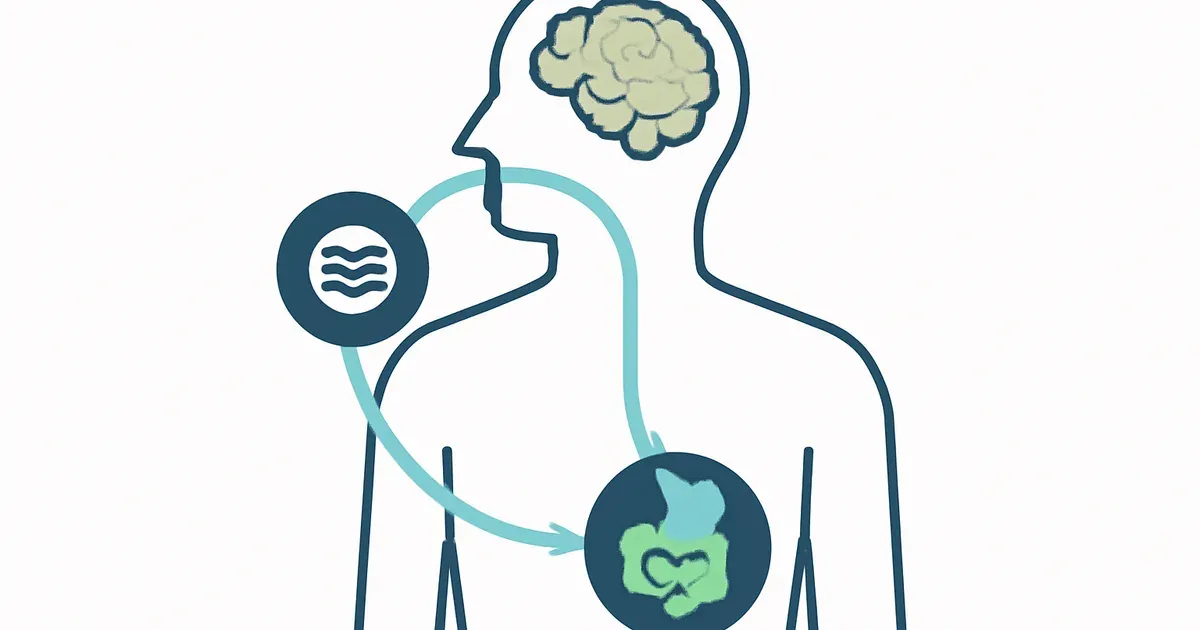
The oral microbiome and the gut microbiome are not isolated systems — they are in constant communication. Approximately 700 million bacteria are swallowed every day from the mouth into the digestive tract. In a healthy individual with a balanced gut microbiome, these oral bacteria are largely neutralised by the acidic stomach environment and outcompeted by resident gut bacteria. But when the gut microbiome is depleted — through poor diet, antibiotic use, or chronic stress — oral pathogens can survive further into the digestive system and potentially contribute to gut inflammation.
This is where the gut-brain connection becomes especially relevant. The gut communicates with the brain via the vagus nerve, and the gut microbiome produces neurotransmitters including serotonin, dopamine precursors, and GABA. Systemic inflammation driven by bacterial imbalance — beginning perhaps in the mouth — can disrupt this communication, contributing to brain fog, low mood, and fatigue, symptoms that many UK adults experience without understanding their microbial origins.
UK microbiome research at institutions including King's College London, the University of Reading, and the Wellcome Trust-funded Sanger Institute is actively mapping these connections. Caring for your oral microbiome is not just about avoiding dental bills — it is a meaningful investment in your whole-body and mental health.
Pro tip: Manage stress as part of your oral and gut health strategy. Chronic stress alters the composition of both the oral and gut microbiomes, reducing beneficial bacterial diversity. Even 10 minutes of daily mindfulness has been shown in UK-based trials to reduce physiological stress markers.
What to Expect: A Realistic Timeline
Week 1–2: Your gums may bleed slightly when you begin interdental cleaning — this is normal and indicates pre-existing inflammation, not damage from cleaning. Persist. Bleeding typically resolves as the gum tissue becomes healthier.
Week 3–4: With consistent brushing, interdental cleaning, and dietary changes, plaque build-up should visibly reduce. Your dentist will notice the difference at your next check-up. You may also notice fresher breath as harmful bacterial populations decline.
Month 2–3: If you have added fermented foods and reduced sugar intake, you may begin to notice broader improvements in digestion, energy levels, and mood — reflecting positive changes further along the gut-brain axis.
Month 3–6: A sustained healthy oral routine combined with a diverse, fibre-rich diet should produce measurable improvements in gum health and potentially in gut microbiome diversity. Regular NHS dental check-ups remain essential to track your progress and catch any remaining issues early.
Mistakes That Slow Your Progress
- Brushing too hard. Aggressive scrubbing damages enamel and gum tissue without removing more bacteria. It can create receding gums — a harder problem to reverse than plaque.
- Skipping interdental cleaning. This is the single most common oral hygiene mistake in the UK. Plaque between teeth is the primary cause of gum disease and is entirely preventable.
- Treating mouthwash as a replacement for mechanical cleaning. Mouthwash cannot break apart the sticky biofilm of dental plaque — only physical brushing and flossing can do that.
- Eliminating all sugar but ignoring starch. Bacteria like Streptococcus mutans ferment starch as well as sugar. Crisps, white bread, and crackers are just as capable of fuelling acid production as sweets.
- Ignoring the gut-body connection. Focusing purely on what happens in the mouth, without considering diet quality, stress levels, and gut microbiome diversity, limits how far your results can go.
What Can Help You Get There Faster
Mechanical cleaning tools are your first category of investment. An electric toothbrush with a pressure sensor (widely available from UK brands and pharmacies) removes plaque significantly more effectively than a manual brush. Pair it with interdental brushes in the correct size for your gaps — your dentist can advise.
Dietary upgrades represent your second category. Focus on increasing fibre intake in line with NHS guidelines (30g per day for UK adults), diversifying your plant food intake, and adding one to two portions of fermented food daily. The British Nutrition Foundation provides free, evidence-based dietary guidance aligned to UK food culture and the Eatwell Guide.
Probiotic and prebiotic support forms the third category. Whilst the evidence for oral-specific probiotics is still emerging, broad-spectrum gut health supplements containing Lactobacillus and Bifidobacterium strains have a growing evidence base, and improving gut microbiome UK diversity may support the competitive exclusion of oral pathogens. Always choose products with documented clinical strains and check for BDA or NHS guidance before investing significantly.
Your Step-by-Step Summary
✅ Brush twice daily for two minutes with fluoride toothpaste ✅ Clean between teeth with floss or interdental brushes once daily ✅ Reduce free sugars and starchy snack foods ✅ Increase fibre-rich fruits, vegetables, and whole grains ✅ Add one fermented food daily to support your oral and gut microbiome ✅ Use antibacterial mouthwash strategically — after brushing, not instead of it ✅ Manage stress to protect microbial diversity throughout your digestive tract ✅ Attend regular NHS dental check-ups
Closing Thoughts
Your mouth is not separate from your health — it is the beginning of it. Every choice you make about what you eat, how you clean your teeth, and how you manage your stress shapes the microbial ecosystem that runs from your gums to your gut. In the UK, NHS dental services and growing microbiome research give you more tools and knowledge than any previous generation has had. Use them.
Small, consistent changes — brushing properly, adding a spoonful of live yogurt, swapping a sugary snack for an apple — compound into meaningful results. Your oral microbiome, your gut microbiome, and your brain will all benefit.
You might also like
- Your Oral Microbiome Questions Answered
- Oral Microbiome Research Drives New Probiotic Formulation
- How to Improve Gut Health with Breathwork Daily
Frequently Asked Questions
Is oral health really connected to gut health?
Yes — and the connection is more direct than most people realise. Bacteria from the mouth are swallowed continuously throughout the day. In a healthy gut, stomach acid and resident microbes neutralise most oral pathogens. But when the gut microbiome is compromised, harmful oral bacteria can colonise the intestinal tract, contributing to inflammation and disrupting the gut-brain axis. UK microbiome research at King's College London and the University of Reading is actively investigating these pathways.
How quickly can I improve my oral microbiome?
You can see measurable changes within two to four weeks of consistent brushing, interdental cleaning, and dietary improvement. Gum bleeding typically reduces within that window. Broader benefits to your gut microbiome and general wellbeing — including mood and energy — may take two to three months to become noticeable, particularly if you are simultaneously adding fermented foods and reducing sugar.
Can improving my diet improve my oral bacteria?
Absolutely. Harmful oral bacteria like Streptococcus mutans feed on sugars and refined starches. Reducing these whilst increasing dietary fibre, fermented foods, and polyphenol-rich drinks like green tea directly starves harmful bacteria and feeds beneficial ones. The British Dietetic Association recommends exactly this kind of dietary diversity as a cornerstone of both oral and gut health in the UK.
What is the gut-brain connection and how does the mouth fit in?
The gut-brain connection refers to the two-way communication between the digestive system and the brain, mediated largely by the vagus nerve and gut-produced neurotransmitters. The mouth is the start of this system — when oral bacterial imbalance creates chronic low-level inflammation, that signal can travel down the digestive tract and ultimately affect brain chemistry, contributing to mood disturbance, fatigue, and cognitive fog. Caring for your oral microbiome is therefore an upstream investment in mental clarity and emotional wellbeing.
Are NHS dental check-ups enough to manage my oral bacteria?
NHS dental check-ups are essential but not sufficient on their own. A dentist can remove hardened tartar that brushing cannot shift and identify early-stage disease — both invaluable. But bacterial balance in your mouth is shaped daily by your diet, hygiene routine, stress levels, and gut microbiome diversity. Daily habits between check-ups determine the environment your dentist finds when you arrive. Think of NHS appointments as quality control, not the primary intervention.
96 Bacterial Strains. Two Shots a Day.
GOODIE is an award-winning fermented drink with 96 live bacterial strains — more than any yogurt or kombucha — never pasteurised, clinically tested, and 8 in 10 users felt less bloating within 14 days. Curious?