Your Oral Microbiome Questions Answered
Discover how your oral microbiome connects to gut health, the gut-brain axis, and systemic disease — with evidence-based answers for UK adults.


Most people think of gut health as something that starts in the stomach. But scientists now know the story begins much earlier — in your mouth. The oral microbiome is a thriving, complex community of bacteria, fungi, and other microbes that shapes your digestive health, your immune system, and even your brain. If you've been wondering how your mouth connects to your gut, your mood, and your overall wellbeing, you're not alone. Here are the answers to the questions we hear most often.
Jump to Your Question
What exactly is the oral microbiome?
How does the oral microbiome affect gut health UK residents should know about?
Is there a gut-brain connection that starts in the mouth?
What microbes live in your mouth, and are they different from gut microbes?
How is the oral microbiome acquired, and can you change it?
What is the link between poor oral microbiome health and systemic disease?
How can you improve gut health naturally by looking after your mouth?
What does UK microbiome research tell us about oral and gut health?
What exactly is the oral microbiome?
The oral microbiome is the collective community of microorganisms — bacteria, fungi, archaea, viruses, and protozoa — that live in the human mouth. Far from being a simple collection of germs, it is one of the most diverse and ecologically complex microbial communities in the entire human body.
Researchers have identified hundreds of distinct bacterial species alone, organised into highly structured biogeographical zones: different communities colonise teeth, gums, the tongue, the cheeks, the tonsils, and the throat. A comprehensive review in Nature Reviews Microbiology describes this community as comprising bacteria, microeukaryotes, archaea, and viruses with "elaborate and highly structured biogeography" that shapes metabolic exchange at a very local level.
This isn't a passive community. These microbes interact constantly with each other and with your immune system, influencing whether your mouth — and much further downstream, your gut — stays healthy or tips towards disease.
How does the oral microbiome affect gut health UK residents should know about?
The mouth is the gateway to the gastrointestinal tract, which means the oral microbiome directly seeds the gut with microorganisms every time you swallow. Estimates suggest that an adult swallows roughly one trillion oral microbes every day, making the mouth the primary upstream source of microbial input into the digestive system.
For gut health in the UK, this has real implications. Research shows that oral microbes that are harmless in the mouth can become pathogenic when they reach the gut in large numbers — potentially driving inflammation and disrupting the balance of beneficial bacteria. Conditions such as inflammatory bowel disease (IBD) and colorectal cancer have both been linked to elevated populations of oral bacteria found in gut tissue.
The NHS recognises the importance of the gut microbiome to digestive health, but awareness of the oral-gut axis — the direct microbial highway from mouth to intestine — is only now reaching mainstream clinical conversations in the UK.
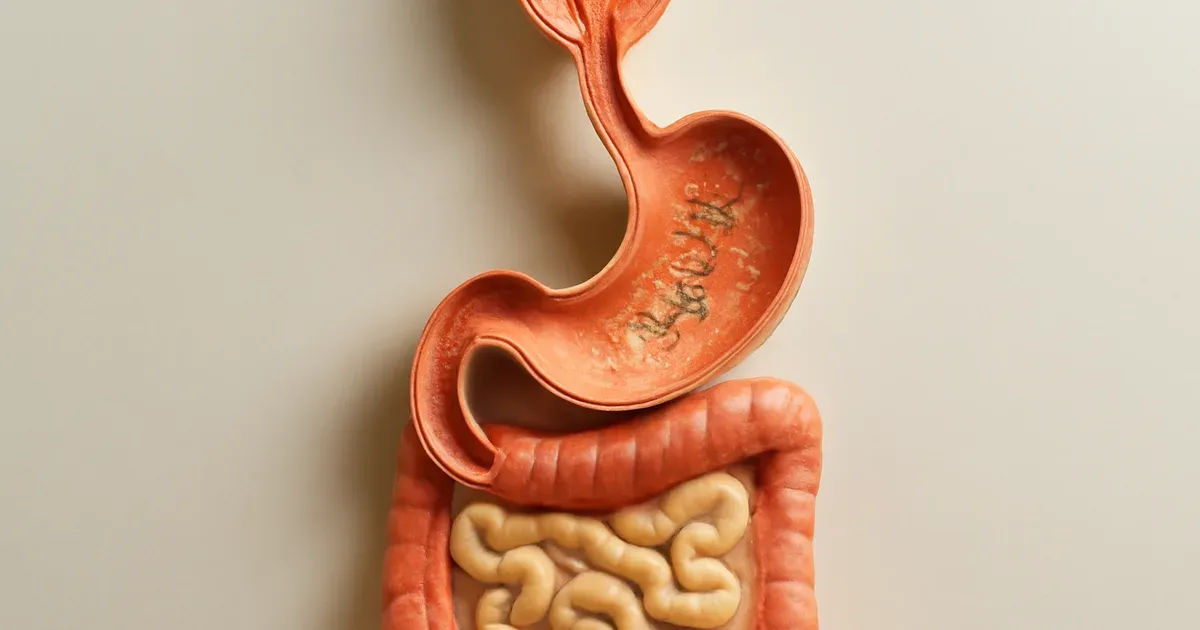
Is there a gut-brain connection that starts in the mouth?
Yes — the gut-brain connection, the bidirectional communication network linking the gastrointestinal tract and the central nervous system, is significantly influenced by the microbial communities that begin their journey in the mouth. The gut-brain axis involves neural, hormonal, and immune signalling pathways, and the microbiome plays a pivotal role in all three.
When oral bacteria travel to the gut and alter its microbial composition, they can influence the production of neurotransmitters such as serotonin and GABA, both of which affect mood, cognition, and stress responses. Around 90% of the body's serotonin is produced in the gut, meaning that microbial disruption originating in the mouth can have consequences that reach all the way to the brain.
Emergent research from institutions including King's College London and UCL is exploring how oral dysbiosis — an imbalance in the mouth's microbial communities — may contribute to neuroinflammatory and neuropsychiatric conditions. The gut-brain connection, it turns out, may have its roots further upstream than previously thought.
What microbes live in your mouth, and are they different from gut microbes?
The oral microbiome and the gut microbiome are distinct communities, though they share some overlapping species and interact in important ways. The gut is dominated by phyla including Firmicutes, Bacteroidetes, and Actinobacteria, while the mouth hosts its own characteristic species such as Streptococcus, Veillonella, Prevotella, and Fusobacterium.
Beyond bacteria, the oral microbiome includes:
- Fungi (the mycobiome): Candida species are the most commonly identified, present in a majority of healthy adults
- Archaea: Ancient single-celled organisms, less well understood but present in the mouth
- Viruses: Including bacteriophages that prey on oral bacteria
- Candidate Phyla Radiation (CPR) bacteria: Ultra-small, enigmatic parasitic bacteria only recently characterised, including Saccharibacteria (formerly TM7)
The discovery of CPR bacteria in the human oral cavity is one of the most striking findings in recent microbiome science. Some, like TM7x, live as epiparasites on other bacteria — an entirely novel lifestyle for a human-associated microorganism.

How is the oral microbiome acquired, and can you change it?
The oral microbiome is acquired early in life and is shaped primarily by environment rather than genetics. Studies show that the predominant oral microbial communities are established in an organised, sequential pattern in infancy and early childhood — influenced by caregivers, diet, and environmental exposures rather than inherited genetic traits.
Research published in Microbiome confirms that acquisition of oral microbiota is driven by environment, not host genetics — meaning your lifestyle choices carry genuine weight. Key factors that shape your oral microbiome throughout life include:
- Diet: Fibre-rich diets support diverse oral microbial communities; excess sugar promotes pathogenic species like Streptococcus mutans
- Oral hygiene: Regular brushing and interdental cleaning reduce pathogen load
- Smoking: Profoundly disrupts oral microbial diversity
- Antibiotics: Cause significant but often temporary disruption
- Kissing and close contact: Actively transfer microbial species between individuals
The good news for anyone looking to improve gut health naturally: positive changes to diet and oral hygiene produce measurable shifts in microbial composition relatively quickly.
What is the link between poor oral microbiome health and systemic disease?
An imbalanced oral microbiome — a state called oral dysbiosis — has been associated with a wide range of systemic diseases beyond the mouth itself. The evidence base linking oral microbial health to cardiovascular disease, diabetes, rheumatoid arthritis, Alzheimer's disease, and certain cancers has grown substantially over the past decade.
Porphyromonas gingivalis, a key pathogen in periodontitis (gum disease), has been detected in the brains of Alzheimer's patients and in atherosclerotic plaques. Gum disease affects around 45% of adults in the UK, according to NHS statistics, making oral dysbiosis a significant public health issue.
The oral-gut axis amplifies these risks. When pathogenic oral bacteria repeatedly seed the gut, they can drive chronic low-grade inflammation — a mechanism implicated in metabolic syndrome, type 2 diabetes, and colorectal cancer. NHS gut health pathways are beginning to reflect this systemic perspective, though oral microbiome screening remains far from routine clinical practice in the UK.

How can you improve gut health naturally by looking after your mouth?
Improving oral microbiome health is one of the most accessible and evidence-supported ways to improve gut health naturally. The two systems are directly connected, and interventions targeting the mouth have measurable downstream effects on the gut.
Practical steps aligned with both NHS gut health guidance and British Dietetic Association (BDA) recommendations include:
- Eat more dietary fibre: The UK Eatwell Guide recommends 30g of fibre per day. Fibre feeds beneficial bacteria in both the mouth and gut. Most UK adults consume only around 18g daily.
- Reduce free sugars: Sugar fuels pathogenic oral bacteria, increases acid production, and disrupts microbial balance.
- Eat fermented foods: Yoghurt, kefir, and fermented vegetables introduce beneficial microbes at the point of entry — the mouth.
- Brush twice daily and floss: Reducing oral pathogen load directly reduces the volume of harmful microbes seeded into the gut.
- Stay hydrated: Saliva is the mouth's primary antimicrobial defence; dehydration reduces salivary flow.
- Avoid unnecessary antibiotics: Each course disrupts both oral and gut microbial communities, sometimes for months.
These steps are simple, low-cost, and achievable within a British diet and lifestyle context.
What does UK microbiome research tell us about oral and gut health?
UK microbiome research is at the forefront of global efforts to understand how oral and gut microbial communities shape human health. Institutions including King's College London, Imperial College London, the University of Reading, and UCL are running active programmes in microbiome science, with funding from the Wellcome Trust, BBSRC, and the MRC.
The British Gut Project — one of the largest citizen science microbiome studies in the world — has generated rich datasets revealing how diet, lifestyle, and geography influence the gut microbiome of people living in the UK. Meanwhile, UK Biobank data is being used to draw population-level links between oral health, gut microbiome composition, and long-term disease risk.
Key findings relevant to UK adults include:
- Greater dietary diversity (especially plant diversity) is consistently associated with a healthier gut microbiome
- Oral health status is an independent predictor of gut microbial diversity in large UK cohorts
- Urban-rural differences in the UK microbiome suggest environmental exposures matter enormously
This body of research makes a compelling case: for anyone serious about gut health in the UK, the mouth is the logical place to start.

Oral Microbiome vs Gut Microbiome: Key Differences
| Feature | Oral Microbiome | Gut Microbiome |
|---|---|---|
| Location | Mouth, throat, tonsils | Small and large intestine |
| Dominant bacteria | Streptococcus, Prevotella, Veillonella | Firmicutes, Bacteroidetes, Bifidobacterium |
| Oxygen environment | Mixed aerobic/anaerobic | Predominantly anaerobic |
| Primary role | First-line immune defence, digestion initiation | Nutrient absorption, immune regulation, neurotransmitter production |
| Key disease links | Periodontitis, dental caries, cardiovascular disease | IBD, IBS, obesity, depression, neurological conditions |
| Influenced by | Oral hygiene, diet, kissing, smoking | Diet, antibiotics, stress, exercise, sleep |
The Bottom Line
- Your mouth is the starting point of your gut microbiome — microbes travel from mouth to gut every time you swallow, shaping digestive and systemic health.
- The gut-brain connection is influenced by oral microbial balance — oral dysbiosis can disrupt neurotransmitter production and contribute to neuroinflammation.
- Oral microbiome acquisition is driven by environment, not genetics — meaning diet, hygiene, and lifestyle choices genuinely matter.
- Gum disease affects nearly half of UK adults, making oral dysbiosis one of the most underappreciated public health issues in the UK.
- Simple, evidence-based steps — more dietary fibre, less sugar, consistent oral hygiene, and fermented foods — can improve both oral and gut health simultaneously.
Ready to go deeper on the gut-brain connection and microbiome science? Explore more evidence-based guides at GutBrain.news.
You might also like
- How to Boost GLP-1 Naturally for Gut Health
- Oral Microbiome Research Drives New Probiotic Formulation
- How to Improve Gut Health with Breathwork Daily
96 Bacterial Strains. Two Shots a Day.
GOODIE is an award-winning fermented drink with 96 live bacterial strains — more than any yogurt or kombucha — never pasteurised, clinically tested, and 8 in 10 users felt less bloating within 14 days. Curious?