How to Improve Gut Health with Breathwork Daily
Learn how to improve gut health naturally using daily breathwork techniques that calm the gut-brain connection and support your microbiome — no restrictive diet


You've tried cutting out gluten, loading up on probiotics, and drinking more water — yet the bloating, sluggish digestion, and that uncomfortable tightness in your stomach keep coming back. Sound familiar? For many people in the UK, the missing piece isn't on the plate at all. It's in the breath.
Chronic stress quietly dismantles your digestive health from the inside out. And while fibre-rich foods and live cultures absolutely matter, no amount of kefir will fully compensate for a nervous system stuck in overdrive. The good news is that you already possess one of the most powerful gut-health tools available — and you're using it right now, unconsciously, with every breath you take.
This guide shows you exactly how to harness your breath to calm your nervous system, rebalance your microbiome, and improve gut health naturally — without restrictive diets or expensive supplements.
Why Poor Gut Health Keeps Coming Back
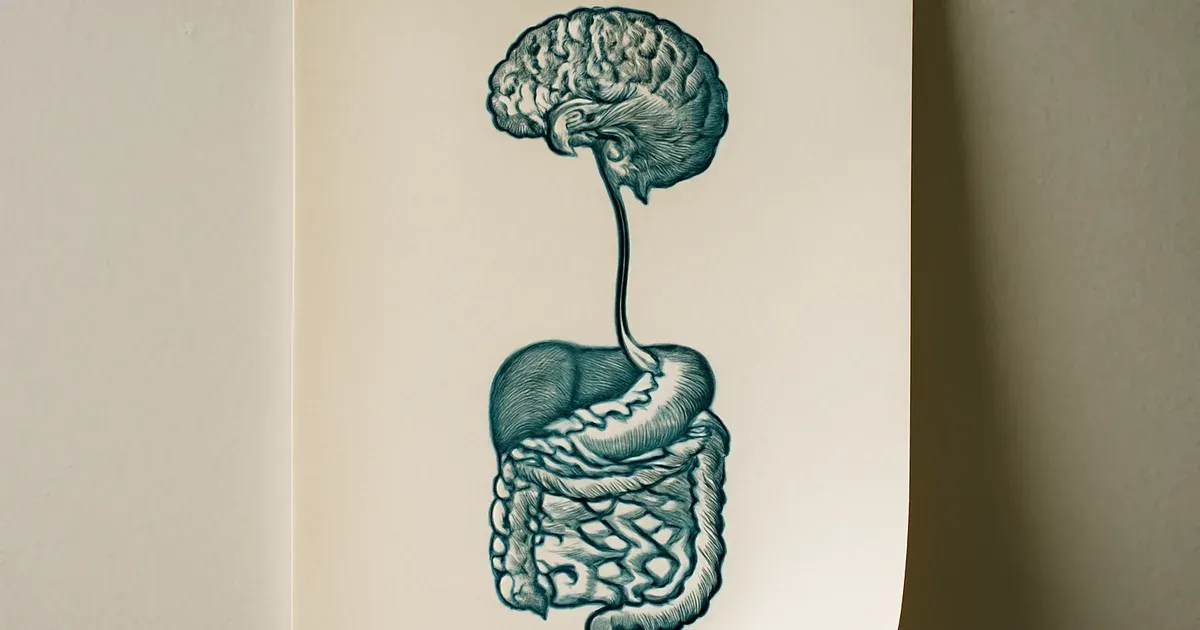
Most gut-health advice focuses exclusively on what you eat — and misses the profound role your nervous system plays in digestion. When stress becomes chronic, the gut-brain connection — the bidirectional highway linking your enteric nervous system to your brain — gets disrupted, and no dietary tweak will fully restore it.
Here's what's actually happening beneath the surface:
- Fight-or-flight dominance: Shallow, rapid breathing keeps the sympathetic nervous system activated. Digestion is deprioritised because, biologically, running from a threat matters more than absorbing nutrients.
- Cortisol and gut lining damage: Persistently elevated cortisol — the primary stress hormone — can erode the gut lining over time, potentially contributing to increased intestinal permeability (sometimes called "leaky gut").
- Microbiome disruption: UK microbiome research, including work from King's College London's PREDICT studies, shows that psychological stress measurably alters the composition of gut bacteria, reducing diversity and tipping the balance toward pro-inflammatory strains.
- Slowed gut motility: Stress slows the muscular contractions that move food through the intestine, contributing to bloating, constipation, and discomfort.
- Vagus nerve suppression: The vagus nerve — the main communication cable of the gut-brain connection — becomes underactive under chronic stress, weakening the "rest-and-digest" signals your gut depends on.
The result is a self-reinforcing cycle: stress disrupts the gut, a disrupted gut sends distress signals back to the brain, and the brain responds with more anxiety. Breathwork interrupts this cycle at its root.
Step 1: Master Diaphragmatic Breathing to Activate Digestion
Diaphragmatic breathing — sometimes called "belly breathing" or "tummy breathing" in NHS self-help resources — is the foundational technique for switching your body from fight-or-flight into rest-and-digest mode. It's the single most evidence-supported breathing method for gut-health benefit, and it costs nothing.
When you breathe deeply into the diaphragm rather than shallowly into the chest, you stimulate the vagus nerve directly. This activates the parasympathetic nervous system, which signals the body that it is safe to prioritise digestion, nutrient absorption, and gut repair. Research from University College London (UCL) and Imperial College London has highlighted vagal tone — the strength of vagus nerve signalling — as a key marker of both stress resilience and digestive health.
How to practise diaphragmatic breathing:
- Sit or lie comfortably. Place one hand flat on your chest and the other on your tummy, just below your ribcage.
- Inhale slowly and deeply through your nose for a count of four. Your tummy should rise; your chest should remain relatively still.
- Exhale gently through your mouth for a count of six, feeling your tummy fall.
- Repeat for 5–10 breaths, keeping your focus on the rise and fall of your abdomen.
Pro tip: Practise this for two minutes before your main meals each day. You'll prepare your digestive tract to receive food in a calm, receptive state — enhancing both motility and nutrient absorption.
Step 2: Use 4-7-8 Breathing to Reset Before Meals
Eating while stressed is one of the most underappreciated contributors to poor gut health in the UK. Rushed lunches at desks, anxious scrolling while eating, or grabbing food on the go all keep the sympathetic nervous system engaged — meaning your body is physically unable to prioritise digestion regardless of what's on your plate.
The 4-7-8 breathing technique, developed from ancient pranayama traditions and popularised in Western clinical settings, acts as a rapid reset switch for the nervous system. The extended exhale relative to the inhale is key: a longer out-breath activates the parasympathetic nervous system more powerfully than the in-breath, effectively "braking" the stress response within minutes.
How to practise 4-7-8 breathing:
- Sit upright with your lips gently closed.
- Inhale quietly through your nose for exactly 4 seconds.
- Hold your breath for 7 seconds.
- Exhale completely through your mouth, making a gentle whooshing sound, for 8 seconds.
- This counts as one cycle. Complete 3–4 cycles before sitting down to eat.
The science matters here. Studies examining heart rate variability (HRV) — a reliable proxy for parasympathetic activity — consistently show that extended-exhale breathing patterns measurably increase HRV within a single session. Higher HRV correlates with better gut motility, reduced inflammatory markers, and improved microbiome diversity.
Pro tip: If holding for 7 seconds feels uncomfortable initially, shorten the ratio proportionally (e.g. 2-3.5-4) and build up gradually over two weeks.
Step 3: Stimulate Your Vagus Nerve with Humming Breath
The vagus nerve is the superhighway of the gut-brain connection — carrying signals in both directions between your digestive system and your brain. Poor vagal tone is associated with irritable bowel syndrome (IBS), which affects an estimated 10–20% of the UK population according to NHS data, as well as with anxiety, low mood, and reduced microbiome diversity.
Humming breath (known in yoga tradition as Bhramari, or "bee breath") is a deceptively simple technique that stimulates the vagus nerve via vibration in the throat and chest cavity. The humming sound creates gentle internal vibrations that travel through the tissues surrounding the vagus nerve, increasing parasympathetic tone in a way that silent breathing alone cannot replicate.
How to practise humming breath:
- Sit in a comfortable, upright position. Close your eyes if you wish.
- Inhale deeply and slowly through your nose.
- As you exhale, keep your lips gently closed and produce a steady, low humming sound — like a distant bumblebee. Feel the vibration in your throat, chest, and even your abdomen.
- Continue for 1–2 minutes, allowing each humming exhale to become slower and more resonant.
As you build this practice into your evening routine, you'll find it particularly effective for winding down after a high-stress day — reducing overnight gut inflammation, supporting the gut-repair processes that occur during sleep, and gently improving gut motility for the morning.
Pro tip: Pairing this technique with a gut-supportive supplement — such as a live cultures product — can enhance the restorative effect. When your nervous system is calm and vagal tone is high, the gut environment is more receptive to beneficial bacteria taking hold. Biomel's Complete Gut Health powder or dairy-free gut health shots offer a convenient way to nourish your microbiome alongside your breathwork practice.

Step 4: Build a Consistent Daily Breathwork Routine
Consistency matters more than perfection. A single breathwork session provides real, measurable relief — but the truly transformative effects on your microbiome, gut motility, and gut-brain connection emerge over weeks of regular practice. This mirrors broader findings from UK microbiome research: sustainable lifestyle habits, not short-term interventions, produce lasting shifts in microbial diversity.
Here is a practical daily structure you can follow:
Morning (5 minutes): Begin with 5–10 rounds of diaphragmatic breathing before you reach for your phone or start your day. This anchors your nervous system in a parasympathetic state from the outset, setting a calm, digestive-friendly tone.
Before each main meal (3 minutes): Complete 3–4 cycles of 4-7-8 breathing before sitting down to eat. Even doing this once — before your largest meal of the day — will make a measurable difference to how your digestive system responds.
Evening (5 minutes): Close the day with 1–2 minutes of humming breath, followed by gentle diaphragmatic breathing. This downregulates the stress accumulated during the day and supports the overnight gut-repair processes that are essential for a healthy microbiome.
Total commitment: roughly 13 minutes per day. That's less time than the average UK adult spends scrolling social media during a single lunch break. For those navigating IBS, functional bloating, or stress-related digestive complaints, the British Dietetic Association (BDA) and NHS self-management pathways increasingly acknowledge the role of mind-body techniques — including breathwork — as complementary tools alongside dietary strategies.
What to Expect: A Week-by-Week Timeline
Your gut won't transform overnight — but the nervous system responds to breathwork remarkably quickly. Here's a realistic timeline:
Week 1: Most people notice reduced bloating after meals and a greater sense of calm within the first few days. Sleep quality often improves, which itself has knock-on benefits for gut health.
Weeks 2–3: Gut motility tends to regularise — many people find constipation or urgency becomes less pronounced. This is the gut-brain connection beginning to recalibrate, with vagal tone gradually strengthening.
Week 4 and beyond: Research on the microbiome UK context — including data from the British Gut Project — suggests that consistent reductions in stress biomarkers (like cortisol) over 3–4 weeks correlate with measurable shifts in microbiome composition, including increases in beneficial bacterial strains such as Lactobacillus and Bifidobacterium.
By month two, the practice becomes automatic and the cumulative effects on gut health, mood, and energy are typically significant enough that most people wouldn't consider stopping.

Mistakes That Slow Your Progress
- Breathing too quickly during "slow" techniques. Rushing through 4-7-8 breathing defeats its purpose. Use a timer or a metronome app to keep counts accurate, especially in the first two weeks.
- Practising only when symptomatic. Using breathwork solely as a crisis response — reaching for it only when bloating strikes — limits its benefit. The microbiome and vagal tone improvements come from daily practice, not occasional use.
- Neglecting nutrition alongside breathwork. Breathwork is powerful, but it works synergistically with a fibre-rich, diverse diet aligned with the NHS Eatwell Guide. Skimping on prebiotic foods (oats, leeks, garlic, Jerusalem artichokes) starves the beneficial bacteria you're working to support.
- Practising on a full stomach. Diaphragmatic breathing and 4-7-8 work best before meals or at least 90 minutes after eating. Practising immediately after a large meal can cause discomfort.
- Expecting linear progress. Stress levels fluctuate, and so will your gut. A difficult week at work may temporarily reverse gains. This is normal — consistency over time is what matters, not day-to-day perfection.
What Can Help You Get There Faster
Three categories of support can meaningfully accelerate your results:
1. Live Cultures and Targeted Gut Supplements Feeding your microbiome directly whilst simultaneously calming the nervous system creates a powerful synergy. Live cultures — the beneficial bacteria found in products such as Biomel's dairy-free gut health shots and Complete Gut Health powder — help restore microbial balance, reduce gut inflammation, and support the production of neurotransmitters (including serotonin, roughly 90% of which is produced in the gut) that directly influence the gut-brain connection.
2. Prebiotic-Rich, British Diet-Aligned Foods The UK Eatwell Guide recommends 30g of fibre per day — yet the average British adult consumes only around 18g. Prebiotic fibres (found in oats, chicory, leeks, onions, garlic, and bananas) feed Bifidobacterium and Lactobacillus strains, making your gut a more hospitable environment for the microbiome shifts that breathwork initiates.
3. Mindfulness and Sleep Hygiene Tools Breathwork pairs exceptionally well with a consistent sleep schedule, reduced evening screen time, and brief mindfulness practice. The NHS recommends 7–9 hours of sleep for adults, and gut-repair processes — including intestinal cell regeneration and microbiome diversification — are most active during deep sleep stages.
Your Quick-Reference Checklist ✓
- ✅ Step 1: Practise diaphragmatic breathing for 5–10 breaths every morning
- ✅ Step 2: Complete 3–4 rounds of 4-7-8 breathing before main meals
- ✅ Step 3: Use humming breath for 1–2 minutes each evening to stimulate the vagus nerve
- ✅ Step 4: Build a consistent 13-minute daily routine — morning, pre-meal, and evening
- ✅ Bonus: Support your microbiome with live cultures, prebiotic-rich foods, and adequate sleep
- ✅ Avoid: Rushing techniques, practising only when symptomatic, or neglecting dietary fibre
Your breath has been with you every moment of your life — and it's ready to become your most reliable gut-health tool. Start with just one technique tomorrow morning. Notice how your body responds. Then build from there, one breath at a time. The gut-brain connection is real, the science is compelling, and the practice costs nothing. Your microbiome is waiting.
You might also like
- How to Boost GLP-1 Naturally for Gut Health
- How to Improve Gut Health Naturally (No Fad Diets)
- LeanBiome Supplement Ingredients Reviewed
Frequently Asked Questions
How quickly can breathwork improve gut health?
Most people notice some relief from bloating and digestive discomfort within the first week of daily practice — particularly when using diaphragmatic breathing before meals. Deeper changes to the microbiome and vagal tone, however, typically emerge over 3–4 weeks of consistent practice. UK microbiome research, including data from the British Gut Project, suggests that sustained reductions in stress biomarkers correlate with measurable shifts in gut bacterial composition within this timeframe.
Can breathwork help with IBS in the UK?
Yes — and there is growing clinical recognition of this in the UK. IBS affects an estimated 10–20% of the UK population, and NHS self-management resources increasingly recommend mind-body techniques, including diaphragmatic breathing and mindfulness, as part of an integrated management approach. The gut-brain connection is particularly relevant to IBS, where nervous system dysregulation plays a central role in symptom severity. Breathwork should complement — not replace — guidance from your GP or a registered dietitian.
Is breathwork safe for everyone?
For the vast majority of healthy adults, breathwork is entirely safe. However, some techniques — particularly breath-holding exercises like 4-7-8 — are not recommended during pregnancy, or for people with cardiovascular conditions, epilepsy, or severe respiratory illness, without first consulting a healthcare professional. If you are under the care of an NHS specialist for a digestive or anxiety-related condition, it is always worth mentioning any new mind-body practices at your next appointment.
How does the gut-brain connection link stress to digestive problems?
The gut and brain communicate constantly via the vagus nerve, the enteric nervous system, and a rich network of hormonal signals — a system researchers call the gut-brain axis. When stress activates the sympathetic nervous system, digestion slows, gut motility changes, and the composition of the microbiome shifts. Conversely, an imbalanced microbiome can send signals back to the brain that amplify anxiety and low mood. Breathwork intervenes by directly activating the parasympathetic nervous system, restoring the rest-and-digest state that healthy gut function requires.
Should I combine breathwork with a probiotic or live cultures supplement?
Combining the two creates a meaningful synergy. Breathwork reduces cortisol and inflammation, making the gut environment more hospitable for beneficial bacteria to thrive. Live cultures supplements — particularly those containing Lactobacillus and Bifidobacterium strains — directly seed the microbiome with beneficial organisms. Used together, they address the gut-brain connection from two complementary angles: top-down (nervous system regulation via breath) and bottom-up (microbiome support via nutrition). Always choose products with clearly stated bacterial strains and colony-forming unit (CFU) counts for transparency.
96 Bacterial Strains. Two Shots a Day.
GOODIE is an award-winning fermented drink with 96 live bacterial strains — more than any yogurt or kombucha — never pasteurised, clinically tested, and 8 in 10 users felt less bloating within 14 days. Curious?