How to Improve Gut Health Naturally (No Fad Diets)
Learn how to improve gut health naturally with 5 evidence-based steps backed by UK microbiome research — no fad diets needed.

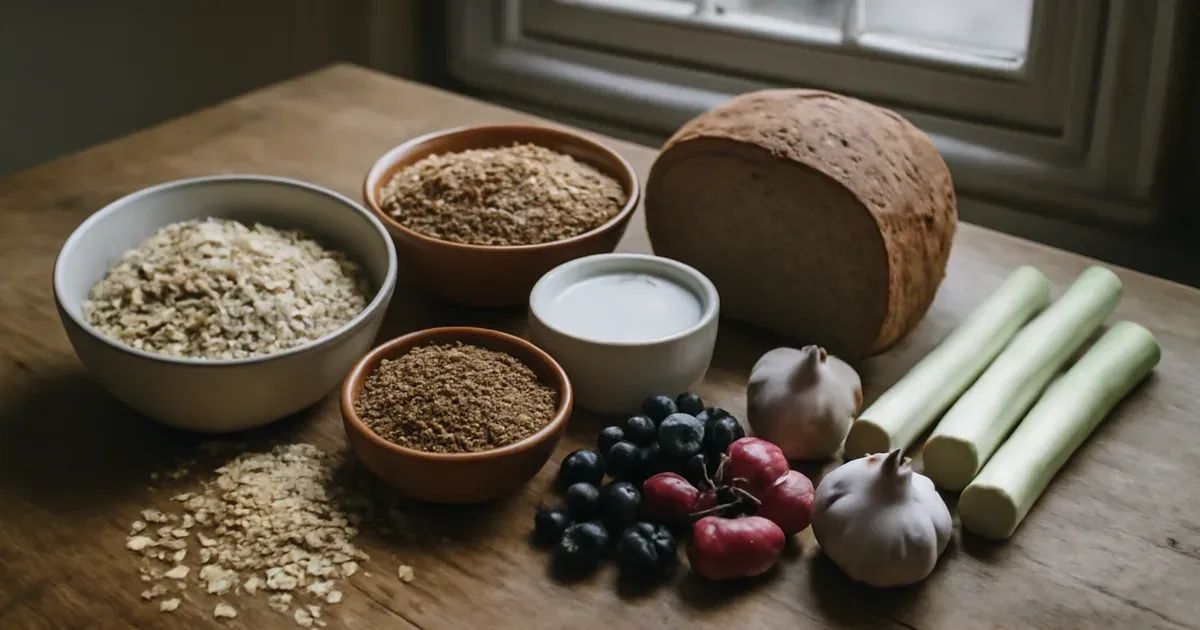
You have probably tried cutting things out — gluten, dairy, caffeine — only to find your digestion still feels unpredictable, your energy is flat, and nobody seems to have a straight answer. Gut health advice online is full of contradictions, expensive supplements, and trends imported from the US that do not quite fit the way most people in the UK actually eat. Meanwhile, researchers at institutions like King's College London and the University of Reading are quietly uncovering something far more useful: the gut microbiome is not just about digestion. It shapes your immune system, your mood, your heart, and your brain. This guide cuts through the noise with practical, evidence-based steps you can start today — no restrictive diets required.
Why Poor Gut Health Happens in the First Place
The gut microbiota — the trillions of bacteria, viruses, and fungi living along your entire digestive tract — is remarkably sensitive to the way you live. When it falls out of balance, the consequences ripple far beyond your stomach.
- Low dietary diversity is one of the biggest culprits. The British Nutrition Foundation notes that ultra-processed foods now account for more than half of the average UK diet, crowding out the variety of plant foods that gut microbes need to thrive.
- Disrupted gut-brain signalling compounds the problem. The gut and brain communicate continuously via the vagus nerve and a shared chemical language of neurotransmitters and short-chain fatty acids. When the microbiome is unbalanced, that conversation becomes noisy — contributing to low mood, brain fog, and heightened stress responses.
- Reduced fibre intake is endemic in the UK. The NHS recommends 30g of fibre per day; the average UK adult consumes only around 18g. Fibre is the primary fuel for beneficial gut bacteria, so chronically low intake starves the very microbes that keep the gut lining intact and the immune system regulated.
- Antibiotic overuse, poor sleep, and chronic stress all alter the composition and diversity of the microbiome, often in ways that take months to recover from without deliberate dietary intervention.
Step 1: Eat 30 Different Plant Foods Every Week
The single most impactful change you can make for gut health in the UK is also the simplest: dramatically increase the variety of plants on your plate, not just the volume.
The "30 plants a week" target has gained strong support from UK microbiome research, including findings from the British Gut Project, which is one of the largest citizen science microbiome studies in the world. Participants who ate 30 or more different plant foods per week had significantly more diverse gut microbiomes than those eating fewer than 10 — and microbial diversity is widely regarded as a marker of gut health.
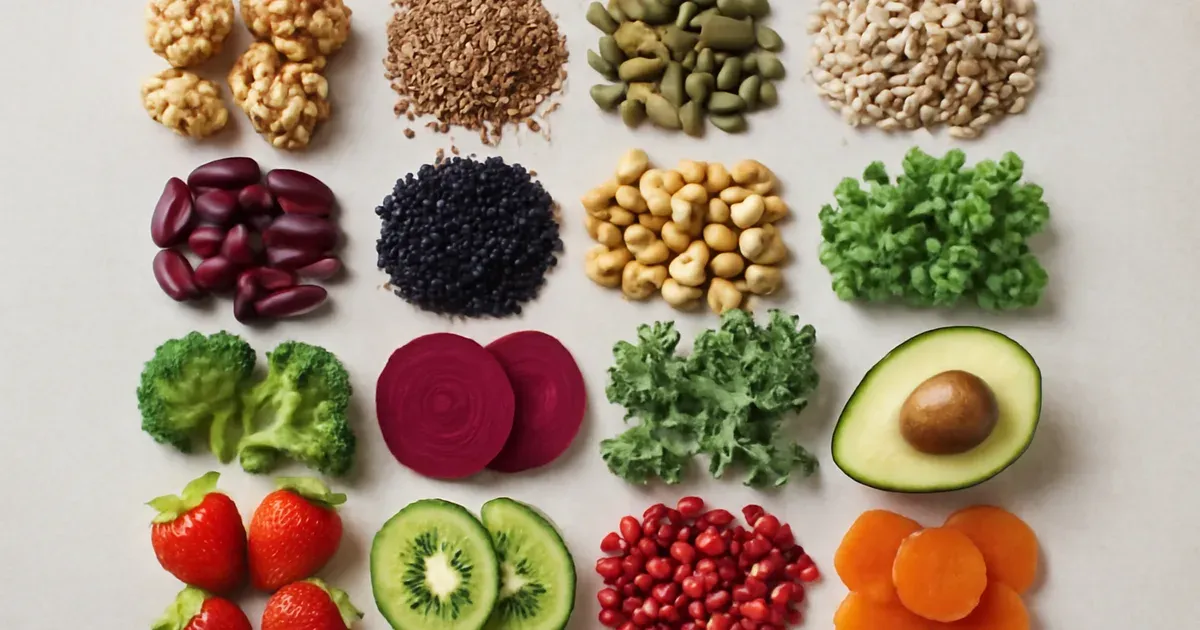
Plant foods count across six categories: fruits, vegetables, wholegrains, nuts, seeds, and legumes such as lentils, chickpeas, and kidney beans. Herbs and spices count too. You do not need to overhaul every meal. Try adding mixed seeds to porridge, swapping your usual side salad for a mix of three different leaves, or buying tri-colour peppers instead of one variety. Small swaps accumulate quickly across a week.
Pro tip: Keep a running tally on your phone for one week. Most people are surprised to find they are already hitting 15–20 plants — and once you see the number, it becomes motivating to push it higher.
Step 2: Prioritise Fibre — Especially Prebiotic Fibre
Fibre is not just about regularity. It is the primary food source for the beneficial bacteria in your gut, and the evidence linking higher fibre intake to better heart and digestive health is among the most robust in nutritional science.
Research published in the British Medical Journal found that higher dietary fibre intake is associated with a meaningfully lower risk of coronary artery disease and other cardiovascular conditions — in part because soluble fibre helps reduce the absorption of LDL ("bad") cholesterol into the bloodstream. This is the gut-heart connection made practical: what you do for your microbiome genuinely benefits your cardiovascular system too.
Prebiotic fibres — found in oats, leeks, onions, garlic, Jerusalem artichokes, bananas, and asparagus — act as a fertiliser for good bacteria, selectively feeding the strains most associated with reduced inflammation and improved gut-brain signalling. Aim to include at least one prebiotic-rich food at each meal. The UK Eatwell Guide already recommends choosing wholegrain versions of starchy foods; this is one of the easiest entry points.
Pro tip: If you are currently eating very little fibre, increase intake gradually over two to three weeks and drink plenty of water alongside. A sudden jump can cause temporary bloating as your microbiome adjusts.
Step 3: Add Fermented Foods to Support Your Microbiome
Fermented foods are one of the most direct ways to introduce beneficial live bacteria into the gut — and they are increasingly easy to find in mainstream UK supermarkets.
Live yogurt, kefir, kimchi, sauerkraut, and kombucha all contain active cultures that are thought to help restore and maintain a healthy balance of microbes in the gut. This matters because a balanced microbiome is better equipped to ferment the polyphenols — plant-based antioxidants — that human cells cannot digest on their own. Polyphenols are abundant in foods central to the Mediterranean-style diet: extra virgin olive oil, nuts, berries, dark chocolate, and green tea. Without a diverse, well-nourished microbiome, up to 90 per cent of these compounds pass through unabsorbed.
The gut-brain connection is directly relevant here. Several polyphenols, once fermented by gut bacteria, produce metabolites that influence serotonin production and reduce neuroinflammation — two pathways strongly linked to mood and cognitive function. A 2020 review in the Journal of Cellular and Molecular Medicine highlighted how gut microbiota metabolites play a vital role in immune defence and nervous system regulation, reinforcing why supporting the microbiome with fermented foods has effects that extend well beyond the digestive tract.
Pro tip: Start with one portion of live yogurt or a small glass of kefir daily. Supermarket own-brand versions are nutritionally comparable to premium alternatives and considerably cheaper.

Step 4: Reduce Ultra-Processed Foods and Watch Your TMAO Levels
One of the most important gut-heart mechanisms scientists have identified in recent years involves a compound called trimethylamine N-oxide, or TMAO. Understanding it changes how you think about food choices.
TMAO is produced when gut bacteria metabolise certain nutrients — particularly choline and carnitine, found in high quantities in red meat and some processed foods. A 2020 study in Cardiovascular Pharmacology found that elevated TMAO levels in the blood are associated with worsening outcomes in people with heart failure, and emerging research suggests it may also contribute to inflammation of the blood vessel lining and high blood pressure. This is not a reason to eliminate all animal protein — context and overall dietary pattern matter — but it is a compelling reason to reduce ultra-processed and heavily processed red meat products, which are among the most concentrated dietary sources.
For gut health in the UK more broadly, ultra-processed foods are problematic because they typically contain emulsifiers, artificial sweeteners, and additives that research suggests may disrupt the gut microbiome's composition and reduce microbial diversity. Replacing even two or three ultra-processed meals per week with whole-food alternatives — a lentil soup, a grain bowl, a homemade stir-fry rich in varied vegetables — creates a measurable shift in the gut environment over time.
Pro tip: Read ingredient labels rather than just nutrition panels. If the ingredient list contains more than five to seven items, many of which are additives you would not find in a home kitchen, it is likely ultra-processed.
Step 5: Support the Gut-Brain Connection With Lifestyle Habits
The microbiome is not shaped by diet alone. The gut-brain connection runs in both directions, meaning that chronic stress, disrupted sleep, and physical inactivity all alter the microbial environment in your gut — and those changes feed back to affect mood, cognition, and stress resilience.
Research from UCL and the MRC has highlighted bidirectional communication between the gut microbiota and the central nervous system via the vagus nerve, immune signalling, and circulating metabolites. Practices that calm the nervous system — regular moderate exercise, consistent sleep schedules, and evidence-based stress-reduction techniques such as mindfulness — have been shown to support microbiome diversity in clinical studies. In the UK, NHS talking therapies (IAPT services, now renamed NHS Talking Therapies) have begun to acknowledge the gut-brain axis as relevant context in some functional gut disorder treatments.
Physical activity deserves specific mention. A 2019 study from the University of Illinois (replicated in European cohorts) found that exercise independently increases levels of short-chain fatty acid-producing bacteria, regardless of diet. Even 20–30 minutes of brisk walking on most days is sufficient to produce measurable microbiome benefits.
Pro tip: Aim for a consistent sleep and wake time seven days a week. Circadian rhythm disruption — common with shift work and late-night screen exposure — is now understood to be one of the more underappreciated drivers of microbiome imbalance in the UK population.

What to Expect: A Realistic Timeline
The gut microbiome is dynamic — it responds to dietary change faster than almost any other biological system in the body.
Week 1–2: You may notice changes in digestion — more regularity, reduced bloating — as fibre intake increases and new bacterial populations begin to establish. Some temporary gas is normal and settles as the microbiome adjusts.
Week 3–4: Energy levels and mood often begin to shift noticeably, reflecting improved gut-brain signalling as short-chain fatty acids and neurotransmitter precursors increase. Research from King's College London's PREDICT studies suggests dietary changes can alter microbiome composition meaningfully within just a few weeks.
Month 2–3: More stable improvements in digestion, immune resilience (fewer minor infections), and inflammatory markers. If cholesterol is a concern, fibre-driven reductions in LDL cholesterol often become apparent within 8–12 weeks.
Beyond 3 months: Sustained diversity gains require ongoing dietary variety. The microbiome does not "bank" improvements — consistency matters more than perfection.
Mistakes That Slow Your Progress
- Focusing on one "superfood" rather than diversity. No single food — not kefir, not kombucha, not any particular probiotic supplement — replaces the breadth of benefit that comes from a varied, plant-rich diet.
- Increasing fibre too quickly. A sudden jump from 15g to 35g of fibre a day without adequate hydration causes bloating and discomfort that leads many people to abandon the approach entirely.
- Ignoring sleep and stress. Diet is foundational, but the gut-brain connection means that unmanaged chronic stress will blunt even the best dietary efforts.
- Relying on probiotic supplements as a shortcut. Most supplements contain only a handful of bacterial strains and have limited evidence for healthy adults. Whole fermented foods deliver a broader range of live cultures alongside prebiotic compounds and nutrients.
- Mistaking "gut-friendly" labelling for evidence. UK food labelling regulations do not require robust clinical evidence for general wellness claims. Check for live cultures confirmed on the label, and prioritise whole foods over fortified products.
What Can Help You Get There Faster
Evidence-based tools fall into three categories — none of which require expensive or complicated interventions.
1. Dietary tracking apps with plant diversity counters. Apps that allow you to log plant variety (rather than just calories) are far more useful for microbiome goals. Some UK dietitians now recommend diversity-focused logging as a first step for patients with functional gut issues.
2. Registered dietitian support via NHS or BDA-accredited practitioners. For persistent gut symptoms, bloating, or IBS, a referral through your GP to a registered dietitian is the most evidence-backed route. The British Dietetic Association's "Find a Dietitian" tool lists accredited practitioners across the UK.
3. Established fermented and whole-food staples already in UK supermarkets. Live yogurt, kefir, oats, tinned legumes, frozen mixed vegetables, and whole grain bread are all affordable, widely available, and collectively powerful. You do not need specialist health food shops to improve gut health in the UK significantly.

Your Gut Health Action Plan: Quick Recap
- ✅ Eat 30 different plant foods per week — fruits, veg, wholegrains, nuts, seeds, legumes
- ✅ Increase daily fibre intake towards the NHS-recommended 30g, prioritising prebiotic sources
- ✅ Include one portion of fermented food daily — live yogurt, kefir, kimchi, or sauerkraut
- ✅ Reduce ultra-processed and heavily processed red meat to lower TMAO production
- ✅ Support the gut-brain connection with regular movement, consistent sleep, and stress management
- ✅ Be patient and consistent — meaningful microbiome changes take 4–12 weeks to consolidate
Your gut microbiome is one of the most responsive systems in your body. Small, consistent changes — adding a handful of seeds here, swapping in a fermented food there — compound into meaningful improvements in digestion, mood, energy, and long-term heart health. You do not need a complete dietary overhaul or a cabinet full of supplements. Start with one step from this guide this week, build from there, and trust the science: the research from the British Gut Project, King's College London, and the growing field of UK microbiome research all points in the same direction. Consistent variety wins every time.
You might also like
- Gut-Brain Connection & Psychedelics: Your Questions Answered
- Gut Health UK: Lifestyle Medicine & Your Microbiome
- Your Oral Microbiome & Gut Health: What to Know
Frequently Asked Questions
How long does it take to improve gut health naturally?
Most people notice initial changes in digestion and energy within one to two weeks of increasing dietary fibre and adding fermented foods. More substantial shifts in microbiome diversity — reflected in mood, immune resilience, and inflammatory markers — typically take four to twelve weeks of consistent dietary change. Research from King's College London's PREDICT programme suggests measurable microbiome composition changes can occur within just a few weeks.
What are the best foods for gut health in the UK?
The most evidence-backed foods for gut health in the UK are those rich in dietary fibre and polyphenols: oats, wholegrains, lentils, chickpeas, kidney beans, garlic, onions, leeks, and a wide variety of fruits and vegetables. Fermented foods — live yogurt, kefir, sauerkraut, and kimchi, all widely available in UK supermarkets — also support microbiome diversity by introducing beneficial live cultures.
Is the gut-brain connection real, and how does it affect me?
Yes. The gut-brain connection is well-established in the scientific literature and is an active area of UK microbiome research at institutions including UCL, King's College London, and the University of Reading. The gut communicates with the brain via the vagus nerve, immune pathways, and microbial metabolites. An imbalanced microbiome is associated with increased anxiety, low mood, brain fog, and disrupted stress responses — which is why improving gut health often has noticeable mental and cognitive benefits.
Can I improve my gut health on an NHS pathway?
Yes. Your GP can refer you to a registered dietitian through the NHS if you have persistent gut symptoms such as IBS, bloating, or functional bowel disorders. NHS Talking Therapies also acknowledges the gut-brain axis in some treatment contexts. For general gut health improvement, NHS guidance on the Eatwell Guide — recommending high fibre, plenty of plants, and limiting ultra-processed foods — provides a solid, evidence-based foundation.
Do I need probiotic supplements to improve my gut microbiome?
For most healthy adults in the UK, whole fermented foods are more effective and considerably cheaper than probiotic supplements. Most commercially available supplements contain only a small number of bacterial strains at doses that may not survive passage through the stomach. Whole fermented foods deliver live cultures alongside prebiotic fibre and nutrients that support bacterial survival and colonisation. Supplements may be appropriate in specific clinical situations — for example, following a course of antibiotics — and should be discussed with a GP or registered dietitian.
96 Bacterial Strains. Two Shots a Day.
GOODIE is an award-winning fermented drink with 96 live bacterial strains — more than any yogurt or kombucha — never pasteurised, clinically tested, and 8 in 10 users felt less bloating within 14 days. Curious?