How to Boost GLP-1 Naturally for Gut Health
Discover how to boost GLP-1 naturally through diet, gut microbiome support, and lifestyle — without medication. Evidence-based guidance for UK adults.

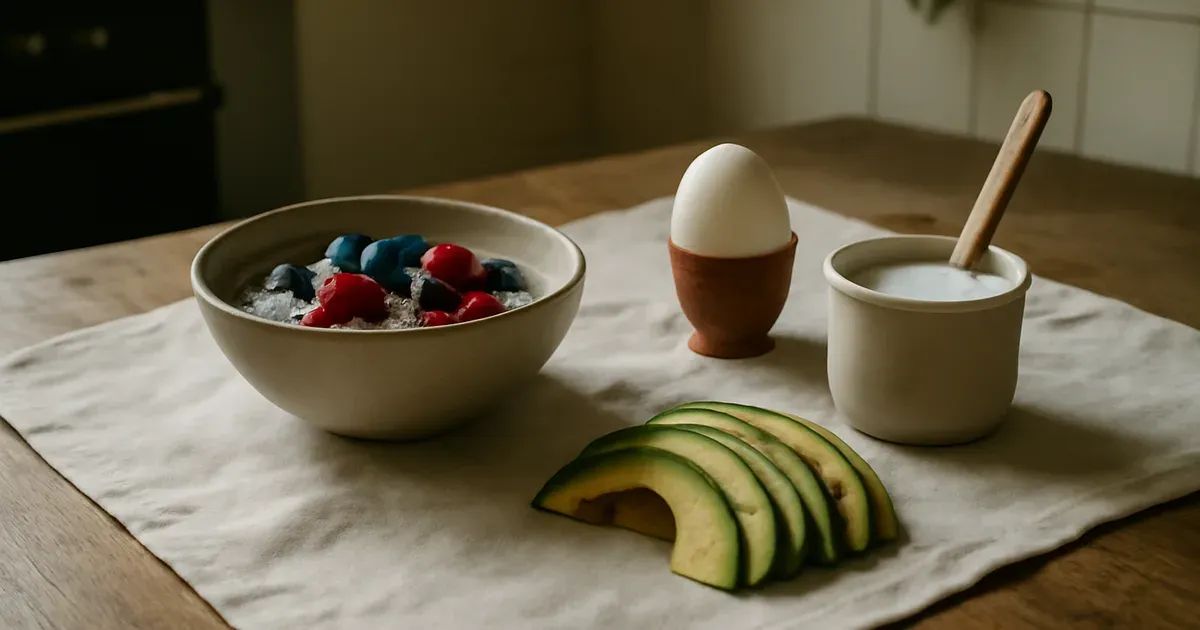
You've probably heard of Ozempic and Wegovy — the GLP-1 medications dominating health headlines across the UK. But here's what often gets overlooked: your body already produces GLP-1 naturally, and the food you eat, how you eat it, and the health of your gut microbiome all influence how much of this powerful hormone you make.
GLP-1 (glucagon-like peptide-1) is a hormone released by your small intestine after eating. It lowers blood sugar, suppresses appetite, and slows digestion — effects that have made synthetic versions of it blockbuster drugs. But stimulating GLP-1 naturally through diet and lifestyle is a legitimate, cost-free strategy that also pays dividends for your gut-brain connection and overall microbiome health. This is especially relevant in the UK, where obesity, type 2 diabetes, and poor dietary habits remain significant public health challenges according to NHS data.
What GLP-1 Does — and Why Your Gut Microbiome Is Central to It
GLP-1 is produced in the gut, not the brain — but its effects reach all the way to your appetite centres, your pancreas, and your nervous system. Specifically, it:
- Stimulates insulin release from the pancreas to reduce blood sugar
- Blocks glucagon, a hormone that raises blood sugar
- Slows stomach emptying to prolong feelings of fullness
- Decreases appetite and improves satiety
What many people don't realise is the gut microbiome's role in all of this. The trillions of bacteria living in your digestive tract — your microbiome — help regulate GLP-1 secretion. When gut bacteria ferment dietary fibre, they produce short-chain fatty acids (SCFAs) such as butyrate, which directly stimulate the specialised gut cells (L-cells) that release GLP-1. UK microbiome research, including work from King's College London and the British Gut Project, has highlighted just how closely diet, microbiome diversity, and metabolic hormone signalling are intertwined.
The gut-brain connection is equally relevant here. GLP-1 acts on the vagus nerve — the primary communication highway between gut and brain — signalling satiety and influencing mood and cognitive function. Supporting natural GLP-1 production is therefore not just about weight management; it's about nurturing the entire gut-brain axis.
Foods That Naturally Stimulate GLP-1 and Support Your Microbiome
The foods you eat are the single most powerful lever you have for boosting natural GLP-1 and improving gut health. Three macronutrient categories stand out.
Fibre: The Microbiome's Favourite Fuel
Fibre slows the absorption of carbohydrates and fats, producing a more gradual rise in blood glucose that triggers GLP-1 release. Soluble fibre, in particular, is fermented by gut bacteria into SCFAs including butyrate — and this fermentation process is a primary driver of GLP-1 secretion from L-cells in the intestinal lining.
The UK Eatwell Guide recommends 30g of fibre per day, yet surveys consistently show the average British adult consumes only around 18g. Closing that gap is one of the most evidence-backed ways to improve gut health naturally in the UK.
Best fibre-rich choices to support GLP-1 and your microbiome:
- Whole grains: oats and barley (especially high in beta-glucan, a soluble fibre)
- Legumes: beans, lentils, split peas, edamame
- Vegetables: artichokes, Brussels sprouts, carrots, asparagus, sweet potatoes
- Fruits: apples, pears, oranges, avocados
- Seeds: chia and flaxseed
Research reviewed by the British Nutrition Foundation underlines that diverse fibre intake feeds a wider range of beneficial bacterial strains, which in turn supports more robust GLP-1 signalling.
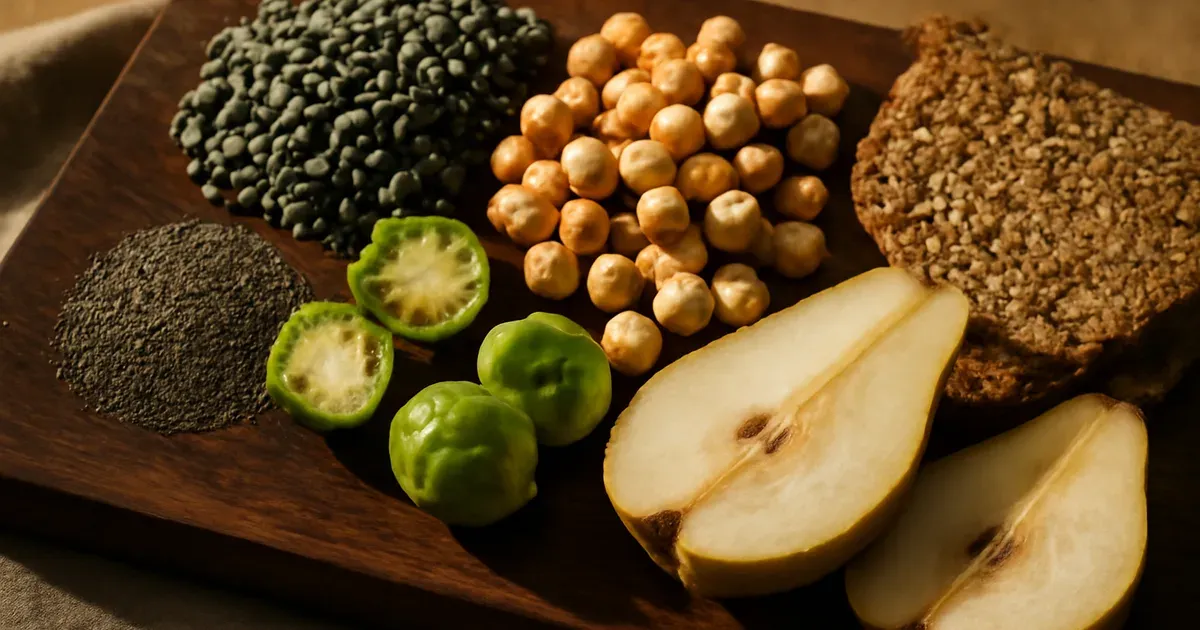
Protein: A Direct GLP-1 Trigger
Protein is one of the most potent direct stimulants of GLP-1 release. It promotes satiety, reduces overall food intake, and — unlike refined carbohydrates — doesn't spike blood glucose. Egg white peptides, for example, have been shown in research published in Food Chemistry to trigger the release of both GLP-1 and another satiety hormone, CCK, during gastrointestinal digestion.
Good protein sources for GLP-1 support:
- Lean meats and poultry
- Oily and white fish (salmon, mackerel, trout, cod)
- Eggs
- Natural yogurt and kefir (which also provide probiotics)
- Beans, lentils, and peas
- Nuts, seeds, and soy products such as tempeh and tofu
British Dietetic Association guidance already recommends protein at every meal for satiety and muscle health — aligned perfectly with what the GLP-1 science supports.
Healthy Fats: Slowing the System Down
Monounsaturated fats and omega-3 fatty acids stimulate GLP-1 release and extend satiety by slowing gastric emptying. A randomised clinical trial found that replacing carbohydrate energy with avocado-derived fat and fibre in a breakfast meal significantly enhanced satiety hormones — a finding consistent with broader research on fat-fibre combinations and gut hormone response.
Best options:
- Extra virgin olive oil
- Avocados
- Walnuts
- Chia seeds and flaxseed
- Oily fish: salmon, herring, mackerel, sardines, anchovies, trout
Fermented Foods and Probiotics
Fermented foods feed and diversify the gut microbiome, which in turn supports the intestinal environment needed for healthy GLP-1 production. In the UK, access to these foods has improved significantly — most major supermarkets now stock live yogurt, kefir, kimchi, sauerkraut, miso, and tempeh.
Research from King's College London's PREDICT study has shown that a diet rich in fermented and high-fibre foods measurably increases microbiome diversity within weeks, with downstream effects on metabolic hormones including GLP-1. Including even one or two fermented foods daily can make a meaningful difference to your gut-brain axis function.
Dark Chocolate: A Small but Relevant Addition
Dark chocolate containing at least 70% cacao solids is rich in flavanols — antioxidants that may support GLP-1 activity and gut microbiome diversity. A standard serving is around 28g per day. It remains calorie-dense, so moderation matters, but it's a genuinely evidence-linked indulgence worth noting.

How You Eat Matters: Meal Timing, Sequence, and Pace
GLP-1 follows a circadian rhythm — levels are naturally higher during daylight and early evening hours than overnight. Research published in Frontiers in Endocrinology on the circadian secretion rhythm of GLP-1 highlights that eating in alignment with this biological clock — during daylight hours, within a consistent daily window — supports optimal hormone signalling and reduces metabolic disruption.
Practical UK-friendly strategies:
- Aim to eat within 1–2 hours of waking and then every 3–4 hours
- Try to complete your last substantial meal at least two hours before bed
- Distribute calories more evenly through the day, or front-load them earlier
Meal Sequence: Eat Protein and Vegetables Before Carbs
The order in which you eat food within a meal influences GLP-1 secretion. Eating protein and fat alongside fibre-rich vegetables before reaching for carbohydrates has been shown to enhance GLP-1 response, increase insulin secretion, and blunt post-meal blood glucose spikes. Starting with carbohydrates produces a weaker GLP-1 signal.
This is a low-effort, no-cost strategy that any British adult can adopt at their next meal — no special foods required.
Eat Slowly and Mindfully
Eating slowly leads to a more pronounced GLP-1 response, greater satiety, and reduced overall food intake. A crossover study in overweight and obese adults with type 2 diabetes found that slow, spaced eating significantly improved gut hormone responses including GLP-1 compared with rapid eating — with benefits for hunger, fullness, and glucose regulation.
Simple habits to slow down eating:
- Put your fork or spoon down between bites
- Chew each mouthful thoroughly before swallowing
- Set a 20–30 minute timer for meals
- Eat without screens or distractions
- Take smaller bites and pause mid-meal
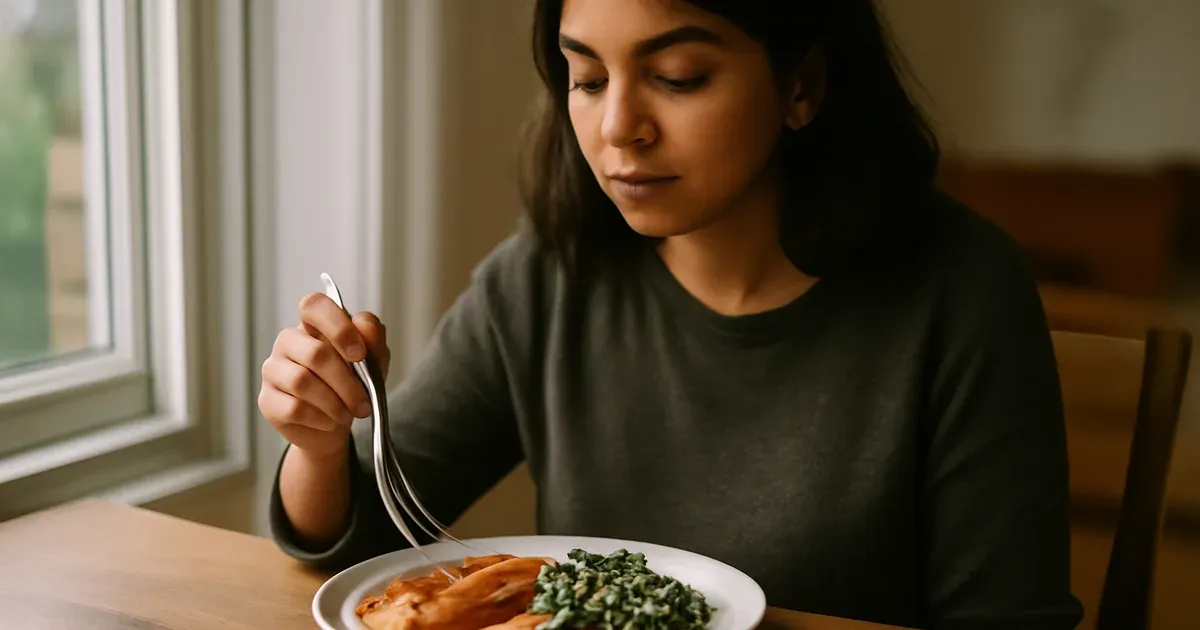
Lifestyle Factors That Influence Natural GLP-1 Levels
Your broader lifestyle shapes the hormonal environment in which GLP-1 operates. Three factors are particularly important.
Exercise
Both moderate and high-intensity exercise raise GLP-1 levels, regardless of the type of activity. The combination of aerobic exercise (walking, cycling, swimming) and resistance training is especially effective. NHS guidelines recommend at least 150 minutes of moderate activity per week for UK adults — and this target aligns well with the GLP-1 and gut microbiome benefits that regular movement provides. Exercise also independently increases gut microbiome diversity.
Sleep Quality
Poor sleep disrupts the timing and magnitude of GLP-1 release after meals, impairing the hormone's ability to regulate appetite and blood sugar. It also alters the composition of the gut microbiome, reducing populations of beneficial bacteria. Prioritising 7–9 hours of quality sleep per night is not just advice for wellbeing — it is a direct metabolic intervention.
Stress Management
Chronic stress raises cortisol, which actively impairs GLP-1 release and drives dysregulated eating behaviours. The gut-brain connection is bidirectional: a stressed brain disrupts gut function, and a disrupted gut feeds signals back to the brain that compound anxiety and poor food choices. Practices such as nature walks, journalling, mind-body exercise (yoga, tai chi), and adequate sleep all reduce cortisol and support a healthier gut-brain axis.
Natural GLP-1 vs. Medication: What the Evidence Actually Says
Natural GLP-1 stimulation is lower potency than pharmaceutical GLP-1 agonists like semaglutide or tirzepatide — and it's important to be honest about that. Medications work differently and at higher effective concentrations than the hormone your body produces naturally.
However, stimulating natural GLP-1 through diet and lifestyle:
- Carries no financial cost (NHS prescriptions for GLP-1 medications are not universally available)
- Produces no side effects
- Simultaneously improves microbiome UK diversity, gut-brain connection health, and metabolic markers
- Complements medication for those who are prescribed it
Diet and lifestyle change remain essential even for people taking GLP-1 medications. Weight loss on these drugs is not guaranteed, and long-term outcomes depend heavily on the habits built alongside them.
Bottom Line: Small, Consistent Steps for Better Gut Health in the UK
You don't need a prescription to start supporting your GLP-1 system. By eating more fibre (aiming for the UK guideline of 30g daily), including fermented foods, eating protein and vegetables before carbohydrates, slowing down at mealtimes, exercising regularly, and managing stress, you create the conditions for your gut and brain to regulate appetite and blood sugar more effectively.
Improve gut health naturally — and you're not just nudging one hormone. You're building a resilient microbiome, strengthening the gut-brain connection, and reducing long-term risk across a range of conditions that the NHS continues to prioritise: type 2 diabetes, obesity, cardiovascular disease, and mental health.
Focus on one habit at a time. Small, consistent changes outperform dramatic overhauls — and the gut microbiome responds to positive dietary change faster than most people expect.
You might also like
- How to Improve Gut Health Naturally (No Fad Diets)
- Gut-Brain Connection & Psychedelics: Your Questions Answered
- Gut Health UK: Lifestyle Medicine & Your Microbiome
Frequently Asked Questions
Can I boost GLP-1 naturally without taking medication?
Yes — diet, lifestyle, and gut microbiome health all influence natural GLP-1 production. While natural GLP-1 is lower potency than pharmaceutical agonists, evidence supports meaningful benefits from high-fibre diets, protein-rich meals, fermented foods, regular exercise, and slow, mindful eating. These strategies are accessible to anyone in the UK without a prescription.
Which foods most strongly stimulate GLP-1 release?
Protein, soluble fibre, and healthy fats are the three most evidence-backed dietary triggers. Specific standouts include oats and barley (beta-glucan), legumes, eggs, oily fish, avocados, and live fermented foods such as kefir and yogurt. Eating these in combination at meals produces a stronger GLP-1 response than any single food alone.
How does the gut microbiome affect GLP-1?
The microbiome directly stimulates GLP-1 secretion by fermenting dietary fibre into short-chain fatty acids, particularly butyrate, which activate L-cells in the intestinal lining. A more diverse, fibre-fed microbiome tends to produce stronger and more sustained GLP-1 signals — which is why gut health and metabolic health are so deeply linked.
Does meal timing affect GLP-1 levels?
Yes — GLP-1 follows a circadian rhythm, with higher levels during daylight hours. Eating within a consistent daily window, aligning meals with daylight, and avoiding late-night eating all support optimal GLP-1 signalling. NHS guidance on meal regularity aligns with this evidence.
Is natural GLP-1 stimulation suitable alongside GLP-1 medication?
Absolutely — in fact, it's recommended. Clinical guidance consistently emphasises that diet and lifestyle change are essential even for people taking GLP-1 agonists such as semaglutide or tirzepatide. Natural strategies support the medication's effects and help maintain results long-term.
96 Bacterial Strains. Two Shots a Day.
GOODIE is an award-winning fermented drink with 96 live bacterial strains — more than any yogurt or kombucha — never pasteurised, clinically tested, and 8 in 10 users felt less bloating within 14 days. Curious?