How to Improve Gut Health With Fibre (Not Protein)
Most UK adults eat too little fibre and too much protein. Here's how to fix the balance, feed your microbiome, and improve gut health naturally — step by step.

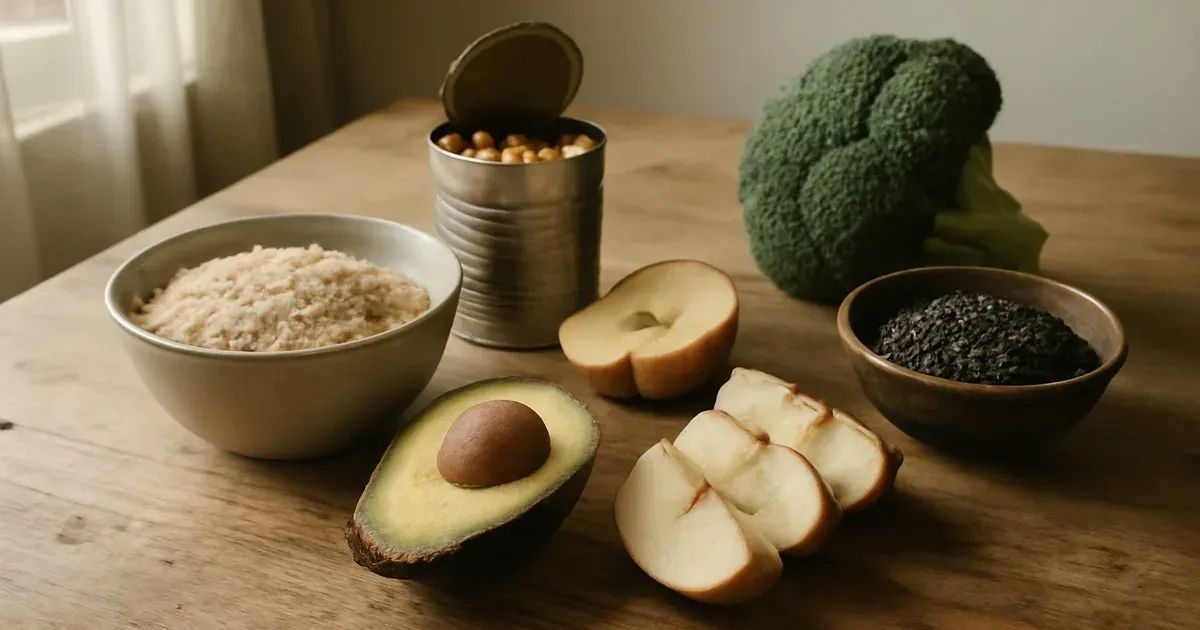
You have downloaded the apps, bought the protein shakes, and swapped your lunchtime sandwich for a chicken breast. Yet something still feels off — bloating, sluggish digestion, low energy, or a mood that is harder to lift than it should be. Sound familiar?
The high-protein trend has dominated UK health culture for years. Gym culture, diet influencers, and even some GP waiting-room leaflets have nudged us towards eating more protein. But a growing body of evidence — and some refreshingly plain-speaking clinicians — suggests we have been looking in the wrong direction. The real gap in the British diet is not protein. It is fibre. And closing that gap could be one of the most powerful things you do for your gut health, your microbiome, and your overall wellbeing.
This guide shows you exactly how to shift the balance — without giving up foods you love or overhauling your entire routine overnight.
Why the Fibre Gap Happens in the First Place
Ultra-processed foods have quietly crowded out fibre-rich whole foods from the British diet. A 2019 analysis found that ultra-processed foods account for over 50% of energy intake in the UK — and almost all of them are fibre-stripped.
The protein craze has made things worse. When people fill their plates with meat, eggs, and protein supplements, there is simply less room — and less appetite — for vegetables, legumes, and wholegrains. The result is a diet that may hit 80–100 g of protein a day while delivering as little as 12–15 g of fibre.
Most adults in the UK do not realise they are fibre-deficient because the symptoms — fatigue, irregular digestion, low mood — are easy to attribute to stress or poor sleep. According to research published in the American Journal of Lifestyle Medicine, only around 5% of the population meets fibre recommendations — a public health concern that remains underreported in the UK.
- The UK Eatwell Guide recommends 30 g of fibre per day for adults
- Most UK adults consume closer to 17–18 g — well below the target
- Women are advised to aim for approximately 25 g; men closer to 30–35 g
- Fibre intake has declined alongside the rise of convenience and processed foods
- Low fibre is directly linked to poor microbiome diversity, higher cholesterol, and increased disease risk
Step 1: Audit Your Current Protein-to-Fibre Balance
Before you change anything, you need to know where you actually stand. Most people significantly overestimate their fibre intake and underestimate their protein consumption — because healthy eating messaging has hammered protein for so long.
Spend three days tracking what you eat using a free tool such as MyFitnessPal or Cronometer. You are not counting calories — you are looking at two numbers only: grams of protein and grams of fibre. Be honest and include snacks, drinks, and sauces.
What you are likely to find is that your protein intake sits comfortably above 50–60 g per day (the NHS recommends roughly 45–55 g for most adults, depending on body weight), while your fibre sits stubbornly below 20 g. This is the imbalance that quietly undermines gut health, disrupts your microbiome, and — through the gut-brain axis — can affect your mood and mental clarity.
Pro tip: Pay attention to the source of your protein. If most of it comes from red meat, processed meat, or dairy, you are also loading up on saturated fat and cholesterol with very little fibre benefit. Plant-based proteins — beans, lentils, chickpeas, tofu, quinoa — deliver protein and fibre in the same mouthful.
Your target: 30 g of fibre per day (UK Eatwell Guide). Protein needs for the average woman are approximately 45–46 g per day; for the average man, approximately 55–56 g. Most UK adults already exceed this.

Step 2: Understand What Fibre Actually Does to Your Gut and Brain
Fibre is not just about keeping you regular. That is the outdated version of the story. The modern science — much of it emerging from UK-based research at King's College London, the British Gut Project (now part of ZOE), and the University of Reading — reveals that dietary fibre is the primary food source for the trillions of bacteria that make up your gut microbiome.
When you eat fibre, your gut bacteria ferment it and produce short-chain fatty acids (SCFAs) — particularly butyrate, propionate, and acetate. These compounds do remarkable things. They strengthen the gut lining, reduce systemic inflammation, regulate blood sugar, and communicate directly with the brain via the vagus nerve. This is the gut-brain connection in action: what you eat today shapes how you think and feel tomorrow.
Conversely, when fibre is chronically low, the microbiome loses diversity, the gut lining weakens, and inflammatory signals rise. Research links low fibre intake to increased risk of cardiovascular disease, type 2 diabetes, colorectal cancer, and — increasingly — conditions like anxiety and depression. Improving fibre intake is, in many ways, one of the most direct ways to improve gut health naturally in the UK population.
What adequate fibre does for your body:
- Feeds beneficial gut bacteria, increasing microbiome diversity
- Produces SCFAs that support the gut-brain axis
- Lowers LDL cholesterol and systolic blood pressure
- Stabilises blood glucose and improves insulin sensitivity
- Reduces risk of colorectal cancer, heart disease, and type 2 diabetes
- Supports healthy, regular bowel movements

Step 3: Make Practical Swaps That Boost Fibre Without Overhauling Your Diet
The most sustainable way to increase your fibre intake is through substitution, not addition. You do not need to eat more food overall — you need to swap lower-fibre options for higher-fibre ones at each meal.
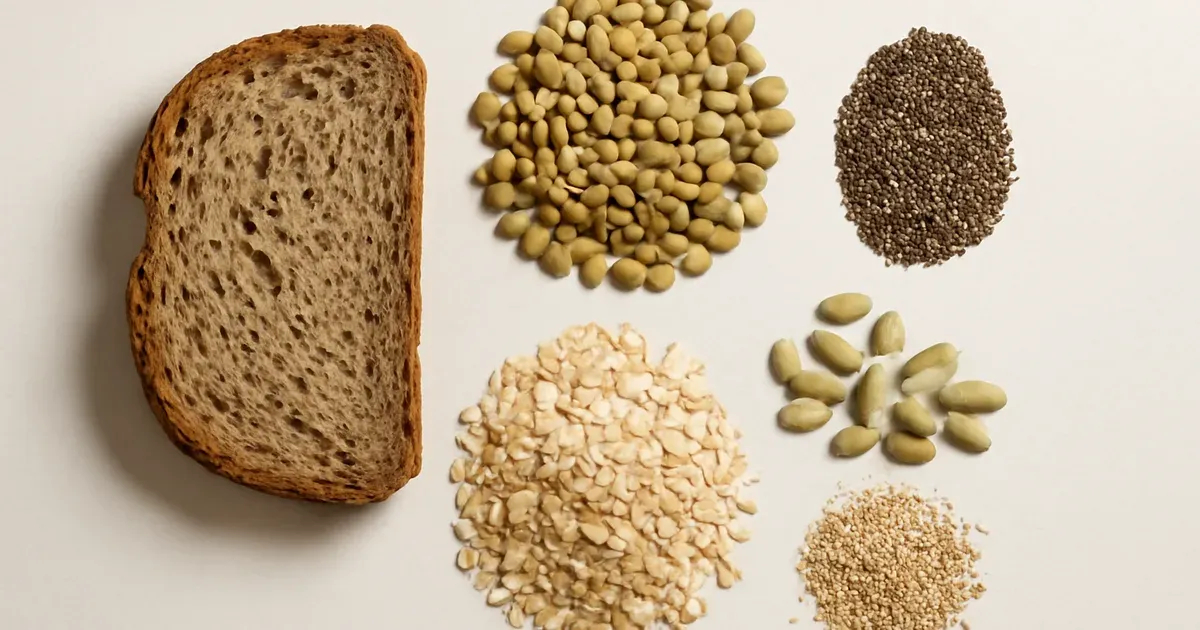
Start with grains. White bread, white rice, and regular pasta offer minimal fibre. Switching to wholegrain versions of each — wholemeal bread, brown rice, wholegrain pasta — can add 6–10 g of fibre to your day without any meaningful change to your routine. At breakfast, porridge made from rolled oats is one of the most fibre-dense, gut-friendly choices available, and it is widely available and affordable across the UK.
Add legumes to at least two meals per week to begin with. A tin of lentils, black beans, or chickpeas costs under £1 in most UK supermarkets and delivers 7–9 g of fibre per serving. Add them to soups, stews, curries, or salads. They also provide plant-based protein — meaning you can gently reduce your reliance on animal proteins whilst maintaining adequate intake.
High-fibre swap cheat sheet:
- White toast → Wholemeal or seeded bread
- Fruit juice → Whole fruit (especially raspberries, pears, or apples with skin)
- White rice → Brown rice or quinoa
- Crisps or biscuits → A small handful of almonds, pumpkin seeds, or sunflower seeds
- Plain yoghurt as a snack → Yoghurt with chia seeds and berries
- Meat-only pasta sauce → Sauce with lentils or mixed beans
Pro tip: Eat fruit with the skin on wherever safe to do so. An apple with skin provides nearly twice the fibre of a peeled one. Potatoes eaten with their skins are also a surprisingly good fibre source — and a staple of the British diet.
Step 4: Increase Fibre Slowly to Avoid Discomfort
One of the biggest mistakes people make when improving their diet is going too fast. If you currently eat 15 g of fibre a day and suddenly push to 30 g over a weekend, your gut will protest — loudly. Bloating, gas, and cramping are the body's way of saying: "I am not ready for this yet."
Your gut microbiome needs time to adapt. As you introduce more fibre, the populations of fibre-fermenting bacteria need to grow. This fermentation process — which produces those beneficial SCFAs — does generate some gas initially. That is not a sign something is wrong; it is a sign your microbiome is waking up.
A safe, effective approach is to add one to two servings of high-fibre food per day each week. So in week one, you might add a portion of beans to your lunch. In week two, you swap white bread for wholemeal. In week three, you add oats at breakfast. By week six, you may find yourself comfortably at or near the 30 g target — and your gut will have had time to adjust at each stage.
Hydration matters enormously here. Fibre absorbs water in the digestive tract. If you increase fibre without increasing your fluid intake, you risk constipation rather than relieving it. Aim for 6–8 glasses of water per day, as recommended by the NHS.
Remember: Slow progress is permanent progress. Gut microbiome changes take weeks, not days — but they are measurable, meaningful, and long-lasting.

Step 5: Prioritise Plant-Based Protein Sources to Get Both Nutrients at Once
The most elegant solution to the protein-fibre imbalance is not to chase both nutrients separately — it is to eat foods that contain both naturally. Plant-based protein sources do exactly this, and yet they remain underused in the British diet.
Beans, lentils, chickpeas, edamame, tofu, and quinoa all provide meaningful amounts of protein alongside substantial fibre. A 200 g serving of cooked lentils, for example, delivers approximately 18 g of protein and 8 g of fibre. A portion of chickpeas provides around 15 g of protein and 7 g of fibre. Compare that to a chicken breast — roughly 31 g of protein and zero fibre.
This does not mean you need to go fully plant-based — the evidence does not demand that, and the British Dietetic Association (BDA) supports a range of healthy eating patterns. But shifting even two or three meals per week towards plant-based protein sources can meaningfully boost your fibre intake, support your microbiome UK gut health goals, and reduce your intake of saturated fat.
Best dual-purpose protein and fibre foods:
- Lentils — 18 g protein, 8 g fibre per 200 g cooked
- Chickpeas — 15 g protein, 7 g fibre per 200 g cooked
- Black beans — 15 g protein, 8 g fibre per 200 g cooked
- Edamame — 17 g protein, 6 g fibre per 200 g
- Quinoa — 8 g protein, 5 g fibre per 185 g cooked
- Tofu (firm) — 17 g protein, 1–2 g fibre per 150 g
- Split peas — 16 g protein, 8 g fibre per 200 g cooked
What to Expect: A Week-by-Week Timeline
Week 1–2: You may notice some increased bloating or gas as your microbiome begins adapting. This is normal and temporary. Bowel movements may become more regular.
Week 3–4: Bloating should subside. Many people notice improved energy levels and more consistent digestion. Early shifts in gut microbiome composition are beginning — research from King's College London suggests measurable microbiome changes within two weeks of dietary fibre increases.
Week 5–6: Gut comfort improves significantly for most people. You may notice reduced cravings for high-sugar foods (SCFAs help regulate appetite hormones). Mood stability can also begin to improve — the gut-brain connection is responsive to microbiome changes within this timeframe.
Week 7–12: With consistent intake at or near 30 g of fibre per day, longer-term benefits begin to accumulate: lower LDL cholesterol, improved insulin sensitivity, reduced systemic inflammation. The British Gut Project data from ZOE's research indicates that diversity of plant food consumption — ideally 30 different plant foods per week — is one of the strongest predictors of a healthy microbiome in the UK.

Mistakes That Slow Your Progress
- Increasing fibre too quickly. Adding 15 g of fibre in one day will cause discomfort and may put you off entirely. Gradual is better.
- Relying on fibre supplements instead of whole foods. Psyllium husk and inulin powders have a role, but they cannot replicate the diversity of prebiotic fibres found in whole plant foods.
- Forgetting to drink more water. Fibre without hydration can cause constipation — the opposite of what you want.
- Assuming all protein sources are equal. A beef burger and a lentil dahl both contain protein, but their effects on your gut microbiome are entirely different.
- Expecting overnight results. The gut microbiome is responsive but not instant. Give it six to twelve weeks before judging whether the changes are working.
- Ignoring the gut-brain connection. If you are making dietary changes primarily for digestive reasons, you may be surprised — and motivated — to notice mood and cognitive benefits too. Track these alongside your physical symptoms.
What Can Help You Get There Faster
Tracking tools: A simple food diary — even a basic notes app — helps you stay aware of your fibre intake without obsessing over it. Apps like Cronometer display fibre content clearly and are free to use.
Diverse plant foods: Rather than eating the same high-fibre foods every day, rotate your choices. The British Gut Project and ZOE research consistently show that plant diversity — not just quantity — drives microbiome richness. Try to reach 30 different plant foods per week, counting herbs, spices, nuts, and seeds.
NHS resources and dietitian support: If you have IBS, IBD, or other diagnosed gut conditions, increasing fibre requires more personalised guidance. The NHS offers dietitian referrals through your GP, and the British Dietetic Association maintains a directory of registered dietitians who specialise in gut health in the UK.
Your Step-by-Step Summary
✅ Step 1: Track your protein and fibre intake for three days to identify your baseline gap ✅ Step 2: Understand how fibre feeds your microbiome and supports the gut-brain connection ✅ Step 3: Make practical, low-effort swaps — wholegrains, whole fruit, and legumes first ✅ Step 4: Increase fibre gradually — one to two new servings per week — to avoid discomfort ✅ Step 5: Shift two to three meals per week towards plant-based proteins that deliver both protein and fibre
Ready to Start? Here Is Your First Step
Improving gut health naturally does not require an expensive supplement regime or a complete dietary overhaul. It requires one small, consistent swap at a time — and the understanding that you are feeding not just yourself, but the 38 trillion microorganisms that influence your digestion, immunity, and mood.
The UK microbiome research coming out of King's College London, the British Gut Project, and the University of Reading is unambiguous: a fibre-rich, plant-diverse diet is the single most powerful dietary intervention for gut health. Start with one change this week. Your microbiome will notice.
You might also like
- Your Gut Microbiome & Psychedelic Therapy
- Gut Health UK: Your Biggest Questions Answered
- Children's Gut Health and Immunity: What Parents Should Know
Frequently Asked Questions
How much fibre do adults need per day in the UK?
The UK Eatwell Guide recommends 30 g of dietary fibre per day for adults. Most UK adults currently consume only 17–18 g — well short of the target. Women may aim for the lower end of clinical guidance (around 25 g), while men are advised closer to 30–35 g depending on body size and activity level.
Can eating more fibre really improve my mood and mental health?
Yes — through the gut-brain connection. When gut bacteria ferment dietary fibre, they produce short-chain fatty acids that communicate with the brain via the vagus nerve and influence the production of neurotransmitters including serotonin. Research from King's College London and the British Gut Project suggests that higher microbiome diversity — driven largely by fibre intake — is associated with better mental wellbeing.
Is it possible to eat too much fibre?
For most healthy adults, consuming up to 50 g of fibre per day through whole foods is well tolerated. Problems typically arise from increasing intake too quickly rather than from eating too much long-term. If you have a diagnosed gut condition such as IBS or IBD, speak to your GP or a registered dietitian before significantly increasing fibre, as individual tolerances vary.
Do I need to cut out protein to improve gut health?
No. The goal is not to eliminate protein but to rebalance your plate. Most UK adults already exceed their daily protein needs. Shifting some protein sources from animal-based (meat, dairy) to plant-based (lentils, chickpeas, tofu) naturally increases fibre intake without reducing protein adequacy. The British Dietetic Association supports this approach within a balanced, varied diet.
Which high-fibre foods are cheapest and most accessible in the UK?
Tinned pulses — lentils, chickpeas, black beans, kidney beans — are among the most affordable and widely available high-fibre foods in UK supermarkets, often costing under £1 per tin. Oats, frozen peas, carrots, potatoes (with skin), and seasonal fruit such as apples and pears are also excellent value. You do not need specialist health food shops to meet your fibre target.
96 Bacterial Strains. Two Shots a Day.
GOODIE is an award-winning fermented drink with 96 live bacterial strains — more than any yogurt or kombucha — never pasteurised, clinically tested, and 8 in 10 users felt less bloating within 14 days. Curious?