How to Use Breathwork for Gut Health in 6 Steps
Learn how to use breathwork to improve gut health naturally in 6 expert steps, using the science of the gut-brain connection. UK-focused, NHS-aligned guidance.


Your gut is playing up — bloating, discomfort, unpredictable digestion — and you've already tried cutting out foods, logging symptoms, and Googling your way through every elimination diet known to the NHS. Nothing has quite stuck. What if one of the most powerful tools for improving your digestive health isn't in your kitchen at all, but in every breath you take?
Breathwork for gut health is not a wellness trend dressed up in pseudoscience. The gut-brain connection is one of the most actively researched areas in UK microbiome science right now, and the evidence is pointing somewhere surprisingly simple: how you breathe directly influences how your gut behaves. This guide walks you through exactly how to use breathwork to support your digestion — in six clear, practisable steps.
Why Gut Problems and Stress Are More Connected Than You Think
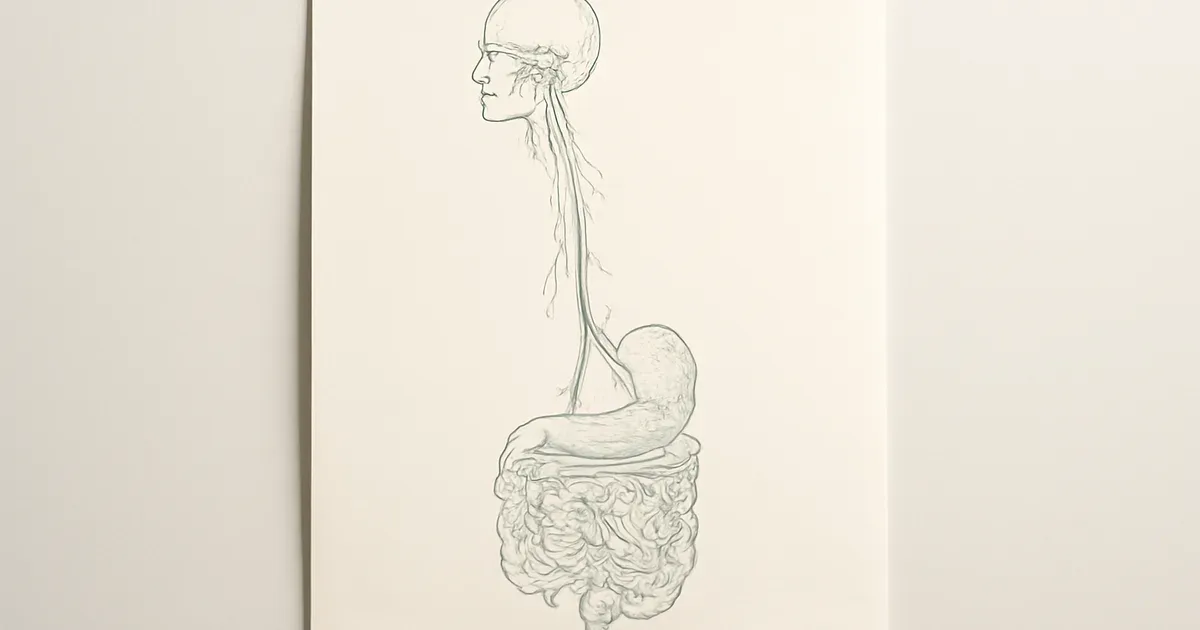
The gut-brain axis is a two-way communication highway. Your enteric nervous system — sometimes called the "second brain" — contains over 100 million nerve cells lining the gastrointestinal tract. It communicates constantly with your brain via the vagus nerve, meaning your emotional state and your digestive function are deeply intertwined.
When you're stressed, your body activates the sympathetic nervous system — the so-called "fight or flight" response. Digestion slows, gut motility changes, and the gut microbiome itself can shift in composition. Research from King's College London and the British Gut Project has highlighted how psychological stress is a meaningful driver of gut symptoms in the UK population, independent of diet alone.
The missing link for many people is the breath. Breathing is the one autonomic function you can consciously control, which makes it a direct lever on your nervous system. Slow, diaphragmatic breathing activates the parasympathetic nervous system — "rest and digest" mode — which is exactly the physiological state your gut needs to function well. Understanding this is the foundation for everything that follows.
- Chronic shallow breathing keeps the body in a low-grade stress state
- Stress hormones like cortisol alter gut permeability and motility
- The vagus nerve is activated by slow, deep breathing — stimulating digestive function
- UK microbiome research increasingly links psychological wellbeing to gut microbiota diversity
- Breathwork offers a drug-free, accessible way to influence this system
Step 1: Understand How and Why You Breathe
Before you can change your breathing, you need to understand what it's actually doing. Most of us breathe between 12 and 20 times per minute at rest. When that rate creeps upward — through anxiety, poor posture, or habit — the body receives a continuous low-level stress signal.
Gastroenterologist Dr Rabia Lalani explains that breathing exercises can fundamentally change the way we think, feel, and behave — and that these changes cascade directly into gut function. The science behind this lies in the vagus nerve and the autonomic nervous system. Every breath is, in effect, a message sent to your brain and your gut simultaneously.
Start by simply observing your breath for two minutes without trying to change it. Notice whether you're breathing from your chest or your belly, whether your exhale is shorter than your inhale, and whether you hold your breath during moments of concentration. This baseline awareness is not optional — it's the first clinical step gastroenterologists recommend before introducing any breathwork technique.
Pro tip: Set a reminder on your phone twice a day to check in with your breath. Even this act of awareness begins to shift the nervous system toward calm.
Step 2: Learn What Breathwork Actually Is
Breathwork is not meditation, though the two complement each other. It refers specifically to conscious, intentional control of the breathing pattern — its rate, depth, and rhythm — with a therapeutic aim. Unlike passive relaxation, breathwork is an active intervention with measurable physiological effects.
Dr Lalani highlights that breathing techniques can change the way we respond to stress and even alter how we feel pain. This is clinically significant for people with gut conditions such as IBS, which affects an estimated 10–20% of the UK population according to NHS figures. Pain perception and gut sensitivity are both modulated by the autonomic nervous system — the same system breathwork directly targets.
Breathwork encompasses a range of techniques: box breathing, 4-7-8 breathing, coherence breathing, and diaphragmatic breathing are among the most evidence-supported. For gut health specifically, slow diaphragmatic breathing has the strongest research base. It is non-invasive, costs nothing, and can be practised anywhere — making it particularly relevant as a complementary approach within NHS gut health pathways.
Pro tip: Don't conflate breathwork with simply "taking a deep breath." The technique, duration, and consistency are what create lasting physiological change.

Step 3: Learn to Consciously Influence Your Breathing
The remarkable thing about breathing is that it bridges voluntary and involuntary control. Unlike your heart rate or gut motility, you can consciously decide to slow your breathing down — and in doing so, you indirectly regulate the systems you cannot directly command.
Dr Lalani explains how this works in practice: even when you are feeling anxious, you can consciously slow and deepen your breathing. The act of extending the exhale in particular activates the parasympathetic nervous system more powerfully than the inhale does. A longer exhale signals safety to the nervous system, reducing cortisol output and lowering heart rate variability in a way that benefits gut motility.
Practise this technique: inhale for four counts, exhale for six. Do this for just five minutes. Research from the MRC and UK-based clinical trials supports the use of such techniques in functional gastrointestinal disorders. If you find it difficult at first — especially if anxiety is high — starting with just a slightly longer exhale than inhale is sufficient. Progress gradually rather than forcing an uncomfortable pattern.
- Inhale through the nose for 4 counts
- Pause briefly at the top (1–2 counts)
- Exhale slowly through the mouth for 6 counts
- Repeat for 5–10 minutes daily
Pro tip: The gut-brain connection means that even mild, consistent breathwork practice can begin to reduce gut hypersensitivity over weeks — don't expect instant results, but do expect a cumulative shift.
For structured support with techniques like these, resources developed by gastroenterologists and gut health specialists — such as those available at gutbrain.news — can provide guided frameworks that complement professional NHS advice.
Step 4: Connect Your Breathwork Practice Directly to Your Gut
This is where breathwork moves from general wellness into targeted gut health support. Slowing the rate of breathing and increasing its depth creates a direct parasympathetic response — the physiological state in which digestion, gut motility, and gut microbiome diversity all function optimally.
The gut-brain connection means that when the vagus nerve is activated through slow breathing, it sends pro-digestive signals throughout the gastrointestinal tract. Gut contractions normalise, gastric acid secretion becomes better regulated, and the enteric nervous system calms. For people with IBS, functional dyspepsia, or stress-related gut symptoms, this is not a small thing — it is addressing one of the root mechanisms.
UK microbiome research, including work from the University of Reading and King's College London, increasingly shows that the composition of the gut microbiota is sensitive to stress hormones and autonomic nervous system tone. A calmer nervous system — cultivated through consistent breathwork — creates a more favourable environment for beneficial bacteria to thrive. Improving gut health naturally, then, is not only about what you eat. It's also about the physiological state in which you digest.

Step 5: Master the Slow Diaphragmatic Breathing Technique
Diaphragmatic breathing — also called belly breathing or abdominal breathing — is the cornerstone technique for gut health. Unlike shallow chest breathing, diaphragmatic breathing physically massages the abdominal organs with each breath, stimulates the vagus nerve, and creates the sustained parasympathetic activation your gut needs.
Here is how to practise it correctly, following Dr Lalani's guidance:
- Sit upright or lie down comfortably. Place one hand on your chest and one on your belly.
- Inhale slowly through the nose for 4 counts — your belly should rise, your chest should stay relatively still.
- Pause for 1–2 counts at the top of the inhale.
- Exhale slowly through pursed lips or an open mouth for 6–8 counts — feel your belly fall.
- Repeat for a minimum of 5 minutes. Work up to 10–15 minutes for full therapeutic benefit.
Consistency matters more than duration. Five minutes daily, every day, will produce more meaningful change in gut symptoms than a 20-minute session once a week. The British Dietetic Association supports mind-body approaches as part of a holistic strategy for managing functional gut disorders — diaphragmatic breathing is one of the most accessible entry points.
Pro tip: Practise before meals to prime the "rest and digest" state, or immediately after experiencing a stressful event to prevent the gut from receiving a prolonged stress signal.
Step 6: Put It All Together With a Full Breathwork Exercise
The final step is integration — bringing everything you've learnt into a complete, uninterrupted practice. Dr Lalani frames this beautifully: think of your breathing as information and opportunity. What is your breathing telling you about how you're doing today? And what opportunity does this present to shift your state?
Find a quiet, comfortable place where you won't be interrupted. This is important — even five minutes of genuine, undistracted breathwork is significantly more effective than 15 minutes of half-hearted practice with distractions. Turn your phone to silent. Sit or lie in a position that allows your diaphragm to move freely.
Begin with two minutes of simple observation — no changes, just noticing. Then move into your diaphragmatic breathing pattern (4 in, pause, 6–8 out) for five to ten minutes. As you practise, acknowledge any gut sensations, tension, or discomfort without judgement — the gut-brain axis means that emotional processing during breathwork can directly release held tension in the gastrointestinal tract. Close with two minutes of natural breathing, noticing any shift from where you started.
Pro tip: Journalling for two to three minutes immediately after your practice — noting gut symptoms, mood, and any observations — helps you track your progress and builds self-awareness of your personal gut-brain connection.

What to Expect: A Week-by-Week Timeline
Week 1–2: Awareness phase. You may notice how shallow or rapid your default breathing pattern is. Some people notice a mild sense of calm after each session — this is the parasympathetic response beginning to activate.
Week 3–4: Regulation phase. With daily practice, the nervous system begins to shift its baseline. Many people report reduced bloating, improved bowel regularity, and lower gut sensitivity. Sleep quality often improves simultaneously, which further supports gut health.
Week 5–8: Integration phase. Breathwork becomes a reflex tool — something you reach for automatically when you feel gut symptoms building or stress rising. The gut-brain connection begins to work in your favour rather than against you. UK clinical studies on mind-body approaches for IBS typically show measurable symptom improvement within six to eight weeks.
Beyond 8 weeks: Long-term microbiome benefits. Sustained reduction in stress hormone exposure creates a more stable gut environment, supporting microbiome diversity — a key marker of gut health UK researchers consistently associate with overall wellbeing.
Mistakes That Slow Your Progress
- Breathing too forcefully or too fast. The goal is slow and gentle — forcing the breath creates tension rather than release.
- Only practising when symptoms are bad. Breathwork works best as a daily preventative practice, not just a crisis response.
- Expecting overnight results. The gut-brain connection responds to consistent signals over time. Two to three weeks of daily practice is the minimum before meaningful change becomes apparent.
- Neglecting the exhale. Most people focus on the inhale. The extended exhale is where the majority of parasympathetic activation occurs — don't rush it.
- Practising in distracting environments. Even well-intentioned breathwork is less effective when the nervous system is receiving competing stress signals from noise, screens, or interruptions.
What Can Help You Get There Faster
Guided video series from gastroenterologists. Self-directed learning is valuable, but having a specialist like Dr Rabia Lalani walk you through each stage — from the science of breathing to hands-on exercises — significantly improves technique and adherence. Video-based programmes allow you to revisit specific steps when needed.
Gut-brain focused resources and communities. Connecting with evidence-based platforms focused on the gut-brain connection and microbiome UK research keeps you informed and motivated. Knowing the science behind what you're doing makes it easier to trust the process on difficult days.
Complementary dietary support. Breathwork and diet are not in competition — they are complementary pillars of gut health. The UK Eatwell Guide recommends 30g of fibre daily; prebiotic fibre in particular feeds the beneficial bacteria that a calmer nervous system helps to cultivate. The British Nutrition Foundation has published accessible guidance on fibre intake that pairs well with a breathwork practice.
✅ Your Breathwork for Gut Health — Quick Recap
- ✔ Understand the science: breathing directly influences the gut-brain axis
- ✔ Learn what breathwork is and how it differs from passive relaxation
- ✔ Practise consciously influencing your breath — especially lengthening the exhale
- ✔ Connect breathwork explicitly to your digestive health and gut-brain connection
- ✔ Master slow diaphragmatic breathing with the 4-in, 6-8-out technique
- ✔ Integrate a full, uninterrupted daily breathwork exercise — treat your breath as information
You don't need equipment, a prescription, or a gym membership to start improving your gut health naturally through breathwork. You need a quiet corner, five minutes, and the willingness to pay attention to something you've been doing your whole life — just not quite like this.
The gut-brain connection is real, it is well-supported by UK and international research, and it is responsive to the kind of gentle, consistent care that breathwork provides. Start with Step 1 today. Your gut is listening.
You might also like
- How to Improve Gut Health Naturally in 6 Steps
- Gut Health UK: Eat Your Way to a Happier Gut
- At-Home Gut Test Kits: What UK Users Should Know
Frequently Asked Questions
How quickly can breathwork improve gut health symptoms?
Most people notice a mild improvement in gut symptoms within two to four weeks of daily breathwork practice. Clinical studies on mind-body approaches for functional gut disorders — including those conducted within UK NHS and research settings — typically show measurable changes within six to eight weeks. Consistency matters far more than session length.
Is breathwork safe if I have IBS or a diagnosed gut condition?
Yes — diaphragmatic breathwork is considered safe and is recommended as a complementary approach for functional gut conditions including IBS by practitioners and bodies such as the British Dietetic Association. It is non-invasive and drug-free. However, always discuss any new health practice with your GP or gastroenterologist, particularly if your condition is being managed under NHS care.
How often should I practise breathwork for gut health benefits?
Daily practice is ideal — even five minutes counts. The gut-brain connection responds to consistent, repeated signals. Sporadic long sessions are less effective than short daily practice. Many gastroenterologists recommend building breathwork into a pre-meal or morning routine to maximise its impact on digestive function throughout the day.
Can breathwork replace other gut health interventions like diet changes?
No — breathwork is a complement to, not a replacement for, dietary and lifestyle changes. The most effective approach to gut health in the UK combines adequate dietary fibre (as recommended by the UK Eatwell Guide), regular physical activity, good sleep, and stress-management tools like breathwork. Think of breathwork as addressing the nervous system dimension of gut health that diet alone cannot reach.
What is the vagus nerve and why does it matter for my gut?
The vagus nerve is the primary communication channel of the gut-brain axis. It runs from the brainstem down through the chest and into the abdomen, directly connecting the brain to the gut. Slow, diaphragmatic breathing stimulates vagal tone — effectively "turning up" the rest-and-digest parasympathetic response. Higher vagal tone is associated with better gut motility, reduced gut sensitivity, and a healthier gut microbiome, according to UK and international research.
96 Bacterial Strains. Two Shots a Day.
GOODIE is an award-winning fermented drink with 96 live bacterial strains — more than any yogurt or kombucha — never pasteurised, clinically tested, and 8 in 10 users felt less bloating within 14 days. Curious?