Japanese Superfoods Linked to Gut Health and Longevity
Japanese fermented foods like natto and miso are linked to longevity and gut health, with implications for UK microbiome research and healthy ageing.

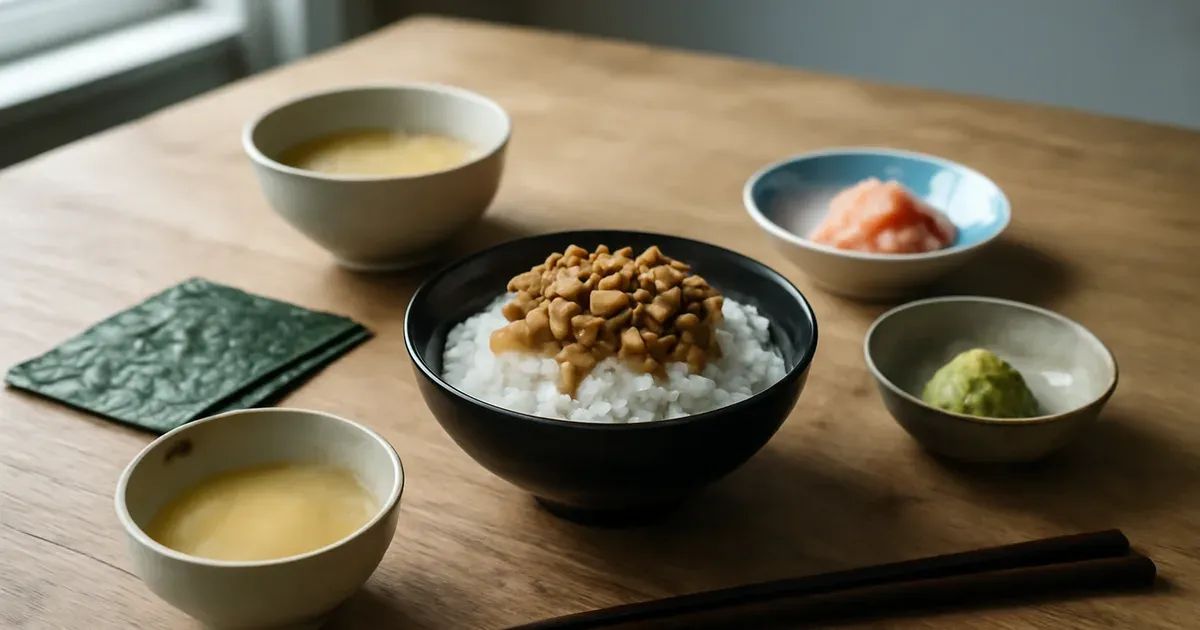
Centuries-old Japanese dietary staples — including natto, miso, and seaweed — are being linked to healthy ageing and longevity, according to a report published by the Times of India on 12 May 2026. These fermented and mineral-rich foods are said to support gut health, bone density, and metabolic function, offering insights that researchers and nutritionists in the UK and beyond are increasingly paying attention to as interest in microbiome science grows.
Why This Matters for Gut Health in the UK
Interest in gut health UK-wide has surged in recent years, driven by landmark research from institutions such as King's College London and the British Gut Project, which have highlighted how diet directly shapes the microbiome. Per the Times of India report, the traditional Japanese diet — characterised by fermented foods, anti-inflammatory spices, and nutrient-dense sea vegetables — maps closely onto dietary principles now recommended by gut microbiome researchers. Fermented foods such as natto and miso contain live probiotic cultures shown to increase microbial diversity, a key marker of a healthy gut.
Traditional Japanese Foods and the Gut-Brain Connection
According to the Times of India, consistent consumption of anti-inflammatory ingredients including wasabi and ginger forms part of the Japanese longevity diet. These compounds are of particular interest to gut-brain researchers, as chronic gut inflammation is increasingly understood to disrupt the gut-brain axis — the bidirectional communication network linking intestinal microbiota with brain function and mood. Scientists report that probiotic-rich fermented foods may help modulate this pathway, reducing systemic inflammation and supporting cognitive resilience over time.
What This Means for UK Readers Interested in the Microbiome
For health-conscious adults in the UK looking to improve gut health naturally, the findings reinforce guidance from the British Dietetic Association, which recommends increasing consumption of fermented foods and dietary fibre. Miso, widely available in UK supermarkets, and dried seaweed, sold in many health food stores, offer accessible entry points. Incorporating these foods alongside a fibre-rich British diet may support both gut microbiome diversity and long-term metabolic health, per the report's broader implications.
The Japanese diet's centuries of real-world evidence, now being examined through the lens of modern microbiome UK research, underscores a growing consensus: what is good for the gut may be fundamental to healthy ageing. As UK researchers continue to investigate the gut-brain connection, traditional food wisdom from Japan offers a compelling and practical reference point.
You might also like
- How to Boost Natural GLP-1 for Gut Health (No Drugs)
- Gut & Hormone Health Added to Employee Benefits
- Gut Health UK: How Your Microbiome Protects Your Heart
96 Bacterial Strains. Two Shots a Day.
GOODIE is an award-winning fermented drink with 96 live bacterial strains — more than any yogurt or kombucha — never pasteurised, clinically tested, and 8 in 10 users felt less bloating within 14 days. Curious?