Kimchi Bacterium May Help Gut Expel Nanoplastics
South Korean scientists find a kimchi bacterium that binds to nanoplastics in the gut and helps expel them — new hope for microbiome health.

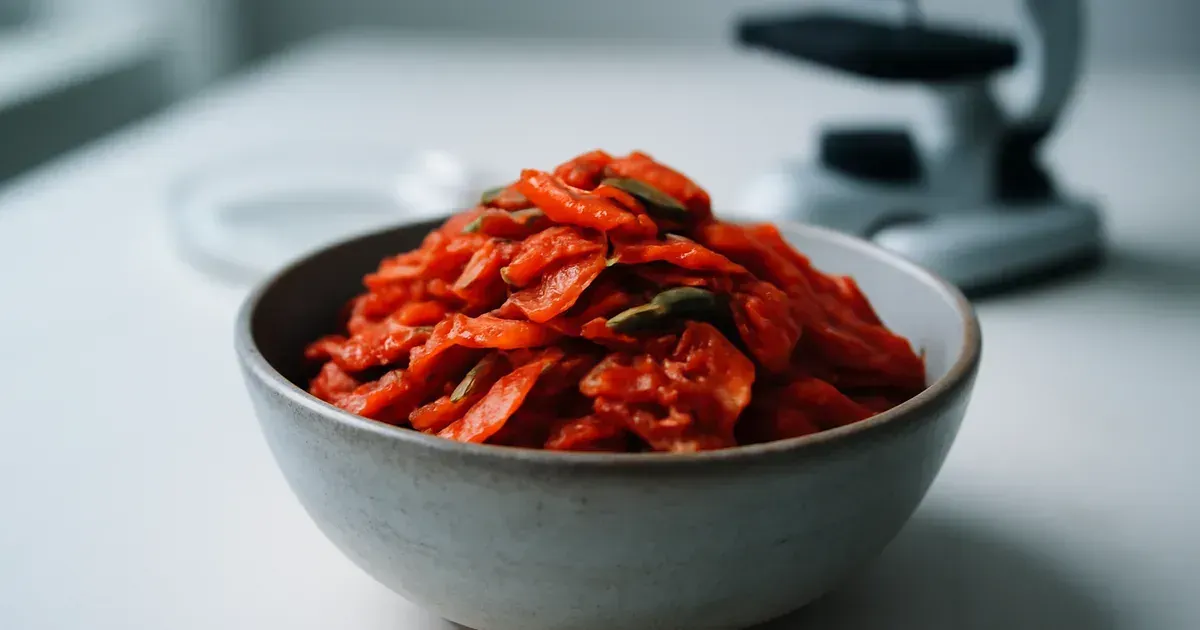
Scientists in South Korea have identified a bacterium found in kimchi that may help the human gut bind to and expel nanoplastic particles, according to research reported by The Times of India. The finding is significant at a time when tiny plastic particles are routinely detected in food and drinking water worldwide — including in the UK — raising urgent questions about long-term effects on human gut health and the wider microbiome.
Why This Matters for Gut Health
Nanoplastics — plastic fragments so small they are invisible to the naked eye — have been detected in human blood, lung tissue, and the digestive tract. In the UK, concerns about microplastic exposure have grown steadily, with researchers at institutions including Imperial College London and the University of Edinburgh investigating how these particles interact with human biology. The gut microbiome, a community of trillions of bacteria lining the intestinal wall, is considered particularly vulnerable, as disruption to its balance has been linked to inflammation, metabolic conditions, and even mental health via the gut-brain connection.
What the Kimchi Research Found
The study found that a specific bacterium present in kimchi — the traditional Korean fermented vegetable dish — is capable of attaching itself to nanoplastic particles inside the intestine. Once bound to the plastic, the bacterium assists the body in moving those particles through the digestive system and out via waste, according to researchers cited by The Times of India. This mechanism of microbial binding and excretion represents a potentially novel biological pathway for reducing the accumulation of nanoplastics in gut tissue. Scientists report that the discovery opens new avenues for understanding how fermented foods may actively support microbiome resilience.
What This Means for UK Readers
For health-conscious adults in the UK looking to improve gut health naturally, the research adds to a growing body of evidence supporting fermented foods as a meaningful dietary choice. Kimchi is widely available in UK supermarkets and is already recognised by the British Dietetic Association as a source of beneficial live cultures. While scientists caution that more human trials are needed before firm clinical recommendations can be made, incorporating fermented foods into a varied, fibre-rich diet — as encouraged by the UK Eatwell Guide — remains a broadly supported strategy for maintaining a healthy gut microbiome.
This latest finding from South Korea underscores how microbiome UK research and international science are converging on the gut as a frontline defence against modern environmental threats. As nanoplastic contamination becomes an unavoidable feature of contemporary life, understanding which foods and bacteria can mitigate harm is an increasingly pressing public health question — one that fermented foods like kimchi may help answer.
You might also like
- Microbiotica MB097 Shows Promise in Melanoma Trial
- Kimchi Bacteria May Help Flush Nanoplastics from the Gut
- At-Home Gut Test Kits: What UK Users Should Know
96 Bacterial Strains. Two Shots a Day.
GOODIE is an award-winning fermented drink with 96 live bacterial strains — more than any yogurt or kombucha — never pasteurised, clinically tested, and 8 in 10 users felt less bloating within 14 days. Curious?