Kimchi Bacteria May Help Flush Nanoplastics from the Gut
South Korean scientists find a kimchi-derived probiotic bacterium may bind to nanoplastics in the gut and help expel them, with implications for gut health rese

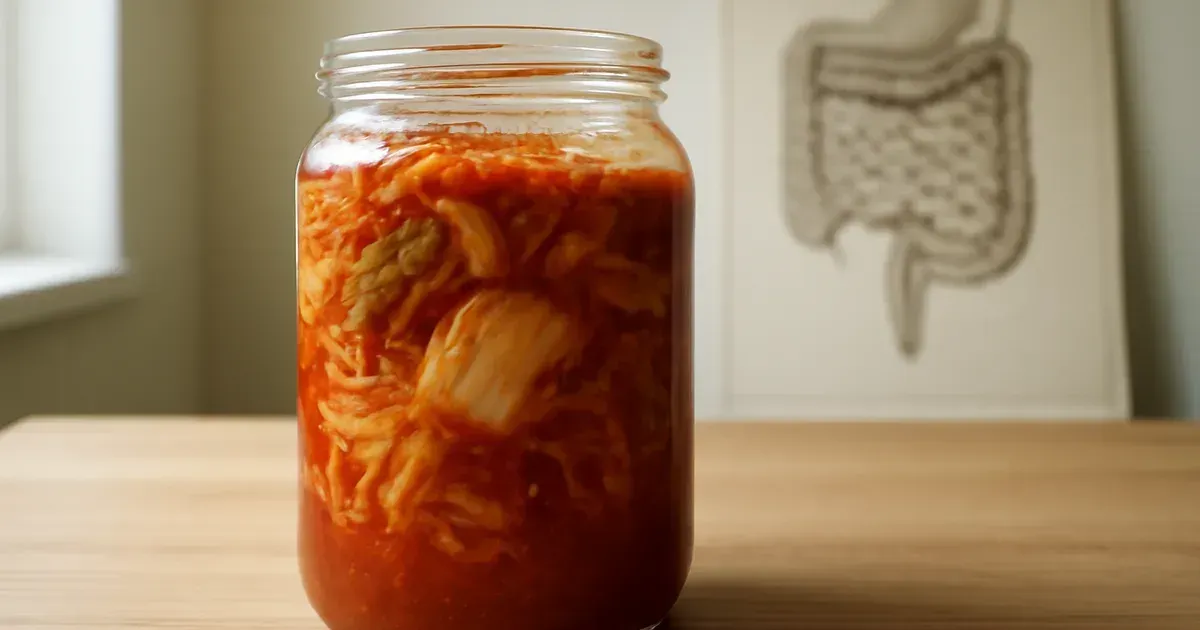
A probiotic bacterium found in kimchi may help the body remove nanoplastics from the gut by binding to the tiny particles and expelling them through waste, according to scientists in South Korea. The research, published in May 2026, identifies a food-derived lactic acid bacterium as a potential tool in the growing effort to understand how the microbiome responds to plastic contamination — a concern with direct relevance for gut health UK-wide.
Why This Matters
Microplastic and nanoplastic contamination has become a pressing public health question, with researchers increasingly asking what happens once these particles enter the digestive system. For anyone focused on improving gut health naturally, the intestinal microbiome is already understood to play a central role in filtering and processing what we consume. UK microbiome research, including work from institutions such as King's College London and the British Gut Project, has highlighted how the trillions of microorganisms lining the gut influence everything from immunity to inflammation. The possibility that specific probiotic strains could intercept harmful particles adds a significant new dimension to that picture.
Bacterium Clings to Nanoplastics Under Digestive Conditions
In laboratory tests, the kimchi-derived microbe demonstrated a strong ability to bind to nanoplastics even under conditions designed to replicate the harsh environment of the human intestine, according to Science Daily's report on the findings. The bacterium was shown to adhere tightly to plastic particles, suggesting it could carry them out of the body before they accumulate in organs. A 2026 study in Bioresource Technology on efficient biosorption of nanoplastics by food-derived lactic acid bacteria underpins these findings. Researchers described the mechanism as "biosorption" — a process by which biological material captures and holds onto contaminants.
What This Means for Gut Health in the UK
While the research is at an early, lab-based stage and has not yet been tested in humans, it raises interesting questions for health-conscious adults in the UK who already consume fermented foods such as kimchi, kefir, or live-culture yoghurt. The gut-brain connection and broader microbiome science suggest that keeping the gut environment healthy may have protective effects well beyond digestion alone. The NHS does not yet offer guidance on nanoplastics and diet, but findings like these are likely to inform future UK dietary and gut health recommendations as the evidence base grows.
The study is a reminder that the microbiome UK researchers are mapping in ever-greater detail may hold defences against modern environmental threats that science is only beginning to uncover. As plastic contamination remains unavoidable in contemporary life, understanding how gut bacteria interact with these particles is a research priority that is gaining serious momentum.
You might also like
- At-Home Gut Test Kits: What UK Users Should Know
- 7 High-Fibre Foods That Also Boost Your Gut Health
- How to Improve Gut Health Naturally in 6 Steps
96 Bacterial Strains. Two Shots a Day.
GOODIE is an award-winning fermented drink with 96 live bacterial strains — more than any yogurt or kombucha — never pasteurised, clinically tested, and 8 in 10 users felt less bloating within 14 days. Curious?