Low FODMAP Snacks for IBS: Your Questions Answered
Your top questions about low FODMAP snacks answered — gut health UK tips, IBS-friendly ideas, and microbiome science explained simply.


Managing IBS with a low FODMAP diet can feel overwhelming — especially when hunger strikes between meals. What can you actually eat? Is all dairy off limits? Does snacking even matter for your gut microbiome? If you're a health-conscious adult in the UK trying to get to grips with the low FODMAP approach, this guide has you covered. Below you'll find clear, science-backed answers to the questions people ask most — plus practical snack ideas rooted in the latest gut health research.
Jump to Your Question
What is the low FODMAP diet and why does it help IBS?
What are the best quick low FODMAP snacks in the UK?
Can I eat dairy on a low FODMAP diet?
How do low FODMAP snacks affect the gut microbiome?
Can snacking help my gut-brain connection?
How do I make sure I get enough fibre on a low FODMAP diet?
What low FODMAP snack bars are available in the UK?
Are kiwi fruits good for IBS constipation?
What is the low FODMAP diet and why does it help IBS?
The low FODMAP diet is a structured eating plan designed to reduce fermentable carbohydrates that trigger digestive symptoms in people with irritable bowel syndrome (IBS). FODMAP stands for Fermentable Oligosaccharides, Disaccharides, Monosaccharides, and Polyols — short-chain carbohydrates that are poorly absorbed in the small intestine.
When these carbohydrates reach the large intestine undigested, gut bacteria ferment them rapidly, producing gas, bloating, cramping, and altered bowel habits. Research from King's College London, which pioneered FODMAP research in the UK, shows that around 75% of IBS sufferers experience significant symptom relief on the diet.
In the UK, the NHS recommends the low FODMAP diet as a second-line dietary intervention for IBS, typically overseen by a registered dietitian. The British Dietetic Association (BDA) also provides guidance on following the diet safely. The protocol involves three phases: elimination, reintroduction, and personalisation — so it is not meant to be followed indefinitely.
What are the best quick low FODMAP snacks in the UK?
The best low FODMAP snacks combine protein with carbohydrates to provide sustained energy and keep hunger at bay between meals. Pairing these two macronutrients is key — carbohydrates deliver quick energy, while protein slows digestion and keeps you feeling full.
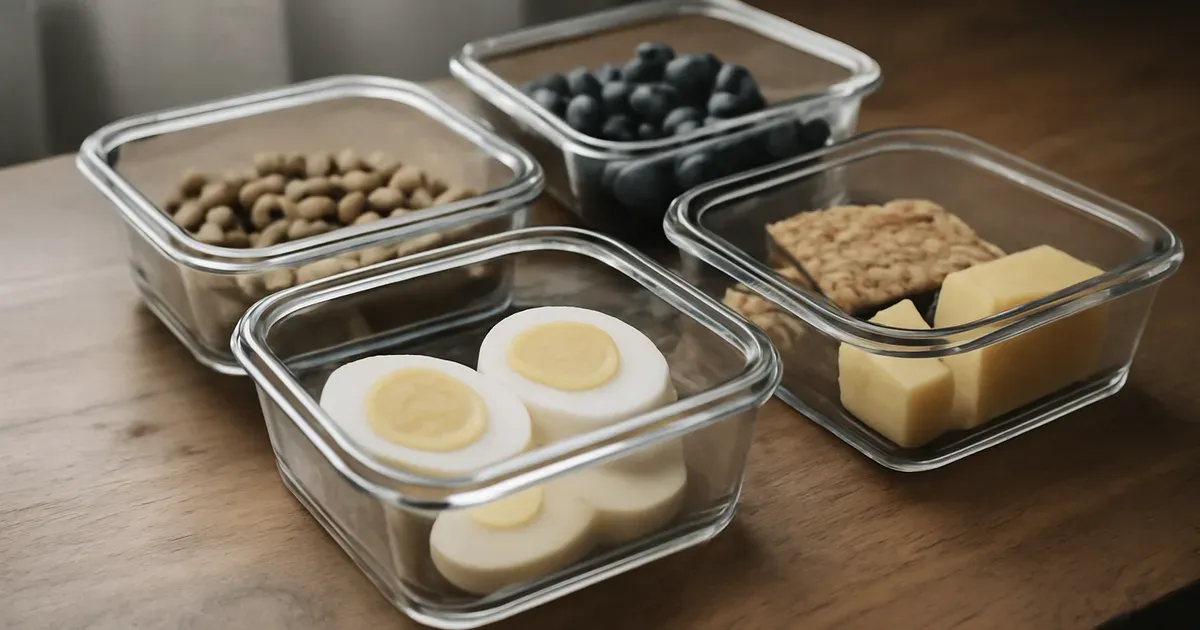
Here are some easy low FODMAP snack ideas suitable for UK adults:
- Lactose-free cottage cheese with blueberries, cinnamon, and chia seeds
- Hard cheese (cheddar, Brie, mozzarella, or Swiss) with gluten-free oat crackers
- Rice cakes topped with peanut butter and a third of a ripe banana
- Corn tortilla chips with a garlic- and onion-free salsa
- Hard-boiled eggs with a small handful of peanuts
- Canned tuna on seed-based crackers for a high-protein, high-fibre option
- Gluten-free pretzels with 2 tablespoons of cream cheese (low FODMAP at this portion)
Meal prep makes all the difference. Spend 20 minutes at the start of the week pre-cutting vegetables, portioning nuts into reusable containers, and packing snack bags — and you're far less likely to reach for a high FODMAP convenience food when hunger strikes.
Can I eat dairy on a low FODMAP diet?
Most dairy foods are not automatically off limits on the low FODMAP diet — the key culprit is lactose, the naturally occurring sugar in milk and many dairy products. Choosing lactose-free alternatives or naturally low-lactose dairy allows you to retain the nutritional benefits of dairy without triggering symptoms.
Lactose-free milk, lactose-free yogurt, and most hard cheeses (including cheddar, Parmesan, and Brie) are all considered low FODMAP. These foods provide calcium, protein, and vitamin B12 — nutrients that are essential for overall health and for maintaining the integrity of the gut lining.
Protein from dairy also supports digestive function by supplying the raw materials needed to produce digestive enzymes and hormones. The gut lining itself requires adequate protein intake to repair and renew — particularly relevant for IBS sufferers whose intestinal barrier may be compromised.
Lactose-free Greek yogurt makes an excellent snack base. Try stirring in a low FODMAP ranch-style seasoning or topping with kiwi fruit and chia seeds for added fibre and flavour.
Low FODMAP Dairy vs. High FODMAP Dairy: Quick Comparison
| Food | FODMAP Status | Notes |
|---|---|---|
| Lactose-free milk | Low FODMAP | Great protein and calcium source |
| Hard cheeses (cheddar, Brie) | Low FODMAP | Naturally very low in lactose |
| Regular cow's milk | High FODMAP | High lactose content |
| Cream cheese (2 tbsp) | Low FODMAP | Larger portions become high FODMAP |
| Regular soft cheese (large serving) | High FODMAP | Portion control is essential |
| Lactose-free Greek yogurt | Low FODMAP | Excellent snack base with protein |
How do low FODMAP snacks affect the gut microbiome?
The low FODMAP diet has a complex relationship with the gut microbiome — and it is an area of growing research interest in the UK. While the diet relieves symptoms effectively, some studies, including work from King's College London and the University of Reading, suggest that long-term FODMAP restriction may reduce the diversity of beneficial gut bacteria, particularly Bifidobacteria.
This is because FODMAPs, despite causing symptoms in IBS, also act as prebiotics — feeding beneficial microbes in the large intestine. The low FODMAP diet is therefore intended as a short-term elimination phase, not a permanent way of eating.
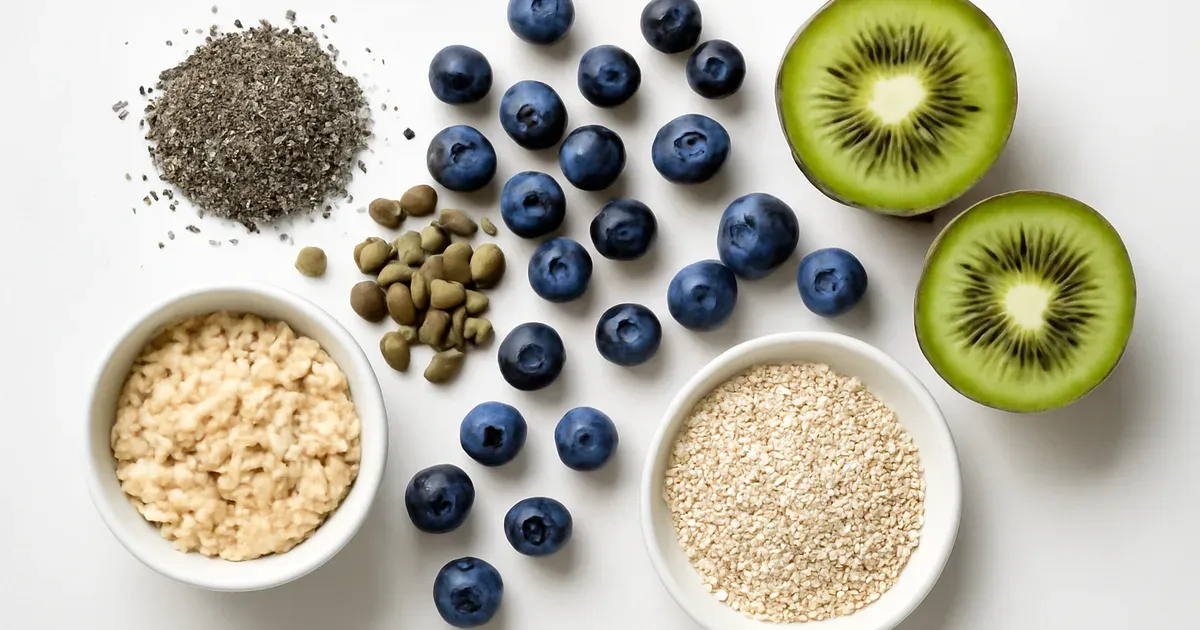
During the low FODMAP phase, choosing snacks rich in low FODMAP plant diversity helps minimise the impact on your microbiome UK. Including a range of seeds (chia, flaxseed, pumpkin), low FODMAP fruits (blueberries, kiwi, unripe banana), and whole grains (brown rice, quinoa, oats) feeds gut bacteria even while keeping FODMAP load low.
The British Gut Project, a citizen science initiative studying the UK microbiome, consistently highlights plant diversity as one of the strongest predictors of a healthy, resilient gut microbiome — aiming for 30 different plant foods per week is a widely cited target among researchers.
Can snacking help my gut-brain connection?
The gut-brain connection — the bidirectional communication pathway between the digestive system and the brain — plays a central role in IBS. The gut and brain are linked via the vagus nerve, the enteric nervous system (often called the "second brain"), and a range of gut-produced neurotransmitters including serotonin, 90% of which is made in the gut.
Stress, anxiety, and emotional states can directly worsen IBS symptoms — and conversely, gut discomfort can amplify mood disturbances and cognitive load. Research from UCL (University College London) and the MRC (Medical Research Council) has highlighted how disrupted gut signalling in IBS may contribute to heightened pain sensitivity, anxiety, and fatigue.
Choosing low FODMAP snacks that stabilise blood sugar — by pairing protein with complex carbohydrates — also helps regulate cortisol and mood, supporting the gut-brain axis throughout the day. Skipping snacks or going long periods without eating can spike stress hormones, which in turn may trigger IBS flares.
Foods rich in tryptophan (found in peanuts, eggs, and pumpkin seeds) support serotonin production in the gut, potentially benefiting both mood and bowel regularity. This is another reason why balanced, low FODMAP snacking is about more than just avoiding symptoms — it actively supports gut-brain health.
How do I make sure I get enough fibre on a low FODMAP diet?
Getting enough fibre is one of the most common challenges on the low FODMAP diet, and it is a genuine concern given that UK dietary surveys consistently show most adults already fall short of the recommended 30g of fibre per day set out in the UK Eatwell Guide.
Many high-fibre foods — such as onions, garlic, legumes, and wheat — are also high FODMAP. But plenty of excellent fibre sources remain available, and snacks are a great opportunity to close the gap.
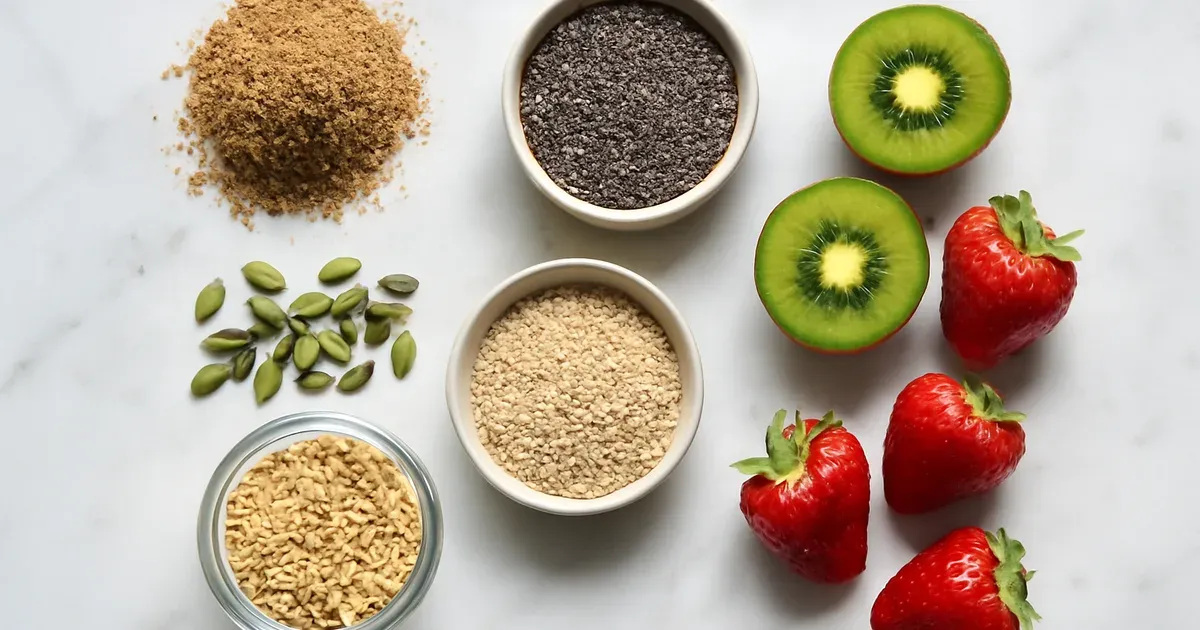
High-fibre, low FODMAP snack ingredients to prioritise include:
- Ground flaxseed — sprinkle over yogurt or rice cakes
- Chia seeds — add to cottage cheese or smoothies
- Oats — low FODMAP in 52g portions or less
- Brown rice or quinoa — whole grain bases for savoury snacks
- Low FODMAP fruits with skin on — blueberries, kiwi, strawberries
- Pumpkin seeds — great in trail mix and naturally low FODMAP
Buying grains, nuts, and seeds in bulk reduces cost and packaging waste — a sustainable approach to snacking that aligns with broader NHS healthy eating guidance.
What low FODMAP snack bars are available in the UK?
Convenient, grab-and-go snack bars are a lifesaver for people managing IBS on a low FODMAP diet, but finding certified or reliably low FODMAP options in the UK can take some research. Always check ingredient labels carefully for onion powder, garlic, chicory root (inulin), honey, high-fructose corn syrup, or wheat — all common hidden FODMAP culprits.
While US-based brands dominate the certified low FODMAP market, several are available in the UK via online retailers:
- FODY snack bars — all flavours are certified low FODMAP and free from onion and garlic
- GoMacro bars — several flavours are low FODMAP, including Peanut Butter and Sunflower Butter + Chocolate
- Enjoy Life bars — free from the top allergens and low FODMAP friendly
- BelliWelli bars — all flavours certified low FODMAP
When in doubt, whole-food snacks are your safest option. A small bag of peanuts, a piece of low FODMAP fruit, or a hard-boiled egg require no label scrutiny and deliver solid nutrition. For UK shoppers, many major supermarkets now stock gluten-free crackers, lactose-free yogurts, and seed mixes that form the backbone of a solid low FODMAP snack repertoire.
Are kiwi fruits good for IBS constipation?
Kiwi fruits are one of the most evidence-backed snack choices for people with IBS-C (IBS with constipation), and they are low FODMAP in servings of up to two fruits. A study published in the Journal of the American College of Nutrition found that consuming two kiwifruit per day over four weeks significantly improved bowel function in patients with IBS-C, including increased frequency and reduced discomfort.
Kiwis work through a combination of mechanisms: they are rich in soluble and insoluble fibre, and they contain a unique enzyme called actinidin, which stimulates receptors in the colon and helps move contents through more efficiently.
For a simple, gut-supporting low FODMAP snack, pair two kiwi fruits with a couple of hard-boiled eggs. You get fibre and actinidin from the kiwis, plus protein to keep you full. This combination supports both bowel regularity and the broader gut-brain axis by nourishing the gut environment and reducing the stress of unpredictable symptoms.
Kiwis are also widely available and affordable in UK supermarkets year-round, making them one of the most practical additions to a low FODMAP snack plan.
Bottom Line
- Pair protein with carbohydrates at every snack to manage hunger and support stable energy and mood via the gut-brain connection.
- Lactose-free and hard dairy options are low FODMAP and provide valuable protein and calcium — do not avoid dairy unnecessarily.
- Fibre matters — use seeds, low FODMAP fruits, and whole grains to maintain gut microbiome diversity and bowel regularity, even during the elimination phase.
- Two kiwi fruits per day have clinical evidence supporting their use for IBS constipation relief in the UK and globally.
- The low FODMAP diet is a short-term tool, not a permanent lifestyle — work with an NHS-registered dietitian or BDA-accredited practitioner to reintroduce foods and protect your gut microbiome long-term.
Managing IBS through diet is a journey, not a destination. Armed with the right snack strategies, you can nourish your gut, support your gut-brain connection, and improve your quality of life — one meal at a time. If you are newly diagnosed or struggling with the low FODMAP diet, ask your GP for a referral to an NHS dietitian who specialises in gut health.
You might also like
- How to Boost GLP-1 Naturally for Gut Health
- How to Improve Gut Health Naturally (No Fad Diets)
- Gut-Brain Connection & Psychedelics: Your Questions Answered
Frequently Asked Questions
Is the low FODMAP diet recommended by the NHS in the UK?
Yes — the NHS recommends the low FODMAP diet as a second-line dietary intervention for IBS when first-line lifestyle advice has not provided sufficient relief. It should be undertaken with guidance from a registered dietitian to ensure nutritional adequacy and correct reintroduction.
How does the low FODMAP diet affect the gut microbiome UK research?
UK microbiome research, including studies from King's College London and the University of Reading, suggests that long-term FODMAP restriction may reduce beneficial gut bacteria. This reinforces the importance of treating the diet as a temporary elimination phase and reintroducing as many FODMAPs as personally tolerated to maintain microbial diversity.
Can the low FODMAP diet improve the gut-brain connection?
Reducing IBS symptoms through low FODMAP eating can positively influence the gut-brain connection by lessening the gut-to-brain distress signals that contribute to anxiety, fatigue, and pain hypersensitivity. Stabilising blood sugar through balanced snacking further supports mood and stress regulation via this bidirectional pathway.
What fibre sources are safe on the low FODMAP diet?
Safe low FODMAP fibre sources include chia seeds, ground flaxseed, pumpkin seeds, oats (in portions under 52g), blueberries, kiwi, strawberries, brown rice, and quinoa. These can be incorporated into daily snacks to help reach the UK's recommended 30g daily fibre intake without triggering IBS symptoms.
How do I improve gut health naturally while following the low FODMAP diet?
To improve gut health naturally on the low FODMAP diet, focus on plant diversity within your allowed food list, prioritise fibre-rich snacks, manage stress to support the gut-brain axis, and stay well hydrated. Once the elimination phase is complete, reintroduce foods systematically under dietitian guidance to build the broadest, most diverse diet your gut can tolerate.
96 Bacterial Strains. Two Shots a Day.
GOODIE is an award-winning fermented drink with 96 live bacterial strains — more than any yogurt or kombucha — never pasteurised, clinically tested, and 8 in 10 users felt less bloating within 14 days. Curious?