How to Improve Gut Health Naturally in 6 Steps
Discover how to improve gut health naturally in 6 science-backed steps — supporting the gut-brain connection with UK dietary guidance and microbiome research.

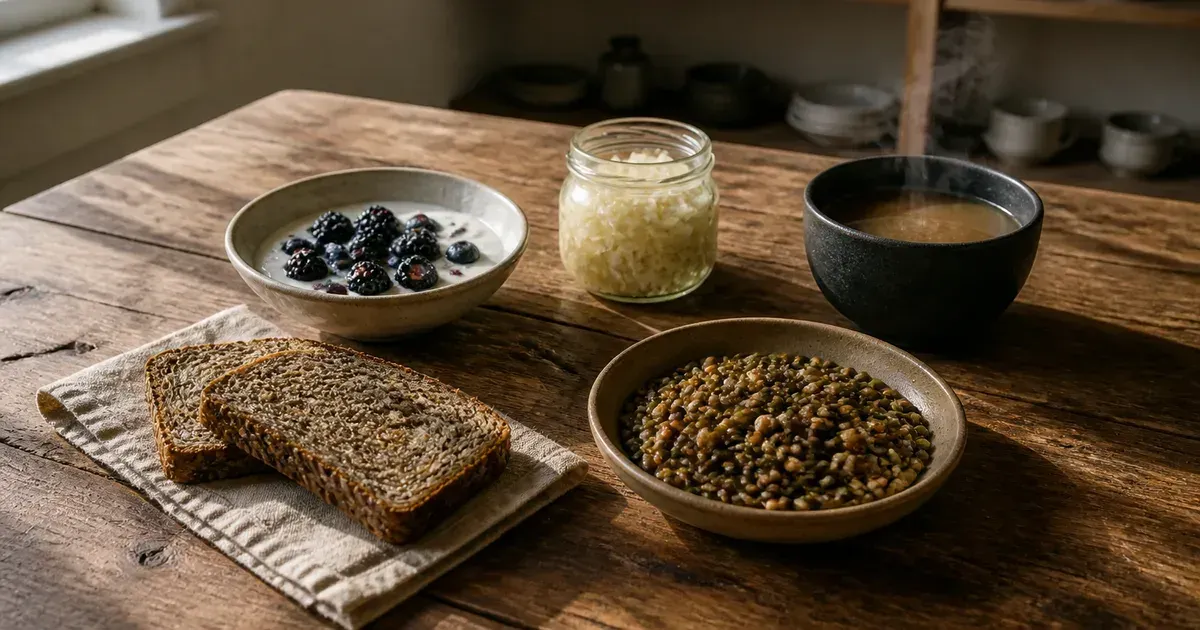
You've tried cutting out gluten. You've bought the probiotic yoghurts. You've even dabbled with a detox tea that promised to "reset your gut" in a week. Yet you still wake up bloated, your energy is low, your mood feels flat — and nobody seems to have a straight answer about why.
You're not imagining things, and you're not alone. Millions of people in the UK are living with gut discomfort that quietly undermines their mental wellbeing, their sleep, and their daily energy — without ever connecting the two. The problem isn't willpower or discipline. The problem is that most gut health advice ignores the science of the gut-brain connection entirely.
This guide cuts through the noise. Using the latest UK microbiome research and evidence from the gut-brain axis, it lays out exactly how to improve gut health naturally — step by step, without overhauling your life overnight.
Why Poor Gut Health Happens in the First Place
Your gut is far more than a digestive organ. The gastrointestinal tract is home to trillions of microorganisms — bacteria, viruses, and even parasites — that outnumber your own cells by roughly 10 to 1. These microbes govern digestion, produce vitamins, regulate inflammation, and manufacture neurotransmitters your brain depends on.
The modern British diet is working against this ecosystem. A western-style diet high in ultra-processed foods, refined sugars, and low in dietary fibre feeds harmful bacterial strains while starving beneficial ones. Research from King's College London and the British Gut Project confirms that diversity of plant foods is one of the strongest predictors of a healthy microbiome in the UK population.
The gut-brain connection makes dysfunction a two-way problem. When gut flora becomes imbalanced — a state called dysbiosis — the gut sends inflammatory signals directly to the brain via the vagus nerve. This is why poor gut health is clinically linked to anxiety, depression, PTSD, and even substance use disorders. As early as 1898, scientists theorised a link between intestinal flora and "melancholia." Today, UK Biobank data and research from University College London are confirming what those early scientists suspected.
- Chronic stress alters gut motility and disrupts microbial balance
- Antibiotic overuse (a known issue in NHS prescribing history) wipes out beneficial bacteria alongside harmful ones
- Low fibre intake starves keystone bacterial species that produce anti-inflammatory compounds
- Poor sleep destabilises the gut microbiome's circadian rhythm
- Leaky gut (intestinal permeability) allows bacterial toxins into the bloodstream, driving systemic inflammation and mood disruption

Step 1: Audit Your Diet Against the UK Eatwell Guide
What you eat is the single most powerful lever you have over your microbiome. The NHS Eatwell Guide recommends that over a third of your diet should come from fruit, vegetables, and wholegrains — yet surveys consistently show that UK adults fall well short of this target, with average fibre intake sitting around 18g per day against the recommended 30g.
Start by tracking your plant diversity for one week. Research shared through the British Gut Project found that people who ate 30 or more different plant foods per week had significantly more diverse gut microbiomes than those eating fewer than 10. Diversity — not just quantity — is the goal.
Swap white bread for wholegrain, add a handful of mixed seeds to your porridge, and aim to include at least five different vegetables per day. Each unique plant brings different prebiotic fibres that feed different bacterial species.
Pro tip: Don't overhaul everything at once. Add two new plant foods per week rather than restricting. Research from the University of Reading suggests that gradual fibre increases reduce bloating and allow your microbiome time to adapt.
- Aim for 30g of dietary fibre daily (UK recommendation)
- Include legumes (lentils, chickpeas, beans) at least 3 times per week
- Prioritise variety over volume — different colours, different fibres
- Reduce ultra-processed foods, which are associated with reduced microbial diversity in UK dietary studies
Step 2: Add Fermented Foods to Your Daily Routine
Fermented foods are one of the most evidence-backed ways to introduce beneficial bacteria directly into your gut. Unlike many probiotic supplements, fermented foods contain live cultures alongside the nutritional matrix that helps them survive digestion. The British Dietetic Association (BDA) acknowledges fermented foods as a valuable dietary addition for gut health support.
You don't need exotic ingredients. Kefir (widely available in UK supermarkets), live-culture yoghurt, sauerkraut, kimchi, miso, and kombucha all count. A landmark Stanford University study found that a diet high in fermented foods increased microbiome diversity and reduced inflammatory markers — results that align with UK microbiome research priorities at institutions like Imperial College London.
Start with one portion of fermented food daily — a small pot of kefir with breakfast or a tablespoon of sauerkraut alongside lunch is enough to begin shifting your microbial landscape.
Pro tip: Check labels carefully. Many UK supermarket "sauerkraut" and "pickled" products are made with vinegar rather than live fermentation and contain no beneficial bacteria. Look for products labelled "naturally fermented" or "contains live cultures."

Step 3: Prioritise the Gut-Brain Connection Through Stress Management
Stress is one of the most underappreciated drivers of poor gut health in the UK. The gut-brain axis is a bidirectional communication highway — the brain signals stress to the gut, and the gut signals distress back to the brain. Chronic stress elevates cortisol, disrupts gut motility, and directly alters microbial composition.
The vagus nerve is at the centre of this relationship. This cranial nerve runs from the brainstem through the heart and lungs down to the gut, carrying signals in both directions. Stimulating vagal tone — essentially keeping this nerve healthy and responsive — has been shown to reduce gut inflammation and improve mood regulation. Research from University College London highlights vagal tone as a key mechanism in gut-brain health.
Practical stress-reduction strategies that have direct gut benefits include diaphragmatic breathing (which activates the vagus nerve), regular moderate exercise, and consistent sleep hygiene. Even 10 minutes of slow breathing before meals can improve digestive function by switching the nervous system from "fight or flight" to "rest and digest."
This is also where emerging psychedelic medicine research intersects with gut-brain science. Studies suggest that psilocybin, MDMA, and ketamine — all of which modulate the serotonin system — may indirectly influence gut health, given that approximately 95% of the body's serotonin is produced in the gut. The gut-brain connection here runs deep: improving psychological wellbeing through evidence-based therapies (whether conventional or emerging) may also positively rebalance gut flora over time.
- Practice 5–10 minutes of diaphragmatic breathing daily
- Engage in regular moderate exercise (the NHS recommends 150 minutes weekly)
- Maintain consistent sleep and wake times to support the gut microbiome's circadian rhythm
- Consider evidence-based psychological support if chronic stress is a significant factor
Step 4: Rebuild with Targeted Prebiotics and Probiotics
Probiotics introduce beneficial bacteria; prebiotics feed the ones already there. Both have a role to play when you're actively working to improve gut health naturally, but the sequencing matters. If your gut environment isn't ready to support new bacteria — because beneficial species have no food source — probiotic supplements will have limited effect.
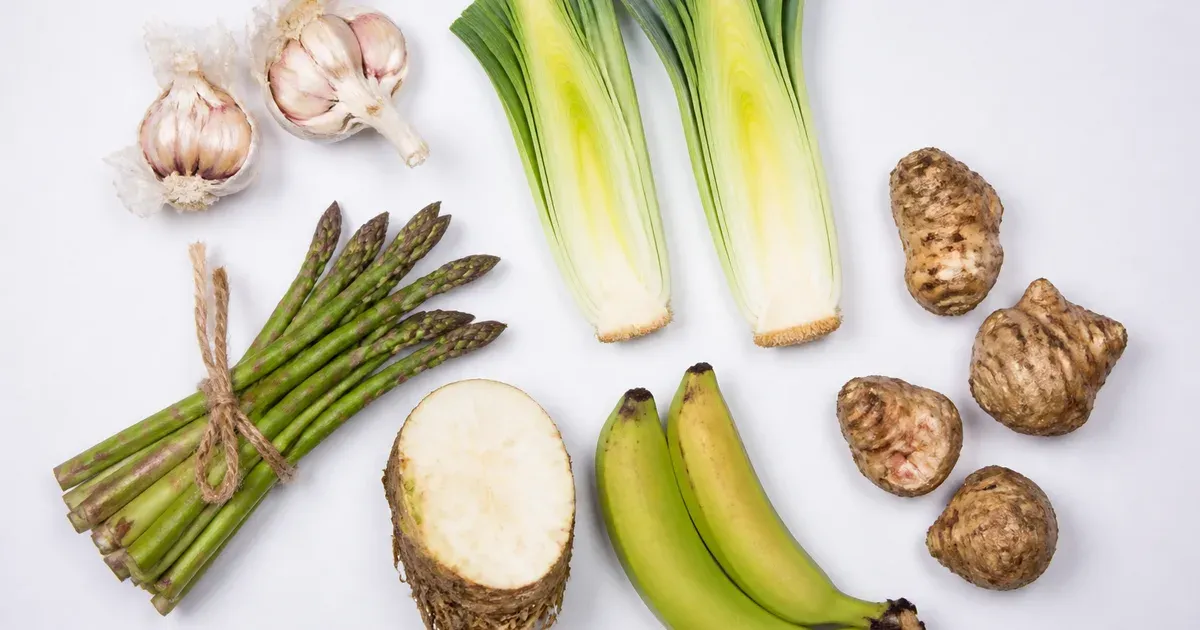
Start with prebiotic-rich foods before reaching for supplements. Garlic, onions, leeks, asparagus, Jerusalem artichokes, chicory root, and unripe bananas are among the richest sources of inulin and fructooligosaccharides — prebiotic fibres that selectively feed beneficial Lactobacillus and Bifidobacterium species. These foods are well represented in traditional British cooking and are affordable across UK supermarkets.
Once your dietary foundation is solid, a targeted probiotic supplement containing well-researched strains (Lactobacillus rhamnosus GG, Bifidobacterium longum, or Saccharomyces boulardii) may offer additional support, particularly following antibiotic use. The British Nutrition Foundation notes that strain specificity matters — broad-spectrum supplements with no identified strains offer less predictable benefit.
Pro tip: Keep a simple gut symptom diary for 4 weeks when introducing new prebiotics or probiotics. Note bloating, bowel frequency, mood, and energy. This evidence-based self-monitoring approach is recommended by NHS gastroenterology pathways as a first step before specialist referral.
Step 5: Move Your Body to Move Your Microbiome
Exercise is one of the fastest ways to shift microbial diversity — and the evidence from UK research is compelling. A study from University of Nottingham found that elite athletes had significantly higher microbial diversity than sedentary controls, independent of diet. Even moderate exercise has measurable effects on the gut microbiome within as little as six weeks.
You don't need a gym membership. Walking, cycling, swimming, and yoga all count. The NHS recommends 150 minutes of moderate activity per week for general health — this is also a reasonable target for gut microbiome benefit. Aim for consistency over intensity, particularly when starting out.
Exercise also directly supports the gut-brain connection by reducing cortisol, boosting mood-regulating neurotransmitters, and improving vagal tone. It's one of the few interventions that benefits both ends of the gut-brain axis simultaneously.
- Brisk walking for 30 minutes, 5 days a week, is a practical starting point
- Resistance training supports microbial diversity alongside cardiovascular exercise
- Avoid very high-intensity exercise in early stages — overtraining can temporarily increase gut permeability
- Consistency over 6–8 weeks produces measurable microbiome shifts

Step 6: Reduce Alcohol and Review Medications With Your GP
Two of the most significant but overlooked gut disruptors are alcohol and commonly prescribed medications. Alcohol abuse directly damages the gut lining, creates intestinal permeability ("leaky gut"), and causes significant shifts in the gut microbiome — increasing harmful bacterial populations while reducing beneficial ones. Even moderate regular drinking has measurable effects on microbial diversity, according to research published through UK Biobank analyses.
SSRIs — the most prescribed antidepressants in the UK via NHS — have a complex relationship with gut bacteria. Evidence suggests that SSRIs suppress certain gut bacterial populations, which may partly explain why some patients experience relief for months or years before the medication's effectiveness begins to wane. This isn't a reason to stop medication without medical guidance — it's a reason to discuss gut health proactively with your GP as part of your broader mental health care.
If you are taking antibiotics, NSAIDs, proton pump inhibitors (PPIs), or long-term antidepressants, speak to your GP about supporting gut health alongside these prescriptions. NHS gastroenterology services and registered dietitians through the BDA can offer personalised guidance.
Pro tip: If you choose to reduce alcohol, the NHS Drink Free Days initiative is a practical, evidence-based starting point that has shown measurable gut and mental health benefits in UK participants.
What to Expect: Your Gut Health Timeline
Week 1–2: Increased fibre intake may cause temporary bloating — this is normal and settles as your microbiome adapts. Energy levels and sleep may begin to shift.
Week 3–4: Bowel regularity typically improves. Many people report improved mood and reduced afternoon energy crashes as serotonin production in the gut stabilises.
Week 6–8: Measurable improvements in microbial diversity are detectable at this stage in research settings. Stress resilience and cognitive clarity often improve as the gut-brain connection strengthens.
Month 3+: Sustained dietary and lifestyle changes begin to produce lasting structural changes in the microbiome. This is when the benefits of the gut-brain axis working in your favour become most apparent — better mood regulation, reduced inflammation, and improved digestive comfort.
Mistakes That Slow Your Progress
- Relying on supplements before fixing diet. Probiotics cannot colonise a gut that lacks the prebiotic fibre to sustain them. Food first, supplements second.
- Swapping one ultra-processed food for another "gut health" branded product. Many UK supermarket products marketed for gut health contain minimal live cultures or fibre. Read ingredient labels, not front-of-pack claims.
- Expecting overnight results. The microbiome shifts gradually. Most meaningful changes take 6–8 weeks of consistent effort — not 7-day "cleanses."
- Ignoring the stress piece. Dietary changes alone cannot fully counteract the gut-disrupting effects of chronic stress. The gut-brain connection is bidirectional — both sides need attention.
- Stopping fermented foods because of initial bloating. A small amount of initial gas and bloating when introducing fermented foods is a sign of microbial activity, not intolerance. Start with small amounts and build gradually.
What Can Help You Get There Faster
Dietary tools: A weekly meal plan built around the UK Eatwell Guide, with a focus on 30+ plant foods per week, is the highest-leverage tool available. Free NHS-approved meal planning resources are available through the NHS website and the British Nutrition Foundation.
Tracking tools: Apps that allow food diversity tracking (rather than just calorie counting) help you monitor plant variety — a key microbiome UK metric identified by the British Gut Project. Some UK-based gut microbiome testing services also offer personalised dietary feedback based on stool sample analysis.
Professional support: A registered dietitian accredited by the BDA can provide personalised gut health guidance through NHS referral or private consultation. For those where the gut-brain connection is significantly affecting mental health, an NHS GP referral to psychological therapies (IAPT / NHS Talking Therapies) may also be appropriate — addressing mental health improves gut health, and vice versa.
Your 6-Step Plan at a Glance
✅ Step 1: Audit your diet — aim for 30g fibre daily and 30 plant foods per week ✅ Step 2: Add one portion of fermented food daily (kefir, live yoghurt, sauerkraut) ✅ Step 3: Manage stress actively — protect the gut-brain connection with breathing, sleep, and movement ✅ Step 4: Introduce prebiotic-rich foods before considering probiotic supplements ✅ Step 5: Achieve 150 minutes of moderate exercise per week consistently ✅ Step 6: Reduce alcohol and review gut-disrupting medications with your GP
Closing Thoughts
Your gut health and your mental wellbeing are not separate conversations. The science of the gut-brain connection — built on decades of UK microbiome research from King's College London to the British Gut Project — makes clear that improving one supports the other. The six steps above are not quick fixes; they are sustainable shifts that work with your biology rather than against it.
Start with one step this week. Even a single dietary change — adding a handful of mixed seeds, trying kefir for the first time, or taking a 20-minute walk — begins to move your microbiome in the right direction. Small, consistent actions compound into lasting change. Your gut is listening.
You might also like
- New Mouth-to-Body Institute Links Oral and Gut Health
- How to Improve Your Oral Microbiome for Gut Health
- Circadian Nutrition & Gut Health UK: Key Insights
Frequently Asked Questions
How long does it take to improve gut health naturally in the UK?
Most people notice initial changes — better digestion, more regular bowel movements, improved energy — within 2–4 weeks of making consistent dietary and lifestyle changes. Measurable shifts in microbial diversity typically take 6–8 weeks, with more significant structural changes at 3 months. Research from the British Gut Project suggests that dietary diversity is the fastest-acting lever available.
Can improving gut health help with anxiety and depression?
Yes — and UK microbiome research strongly supports this link. Approximately 95% of the body's serotonin is produced in the gut, and gut dysbiosis is clinically associated with anxiety and depression. Studies from King's College London and UCL have demonstrated that the gut-brain connection is bidirectional: improving gut flora supports mood regulation, and improving mental wellbeing positively influences gut health.
Are probiotic supplements worth taking for gut health in the UK?
Probiotic supplements can be beneficial, but strain specificity matters. The British Nutrition Foundation advises looking for products with well-researched named strains (such as Lactobacillus rhamnosus GG or Bifidobacterium longum) rather than generic broad-spectrum products. Supplements are most effective as a complement to a high-fibre, plant-diverse diet — not as a substitute for one.
Does the NHS offer support for gut health problems?
Yes. NHS GP services can refer patients to gastroenterology specialists and registered dietitians for persistent gut health problems. NHS Talking Therapies (formerly IAPT) can support the mental health dimension of the gut-brain connection. The NHS website also provides evidence-based dietary guidance aligned with the UK Eatwell Guide. If symptoms include unexplained changes in bowel habits, blood in stools, or significant weight loss, seek GP advice promptly.
What is the British Gut Project and how can I get involved?
The British Gut Project is one of the largest citizen science microbiome studies in the world, based at King's College London. Participants provide a stool sample in exchange for a detailed report on their personal gut microbiome composition. The data contributes to UK microbiome research that is shaping NHS dietary recommendations and our understanding of the gut-brain axis. Visit the King's College London website for current participation details.
96 Bacterial Strains. Two Shots a Day.
GOODIE is an award-winning fermented drink with 96 live bacterial strains — more than any yogurt or kombucha — never pasteurised, clinically tested, and 8 in 10 users felt less bloating within 14 days. Curious?