New Mouth-to-Body Institute Links Oral and Gut Health
A new global institute will investigate oral health's role in systemic disease, with implications for gut health UK and microbiome science.

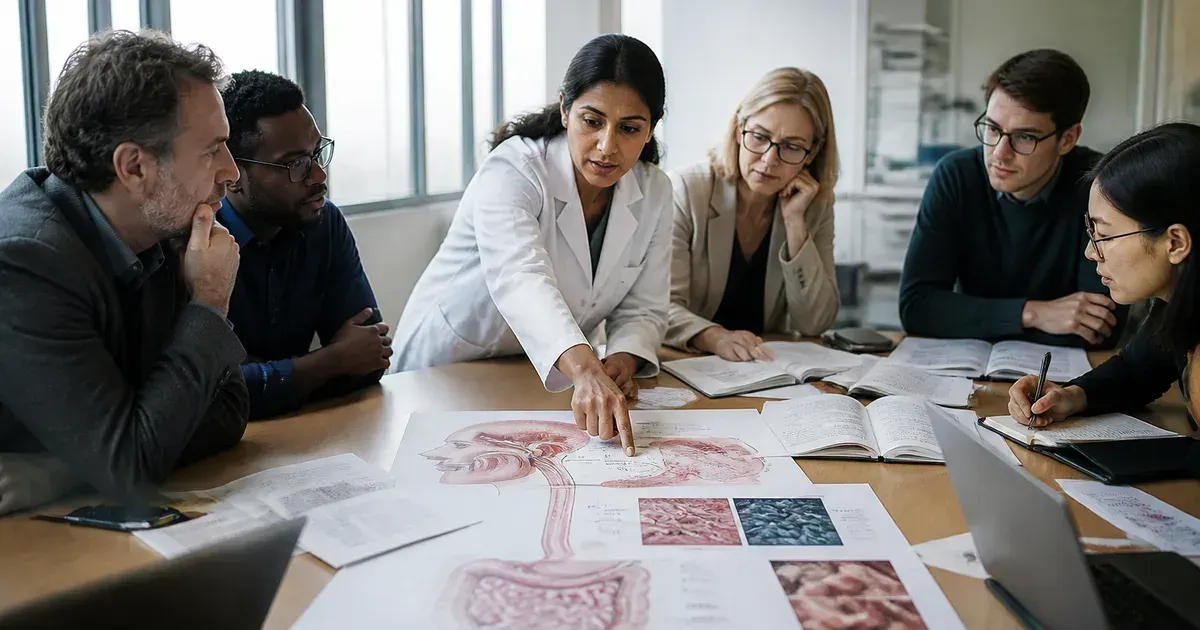
A new international research body — the Mouth-to-Body Health Institute — has been established to investigate the science linking oral health to systemic disease, according to PR Newswire UK. Announced on 4 November 2026, the institute will unite researchers, clinicians, and scientific leaders across dentistry, medicine, microbiology, immunology, and public health, with a mandate to accelerate oral-systemic science and translate findings into better prevention and care worldwide.
Why This Matters
Scientists have long recognised that the mouth is not isolated from the rest of the body — and that poor oral health is associated with conditions ranging from cardiovascular disease to diabetes. Increasingly, researchers in gut health UK and globally are examining how the oral microbiome seeds the gut microbiome, with bacteria travelling from the mouth into the digestive tract. Studies have identified oral bacterial species in the gut microbiomes of people with inflammatory bowel disease and colorectal cancer, raising urgent questions about prevention pathways. For UK adults concerned about improving gut health naturally, the mouth may be a critical — and overlooked — starting point.
A New Platform for Oral-Systemic Science
Per the announcement, the institute will function as an international network, pooling expertise across multiple scientific disciplines rather than operating as a single-site laboratory. The platform aims to accelerate oral-systemic research and convert emerging science into practical improvements in prevention and care, according to the source. This collaborative model mirrors approaches already seen in UK microbiome research, where consortia such as the British Gut Project and institutions including King's College London and the University of Reading have demonstrated the power of large-scale, multi-disciplinary data sharing to advance understanding of how the gut microbiome shapes human health.
What This Means for Gut Health and the Gut-Brain Connection
The gut-brain connection is now a central theme in microbiome science, with researchers exploring how microbial populations in the digestive tract influence mood, cognition, and neurological risk. Because oral bacteria can colonise the gut, the oral microbiome may act as an upstream regulator of this axis. For health-conscious UK adults, the institute's work could eventually inform NHS gut health guidance by clarifying whether improving oral hygiene represents a meaningful strategy for protecting the gut microbiome — and by extension, mental and cognitive wellbeing.
What Comes Next
The Mouth-to-Body Health Institute is at an early stage, with its founding announcement focused on establishing the network and research agenda, per PR Newswire UK. For UK readers, the development signals a growing scientific consensus that oral health deserves a place alongside diet, fibre intake, and lifestyle factors in mainstream conversations about improving gut health naturally. It also suggests future clinical guidelines — including those shaping NHS pathways — may need to integrate dental and gastroenterological care more closely.
The establishment of the Mouth-to-Body Health Institute marks a significant step towards treating oral health as integral to whole-body wellbeing. As UK microbiome research continues to illuminate the gut-brain connection, the institute's interdisciplinary model could help ensure that the mouth is no longer the missing link in gut health science.
You might also like
- Microbiome Science Drives Viome's Disease Prevention Push
- How to Improve Your Oral Microbiome for Gut Health
- Circadian Nutrition & Gut Health UK: Key Insights
96 Bacterial Strains. Two Shots a Day.
GOODIE is an award-winning fermented drink with 96 live bacterial strains — more than any yogurt or kombucha — never pasteurised, clinically tested, and 8 in 10 users felt less bloating within 14 days. Curious?