Medications May Permanently Alter Gut Microbiome
New research suggests the gut microbiome retains lasting changes from medications years after treatment ends, with implications for gut health in the UK.

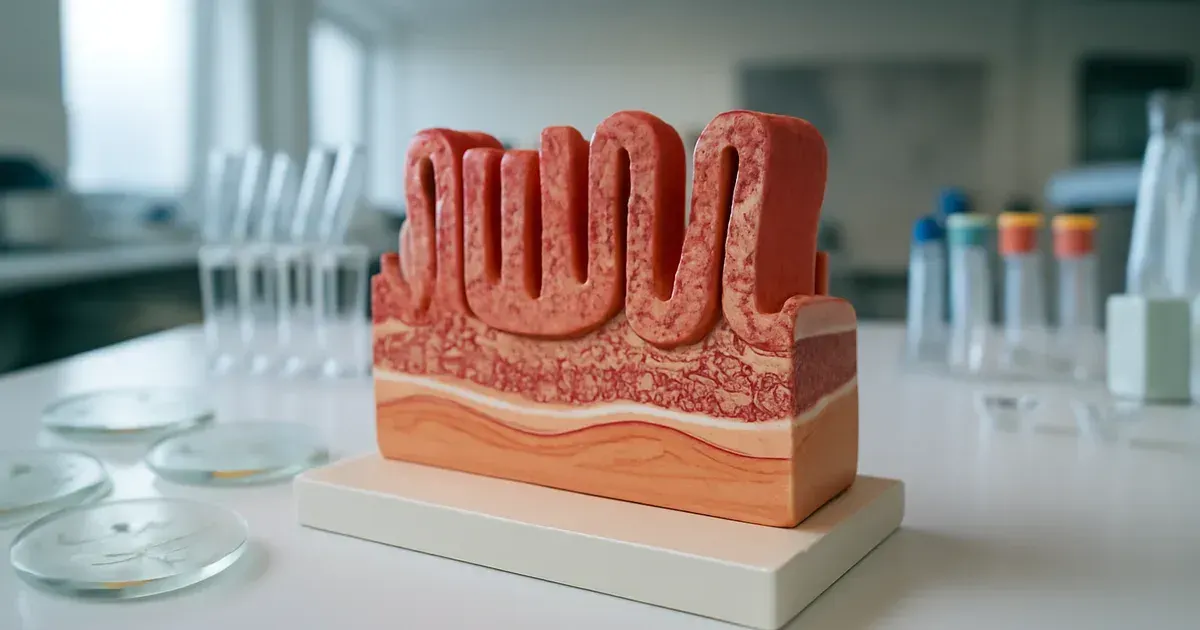
A new study suggests the gut microbiome can "remember" exposure to common medications for years after a course of treatment has ended. Rather than returning to a pre-treatment baseline, the gut microbial community retains detectable, long-term signatures of past drug exposure, according to researchers cited by Alltoc.com. The findings raise important questions for gut health in the UK, where millions of people take long-term or recurring medications each year.
Why This Matters for Gut Health Research
The gut microbiome — the vast community of bacteria, fungi, and other microorganisms living in the digestive tract — plays a central role in immunity, metabolism, and the gut-brain connection. In the UK, growing interest from institutions such as King's College London and the British Gut Project has highlighted just how sensitive the microbiome is to external factors, including diet, stress, and medication. Until now, it was widely assumed that microbiome disruption from drugs was largely temporary. This new research challenges that assumption directly.
What the Study Found
According to researchers, the microbiome does not simply recover once a medication is stopped. Instead, the study found that certain microbial changes persist for an extended period — potentially years — following the end of treatment. This "memory" effect was reported across common medication types, though the source material does not specify which drugs were examined in detail. Per Alltoc.com, the detectable long-term signatures suggest that the microbiome undergoes lasting structural shifts rather than a temporary disruption followed by full recovery.
What This Means for Patients in the UK
For health-conscious adults in the UK seeking to improve gut health naturally, these findings add a significant new dimension to the conversation. NHS guidance on gut health has typically focused on diet and lifestyle, but this research implies that medication history may be an equally important variable. Understanding how prior drug exposure shapes the microbiome could influence future clinical approaches, from prescribing decisions to personalised gut health programmes.
The emerging picture of a microbiome that retains a chemical "memory" underscores how complex and lasting the gut-brain and gut-body connections truly are. As UK microbiome research continues to expand, findings like these are likely to shape both NHS pathways and public health guidance around medication management and digestive health.
You might also like
- Microbiotica MB097 Shows Promise in Melanoma Trial
- At-Home Gut Test Kits: What UK Users Should Know
- How to Eat an Anti-Inflammatory Diet for Gut Health
96 Bacterial Strains. Two Shots a Day.
GOODIE is an award-winning fermented drink with 96 live bacterial strains — more than any yogurt or kombucha — never pasteurised, clinically tested, and 8 in 10 users felt less bloating within 14 days. Curious?