Meditation & Gut Health: Your Questions Answered
Can meditation reshape your gut microbiome? New research from Buddhist monks says yes. Get science-backed answers for UK readers.


Can sitting quietly with your eyes closed really change what lives in your gut? It sounds unlikely — yet emerging science suggests that long-term meditation may reshape the gut microbiome in ways that support immunity, mental wellbeing, and heart health. If you're curious about the gut-brain connection and what meditation might mean for your own microbiome UK residents are only beginning to explore, you're in the right place. This FAQ unpacks the evidence, separates hype from science, and offers practical context for a UK audience.
Jump to Your Question
Does meditation actually change your gut microbiome?
What is the gut-brain connection and why does it matter?
Which gut bacteria are linked to meditation?
Can improving your gut health naturally reduce anxiety and depression?
How does meditation compare to diet for gut health in the UK?
How much meditation do you need to see a gut health benefit?
Is there NHS or UK research supporting meditation for gut health?
What practical steps can UK adults take to improve gut health naturally?
Does meditation actually change your gut microbiome?
Yes — preliminary research suggests it can, though the science is still in early stages. A study published in General Psychiatry (a BMJ journal) analysed stool and blood samples from 37 Tibetan Buddhist monks who had practised deep meditation for at least two hours a day over three to thirty years, comparing them with 19 secular neighbours matched for age, diet, blood pressure, and heart rate.
Researchers found significant differences in the diversity and volume of gut microbes between the two groups. The monks harboured bacteria associated with reduced risk of anxiety, depression, and cardiovascular disease, as well as enhanced immune function. The team concluded that "long-term deep meditation may have a beneficial effect on gut microbiota, enabling the body to maintain an optimal state of health."
Crucially, this was an observational study with a small, all-male sample living at high altitude — so firm conclusions can't yet be drawn. But it opens a genuinely exciting door for gut-brain connection research.
What is the gut-brain connection and why does it matter?
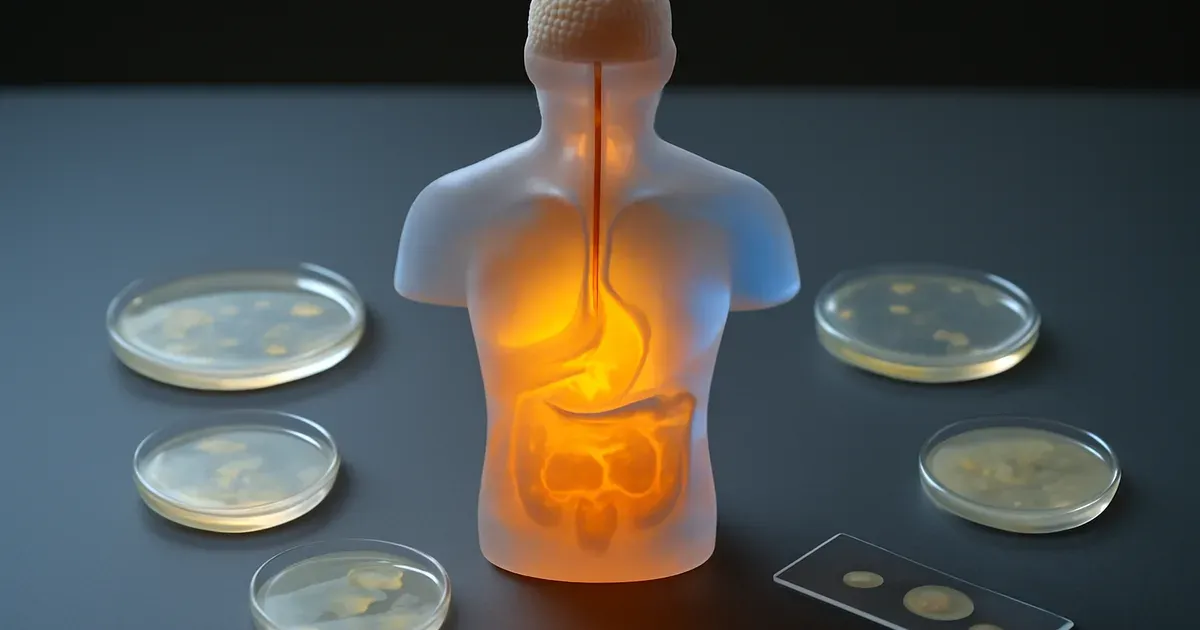
The gut-brain connection refers to the two-way communication network linking your digestive system and your brain, primarily via the vagus nerve, the immune system, and chemical messengers including serotonin. Roughly 90% of the body's serotonin — often called the "feel-good" neurotransmitter — is produced in the gut.
This bidirectional highway means that what happens in your gut doesn't stay in your gut. Disruptions to the microbiome (the trillions of bacteria, fungi, and other microorganisms living in your digestive tract) have been linked to mood disorders, cognitive function, and even conditions like irritable bowel syndrome (IBS), which affects around one in five people in the UK.
UK-based researchers at King's College London and the University of Reading have been at the forefront of microbiome-gut-brain axis science, helping establish why gut health UK conversations now extend well beyond digestion. The British Gut Project, originally affiliated with King's College London, has also generated crucial data on how diverse the microbiome UK adults carry really is.
Which gut bacteria are linked to meditation?
The Buddhist monks in the study showed enrichment in several bacterial genera associated with positive mental and physical health outcomes. While the researchers didn't name every species in lay-accessible terms, the enriched bacteria were linked to:
- Reduced risk of anxiety and depression
- Enhanced immune function
- Lower markers of cardiovascular disease risk in blood samples
- Anti-inflammatory pathway activity
- Improved metabolic processes
Researchers also used advanced predictive analytical techniques to infer which chemical processes the microbes might be influencing, finding that several protective anti-inflammatory pathways were enhanced in the meditating monks.
These findings align with broader microbiome UK research suggesting that a diverse, balanced gut microbiome — rich in beneficial species like Lactobacillus and Bifidobacterium — underpins both physical resilience and mental stability. The gut-brain connection appears to run, at least in part, through these microbial populations.
Can improving your gut health naturally reduce anxiety and depression?
The evidence is growing, though it is not yet conclusive enough for the NHS to recommend gut interventions as a standalone treatment for mental health conditions. What researchers do know is that the microbiome communicates with the brain via the gut-brain axis, influencing mood, stress response, and cognitive function.
The monk study specifically noted that "collectively, several bacteria enriched in the meditation group have been associated with the alleviation of mental illness." Meanwhile, separate research from institutions including University College London (UCL) and Imperial College London has explored how dietary changes, probiotics, and lifestyle factors affect mood via the gut.
In the UK, meditation is already used within NHS-approved psychological programmes — including Mindfulness-Based Cognitive Therapy (MBCT), recommended by NICE for recurrent depression. The possibility that its benefits extend to the microbiome adds a compelling biological mechanism to what was previously understood mainly as a psychological intervention.
Soft product bridge: If you're looking to improve gut health naturally alongside mindfulness practice, a diet rich in fermented foods, fibre, and polyphenols is one of the most evidence-backed starting points — more on that below.
How does meditation compare to diet for gut health in the UK?
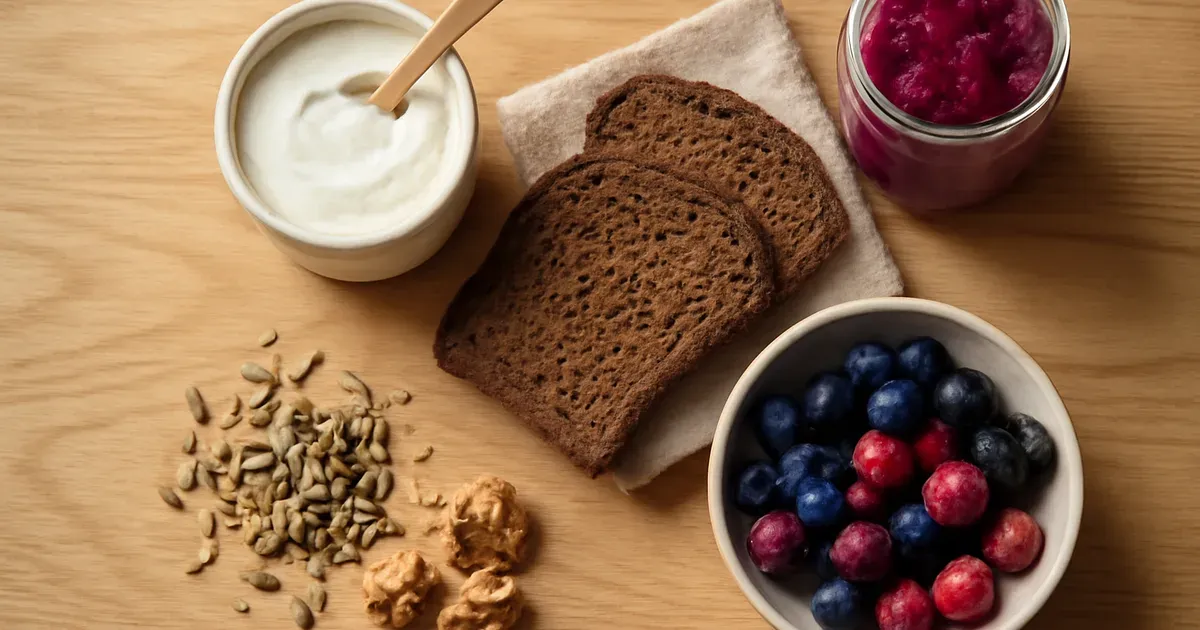
Diet remains the most robustly evidenced lever for shaping your gut microbiome, but meditation may work synergistically alongside it rather than competing with it. The monk study carefully matched participants for diet, meaning the microbiome differences observed were not explained by food intake alone.
| Factor | Evidence Strength | Mechanism | UK Guidance |
|---|---|---|---|
| Dietary fibre | Very strong | Feeds beneficial bacteria | UK Eatwell Guide: 30g/day |
| Fermented foods | Strong | Introduces live cultures | BDA-endorsed |
| Stress reduction / meditation | Emerging | Gut-brain axis, anti-inflammatory pathways | NICE recommends MBCT |
| Probiotics / prebiotics | Moderate | Direct microbiome seeding | BNF supports targeted use |
The British Dietetic Association (BDA) and British Nutrition Foundation both emphasise dietary diversity as the cornerstone of a healthy microbiome UK adults can nurture. Meditation appears to add an additional, complementary layer — particularly for those whose gut symptoms are stress-related, as is common in IBS.
The UK Eatwell Guide recommends 30g of dietary fibre daily; most UK adults consume only around 18g. Closing that gap is arguably the single most impactful step most people can take to improve gut health naturally.
How much meditation do you need to see a gut health benefit?
The monks in the study practised deep meditation for at least two hours daily over a minimum of three years — a commitment most UK adults will find difficult to replicate. However, researchers emphasised that the findings suggest a dose-response relationship: the longer and more consistently meditation was practised, the more pronounced the microbiome differences appeared.
This doesn't mean shorter practice is worthless. NHS-recommended mindfulness programmes such as MBCT typically involve around 45 minutes of daily practice over eight weeks and have demonstrated measurable benefits for stress, mood, and relapse prevention in depression.
From a gut-brain connection standpoint, even modest reductions in chronic stress — which is known to disrupt the gut lining and alter microbial composition — may benefit the microbiome over time. The key variables appear to be:
- Duration of each session (longer appears better)
- Consistency over months and years
- Depth of practice (the monks used a specific form of Tibetan Buddhist meditation rooted in Ayurvedic tradition)

Is there NHS or UK research supporting meditation for gut health?
The NHS does not currently recommend meditation specifically as a gut health intervention, though it endorses mindfulness for mental health via NICE guidelines. UK microbiome research relevant to the gut-brain connection is, however, advancing rapidly.
The UK Biobank — one of the world's largest biomedical databases — is enabling researchers at institutions including the University of Oxford and King's College London to investigate links between lifestyle factors, the microbiome, and long-term health outcomes at population scale. The MRC (Medical Research Council) and Wellcome Trust both fund active research programmes exploring how stress, behaviour, and gut microbiota interact.
The British Gut Project generated microbiome data from tens of thousands of UK participants, providing a uniquely British reference point for what a healthy microbiome UK adults might carry. As this evidence matures, NHS pathways may evolve to incorporate gut-directed lifestyle recommendations — including stress management and meditation — more explicitly.
Soft product bridge: Tracking your own microbiome health through validated gut health tests is one way UK adults are starting to engage more actively with their microbiome data — look for services that align with British Gut Project methodology.
What practical steps can UK adults take to improve gut health naturally?
Improving gut health naturally involves a combination of dietary, lifestyle, and stress-management strategies — and the emerging meditation research adds a credible new dimension to that picture. Here is what the current evidence, including UK-specific guidance, supports:
Diet-first foundations:
- Aim for 30g of fibre daily (UK Eatwell Guide recommendation) — most UK adults fall well short
- Eat 30 or more different plant foods per week to maximise microbiome diversity
- Include fermented foods: kefir, live yoghurt, kimchi, sauerkraut
- Limit ultra-processed foods, which the British Nutrition Foundation links to reduced microbiome diversity
Lifestyle and stress:
- Practise mindfulness or meditation regularly — even 10–20 minutes daily may support the gut-brain connection
- Prioritise sleep: poor sleep disrupts the microbiome-gut-brain axis
- Take regular physical activity, which the NHS associates with greater microbiome diversity
- Avoid unnecessary antibiotics, which disrupt microbial balance
When to seek NHS support:
- Persistent bloating, altered bowel habits, or unexplained gut discomfort should be discussed with a GP
- Anxiety or depression affecting daily life warrants NHS assessment, where MBCT may be offered
Bottom Line
- Meditation may reshape the gut microbiome — a small but compelling BMJ-published study found Buddhist monks who meditated deeply for years had significantly different gut bacteria than their neighbours.
- The gut-brain connection explains the mechanism — stress hormones alter gut bacteria, and calmer nervous systems appear to support a more diverse, healthier microbiome.
- Diet remains the most evidence-backed tool for gut health in the UK, but meditation may work synergistically — especially for stress-related gut conditions like IBS.
- NHS-endorsed mindfulness programmes (such as MBCT) already demonstrate mental health benefits; their potential gut health benefits are a growing area of UK microbiome research.
- Practical action today: increase dietary fibre, add fermented foods, and build a consistent meditation habit — even 10–15 minutes daily is a meaningful start.
The information in this article is for educational purposes only and does not constitute medical advice. Always consult a qualified healthcare professional for personal health concerns.
You might also like
- How to Boost Natural GLP-1 for Gut Health (No Drugs)
- Gut Health UK: How Your Microbiome Protects Your Heart
- Anti-Inflammatory Diet & Gut Health UK Guide
96 Bacterial Strains. Two Shots a Day.
GOODIE is an award-winning fermented drink with 96 live bacterial strains — more than any yogurt or kombucha — never pasteurised, clinically tested, and 8 in 10 users felt less bloating within 14 days. Curious?