Mouth Bacteria & Gut Health: Your Questions Answered
Discover how mouth bacteria connect to your gut health and gut-brain axis, with science-backed answers for UK readers. Improve gut health naturally today.


If you've ever wondered what's actually living in your mouth — and how it connects to the rest of your body — you're not alone. The oral microbiome is one of the most complex ecosystems in the human body, and emerging research in the UK and beyond is revealing just how deeply it shapes your gut health, your mood, and your long-term wellbeing. This guide answers the questions people are genuinely searching for, using the latest science in plain English.
Jump to a Question
What bacteria live in my mouth?
What is Streptococcus mutans and why does it matter?
What is Porphyromonas gingivalis and how does it cause gum disease?
Is there a link between oral bacteria and gut health?
How does the gut-brain connection relate to my oral microbiome?
What foods support a healthy mouth and gut microbiome?
How can I manage harmful bacteria in my mouth naturally?
What does UK research say about the microbiome and overall health?
What bacteria live in my mouth?
Your mouth is home to approximately 700 species of microorganisms, making it one of the most bacterially diverse environments in the human body. According to NIH's News in Health, these microbes live on your teeth, tongue, gums, and even in the tiny pockets between your teeth and gum line.
Not all of these bacteria are harmful. Beneficial microbes actively compete with harmful strains, keeping their populations in check and offering a first line of defence against pathogens introduced through food and drink. The balance between these populations — your oral microbiome — is dynamic and influenced daily by what you eat, how you clean your teeth, and even your stress levels.
When this balance tips in favour of harmful bacteria, problems like tooth decay, gum disease, and chronic inflammation can follow. Understanding who's who in your oral microbiome is the first step towards protecting not just your teeth, but your wider health.
What is Streptococcus mutans and why does it matter?
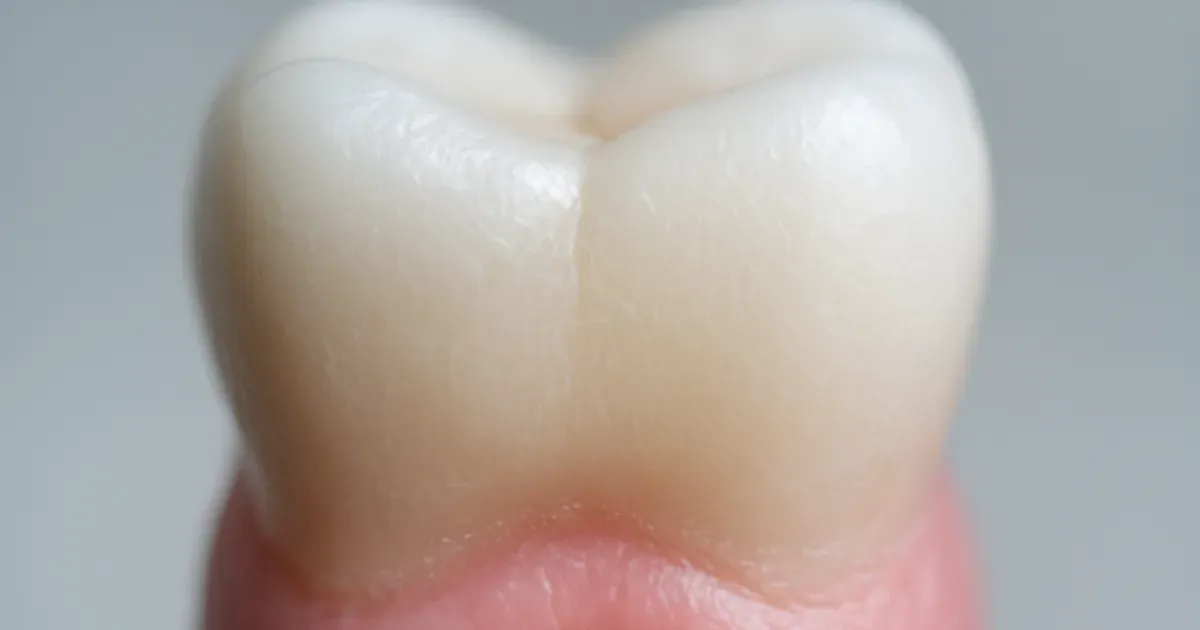
Streptococcus mutans is the primary bacterial cause of tooth decay in humans, and it is one of the most well-studied microbes in oral health science. It colonises the surfaces of your teeth — particularly pits, fissures, and difficult-to-clean areas — and feeds voraciously on the sugars and starches in your diet.
According to research published in Microbiology Spectrum, S. mutans produces enamel-eroding acids as a metabolic by-product and thrives in low-pH (acidic) environments. This creates a vicious cycle: the more acid it produces, the more hospitable the environment becomes for further bacterial growth.
For UK adults, this is particularly relevant. Sugar consumption in the UK remains significantly above recommended levels, according to NHS dietary data, and high-sugar diets directly fuel S. mutans populations. The British Dietetic Association (BDA) consistently highlights reducing free sugars as a key step in protecting oral and systemic health.
Key facts about Streptococcus mutans:
- Feeds on sugars and starches from food and drink
- Produces acids that erode tooth enamel
- Thrives in acidic, low-pH environments
- Forms part of dental plaque biofilm
- Linked to infective endocarditis in some cases
What is Porphyromonas gingivalis and how does it cause gum disease?
Porphyromonas gingivalis is a gram-negative anaerobic bacterium that is strongly associated with periodontitis, one of the most serious forms of gum disease. Crucially, it is not typically found in a healthy mouth — its presence signals a significant disruption to the oral microbiome.
As outlined in research published in Frontiers in Microbiology, P. gingivalis does not act alone. It contributes to a complex subgingival biofilm alongside other pathogenic bacteria, triggering a chronic inflammatory response that destroys the connective tissues and alveolar bone supporting the teeth. Left untreated, this can result in tooth loss.
What makes P. gingivalis particularly concerning from a whole-body health perspective is its ability to evade immune responses and contribute to systemic inflammation. UK and international researchers have linked this bacterium — and periodontal disease more broadly — to cardiovascular disease, type 2 diabetes, and adverse pregnancy outcomes. The NHS recommends regular dental check-ups partly because early-stage periodontal disease is often painless and easy to miss.
Is there a link between oral bacteria and gut health?
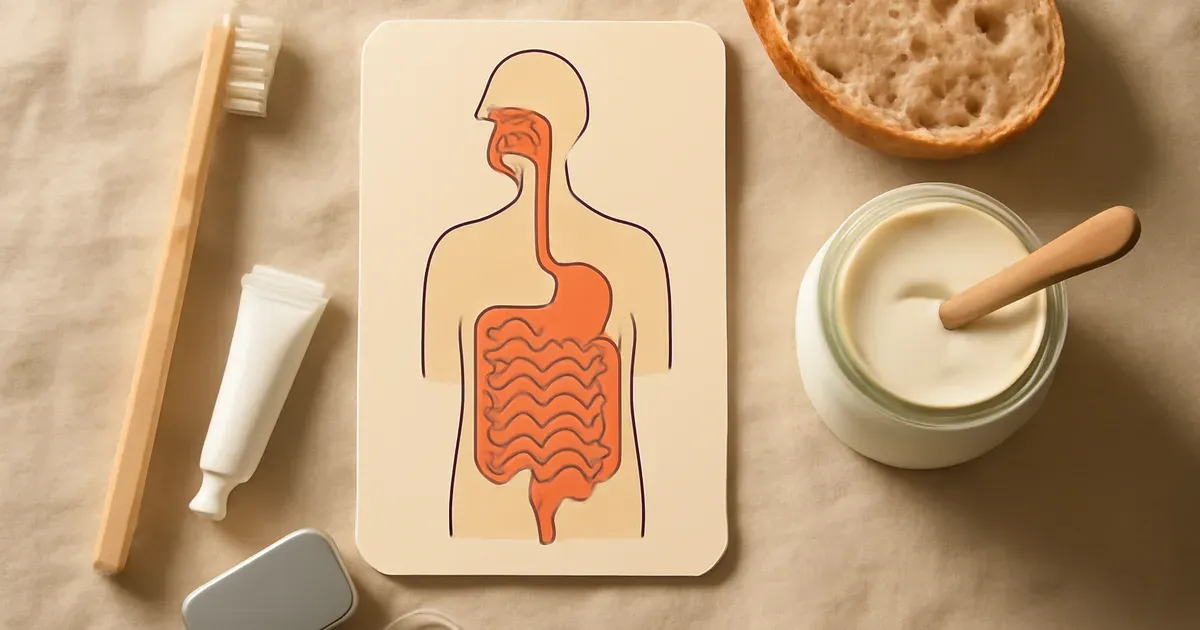
The oral cavity is the gateway to the gut, and the bacteria that reside in your mouth directly influence your gut microbiome. Every time you swallow — roughly a litre of saliva per day — you are transferring oral bacteria into your gastrointestinal tract. In a healthy individual, the harsh acidic environment of the stomach destroys most of these microbes before they reach the intestines. But when oral pathogens are present in large numbers, some survive the journey.
Research from King's College London and other UK institutions has highlighted the concept of "oral-gut microbial translocation" — the process by which oral bacteria, including P. gingivalis and Fusobacterium nucleatum, are detected in the gut and intestinal tissue of individuals with conditions such as inflammatory bowel disease (IBD) and colorectal cancer. This is a growing area of microbiome UK research with significant clinical implications.
Maintaining a balanced oral microbiome is therefore not just about protecting your teeth. It is an integral part of improving gut health naturally and reducing the systemic bacterial load that can contribute to gut dysbiosis — an imbalance in the gut's own microbial community.
How does the gut-brain connection relate to my oral microbiome?
The gut-brain connection — the bidirectional communication pathway between your gastrointestinal system and your brain — begins further upstream than most people realise. The oral microbiome plays an early role in shaping the microbial landscape of the gut, which in turn influences neurotransmitter production, immune signalling, and mental health outcomes.
The gut is often called the "second brain" because it houses around 100 million neurons and produces approximately 95% of the body's serotonin. When oral pathogens disrupt the gut microbiome, this can impair the gut's ability to produce these signalling molecules, with downstream effects on mood, cognition, and stress response.
In the UK, research supported by the Wellcome Trust and the MRC (Medical Research Council) has increasingly examined how microbial dysbiosis — starting from the mouth and extending through the gut — may contribute to conditions including depression, anxiety, and even neurodegenerative diseases such as Alzheimer's. Protecting your oral microbiome is, in this sense, also an act of protecting your mental health.
What foods support a healthy mouth and gut microbiome?
Diet is one of the most powerful tools available for improving gut health naturally and maintaining a balanced oral microbiome, and the good news is that many of the same foods benefit both systems simultaneously.
Fermented foods such as natural yogurt, kefir, sauerkraut, kimchi, miso, tempeh, and sourdough bread introduce beneficial bacteria (probiotics) into the digestive system and may help rebalance oral bacterial communities by reducing the dominance of harmful strains. These foods align with the broader dietary principles supported by the British Nutrition Foundation.
Foods that benefit both your oral and gut microbiome:
- Fibre-rich fruits and vegetables — feed beneficial gut bacteria and stimulate saliva production, which neutralises oral acids
- Natural yogurt and fermented foods — introduce live cultures that support microbial diversity
- Green and black teas — contain polyphenols with antibacterial properties
- Cheese and milk — provide calcium and casein proteins that help protect tooth enamel
- Sugarless chewing gum (xylitol-based) — stimulates saliva and actively inhibits S. mutans growth
- Wholegrains and legumes — excellent prebiotic fibre sources aligned with the UK Eatwell Guide
Conversely, reducing free sugars, ultra-processed foods, and highly acidic drinks protects both the tooth enamel and the diversity of your gut microbiome.

How can I manage harmful bacteria in my mouth naturally?
Managing oral bacteria effectively requires a consistent combination of mechanical cleaning, dietary adjustment, and lifestyle habits. The NHS recommends brushing teeth twice daily with fluoride toothpaste and cleaning between teeth once a day using floss or an interdental brush — these actions physically remove the plaque biofilm that harmful bacteria rely on for protection and nutrition.
Antibacterial mouthwashes containing chlorhexidine or cetylpyridinium chloride can further reduce bacterial load, though these are typically recommended for short-term use and should be discussed with a dental professional. The British Dental Association advises that antibacterial rinses should complement — not replace — brushing and interdental cleaning.
Practical steps to manage oral bacteria naturally:
- Brush twice daily with fluoride toothpaste
- Use floss or an interdental brush once daily
- Limit sugary and starchy snacks between meals
- Stay well hydrated — saliva is a natural antibacterial defence
- Eat fermented and fibre-rich foods to support a balanced microbiome
- Attend regular NHS dental check-ups (every 6–24 months, as recommended by your dentist)
- Consider a tongue scraper to reduce bacterial populations on the tongue surface
These habits collectively reduce the food supply and habitat for harmful bacteria, making it harder for strains like S. mutans to dominate.
What does UK research say about the microbiome and overall health?
The UK is at the forefront of microbiome research, with institutions including King's College London, the University of Oxford, University of Reading, and Imperial College London producing landmark studies on microbial diversity and its relationship to disease. The British Gut Project — one of the world's largest citizen science microbiome studies, run out of King's College London — has enrolled tens of thousands of UK participants to map population-level gut microbiome data.
Findings from the British Gut Project and the UK Biobank have confirmed that greater gut microbial diversity is consistently associated with better metabolic health, lower rates of obesity, reduced cardiovascular risk, and improved mental health outcomes. Importantly, they have also shown that the typical British diet — high in ultra-processed foods and low in dietary fibre — is associated with reduced microbial diversity.
The MRC and BBSRC continue to fund major research programmes into how the microbiome influences everything from immune function to the gut-brain axis. In the UK, NHS gut health pathways are beginning to incorporate microbiome literacy, with dietitians increasingly advising patients on fibre intake, fermented foods, and the broader ecosystem of oral and gut health. This represents a meaningful shift towards treating the body as the interconnected system it truly is.
Bottom Line
- Your mouth hosts around 700 bacterial species — keeping the balance between beneficial and harmful ones is essential for oral and whole-body health.
- Streptococcus mutans* and *Porphyromonas gingivalis are the two most clinically significant harmful oral bacteria, linked to tooth decay and serious gum disease respectively.
- The oral microbiome directly feeds into the gut microbiome — oral pathogens can translocate to the gut and contribute to dysbiosis and systemic inflammation.
- The gut-brain connection means your oral health may influence your mood, cognition, and mental wellbeing — not just your smile.
- Diet is your most powerful lever: fibre-rich foods, fermented foods, and reduced free sugar intake benefit both your oral and gut microbiome simultaneously, in line with UK Eatwell Guide principles.
Take Control of Your Microbiome
Your oral microbiome and your gut microbiome are not separate concerns — they are two chapters of the same story. By brushing consistently, eating a fibre-rich, diverse diet, and attending regular NHS dental check-ups, you are investing in your gut health, your mental clarity, and your long-term resilience. Small, science-backed daily habits genuinely make a measurable difference. Start today.
You might also like
- Your Oral Microbiome & Gut Health: What to Know
- How to Improve Gut Health With Meditation Naturally
- Gut Health Breath Tests Explained: Your Questions Answered
96 Bacterial Strains. Two Shots a Day.
GOODIE is an award-winning fermented drink with 96 live bacterial strains — more than any yogurt or kombucha — never pasteurised, clinically tested, and 8 in 10 users felt less bloating within 14 days. Curious?