7 Shocking Facts About Mouth Bacteria & Your Gut
Discover 7 surprising facts linking mouth bacteria to gut health UK research is uncovering — and how your oral microbiome shapes your gut-brain connection.

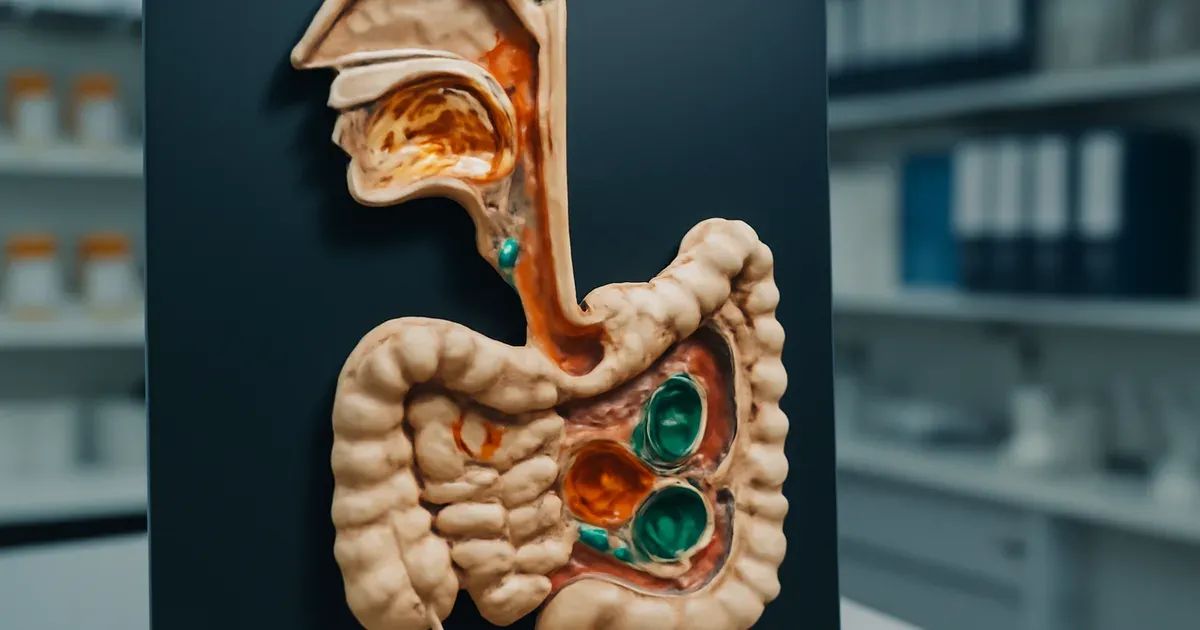
Most of us brush our teeth and think nothing more of it. But inside your mouth, a complex microbial ecosystem is quietly shaping not just your dental health — but potentially your gut, your brain, and your overall wellbeing. The connection between oral bacteria and gut health UK researchers are now uncovering is genuinely remarkable. Ignore what's happening in your mouth, and you may be ignoring one of the most important entry points to your body's wider microbiome.
According to the NIH's News in Health, your mouth is home to approximately 700 species of microorganisms — bacteria, fungi, and more — living on your teeth, tongue, and the pockets between tooth and gum. That's a staggering number, and UK microbiome research is increasingly revealing how these oral microbes interact with the gut-brain axis in ways science is only beginning to understand.
1. Your Mouth Is the Gateway to Your Entire Microbiome
The oral cavity is the starting point of your digestive tract — and every time you swallow, you're sending a stream of microorganisms directly into your gut. Both beneficial and harmful oral bacteria travel this route daily. In the UK, gut health researchers at institutions such as King's College London and the University of Reading have highlighted that the composition of your oral microbiome can directly influence the diversity of your gut microbiome. A healthy mouth isn't just good for your smile — it's foundational to gut health UK adults should be prioritising.
Actionable takeaway: Think of oral hygiene as step one of your gut health routine, not a separate concern.
2. 700 Species of Bacteria Call Your Mouth Home — Not All Are Your Enemy
The sheer number sounds alarming, but balance is everything. Your mouth hosts around 700 species of microorganisms, and many of them are actively working in your favour — suppressing harmful bacteria, regulating pH, and producing compounds that support digestion. This mirrors the broader principle of microbiome UK science: diversity and balance, not sterility, is the goal. The British Gut Project, which has collected microbiome data from tens of thousands of UK participants, consistently shows that microbial diversity is one of the strongest markers of health.
Actionable takeaway: Avoid over-sanitising your mouth with harsh, alcohol-based mouthwashes that kill beneficial bacteria indiscriminately.
3. Streptococcus mutans Turns Your Sugar Habit Into Acid — and That's Just the Beginning
The bacterium you've almost certainly heard of, Streptococcus mutans, is the chief architect of tooth decay. It colonises tooth surfaces, feeds on the sugars and starches in your diet, and produces enamel-eroding acids. A study published in Microbiology Spectrum confirmed that S. mutans thrives in low-pH environments, making it the primary driver of dental caries in humans. But the implications extend beyond your teeth: high sugar consumption that feeds S. mutans also disrupts gut bacteria, fuelling inflammation that research links to conditions from IBS to anxiety via the gut-brain connection.
Actionable takeaway: Reducing free sugars — in line with NHS guidelines and the UK Eatwell Guide — protects both your enamel and your gut microbiome simultaneously.

4. Porphyromonas gingivalis Is Linked to Serious Systemic Inflammation
This bacterium is rarely present in a healthy mouth — but when it appears, the consequences can be far-reaching. Porphyromonas gingivalis is strongly associated with periodontitis, a severe inflammatory disease that damages the tissues and bone supporting your teeth. What makes it particularly relevant to gut health UK discussions is that chronic gum inflammation doesn't stay local. Inflammatory signals and bacterial fragments from periodontal disease can enter the bloodstream, potentially disrupting the gut lining and aggravating the gut-brain axis. UK researchers at University College London (UCL) have been investigating the systemic pathways through which oral pathogens contribute to broader inflammatory disease.
Actionable takeaway: Bleeding gums are not normal — treat them as a warning sign and consult your NHS dentist promptly.
5. Fermented Foods That Improve Gut Health Also Support Your Oral Microbiome
The foods recommended to improve gut health naturally are, reassuringly, the same ones that help maintain a balanced oral microbiome. Yogurt, sauerkraut, miso, tempeh, pickles, and sourdough bread introduce beneficial Lactobacillus strains that compete with harmful oral bacteria. The British Dietetic Association (BDA) supports the inclusion of fermented foods as part of a varied, balanced diet. When beneficial bacteria thrive in your mouth, they produce less acid, reducing the acidic environment that pathogens like S. mutans prefer. It's a virtuous cycle that starts on your plate.
Actionable takeaway: Add a daily portion of live-culture yogurt or a fermented food to your diet — your mouth and gut will both benefit. Consider pairing this habit with other evidence-based strategies to improve gut health naturally.

6. Fibre-Rich Foods Are a Double Agent for Oral and Gut Health
Fibre doesn't just feed the beneficial bacteria in your colon — it mechanically cleans your teeth and stimulates saliva production, which neutralises oral acids. Crunchy, fibre-rich fruits and vegetables — think apples, carrots, and celery — act as natural abrasives, disrupting plaque formation. In the gut, dietary fibre is fermented by bacteria to produce short-chain fatty acids (SCFAs), which reduce intestinal inflammation and support the gut-brain connection by influencing neurotransmitter production. UK dietary guidelines recommend at least 30g of fibre per day, yet most British adults consume far less — averaging around 18g daily according to NHS data.
Actionable takeaway: Snacking on raw vegetables instead of processed snacks simultaneously boosts your fibre intake and scrubs away plaque-forming bacteria.
7. The Gut-Brain-Mouth Axis: Your Mental Health May Be Affected Too
Emerging research is connecting oral dysbiosis — an imbalance of mouth bacteria — to mental health outcomes via the gut-brain connection. When harmful oral bacteria dominate, they contribute to systemic low-grade inflammation. This inflammation can cross into the gut, disrupting the enteric nervous system and potentially altering levels of serotonin and other neurotransmitters produced in the gut. Approximately 90% of the body's serotonin is produced in the gut, and UK microbiome research — including work supported by the Wellcome Trust and the MRC — is actively exploring how oral-gut-brain pathways influence mood, cognition, and mental resilience.
Actionable takeaway: Treating oral health as part of a holistic gut-brain health strategy — not an isolated concern — is the most evidence-aligned approach available to you right now.

Did you know? The British Gut Project found that people who eat more than 30 different plant species per week have significantly more diverse gut microbiomes — and dietary diversity that benefits your gut also reduces the sugar and processed food intake that feeds harmful oral bacteria.
Closing: Small Habits, Big Impact on Your Microbiome
Your mouth and gut are not separate systems — they are the two ends of a single, interconnected microbial highway. The science of gut health UK researchers are building points clearly toward an integrated approach: brush twice daily with fluoride toothpaste, floss, eat fermented and fibre-rich foods, reduce free sugars, and see your NHS dentist regularly. These habits protect your teeth, nourish your gut microbiome, and support the gut-brain connection that underpins your mood and cognition. Start with one change today.
You might also like
- How to Improve Gut Health Naturally in 6 Steps
- How to Improve Your Oral Microbiome for Gut Health
- 7 Fibre-Rich Foods to Improve Gut Health Naturally
Frequently Asked Questions
How does oral bacteria affect gut health in the UK?
Every time you swallow, oral bacteria travel into your digestive system. Harmful oral bacteria, particularly those linked to gum disease, can disrupt the gut microbiome by introducing inflammatory pathogens and bacterial fragments into the gut lining. UK microbiome research increasingly supports the view that maintaining a balanced oral microbiome is an important upstream factor in overall gut health.
Can improving my diet really change my mouth bacteria?
Yes — your diet is one of the most direct levers you have over your oral microbiome. Reducing free sugars starves acid-producing bacteria like Streptococcus mutans, while fermented foods and fibre-rich vegetables introduce and support beneficial bacterial strains. The NHS and the British Dietetic Association both recommend dietary changes as a core strategy for improving oral and overall health.
Is mouthwash bad for gut health?
Alcohol-based antiseptic mouthwashes can disrupt the balance of beneficial oral bacteria, and some research suggests this may have downstream effects on the gut. Notably, studies have linked frequent use of antibacterial mouthwash to reduced nitric oxide production, which has implications for cardiovascular health. If you use mouthwash, speak to your NHS dentist about the most microbiome-friendly option for your circumstances.
What is the gut-brain connection and how does the mouth fit in?
The gut-brain connection refers to the bidirectional communication network between your digestive system and your brain, mediated via the vagus nerve, immune signals, and microbially produced neurotransmitters. The mouth is the entry point of this system — oral bacteria that enter the gut can influence the enteric nervous system and, ultimately, brain chemistry. This is an active area of UK microbiome research supported by bodies including the MRC and Wellcome Trust.
How often should I see my NHS dentist to protect my gut health?
The NHS recommends dental check-up frequency based on your individual risk, typically every one to two years for adults with good oral health, and more frequently for those with a history of gum disease or decay. Regular professional cleaning removes plaque and bacterial biofilms that home brushing cannot fully address, reducing the load of harmful bacteria that could otherwise enter your gut.
96 Bacterial Strains. Two Shots a Day.
GOODIE is an award-winning fermented drink with 96 live bacterial strains — more than any yogurt or kombucha — never pasteurised, clinically tested, and 8 in 10 users felt less bloating within 14 days. Curious?